Summer has a short runway in Buffalo. Between the last freeze of winter and the first backyard barbecue, there’s a narrow window to get things done, which is why finding a reliable residential fence installation near me before the season peaks is crucial. Homeowners who wait until June to call a contractor are often looking at a July or August installation date, missing half the warm weather. We hear it every single spring: “I should’ve called sooner.” Here’s everything you need to know to plan smarter, move faster, and get a secure, durable fence that actually fits your WNY property.
How to Plan Your Fence Installation Timeline for Summer Projects
Start earlier than you think you need to. In Western New York, the ground is soft enough for post-setting by late April in most years, but contractors who do quality work book up fast. If you want your fence installed before Memorial Day, that conversation needs to happen in March.
A realistic residential fence installation timeline looks like this: one to two weeks for material ordering, one day to three days for installation depending on yard size, and a day or two for any permit processing your municipality requires.
Erie County has specific setback requirements that vary by zoning district, and some neighborhoods in Buffalo’s historic areas have additional guidelines worth checking before you finalize a layout.
Don’t guess. Get a site visit first. Any local residential fence installer worth calling will assess your property in person before quoting, because your yard’s specific terrain, soil condition, and utility line locations all factor into both the price and the schedule.
Why Professional Crews Complete Fence Projects Faster and More Accurately
Here’s something most homeowners don’t realize until they’ve tried the DIY route: it’s not the digging that slows people down. It’s the layout.
Getting fence posts perfectly aligned, plumb, and spaced consistently across uneven ground takes experience and the right tools. An off-angle post doesn’t just look wrong, it creates structural problems down the line, especially in freeze-thaw cycles where Buffalo winters push and pull the ground every year. A fence installed crooked in May can be leaning noticeably by the following spring.
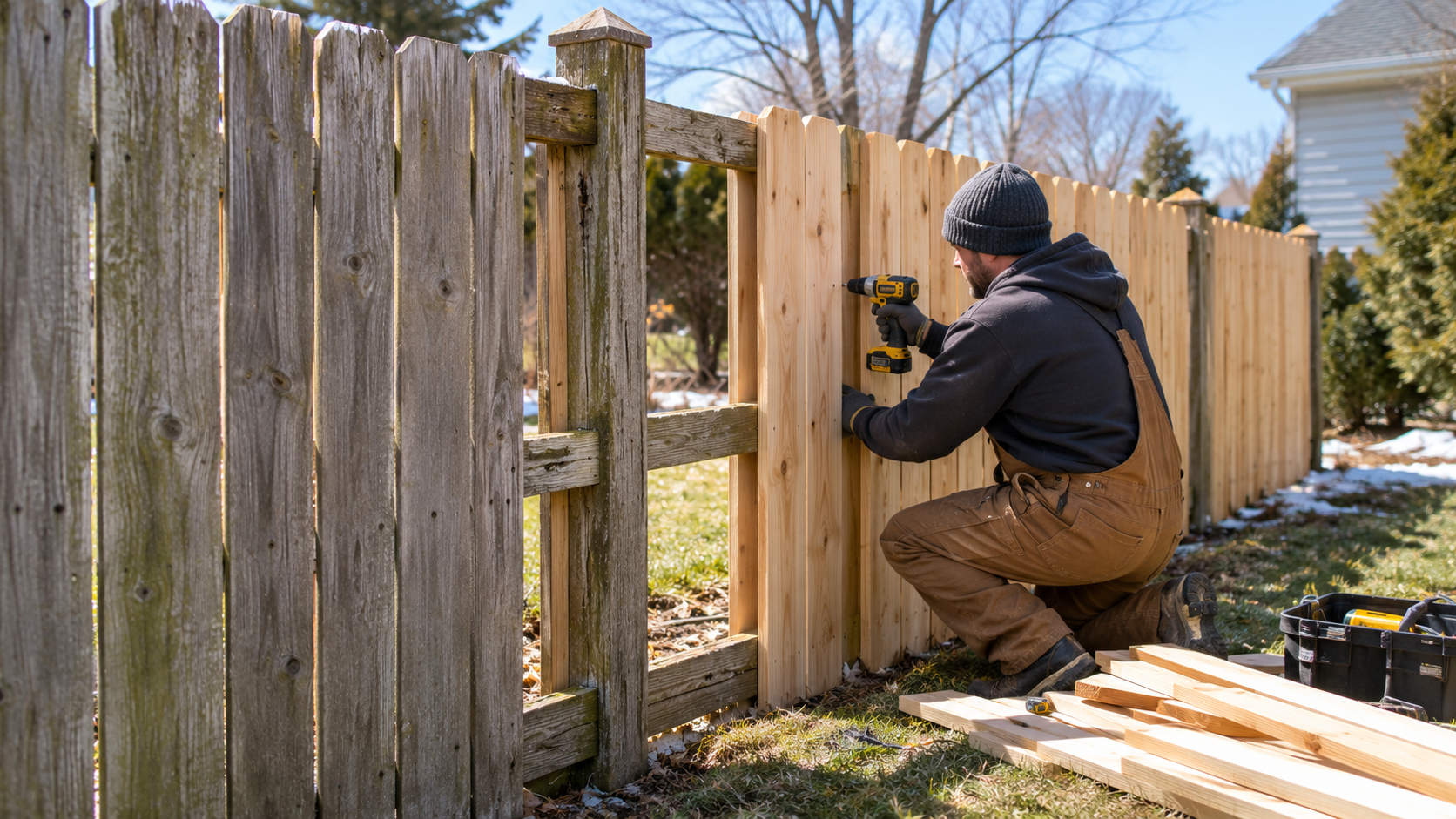
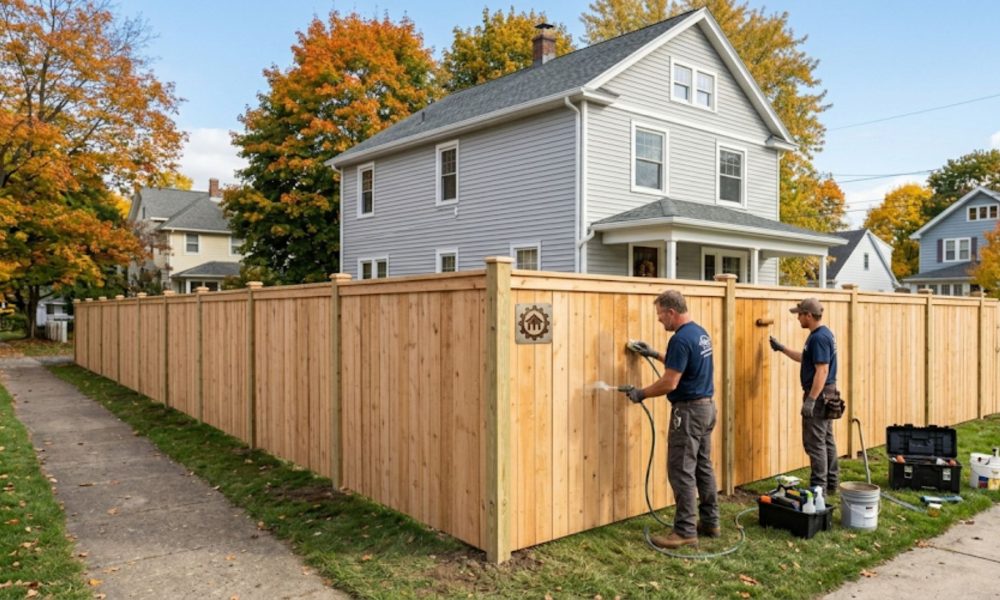
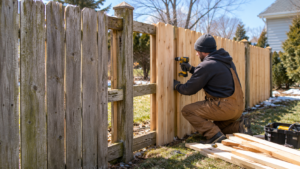
Professional crews have done this hundreds of times. They move through a standard residential yard in a day. What takes a weekend of trial and error for a homeowner takes a trained team a few hours. That’s not a criticism, it’s just maths. Speed and accuracy come from repetition, and there’s no shortcut to that.
Hiring unlicensed crews to save a few hundred dollars is the mistake we see come back to bite homeowners most often. No permit pulled, no liability coverage, and no recourse when the posts start shifting. That’s a liability problem, and it usually costs more to fix than the original job would have. When you’re searching for residential fence installation near me, licensing and insurance aren’t optional boxes to check, they’re the baseline.
Key Tools and Equipment Used to Speed Up Residential Fence Installation
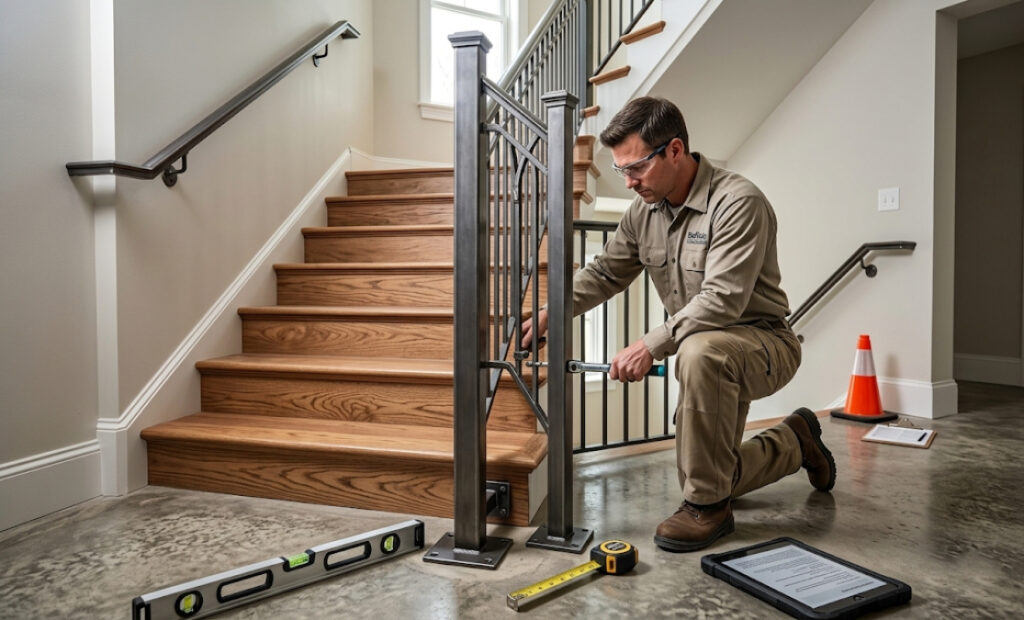
Post-hole augers, laser levels, and pneumatic nailers are the baseline. What separates a fast, clean installation from a slow, uneven one is how a crew uses them, and whether they show up with everything they need on day one.
Hydraulic augers mounted to skid steers can drill through Buffalo’s clay-heavy soil in seconds.
Last spring we encountered clay so compact in West Seneca that we switched from handheld augers to hydraulic equipment midway through the project to stay on schedule.
Hand-digging that same hole takes 20 minutes and wears out the crew before the afternoon. Beyond drilling, string lines, corner anchors, and digital levels keep everything aligned across the full run of the fence.
The right equipment also protects your yard. A crew that tears up your lawn dragging material across it isn’t being careful. Ask what they’re bringing before they arrive, it’s a fair question, and the answer tells you a lot about how they operate.
Get the Right Fence: Comparing Wood, Vinyl, Aluminum, and Chain Link Options
Material choice is where most homeowners get stuck. Here’s a straight breakdown:
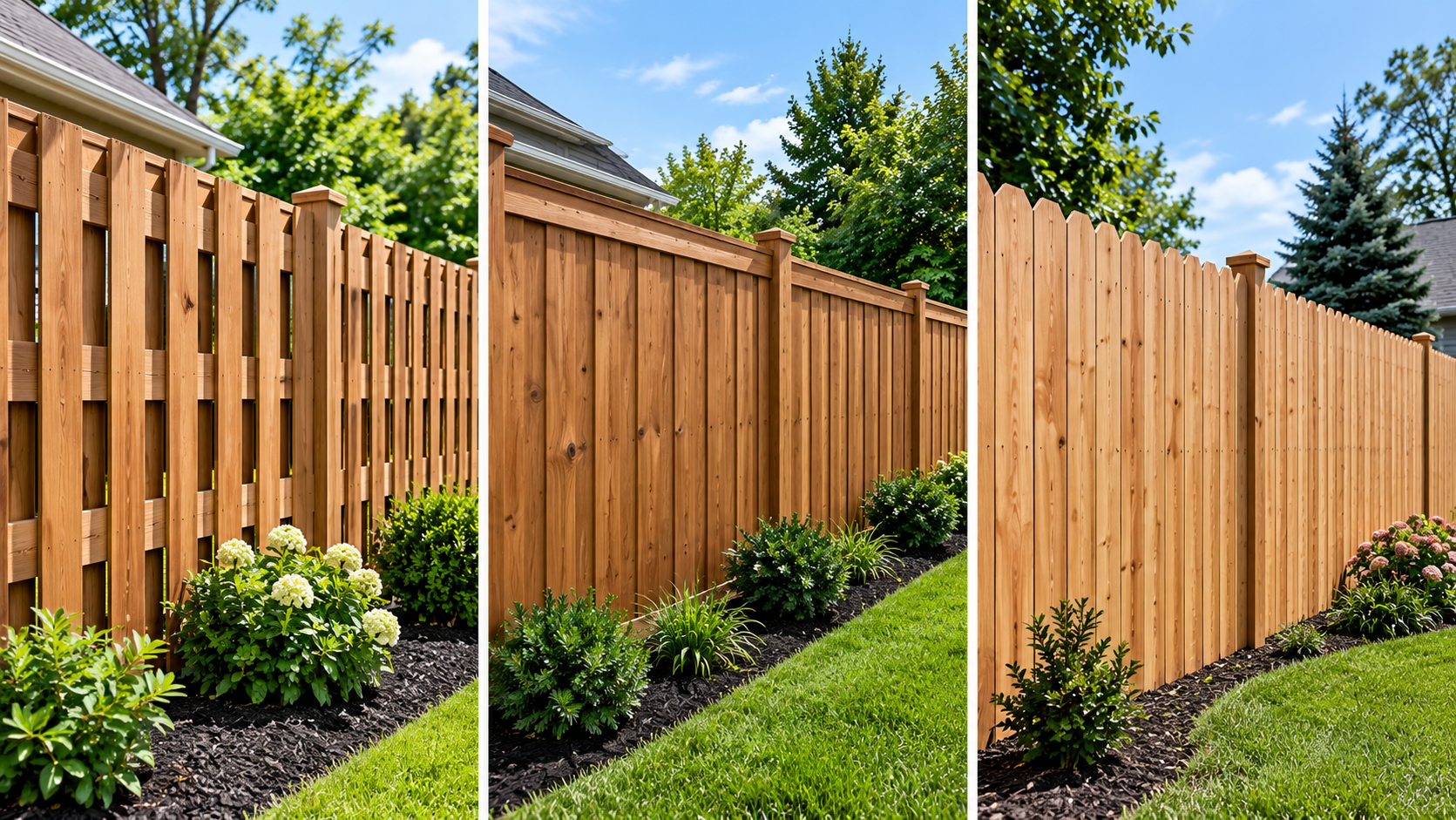
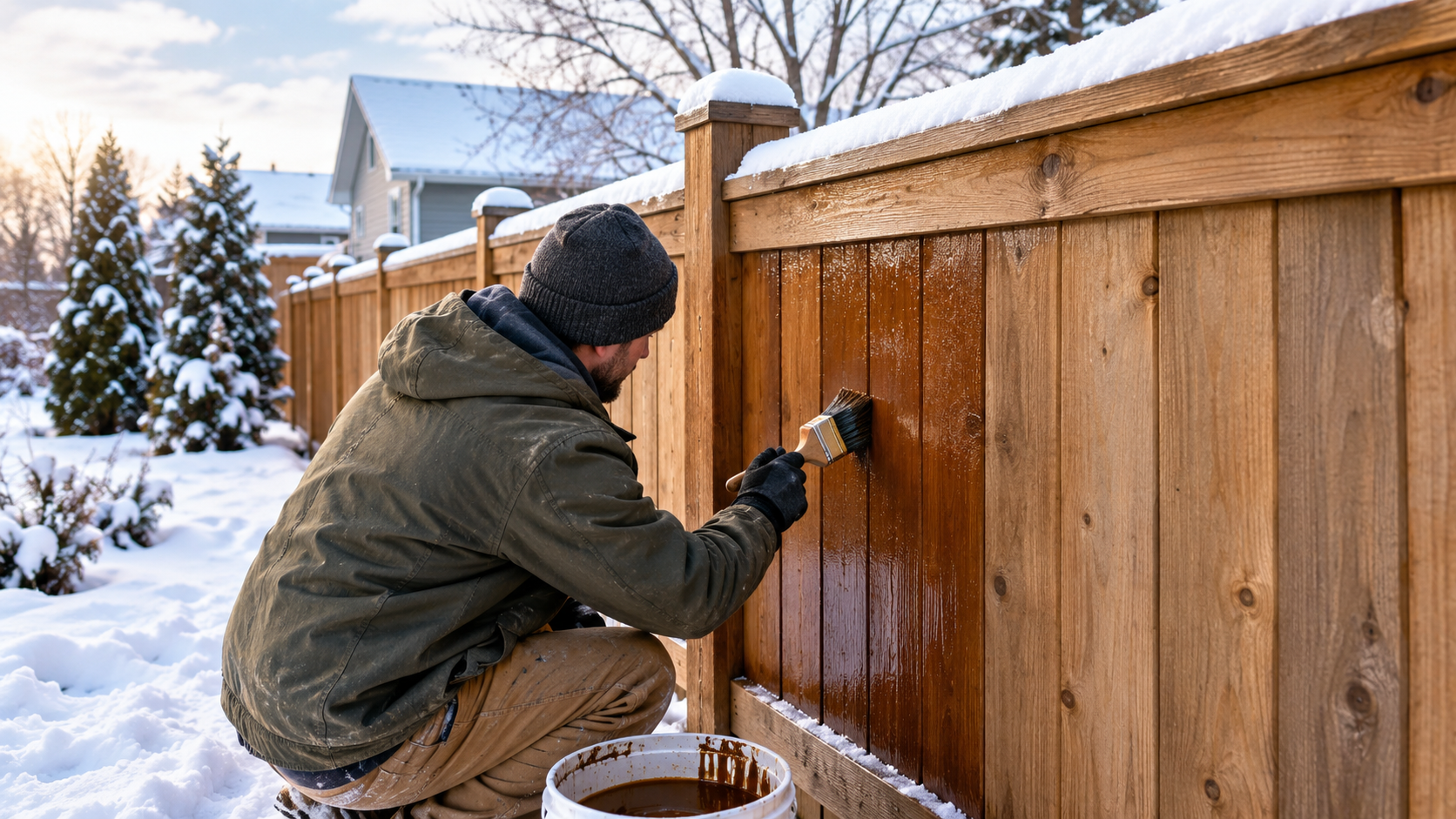
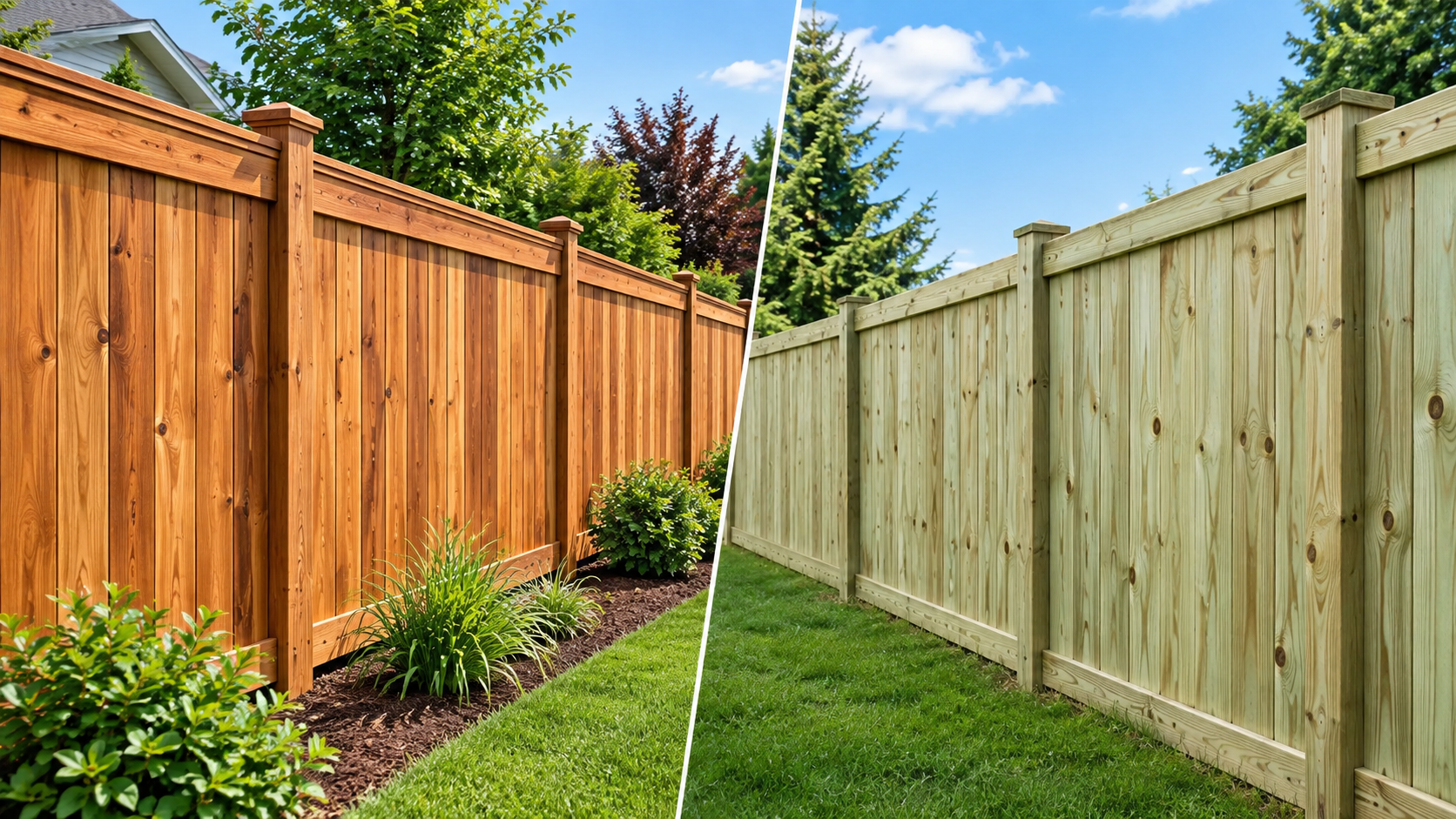
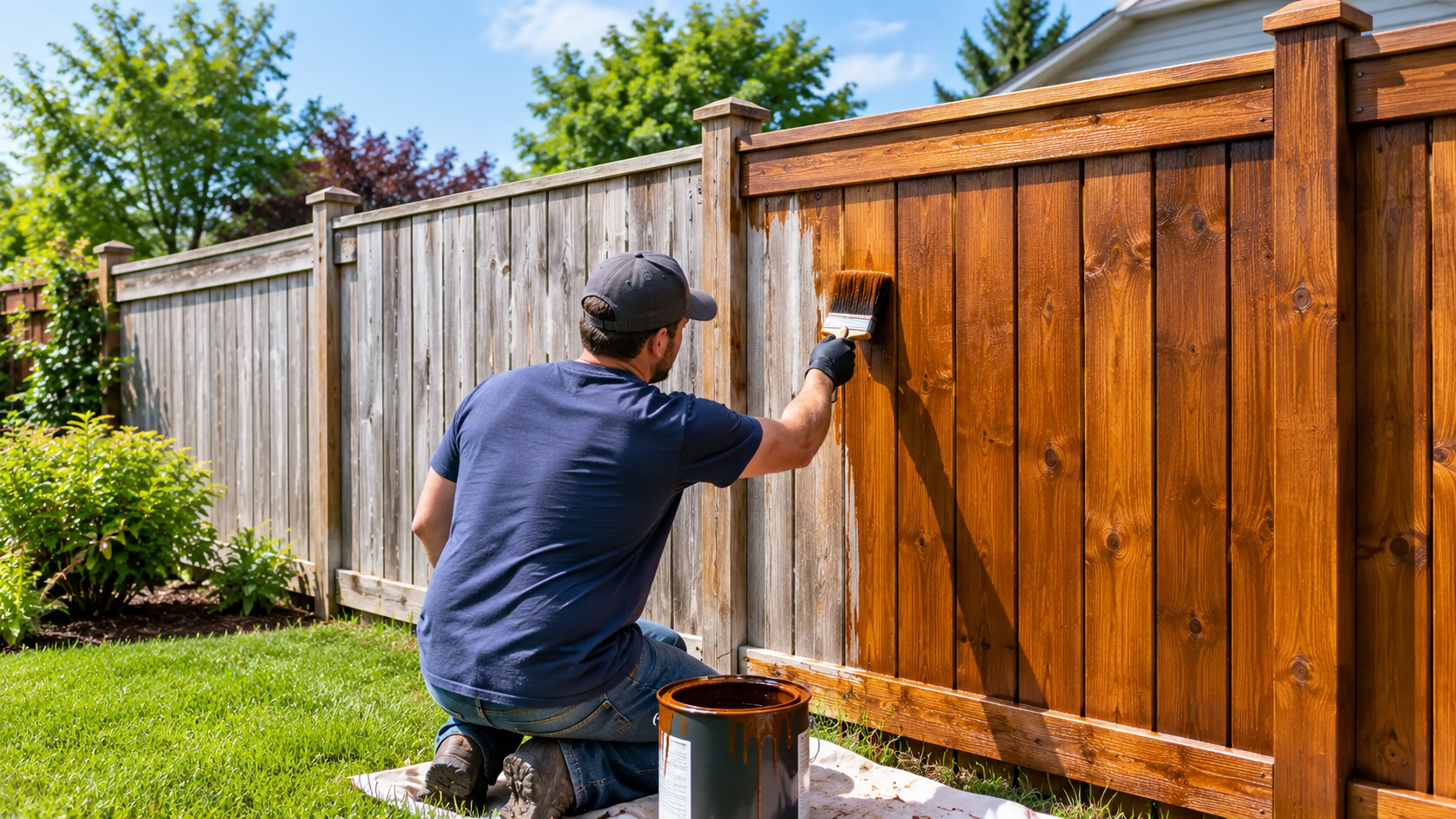
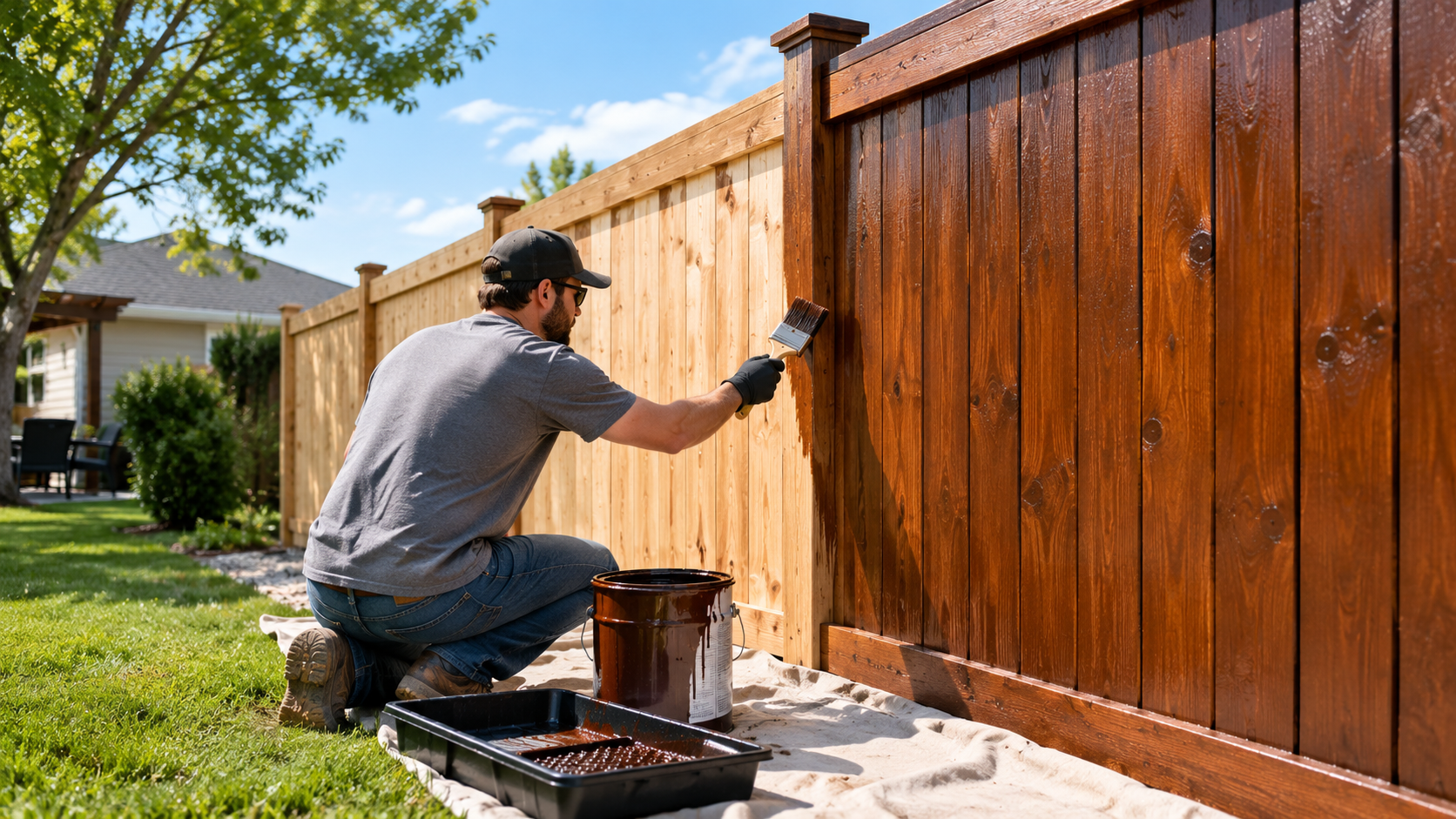
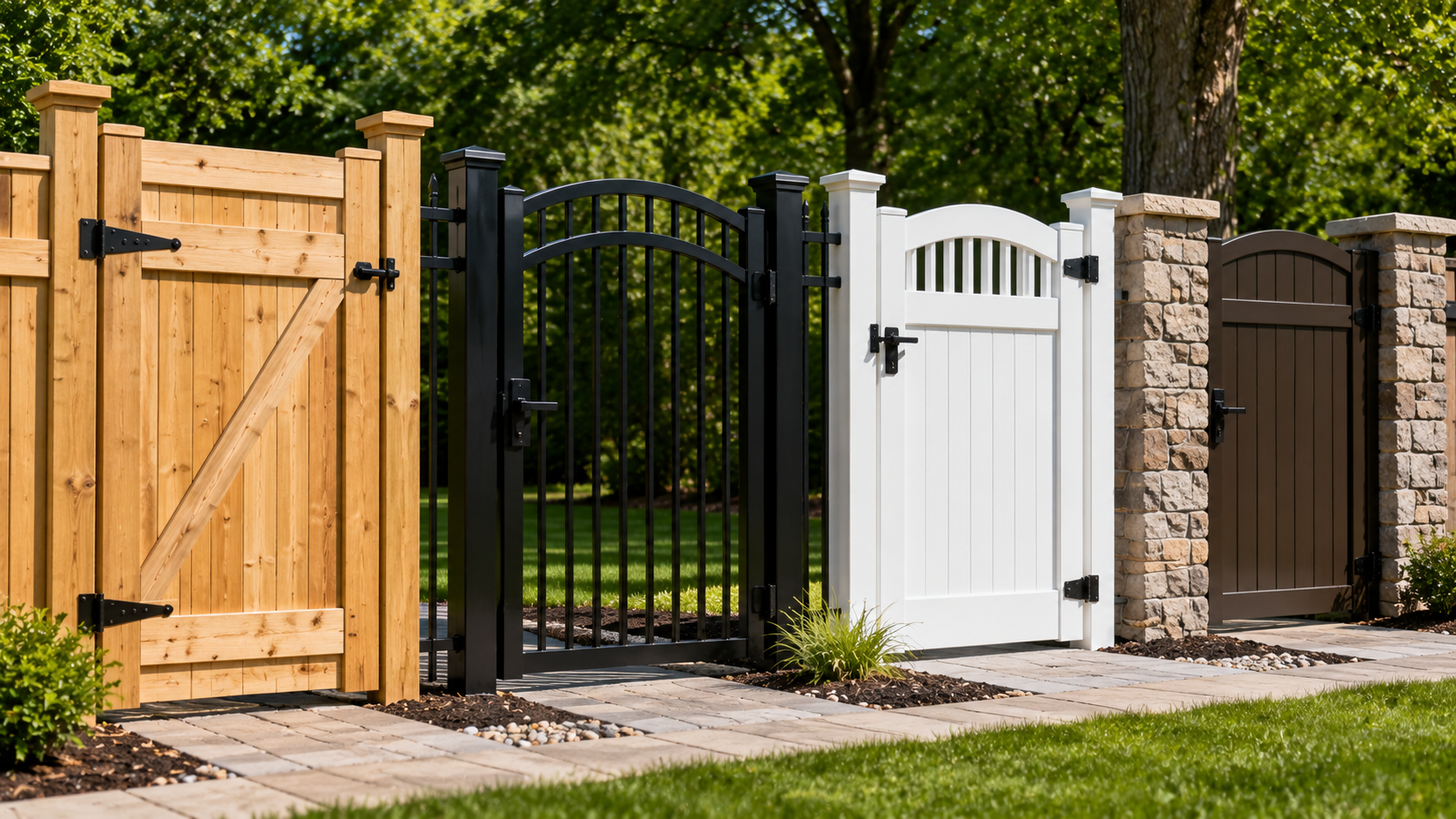
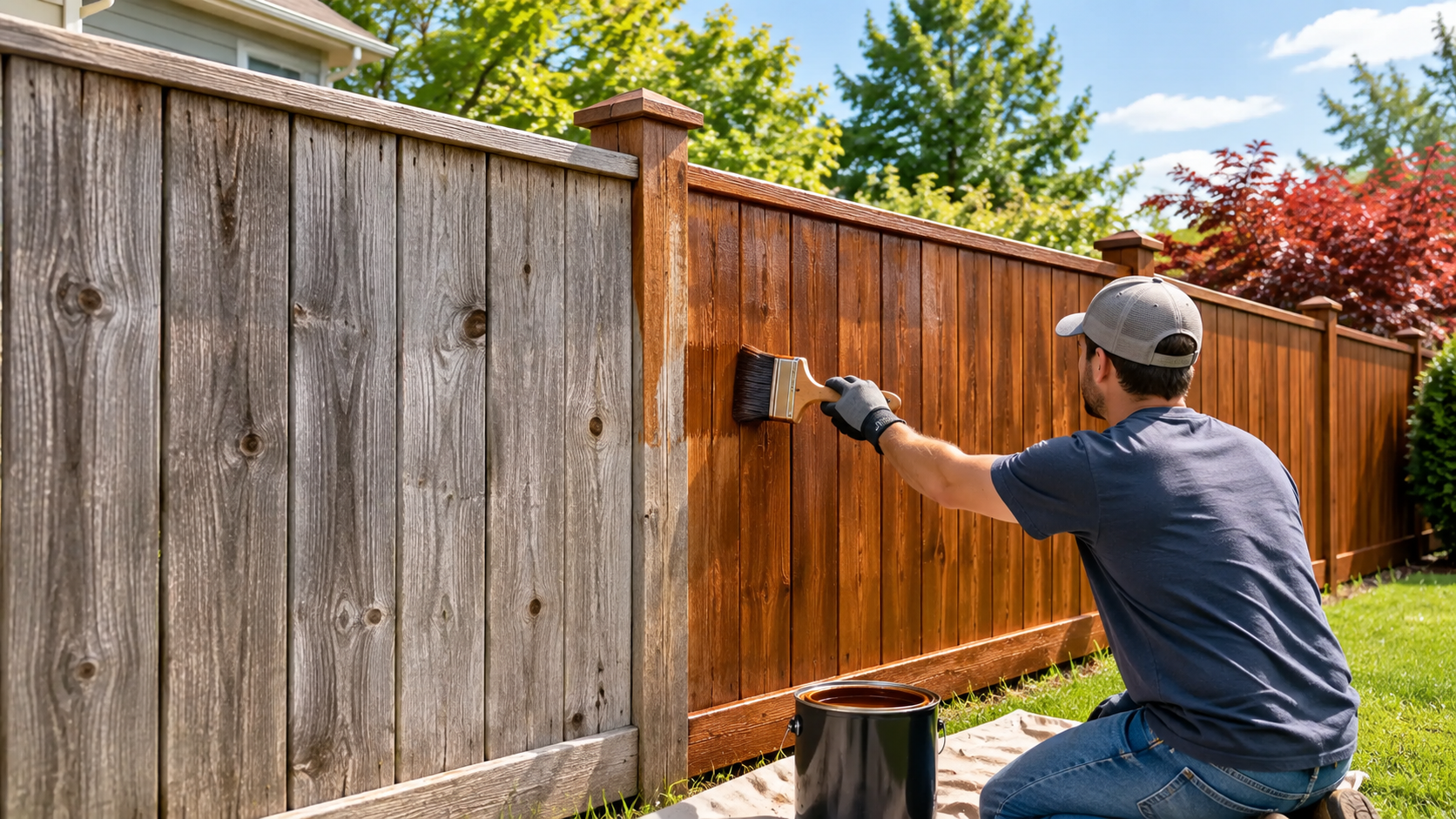
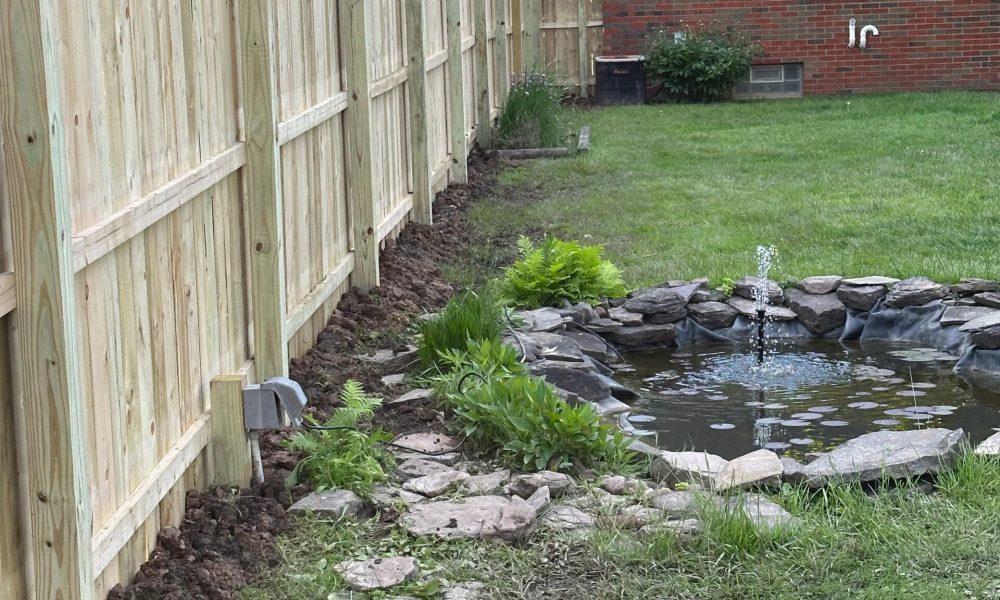
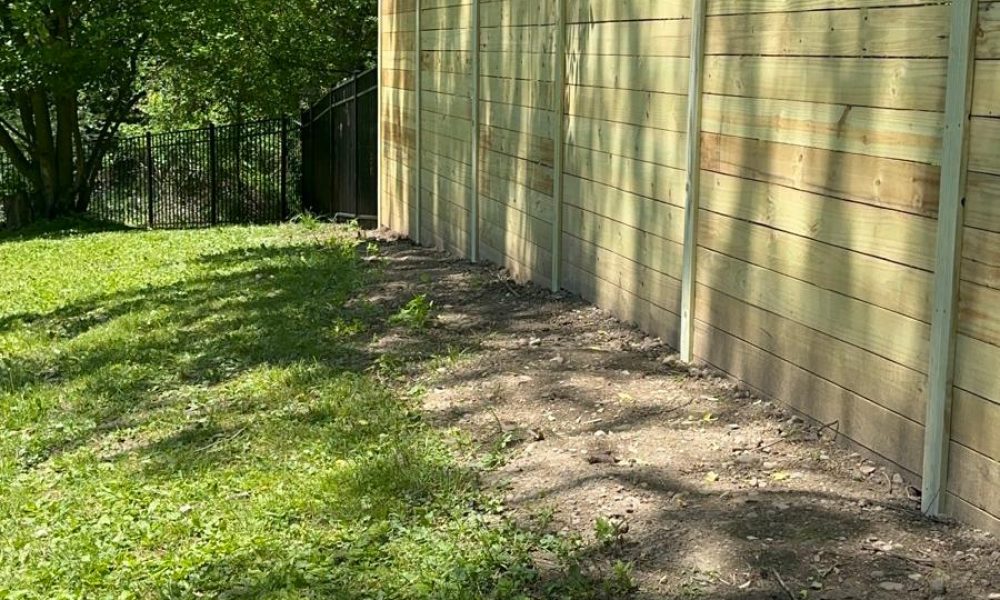
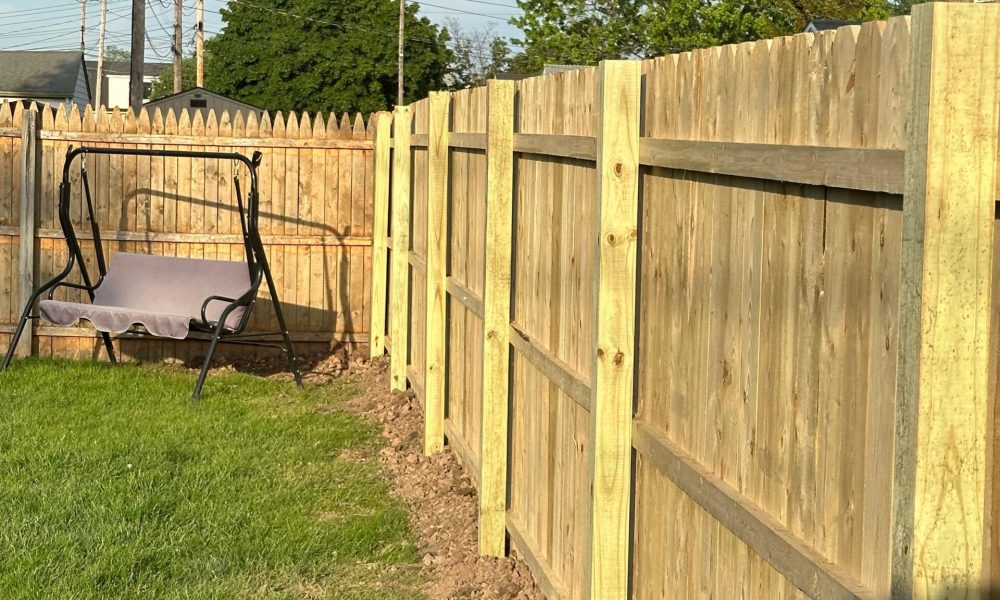
Wood looks warm, feels natural, and costs less upfront. In Buffalo’s climate, it needs sealing or staining every few years to hold up against moisture and freeze cycles. Cedar holds up better than pine. It’s a great choice if you’re willing to do occasional maintenance.
Vinyl is the low-maintenance option. It doesn’t rot, doesn’t need painting, and holds its color over time. It costs more than wood initially, but the lifetime cost often evens out. Not ideal for properties where you want a more traditional aesthetic.
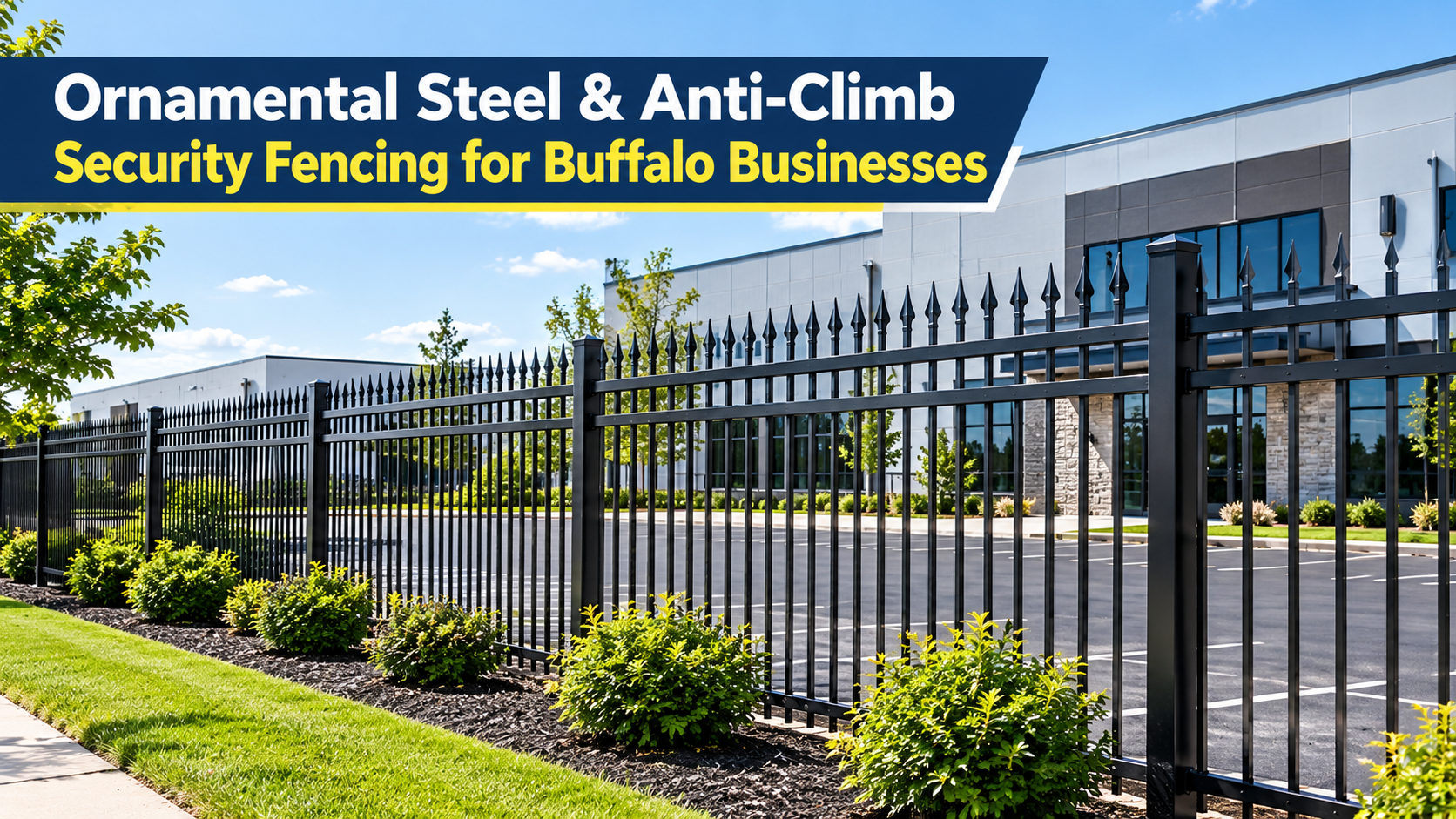
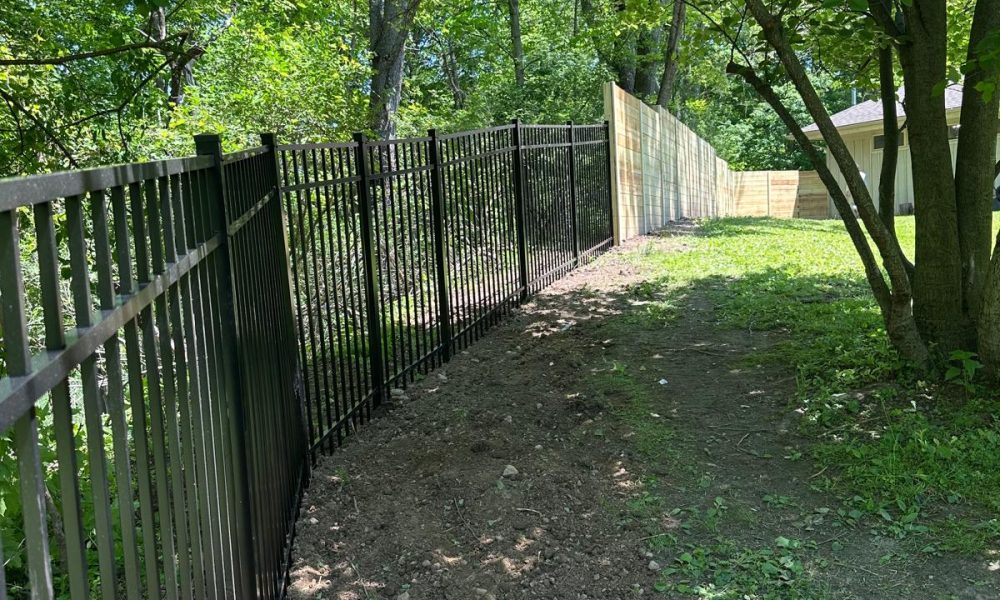
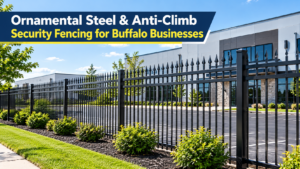
Aluminum works well for decorative fencing; around pools, front yards, or garden areas. It’s not a privacy solution, but it’s durable, rust-resistant, and looks sharp with almost any home style.
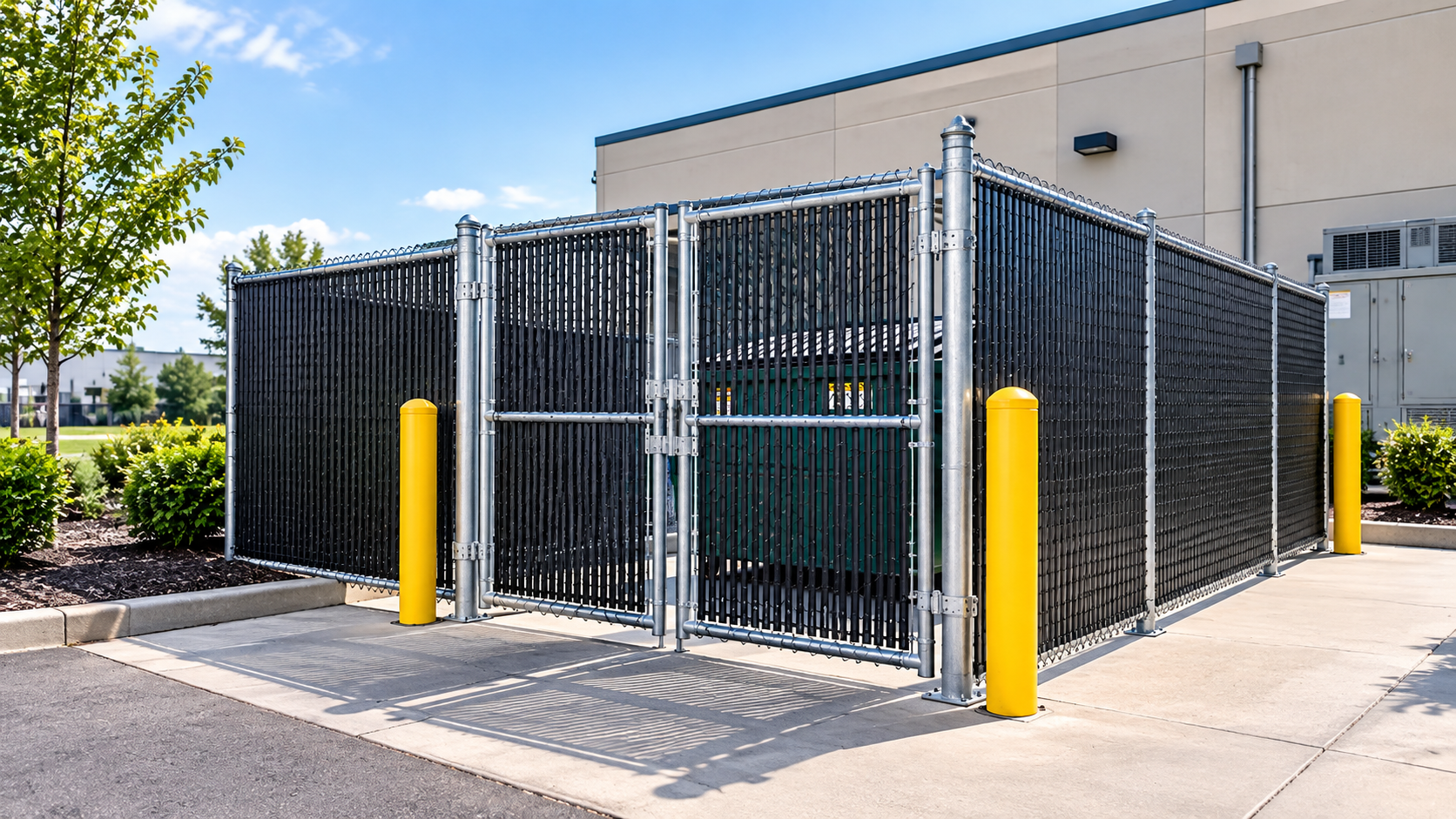
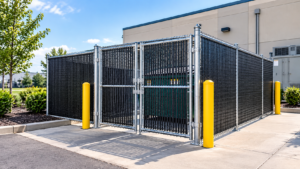
Chain link is the practical choice when the budget is tight or function matters more than form. It’s fast to install, low cost, and nearly maintenance-free. Not the most attractive option, but it does the job.
Finding the best residential fencing company near you isn’t just about price, it’s about finding someone who matches the right material to your specific situation, property, and goals.
Ways to Estimate Cost Based on Yard Size, Materials, and Layout
A basic cost estimate starts with linear footage. Measure the perimeter you want enclosed, then multiply by the per-foot material cost. Wood privacy fencing in the Buffalo area typically runs in the range of $25–$45 per linear foot installed. Vinyl runs higher. Chain link comes in lower.
That number shifts based on a few variables:
- Gates add cost, each one requires additional hardware and framing
- Corners and grade changes slow installation and may add labor
- Tear-out of existing fencing is often quoted separately
Affordable home fence installation doesn’t mean going with the cheapest bid. It means understanding what you’re paying for. A low quote that doesn’t include permit fees, post concrete, or gate hardware isn’t actually low, you’ll see the difference on the final invoice.
Get at least two detailed quotes, not ballpark numbers over the phone. If a contractor won’t give you a line-item breakdown, that’s a signal.
How Property Size and Terrain Affect Installation Time and Budget
A flat quarter-acre lot in Cheektowaga is a different job than a sloped property near the bluffs in Hamburg. Terrain matters.
Sloped ground requires stepped fencing or racked panels to follow the grade, both of which take more time and planning than a level run. Rocky soil near some of the older Erie County subdivisions can slow post-setting significantly. And large lots simply take longer, more material, more posts, more labor hours.
Don’t assume your neighbor’s quote applies to your yard. Property conditions vary block by block in some parts of the Buffalo metro. A professional will account for all of it in a proper estimate.
Choose the Right Fence Height and Style for Privacy and Security
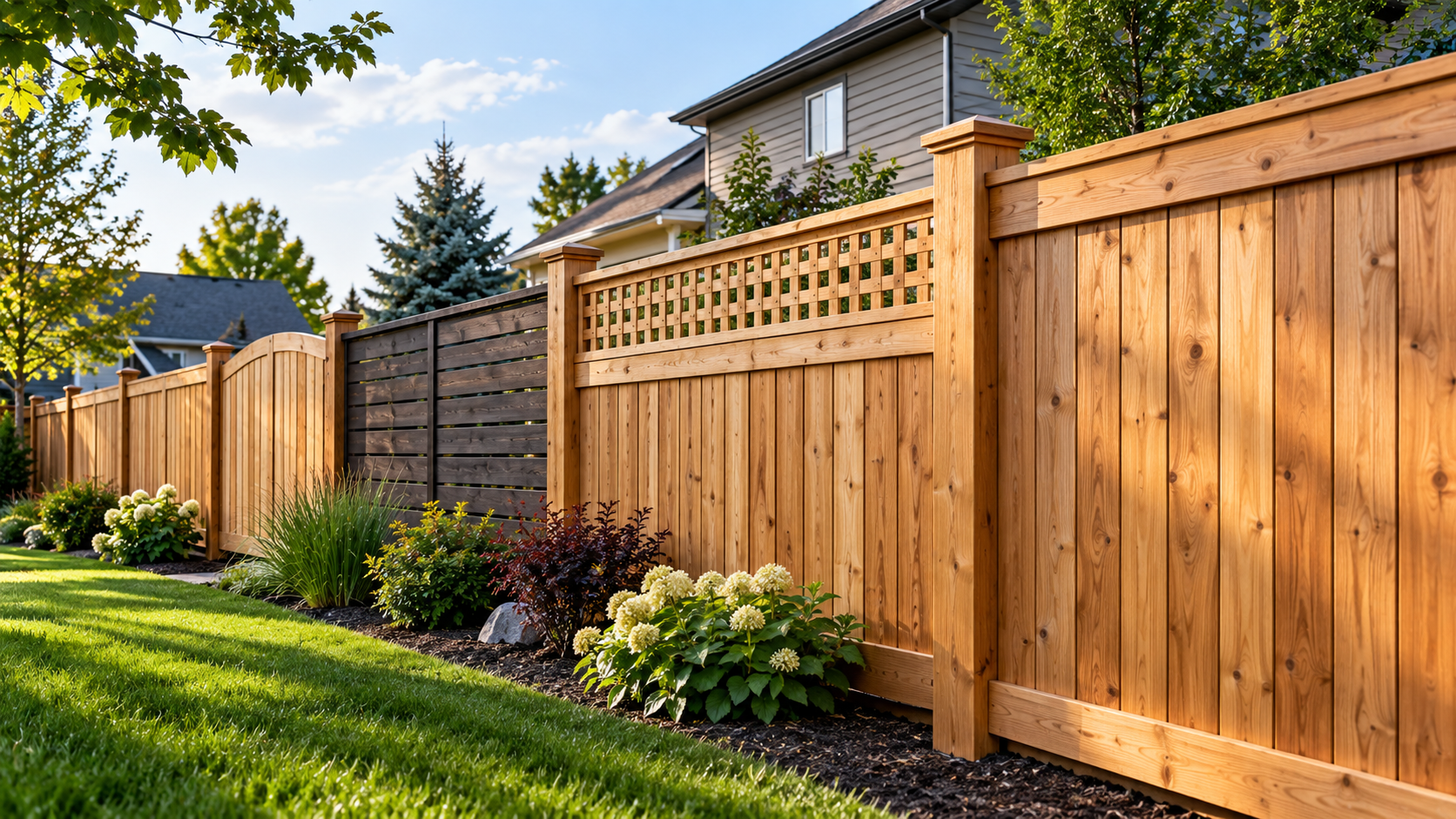
Six-foot privacy panels are the most common request we see for backyard fence installations. They block sightlines from the street and neighboring properties without requiring a variance in most residential zones.
That said, check before you commit. Some Buffalo-area municipalities cap fence heights at four feet in front yards or within certain setback distances. Getting that wrong means tearing it down, and no one wants that conversation.
For security, the material and height combination matters more than either one alone. A four-foot aluminum fence with pointed pickets is a meaningful deterrent. A six-foot wooden privacy fence with no structural bracing is easier to breach than it looks. Think about what you’re actually trying to accomplish and build to that.
At All Pro Fence Buffalo, we walk every customer through these decisions before a single post goes in the ground. Getting the style and height right the first time saves money, headaches, and permit problems.
Why Preparing Your Yard Before Installation Saves Time and Money
Clear the path. That sounds simple, but it makes a real difference on installation day.
Move patio furniture, potted plants, and anything stored along the fence line before the crew arrives. Mark any sprinkler heads or shallow utility runs you know about, even if 811 has already been called. You know your yard better than anyone. Let the crew know about any recent landscaping work, buried lines, or soft spots.
A site that’s ready to go means the crew spends the day installing, not relocating obstacles. It keeps your project on schedule, and it often keeps costs from creeping up due to delays.
All Pro Fence Buffalo crews show up prepared, but a five-minute walkthrough with the homeowner before work starts makes every job go smoother.
FAQs
How long does residential fence installation typically take?
Most standard residential projects are completed in one to two days. Larger lots, complex layouts, or custom gates may add a day. Your installer should give you a timeline estimate during the site visit, not after the job starts.
Do I need a permit to install a fence in Buffalo?
In most cases, yes. Buffalo and surrounding Erie County municipalities typically require a permit for fences over a certain height. Requirements vary by zoning district. A licensed contractor will handle the permit process, but it’s worth confirming before work begins.
What’s the most durable fence material for Buffalo winters?
Vinyl and aluminum hold up best against freeze-thaw cycles and road salt exposure near street-facing installations. Wood performs well with proper sealing, but it requires more ongoing maintenance in Western New York’s climate.
How do I find affordable home fence installation near me without sacrificing quality?
Get detailed, line-item quotes from at least two licensed local contractors. Compare what’s included: materials, hardware, permits, and cleanup. The lowest number isn’t always the best value when you read the fine print.
Can a fence be installed on a sloped yard?
Yes. Racked or stepped fence panels are both standard techniques for graded terrain. It adds some complexity to the job, but an experienced crew handles it routinely. Make sure your quote accounts for the grade when you get your estimate.
How close to my property line can I install a fence?
This varies by municipality and zoning classification. Most areas require a small setback from the property line, typically a few inches to a few feet. Your installer should verify this during planning. Installing on the wrong side of the line creates legal headaches down the road.
How do I get a quote from All Pro Fence?
Call or reach out online to schedule a site visit. All Pro Fence Buffalo assesses every property in person before providing a quote, because an accurate number requires seeing the actual yard, not just an address. We’ll walk through your options, answer every question, and give you a clear picture of the timeline and cost before anything gets started.