Your backyard is your sanctuary.
But it doesn’t feel like one when the neighbors watch your every move.
Out here in Buffalo, NY, our yards are where we unwind after a long winter, fire up the grill, or let the dogs run free. If you are tired of feeling exposed, searching for professional vinyl fence installation near me to set up a solid perimeter is the cleanest, lowest-maintenance way to reclaim your peace of mind.
Getting this right means balancing local town codes, harsh Lake Erie weather, and real money.
1. Privacy vs. Semi-Privacy vs. Picket Styles
Not all yards require total isolation.
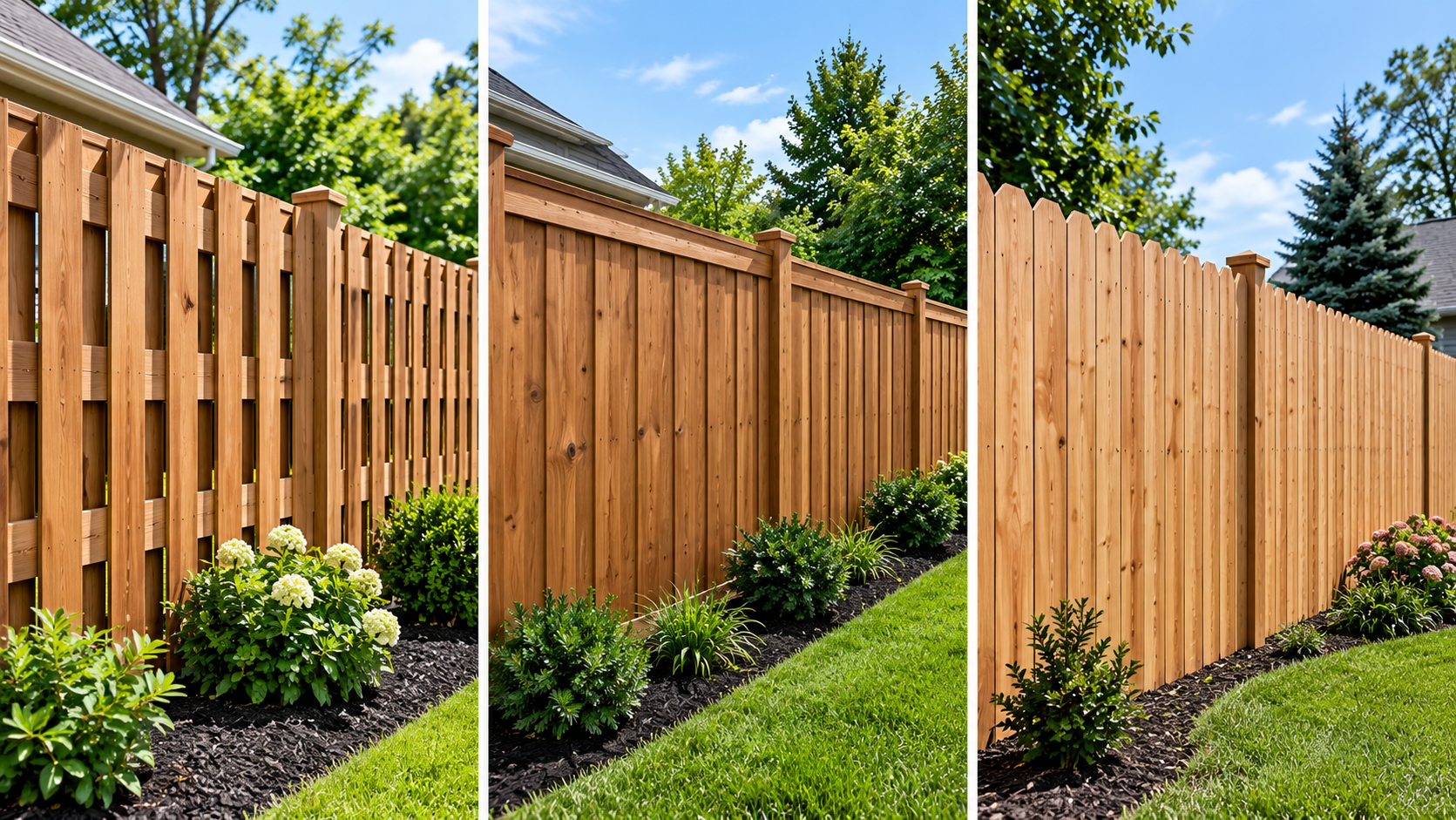
A full vinyl privacy fence is built with interlocking, solid panels that leave zero gaps between the pickets.
This style blocks the view completely and cuts down wind, making it the go-to setup for folks with backyard pools or dogs that bark. It keeps the outside world completely out, giving you a true outdoor living room where you can relax without distractions.
If you still want protection but don’t want to feel completely boxed in, semi-privacy designs offer an excellent middle ground.
These panels feature tiny, deliberate spaces between the vertical slats, letting small streams of light and air filter through while still obscuring the view from a distance. Picket styles, on the other hand, are strictly decorative or meant to contain toddlers; their wide spacing offers no seclusion but keeps property boundaries clear and classic.
Across most Buffalo neighborhoods, solid panels are what guys install when clients want real privacy.
2. Standard Heights and What Codes Allow
Height is the very first thing we figure out.
A standard 6ft vinyl privacy fence setup is what most homeowners go with because it keeps people walking down the street from looking right into your yard. It provides that instant feeling of safety and comfort. However, you cannot just put up whatever height you want without checking with your local building department first.
Municipalities across Western New York have strict rules about how high you can go.
In the City of Buffalo, residential backyard barriers are generally capped at six feet, while front yard perimeters are restricted to much lower heights to maintain clear sightlines for drivers. If you live out in nearby areas like Amherst, Cheektowaga, or Orchard Park, the zoning laws can vary slightly, especially regarding corner lots or properties bordering public easements.
Getting a permit requires an accurate property survey, so never skip this step before digging your first post hole.
3. Tongue-and-Groove vs. Lattice-Top Panels
How long it stands depends on panel construction.
Solid tongue-and-groove panels use individual pickets that lock tight right into the top and bottom structural rails. This creates a solid, uniform wall with no gaps, preventing the boards from warping, rattling, or separating when the ground shifts during seasonal changes. It is the toughest configuration available for long-term durability.
If you find a solid wall too plain, you can opt for a decorative top accent.
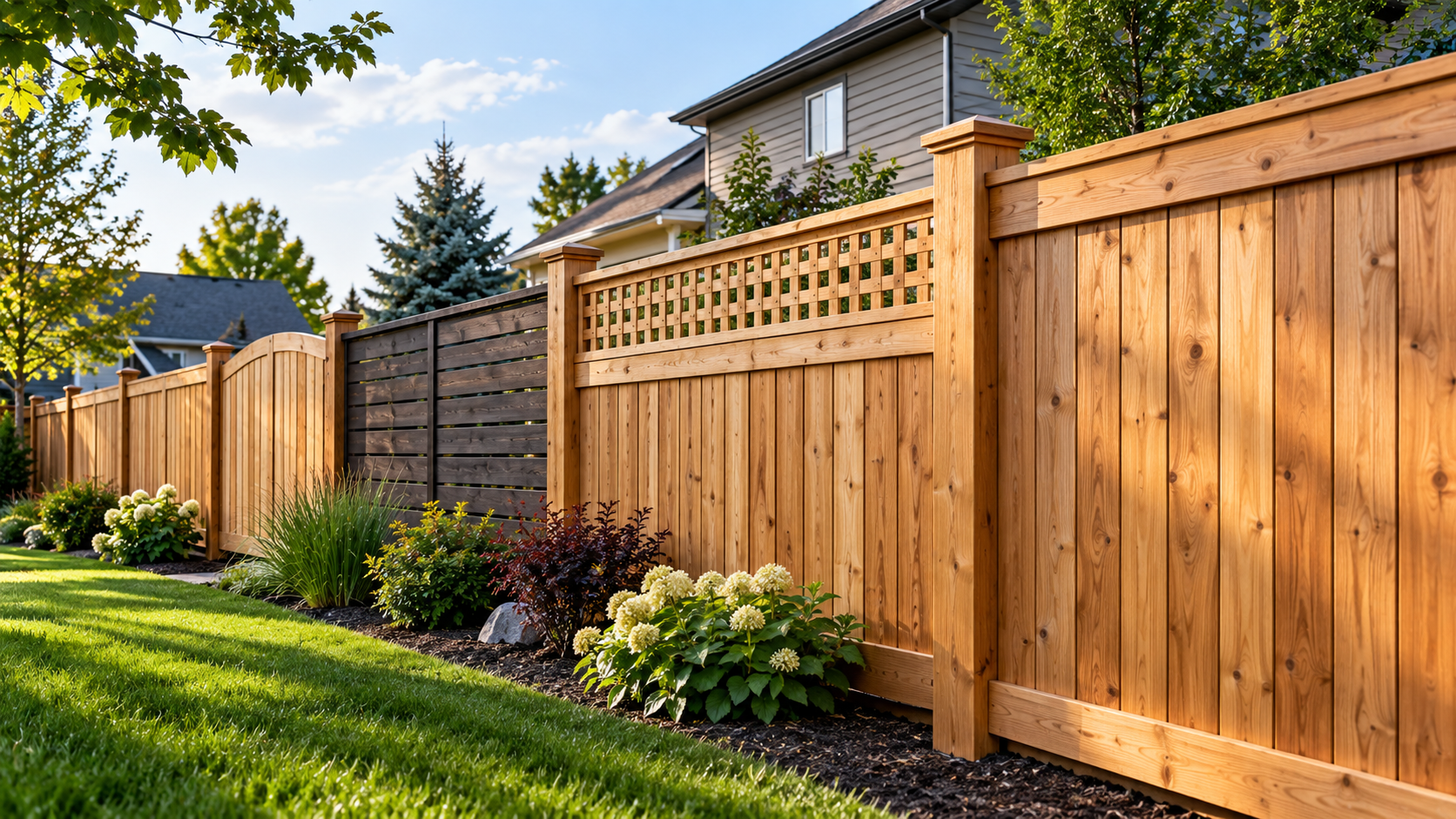
Lattice-top panels feature a standard solid base topped with a foot of open, ornamental crisscross gridwork. It softens the visual impact of a tall boundary and allows a bit of sunlight to filter into the yard.
Another popular alternative is a picket-top accent, which gives a traditional, elegant finish while maintaining complete concealment throughout the main bottom section.
4. Color and Texture Options (Woodgrain Looks)
Plain white isn’t your only option anymore.
While classic white remains incredibly popular because it looks clean and bright against green grass, modern manufacturing has introduced gorgeous earth tones. Dark tan, clay, and deep gray options blend seamlessly into mature landscaping and require even less visible cleaning than white. They give properties a modern, high-end architectural look.
You can even get premium finishes that mimic natural timber.
Modern woodgrain textures feature realistic streaking and deep embossed patterns that look like real stained cedar or oak from just a few feet away. You get the warm look of natural cedar without dealing with cracked, rotting, or fading wood later on.
You get the rich look of real timber without wasting weekends staining or scraping.
5. Cost by Linear Foot Installed
Every property owner wants to know the final price.
When calculating your total privacy fence cost in Buffalo, the biggest variables are total linear footage, panel height, and chosen style accents. On average, residential installation runs anywhere from $35 to $65 per linear foot, depending on the quality of the materials and how difficult your soil conditions are.
A standard yard requiring 150 linear feet of solid panels generally lands between $5,250 and $9,750 fully completed.
Labor is a significant part of that investment for good reason.
Digging through our dense, compacted clay soil and navigating old, stubborn tree roots takes heavy equipment and serious physical effort. If your yard has steep slopes, tight access points, or old concrete footings that need to be jackhammered out, the labor costs will adjust upward.
Hiring a crew means your posts get set deep enough to survive our winter freeze-thaw cycles without leaning next spring.
6. Best Layouts for Small City Lots
City lots present unique spatial challenges.
If you own a classic, narrow Elmwood Village or North Buffalo property, every single inch of outdoor space matters immensely. A solid wall can quickly make a small yard feel like a cramped concrete box if it isn’t planned carefully. To prevent this, we often recommend running solid panels along the main sides for isolation, but dropping to a semi-privacy style along the back line.
Smart layout choices keep your yard feeling open, not cramped.
You can also use lighter colors like white or soft tan to reflect natural light, making a small space feel significantly larger and brighter. Keep your layout straight and tight to the property lines, avoiding unnecessary corners or bumping out around small obstacles.
Keeping your line straight and adding a few tall plants gives you a nice private yard instead of a box.
7. Wind Considerations for Solid Panels
Our brutal Western New York winters beat up fences.
Those powerful winter gales blowing off Lake Erie act like a giant sail against a solid, unyielding wall. If a boundary isn’t engineered properly, strong winds can snap posts clean off at the ground level or tear panels right out of their brackets. As a crew that handles heavy outdoor construction, we know exactly how much force a storm can exert on a flat surface.
The secret to surviving these storms lies entirely in the post installation.
We dig our post holes deep, well below the local frost line, and secure them with heavy columns of poured concrete to create an immovable foundation. We also utilize heavy-duty internal aluminum inserts inside the main gate posts and high-stress terminal sections to prevent bending.
Using premium panels with deep tongue-and-groove channels allows the individual slats to flex slightly under pressure without breaking apart.
8. Adding Gates to a Privacy Run
Your gate takes more abuse than any other section.
If a gate isn’t built right, it starts dragging, sticking, and missing the latch after a few seasons. Because a privacy panel is naturally heavy, the gate posts bear constant, uneven tension every single time the gate swings open or shut. To prevent sagging, these specific posts must be reinforced internally with structural aluminum inserts and set in extra-wide concrete footings.
Choosing the right hardware is just as critical as the post strength.
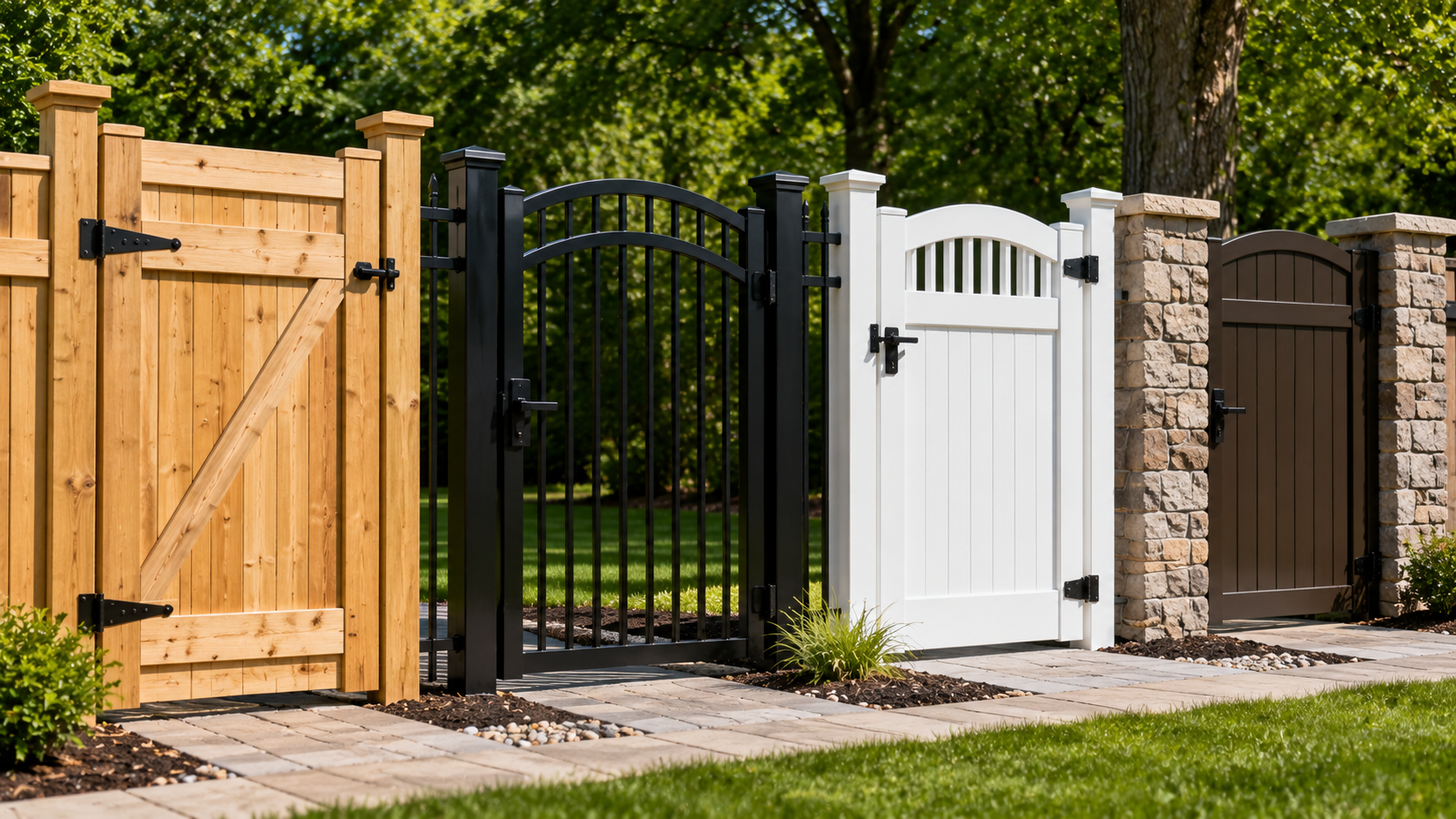
Always opt for heavy-duty, rust-resistant stainless steel or premium vinyl hardware, including self-closing hinges and robust, lockable latches. For standard foot traffic or pushing a lawnmower, a single 4-foot-wide gate is perfectly sufficient.
If you need to drive a trailer, truck, or heavy machinery into the backyard, installing a matching double-drive gate ensures easy access without compromising security.
9. Vinyl vs. Wood for Privacy
This is the big choice every homeowner faces.
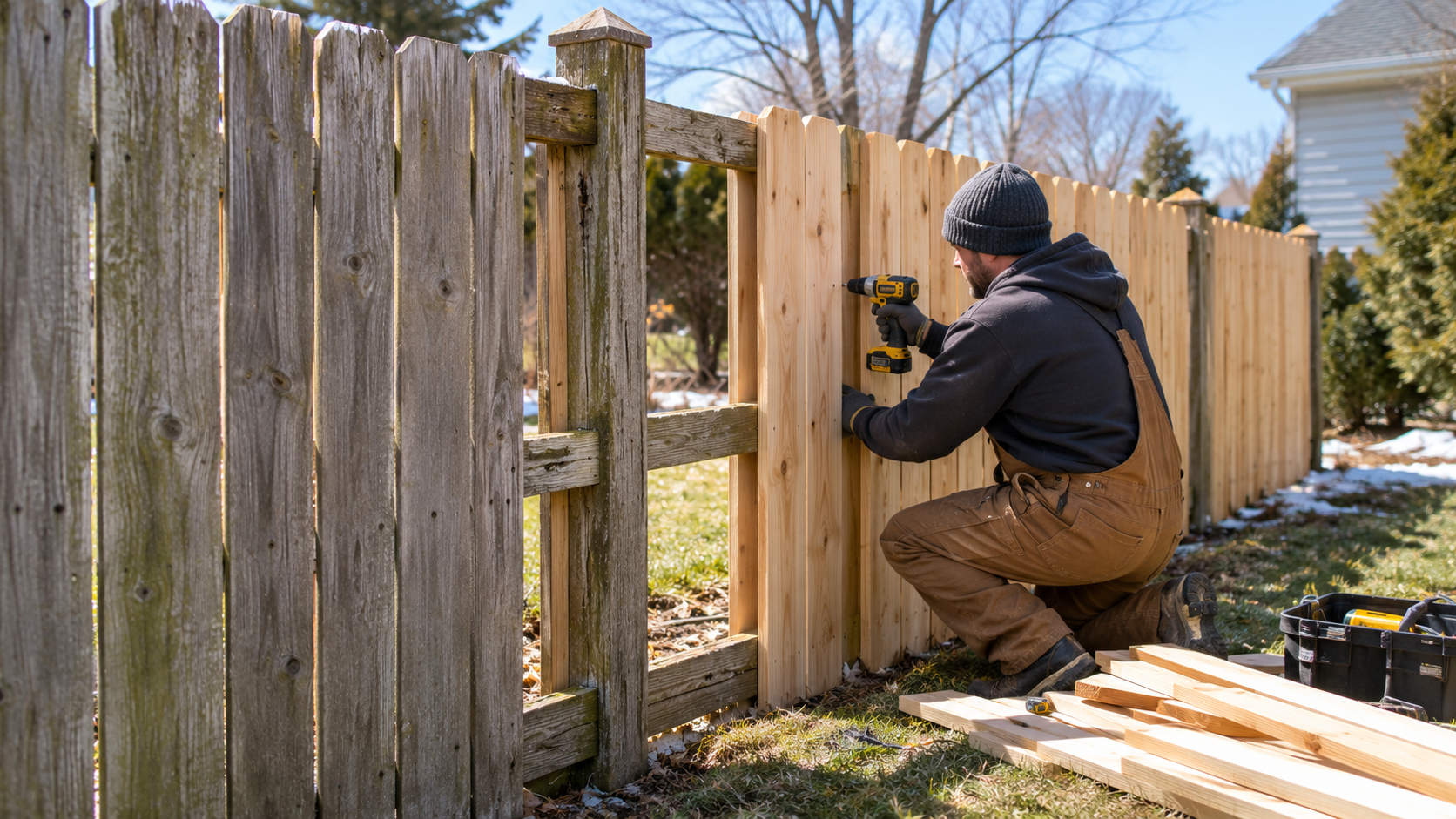
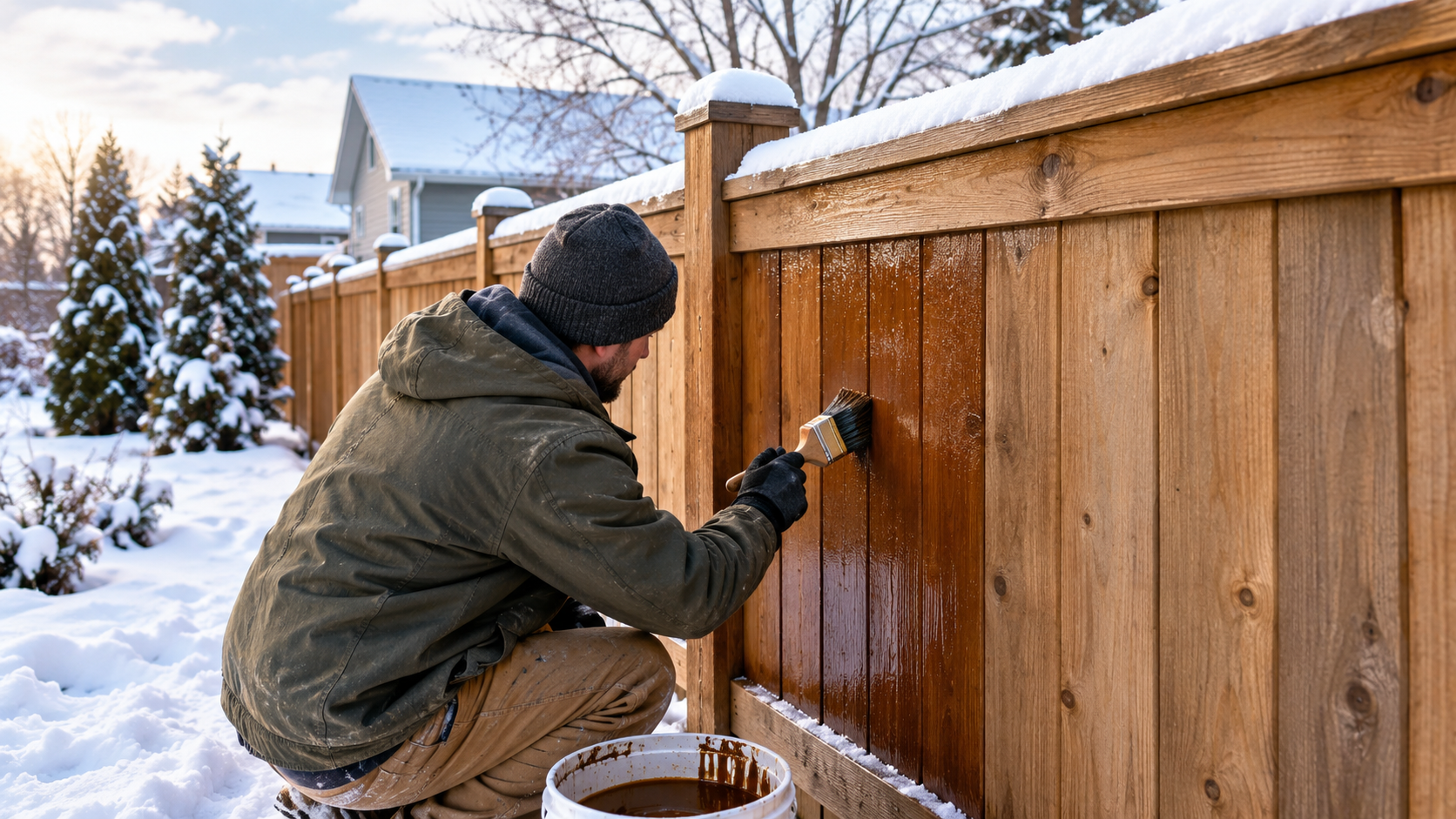
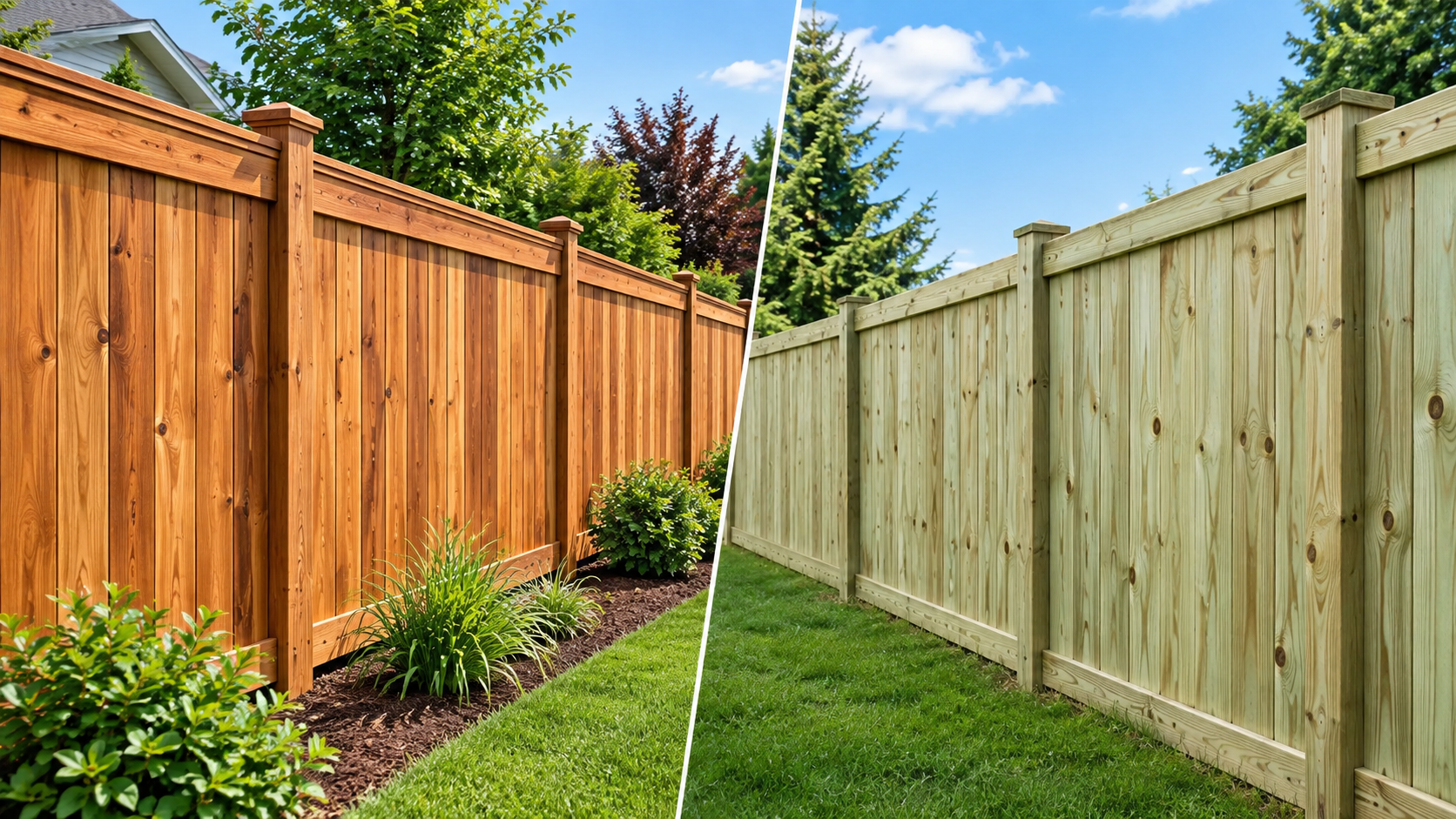
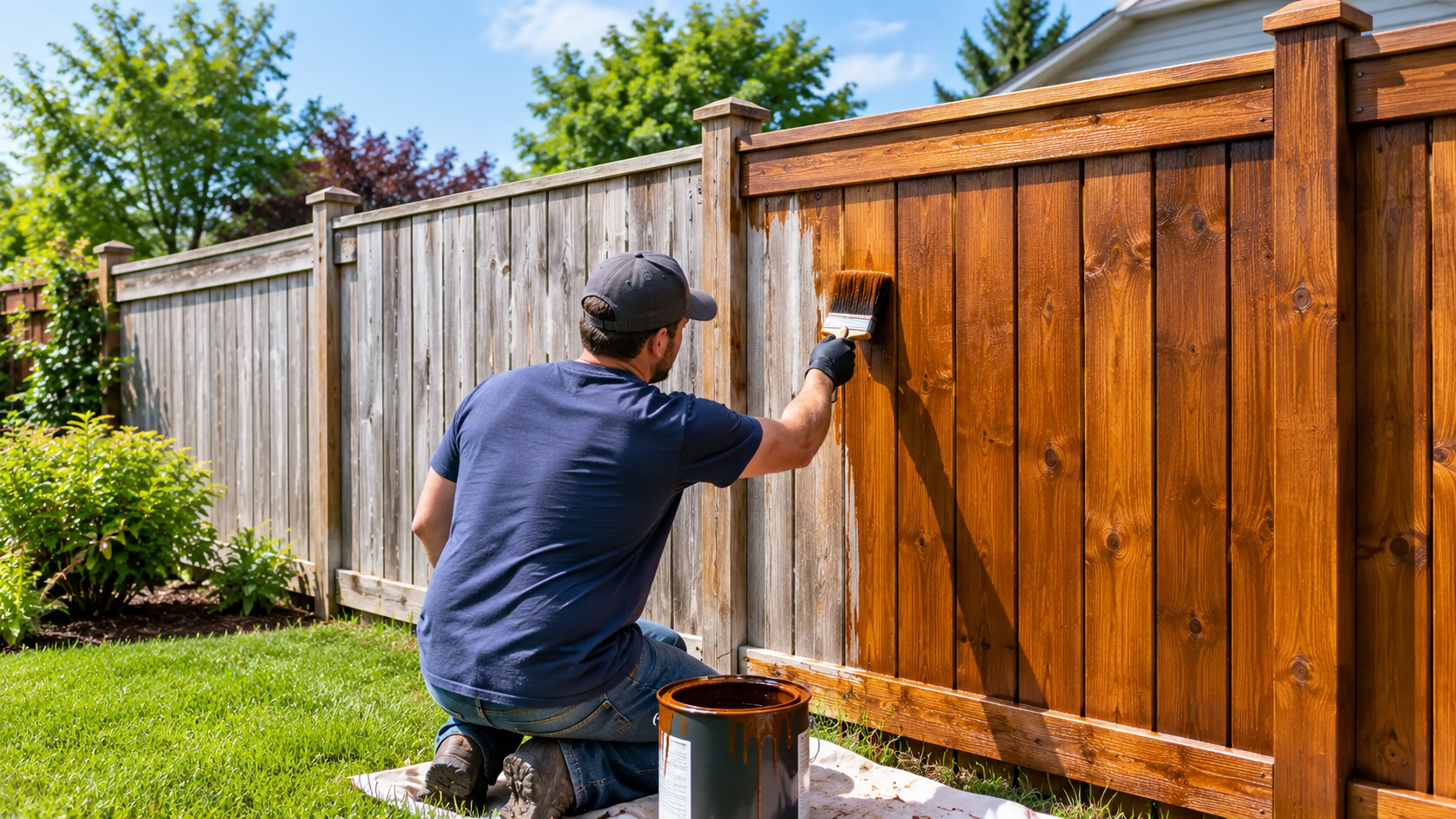
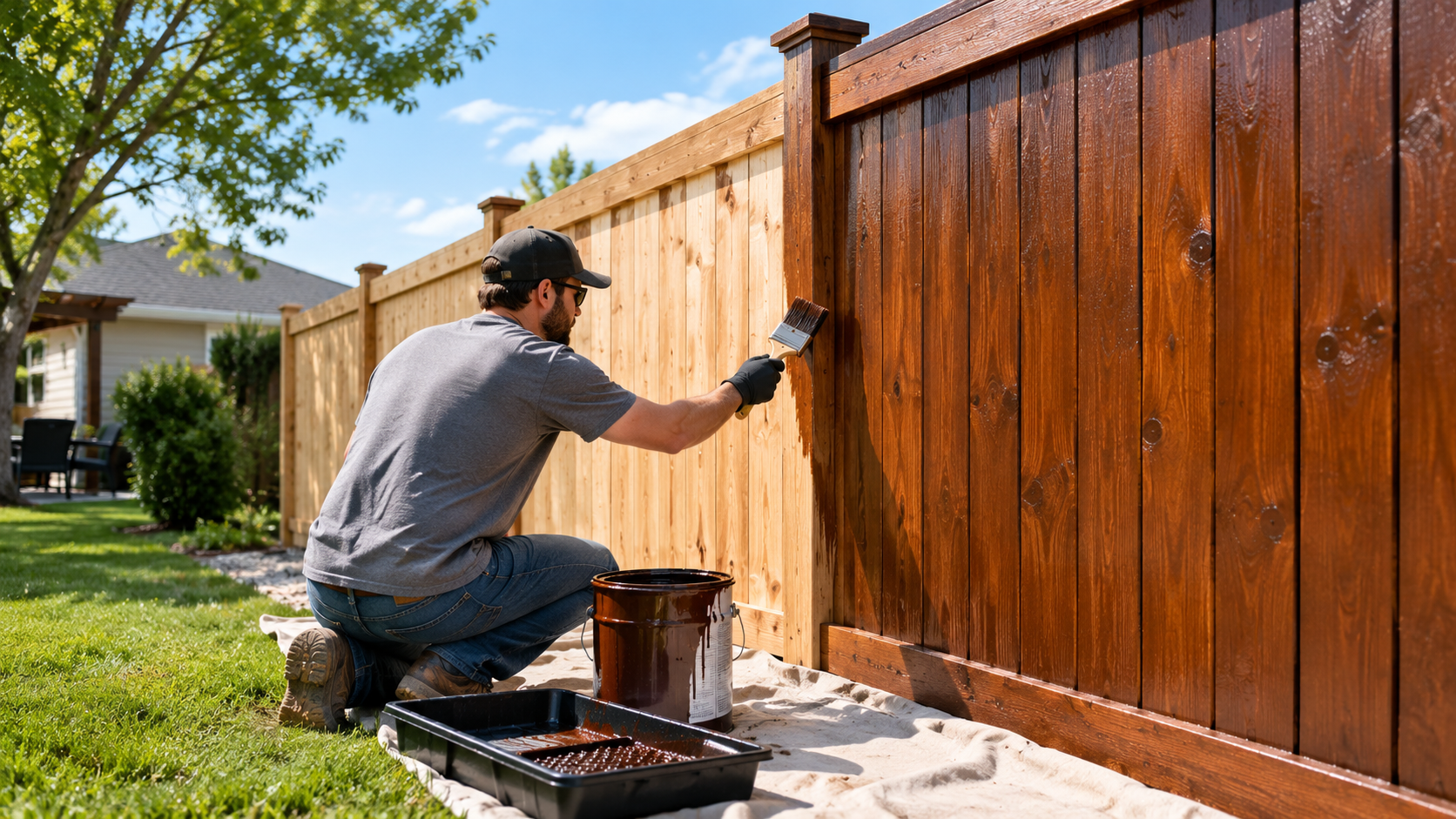
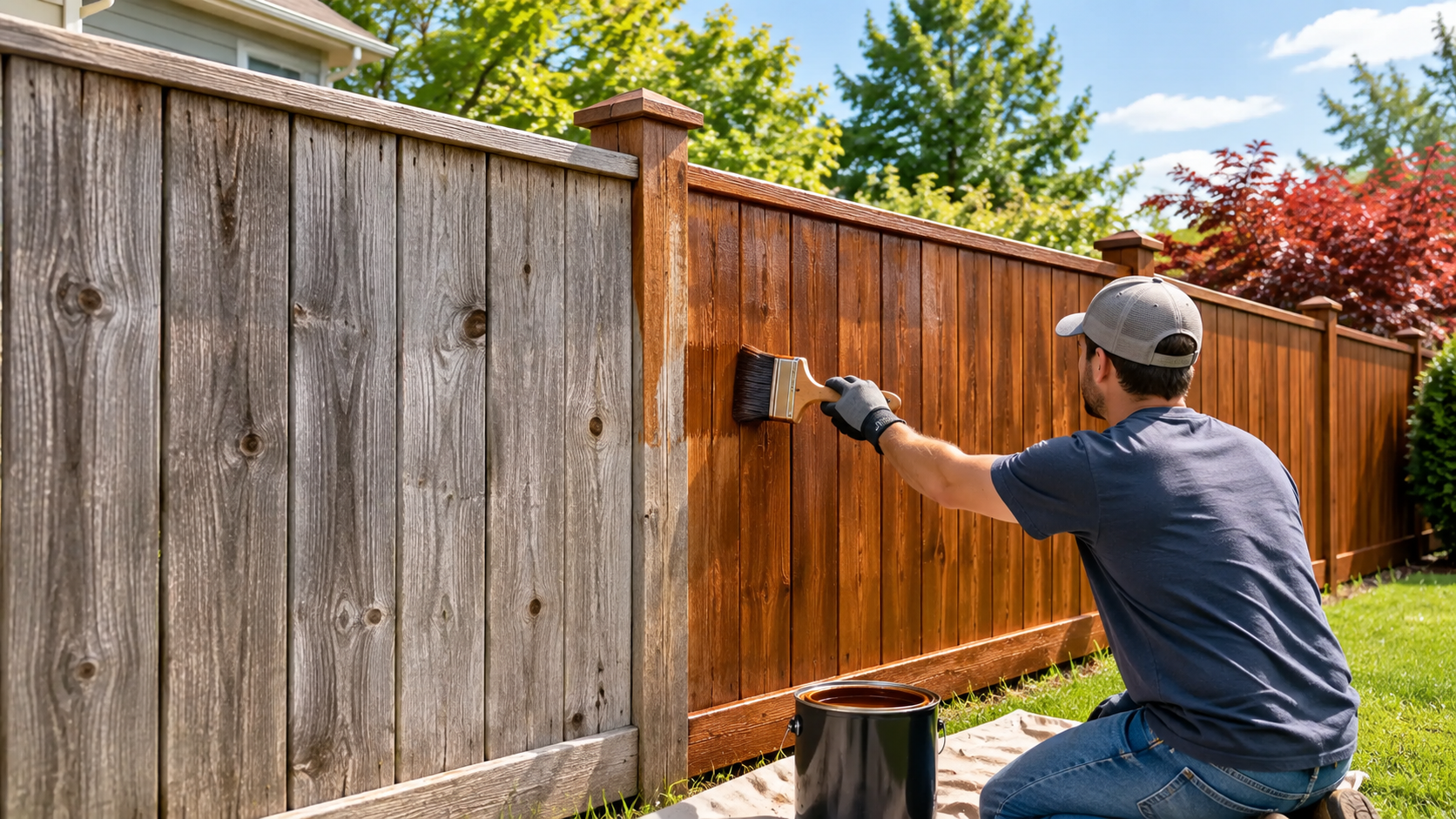
Wood offers a beautiful, classic look initially, but it demands constant upkeep to stay functional and attractive. In our wet, snowy climate, wooden boards quickly absorb moisture, leading to rot, warping, and persistent mold growth. To protect wood, you must commit to pressure washing, staining, or painting every two to three years, which costs valuable time and money.
Vinyl gets rid of all that extra maintenance.
It will never rot, warp, split, or require a drop of paint, remaining perfectly clean with just a quick spray from your garden hose each spring. While the upfront material cost for high-grade PVC is higher than basic pressure-treated pine, it saves you thousands of dollars in maintenance over its lifespan.
For long-term property owners, it represents a much smarter, hassle-free financial decision.
10. Getting an Accurate Quote
Ready to get your job started?
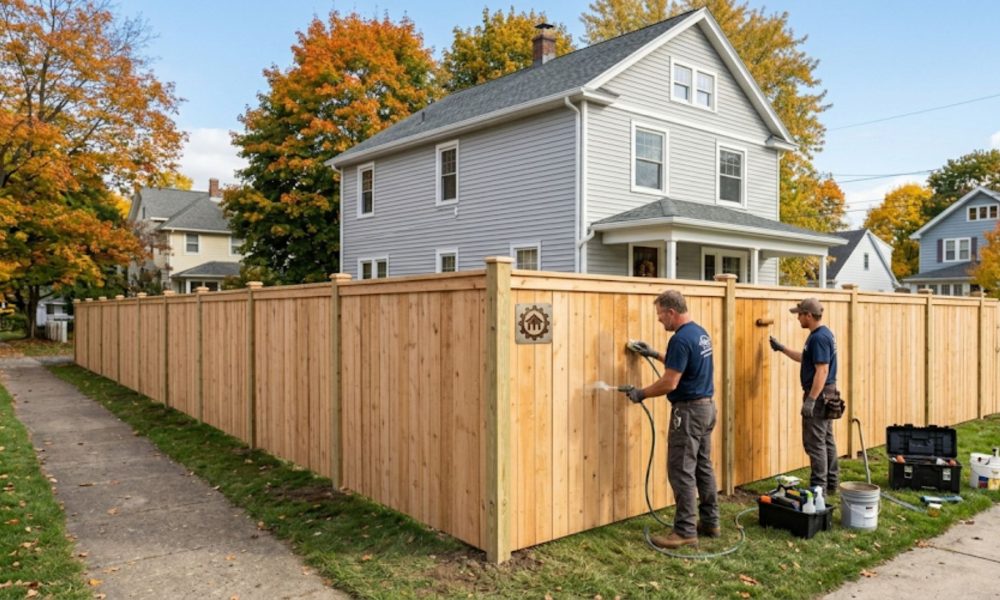
Getting a reliable estimate requires more than just measuring your yard with a basic tape measure. When you contact All Pro Fence Buffalo, our team looks closely at the exact layout, soil composition, slope, and removal needs of your property. We provide clear, transparent pricing so you know exactly what to expect before any work begins.
Hiring the right crew keeps you from dealing with expensive surprises later.
If you are looking for a reliable vinyl fence installation near me, our local crews bring the right machinery, deep regional experience, and proper insurance to get the job done right the first time. We handle the hard digging, local utility markings, and permit processes so you don’t have to stress.
Let All Pro Fence Buffalo help you build a durable, beautiful boundary that protects your family and enhances your property value for decades.
This article serves as a core chapter within our comprehensive resource, The Complete Guide to Vinyl Fencing in Buffalo, NY.
FAQs
How long does a vinyl privacy fence last in Buffalo weather?
High-quality vinyl is designed to last decades. Unlike wood, it will not rot or decay from constant snow, rain, and humidity. It contains specialized UV inhibitors that prevent the material from cracking or becoming brittle under intense sunlight.
Will the strong Western New York winds knock my panels down?
Not if it is installed properly. By digging posts deep below the frost line and anchoring them securely in solid concrete, the structure can withstand heavy storms. Aluminum post inserts are used in high-stress areas for extra stability.
Can I install a 6ft vinyl privacy fence on my property line?
Usually, yes, but local municipal codes dictate the exact setbacks and height allowances. Most towns allow six-foot structures in backyards but require them to be placed slightly inside your official property line. Always verify with a recent survey.
How do I clean and maintain my vinyl panels over the years?
Maintenance is incredibly simple. You never need to paint, stain, or seal the material. Just spray it down once or twice a year with a standard garden hose and mild soap to clear away any surface dirt or dust.
Is a vinyl fence installation near me more expensive than installing wood?
Vinyl has a higher upfront material cost than standard pressure-treated wood. However, because it requires no ongoing spending on stains, paints, or structural repairs, it becomes the more affordable and cost-effective option over its long lifespan.
What happens if my yard has a steep slope or uneven ground?
We handle uneven terrain by using a method called stair-stepping or racking. This allows the panels to follow the natural contours of your land smoothly, keeping the perimeter secure without leaving large, exposed gaps underneath the bottom rail.
How long does the actual on-site installation process typically take?
Most residential projects by All Pro Fence Buffalo are completed within two to four consecutive days. The first phase involves digging and setting the posts securely in concrete, followed by a brief curing period before assembling the interlocking panels and hanging the gates.