If there is one thing we understand at All Pro Fence Buffalo, it is that Western New York weather does not play nice with outdoor home improvements. We deal with intense summer sun bouncing off Lake Erie, autumn windstorms that flatten older structures, and months of heavy, freezing snow load. It is a brutal annual cycle.
When local homeowners ask us about investing their hard-earned money into new property boundaries, their number one question is straightforward: how long does a vinyl fence actually last around here?
The short answer is that a high-quality vinyl setup can easily last 20 to 30 years, and often much longer, even under our toughest local conditions. But that lifespan is not automatic. It depends entirely on how the material interacts with our climate, how deep the posts are anchored in our heavy clay soil, and how well the system is maintained over the winter seasons.
Let’s look at how vinyl performs in real Buffalo backyards, what causes cheap systems to fail prematurely, and how to ensure your property investment goes the distance.
The Real Lifespan of Professional Vinyl Fencing
Vinyl strikes the ideal balance for local properties because it is engineered to handle extreme weather shifts without breaking down. Professional-grade vinyl does not rot, cannot be warped by persistent moisture, and never needs to be scraped, primed, or painted.
Because the material is entirely non-porous, the moisture from our endless winters cannot penetrate the surface or compromise the interior walls.
When you install a professional-grade setup with proper wall thickness, your vinyl fence lifespan easily clears three decades without losing its structural integrity or fading out under the sun. It is a one-time property investment built to outlast decades of lake-effect winters.
How Freeze-Thaw Cycles Affect Vinyl
Buffalo’s most dangerous weather event isn’t a massive blizzard. It is the constant flipping back and forth between freezing and thawing in late autumn and early spring.
Our local soil contains a high amount of clay. When water gets into clay soil and freezes, the ground expands and pushes upward with immense force. When it thaws, the ground sinks. This movement is called frost heave. If your fence posts are not set deep enough, this constant ground shifting will slowly rock the footings loose, causing the panels to lean or warp.
The panel itself naturally expands and contracts slightly as the temperature changes. The secret to long-term vinyl fence durability in Buffalo winters won’t destroy comes down to installation flexibility. Experienced crews know to leave slight gaps inside the rail brackets.
This allows the vinyl panels to breathe, expand, and contract safely without buckling or cracking when the thermometer drops below freezing.
UV Fading and Color Retention Over Time
A common worry among homeowners is that the bright summer sun will turn their clean white fence into an ugly, brittle yellow mess after a few seasons.
Older vinyl products from decades ago used to do exactly that. They broke down under ultraviolet (UV) rays because they lacked the proper chemical protection. Modern, professional vinyl fencing is manufactured with a critical ingredient called titanium dioxide.
Think of this chemical compound as a heavy-duty, permanent sunscreen built directly into the plastic blend.
This additive reflects the harsh UV rays rather than absorbing them. As a result, quality vinyl maintains its color retention and flexibility for decades. It won’t become brittle in the cold or washed out in the summer sun, keeping your property looking sharp year after year.
Signs Your Vinyl Fence is Failing
Vinyl is tough, but it is not completely invincible. Knowing what to look for can help you catch small issues before they require a full tear-out.
The first major warning sign is sagging rails. If the horizontal rails are dipping in the middle, it usually means the interior steel or aluminum reinforcement channels were left out during installation or the snow load pushed it past its limit. Another red flag is loose, wobbling posts.
If you can push a post back and forth with your hand, the concrete footer beneath the dirt has cracked or shifted due to frost heave.
Lastly, look closely for hairline cracks around the gate hinges and latches. Gates take the most abuse from wind and daily use. If the vinyl around the hardware starts to split, the structural integrity is compromised, and the gate will eventually drop.
Impact of Snow Load and Ice on Panels
We all know how heavy Buffalo snow can get. When the snowplow throws a wall of slush against your property line, or when drifting snow piles up four feet high against your backyard, your fence takes a beating.
Cheap, thin vinyl panels bought from big-box home improvement stores will crack under this weight. The cold makes thin plastic brittle, and the immense weight of wet, packed snow simply snaps the interlocking tongues right out of the grooves. Professional-grade panels feature thicker outer walls and heavy-duty internal ribs designed specifically to distribute weight evenly.
Ice buildup is another factor. When freezing rain coats the panels, it adds hundreds of pounds of extra weight to the entire system. A properly anchored vinyl post backed by concrete can handle this downward pressure without bowing or breaking.
Maintenance Habits That Extend Lifespan
The biggest selling point of this material itself is that it requires very little work. “Low maintenance,” however, does not mean “zero maintenance.”
Every spring, you should give your panels a thorough wash. Because our climate is wet, green mold, mildew, and algae can grow on the shaded sides of the panels. You do not need a pressure washer for this; in fact, hitting cold vinyl with high pressure can sometimes cause damage.
A standard garden hose, a bucket of warm water mixed with dish soap, and a soft-bristle brush will melt the green grime away easily; just avoid using harsh bleach, especially on darker or wood-grain panels, as it can strip the protective UV inhibitors and cause permanent spotting.
Additionally, take five minutes twice a year to check your gates. Lubricate the hinges with a silicone-based spray and tighten any loose screws. If a gate doesn’t latch cleanly, it will slam violently during our high autumn windstorms, which is the leading cause of broken vinyl gate frames.
Why Quality of Vinyl Grade Matters
Not all plastic is created equal. When researching vinyl fencing, you will find massive price differences between professional suppliers and retail hardware stores, and there is a structural reason for it.
Retail stores often sell low-grade, co-extruded vinyl that uses cheap, recycled plastics mixed with regrind on the inside and a thin layer of virgin plastic on the outside. This recycled core often contains impurities that make the fence highly susceptible to cracking during extreme winter freezes.
Professional-grade vinyl uses 100% virgin vinyl extrusions throughout the entire piece. It is significantly thicker, uses higher concentrations of UV inhibitors, and contains impact modifiers, ingredients that keep the plastic flexible rather than brittle when temperatures drop below zero.
Investing in a higher grade upfront is the single best way to ensure your boundary line survives the decades.
Cost per Year of Ownership
To judge the true value of a material, you have to look past the upfront installation price and calculate the long-term cost per year.
Let’s look at the numbers for a standard 150-foot residential backyard line:
| Expense / Feature | Professional Wood Setup | Professional Vinyl Setup |
| Initial Installation Cost | Moderate | Higher |
| Staining / Sealing | $800 – $1,200 (Every 3 Years) | $0 |
| Board Repairs & Rot Fixes | Common after Year 6 | Rare |
| Expected Lifespan (Buffalo) | ~12–15 Years | 30+ Years |
| Total Lifetime Investment | High (Due to constant upkeep) | Low (One-time cost) |
When you divide the initial price of vinyl by its 30-year lifespan, the actual cost per year of ownership is incredibly low. You pay a bit more on day one, but you never spend another dime on paint, stain, or rotted post replacements. For local property owners who plan on staying in their homes for the long haul, vinyl delivers the best financial return on investment.
Building a boundary line that lasts in Western New York comes down to utilizing heavy-duty materials and setting them deep enough to beat the winter frost.
If you want to make sure your property is protected by an installation that handles our weather without breaking a sweat, the team at All Pro Fence Buffalo is always here to help get the job done right.
For a complete deep dive into material options, style selections, and permitting rules across Western New York, check out [The Complete Guide to Vinyl Fencing in Buffalo, NY].
FAQs
Will Buffalo winter winds blow down a vinyl fence?
Not if the posts are properly anchored. While cheap vinyl can snap, high-quality panels are designed to flex slightly under heavy wind loads. As long as the posts are set deep in solid concrete, the system will easily withstand standard local windstorms.
Can I use a pressure washer to clean my vinyl panels?
It is usually unnecessary and can be risky. High-pressure streams can drive water into the interlocking seams or mark the vinyl surface. A standard garden hose, mild dish soap, and a soft scrub brush are all you need to remove dirt safely.
How deep do fence posts need to be buried in Buffalo?
Posts must be buried at least 36 to 42 inches deep. This depth ensures the concrete footing sits well below the local frost line. If you dig shallower than that, winter frost heave will slowly push the posts right out of the ground.
What happens if a snowplow hits my vinyl fence?
Direct impact from heavy machinery will crack vinyl just like it breaks wood or bends aluminum. Fortunately, you do not need to replace the entire fence line. A contractor can typically remove the broken panels and slide new replacement parts into the existing posts.
Does vinyl fencing require any winter preparation?
The most important step is ensuring your yard gates are fully latched and secure before the high winds arrive. You should also avoid piling heavy mounds of packed, wet snow directly against the panels when shoveling or clearing out your driveway.
Why is my vinyl fence turning green, and is it permanent?
The green tint is simply surface algae or mold caused by our damp climate and shade. It cannot penetrate the non-porous surface of the vinyl. It washes off completely with warm water, soap, and a little bit of scrubbing.
Is white vinyl the only color option that lasts?
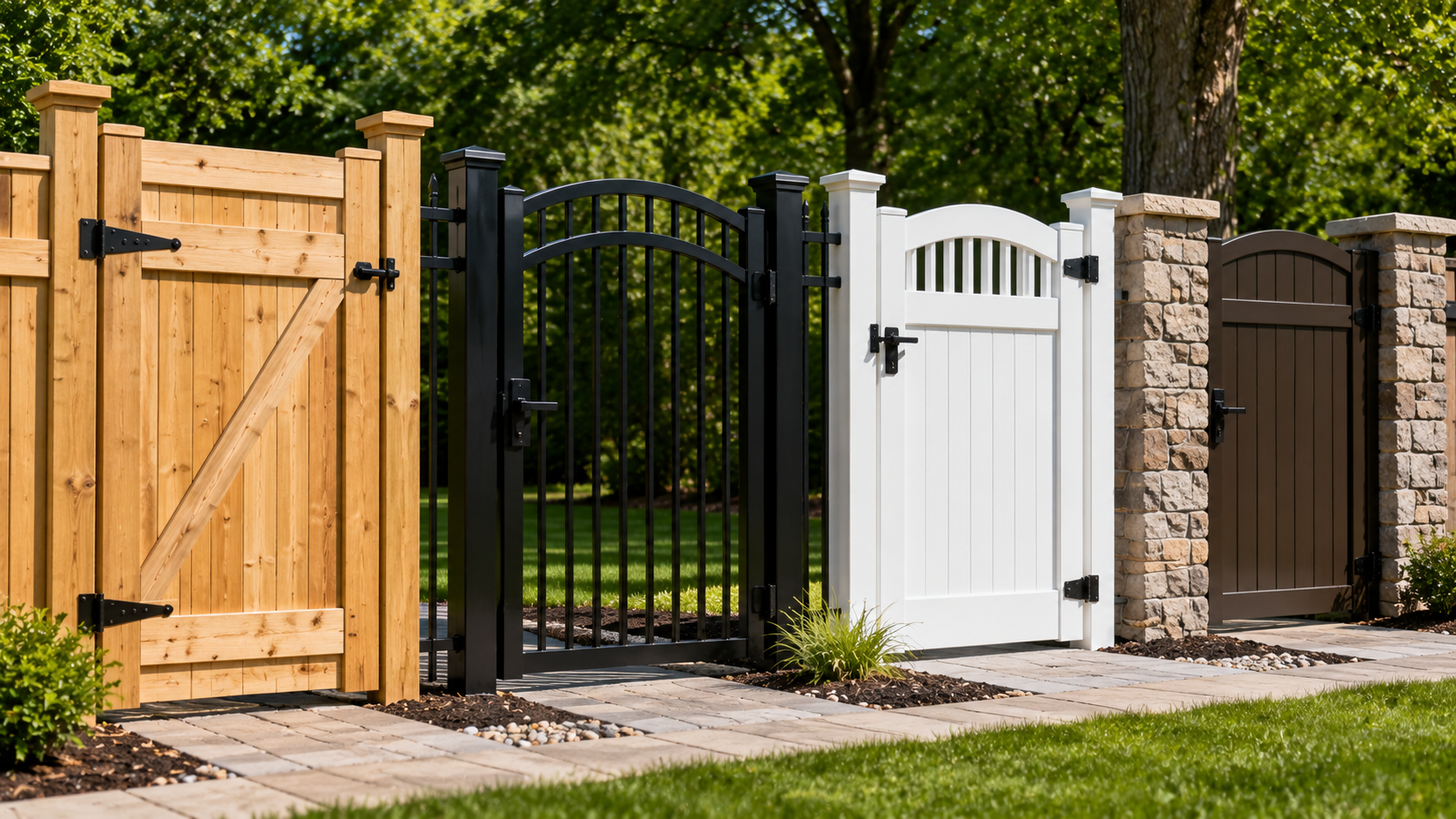
Modern manufacturing has changed things completely. You can now choose tan, gray, or realistic wood-grain textures. Thanks to advanced UV inhibitors, these darker colors retain their shades beautifully without fading or chalking under the summer sun.