Every spring around Erie County, the frost finally leaves the ground, and my phone starts ringing off the hook with the same story.
A homeowner hired a guy with a truck and a post-hole digger who promised a cheap backyard barrier, only for the first heavy autumn wind off Lake Erie to leave the whole thing leaning at a forty-five-degree angle.
Fencing in Western New York isn’t like fencing down south. Between our brutal lake-effect snowstorms, high winds, and clay-heavy soils that shift constantly during the spring thaw, a fence here takes a beating. If you are shopping around for fence companies in Buffalo to secure your yard, you cannot afford to guess.
This guide walks you through how to vet the best fence services homeowners can actually trust!
How to Verify a Fence Company’s License, Insurance, and Local Proof
Your absolute first move to protect your property is making sure the guy giving you a quote actually has the legal paperwork to back up his business.
We see fly-by-night operations pop up every single May, undercutting legitimate businesses because they do not carry the proper overhead. If a worker gets hurt on your property or cuts a buried gas line, and that contractor lacks coverage, that liability lands right on your homeowner’s insurance policy.
Do not just take a salesman’s word for it. Ask for a certificate of insurance (COI) sent directly from their insurance agency to your email. You want to see two specific things: general liability to cover property damage and workers’ compensation to cover crew injuries.
Next, look at licensing. Buffalo and its surrounding suburbs, like Amherst, Cheektowaga, and Orchard Park, all have their own specific home improvement contractor licensing requirements.
A reputable Buffalo fence business should easily provide its city or town license numbers. Finally, demand local proof. Ask for the addresses of projects they completed three or four years ago, not last week. Go drive by them.
See how those gates hang after three Buffalo winters. That is your real proof of quality.
Average Project Timelines and What to Expect During Installation
Here’s a reality check: a rock-solid fence installation doesn’t happen in a single afternoon, no matter what a fast-talking handyman promises. A proper build is a multi-step process that hinges entirely on concrete cure times.
Here is what a realistic timeline looks like for an average residential lot:
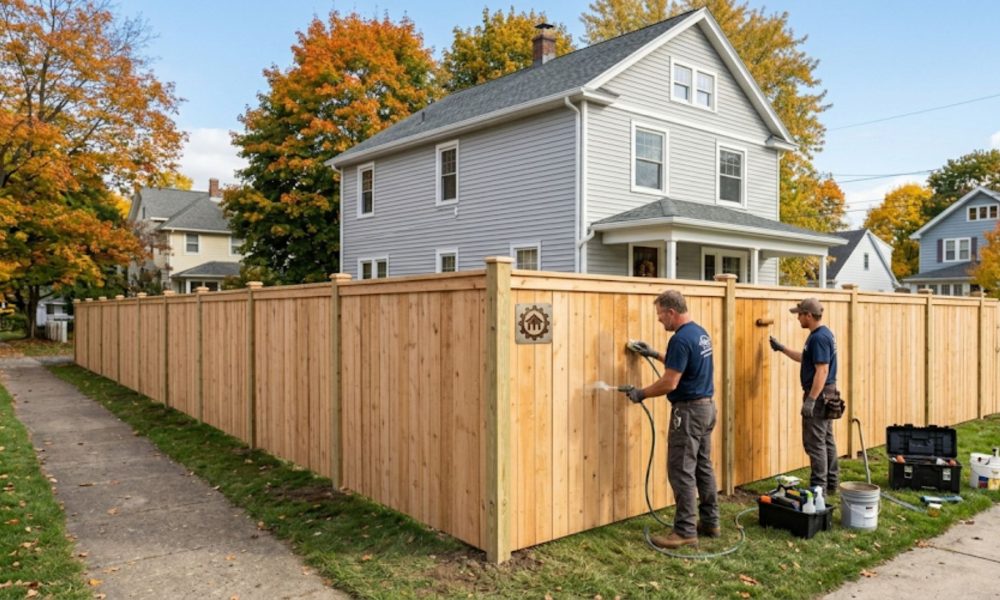
- Day 1: Layout and Post Setting. The crew stakes out the property lines, marks utility clear zones, digs the post holes, and sets the structural posts in concrete.
- Days 2-3: The Cure Window. No work should happen here. That concrete needs time to set up completely to handle the tension of the panels.
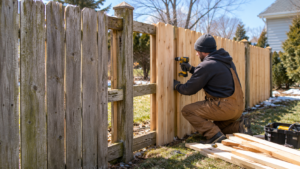
- Days 4-5: Framing and Infill. This is when the rails go up, the pickets or vinyl panels are secured, and the gates are built and swung.
Around here, the weather calls the shots. If we get a classic June downpour, digging in wet clay becomes a muddy mess that ruins your turf, and pouring concrete into a hole filled with water dilutes the mix, ruining its strength.
A professional crew will communicate these delays honestly rather than rushing through and giving you weak footings.
Key Questions to Ask Before Signing a Contract With a Fence Contractor
Before you sign any contract or hand over a deposit, you need to clear up the gray areas where bad contractors love to hide.
Who is responsible for marking underground utilities?” A professional company will always coordinate with URECA / Dig Safely New York before a single post hole is dug. If they tell you to handle it, or claim they “know where the lines are,” look elsewhere.
“Is the dirt removal included in the total price?” Digging dozens of holes creates literal tons of displaced gray clay. A transparent estimate explicitly states whether they haul that dirt away or leave it in piles on your lawn.
“Do you use sub-contractors or your own employee crews?” You want a dedicated team that answers directly to the company owner, handles local Western New York weather conditions daily, and is fully covered by the company’s workers’ comp policy.
Tools, Equipment, and Techniques Used by Professional Fence Crews
The difference between a DIY project and a professional install comes down to the machinery and structural techniques used. Amateurs usually show up with handheld manual post-hole diggers. They get tired after three holes, meaning your fourth and fifth posts are probably shallow.
Professional crews utilize hydraulic, machine-mounted augers that chew through heavy clay, roots, and rocks to ensure every single hole reaches the proper depth. They also use commercial-grade transit levels to ensure the top of the fence follows a clean, visually appealing line across your property, whether it is stepping down a slope or running perfectly level.
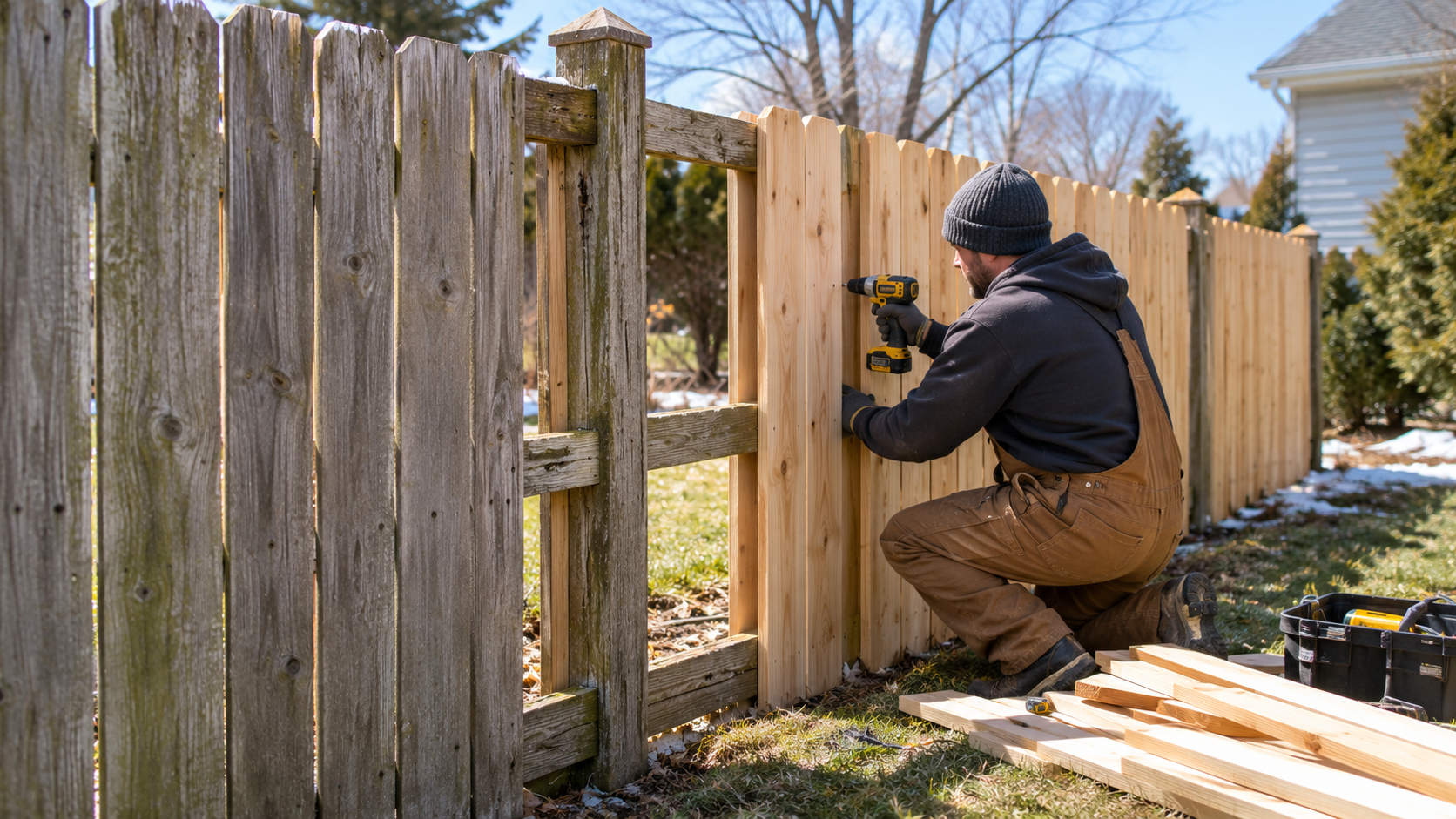
For wood fences, look at how they fasten the materials. Cheap builders use staples or electro-galvanized nails that rust within a year, leaving ugly black streaks bleeding down your white cedar pickets. Professionals rely on ring-shank stainless steel or hot-dipped galvanized nails that lock into the wood grain and resist corrosion for decades.
How Service Area and Local Experience Affect Project Quality
In my twenty years of doing field work around Western New York, I have learned that knowing the dirt matters just as much as knowing the lumber. Every town around Buffalo has its own quirks.
For instance, if you live near Grand Island or Hamburg, you are dealing with distinct wind loads coming right off the water. A contractor from two hours away might not realize they need to use heavy-duty posts or tighter post spacing to keep a vinyl privacy fence from acting like a massive sail and blowing over during a November gale.
Then you’ve got local building codes, which are a total minefield around Erie County. Some villages allow six-foot privacy fences right up to the front property line; others strictly limit anything past the front corner of your house to four feet, requiring open ornamental spindles.
Hiring a local fence service like All Pro Fence Buffalo means you are paying for their established relationships with local building inspectors and their deep understanding of local zoning boards. That experience saves you from the nightmare of paying to install a fence, only to pay again to tear it down because it violates a town setback rule.
Cost Breakdown: Labor, Materials, Permits, and Hidden Fees
Let’s talk numbers straight up. A legitimate estimate should show you exactly where every dollar goes, itemized clearly.
Watch out for hidden fees. Some companies hide their disposal costs in the fine print, or they charge an extra fee if they hit tough digging conditions like buried concrete blocks from an old patio.
Ensure your contract explicitly states whether dirt removal is included. When we dig thirty or forty deep holes, it creates a massive pile of displaced soil. You do not want to be left with a dozen piles of gray clay scattered across your lawn after the crew packs up and leaves.
Comparing Workmanship Warranties and Material Guarantees
Do not confuse a material warranty with a workmanship warranty. This is a classic trap that leaves homeowners holding the bag.
A manufacturer might offer a lifetime warranty on their vinyl panels against fading or cracking, but if that panel warps because the installer set the post completely crooked, the manufacturer will laugh you out of the room. That is an installation issue, not a material defect.
You want a company that stands behind its labor. A one-year workmanship warranty is the bare minimum, but look for companies that offer extended structural guarantees.
At All Pro Fence, we know that if a fence survives its first two Buffalo freeze-and-thaw cycles without shifting or lifting, it was set correctly. If a contractor hesitates to give you a written warranty on their physical labor, they do not have faith in their own installation methods.
Choosing the Right Fence Material for Buffalo Weather and Property Needs
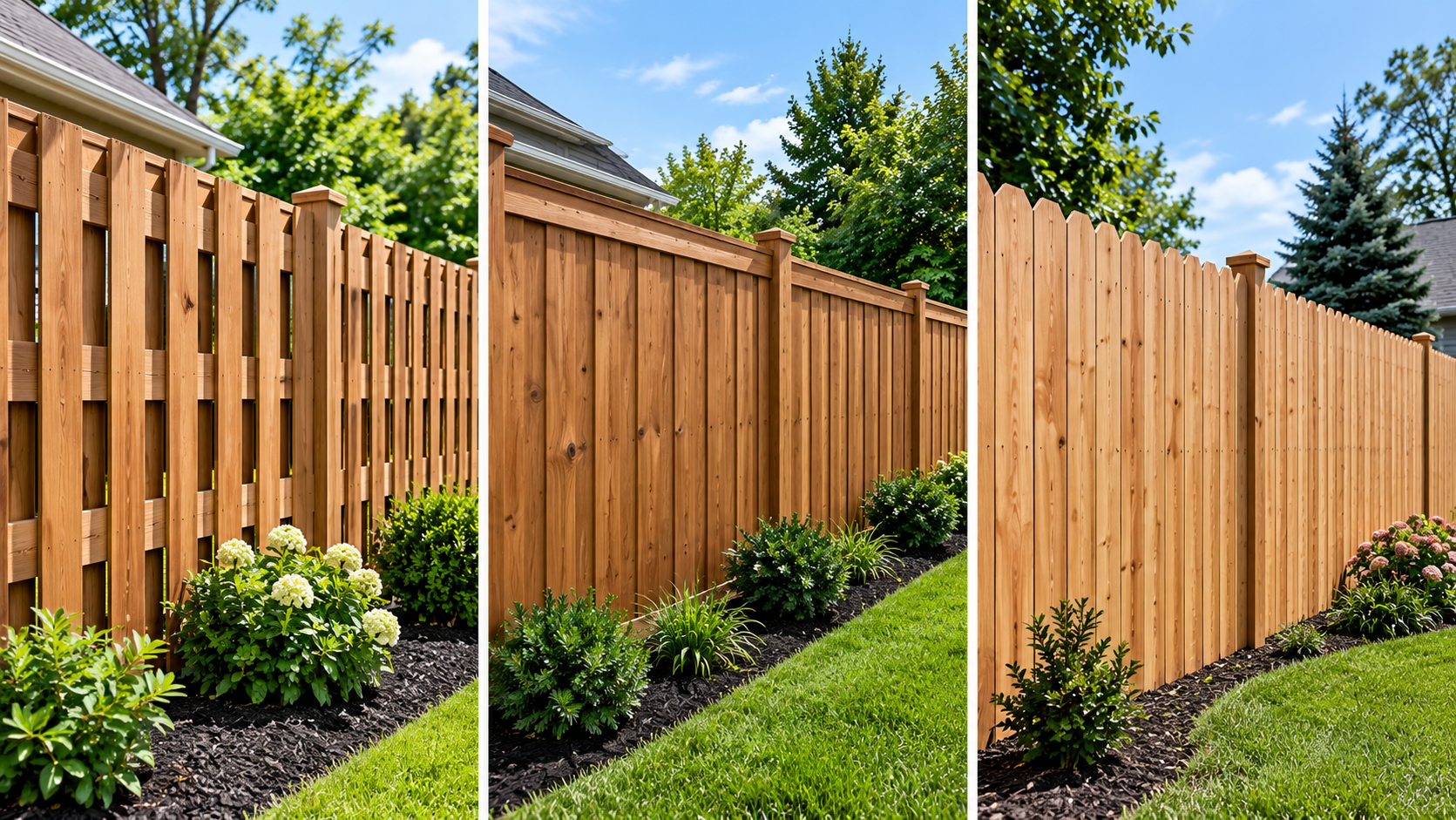
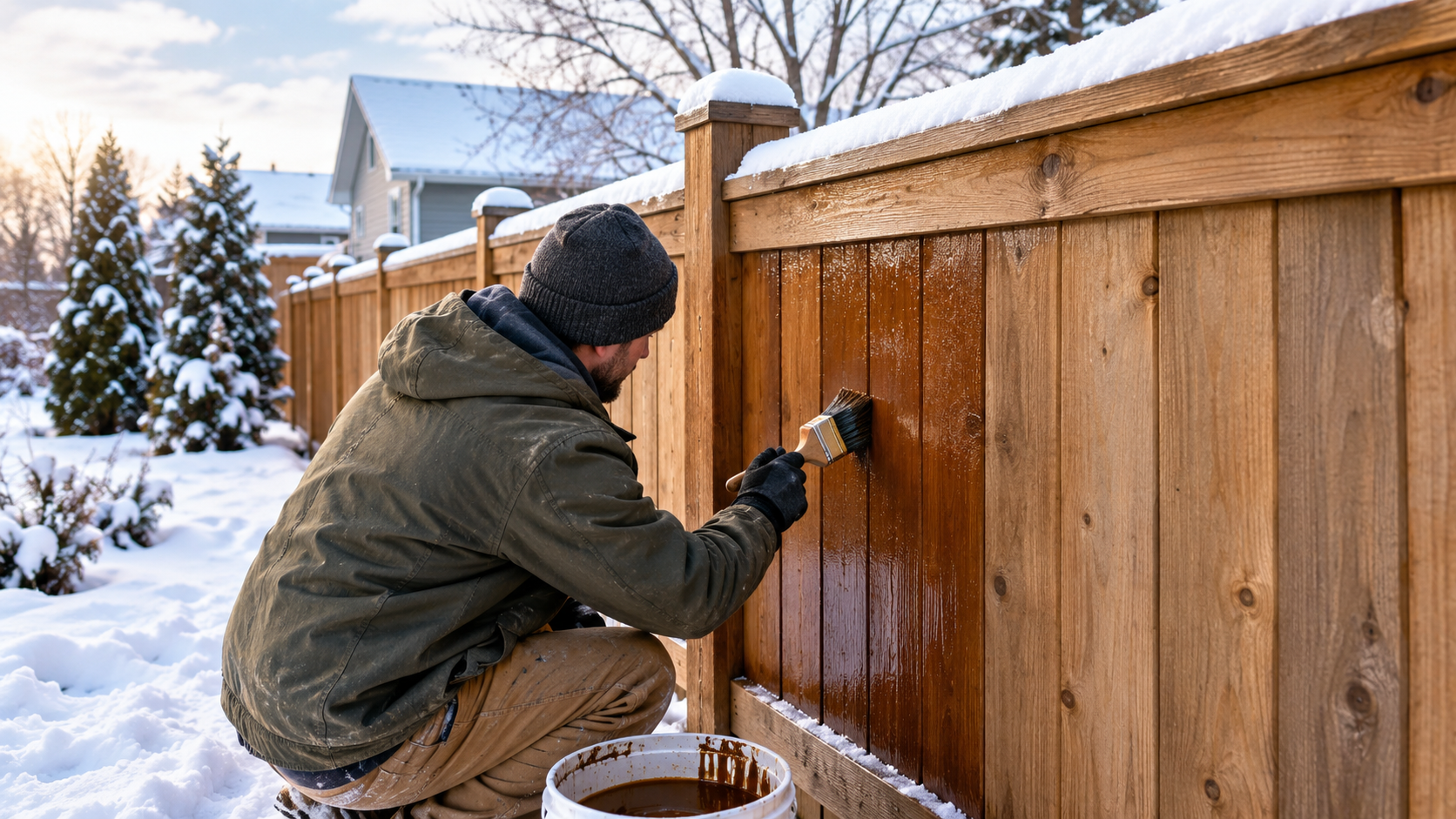
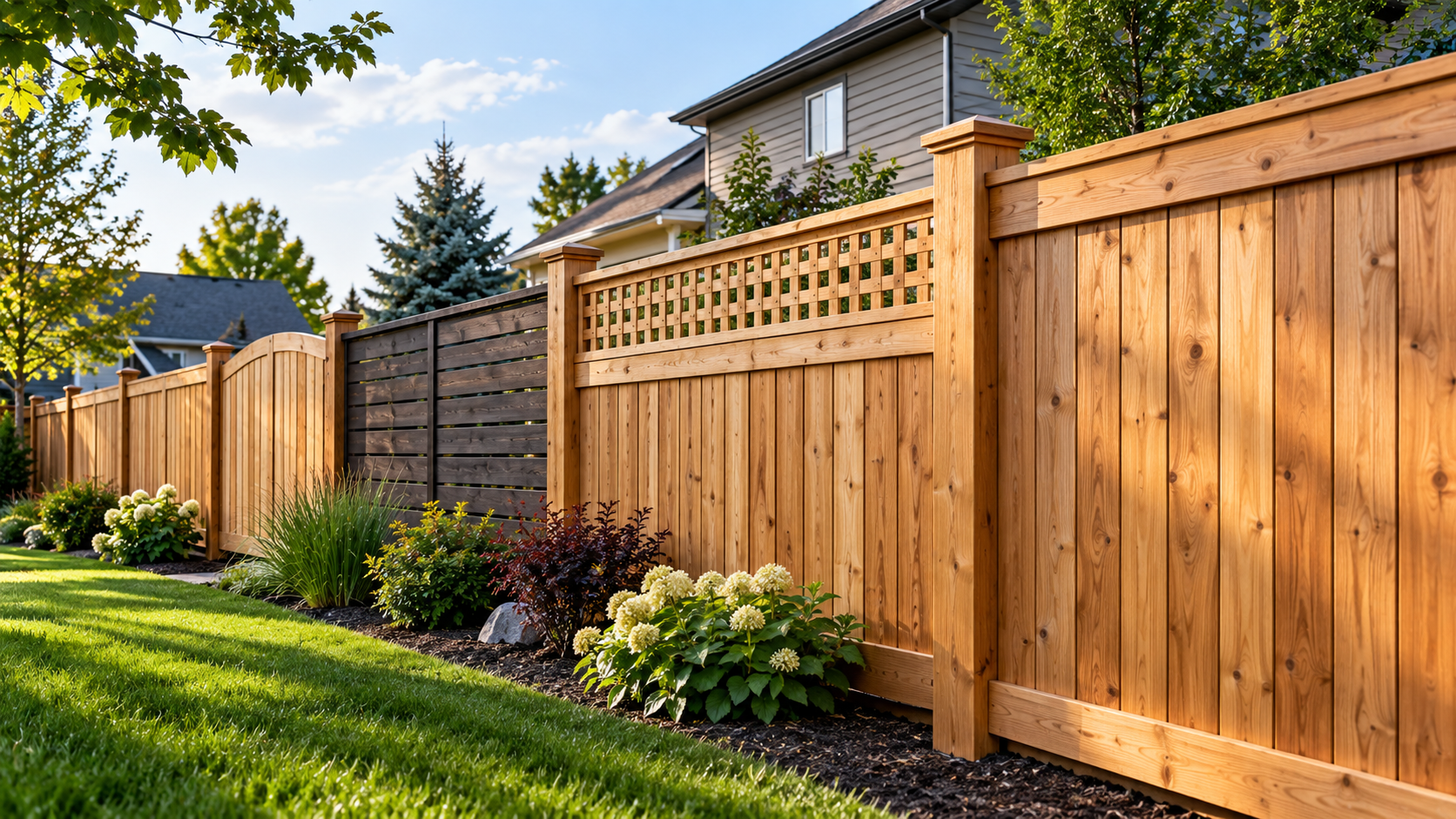
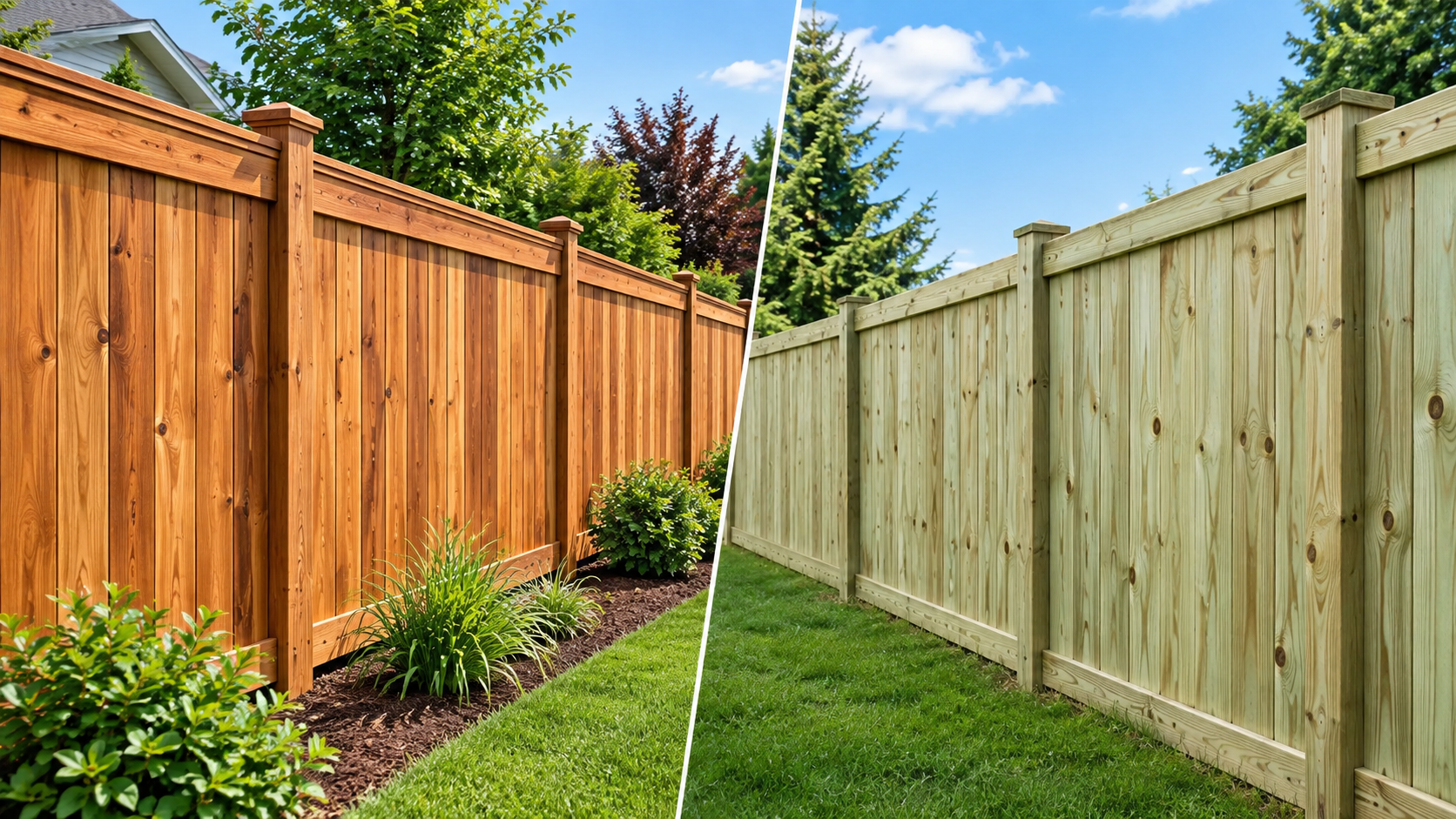
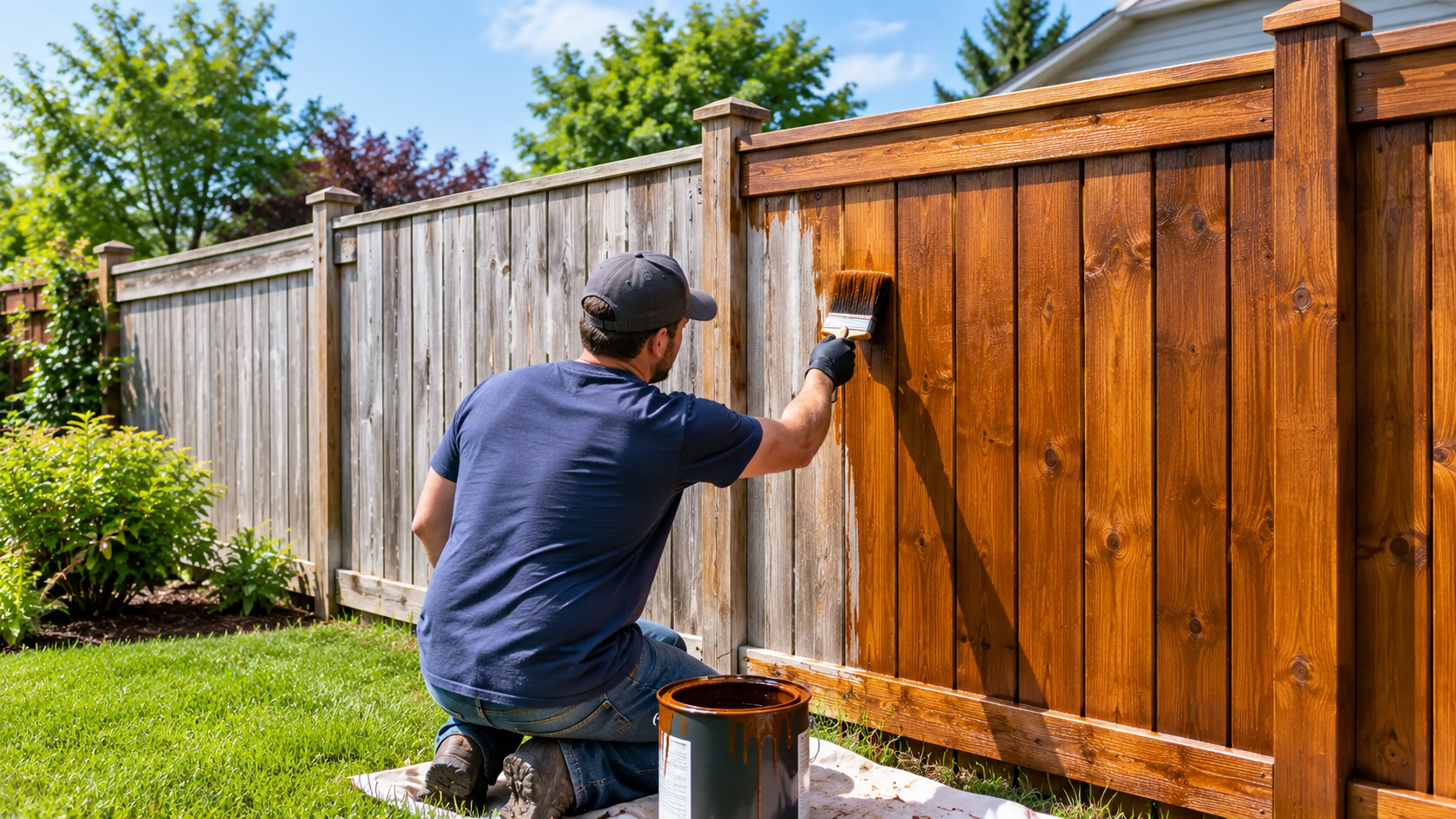
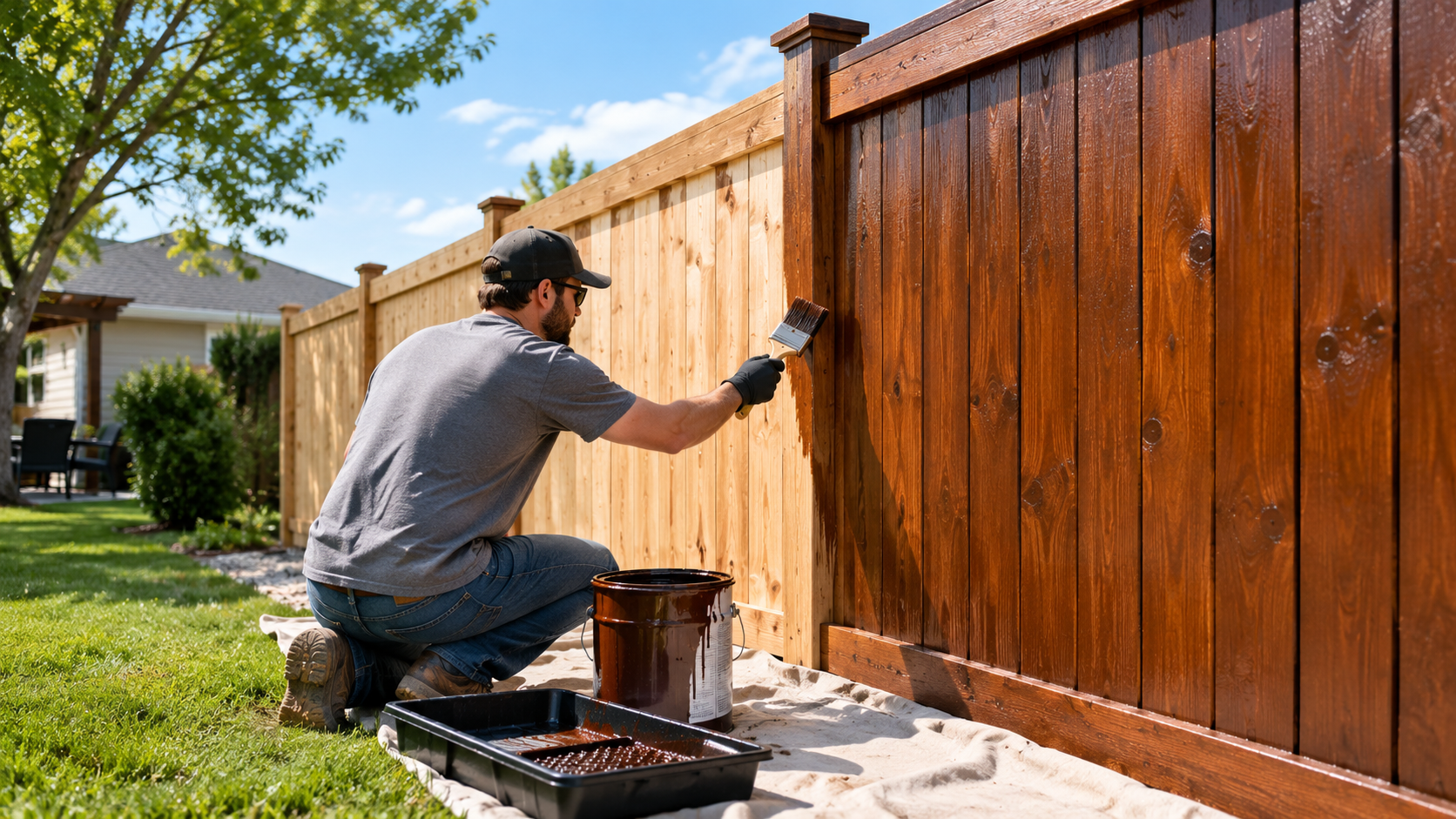
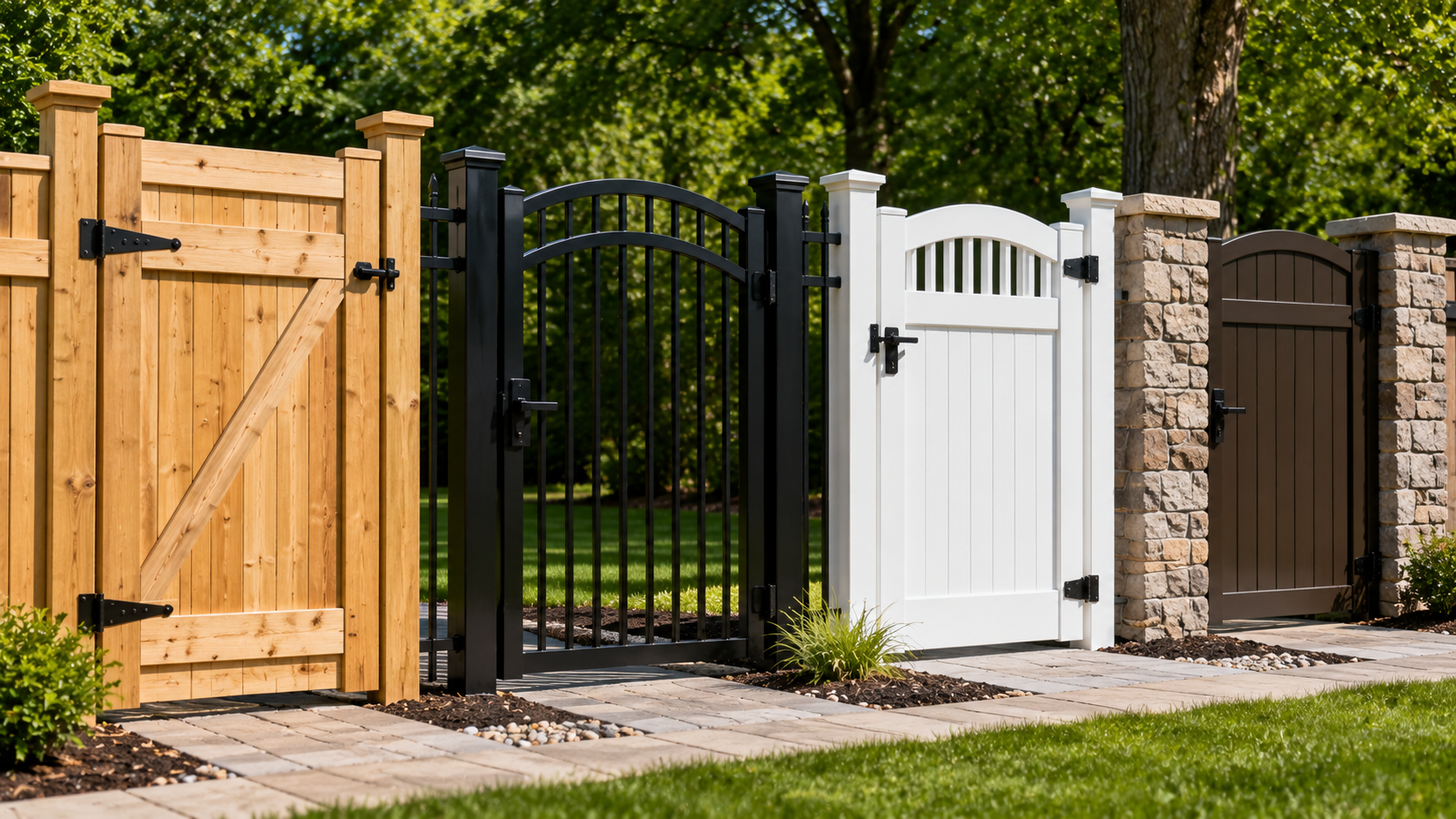
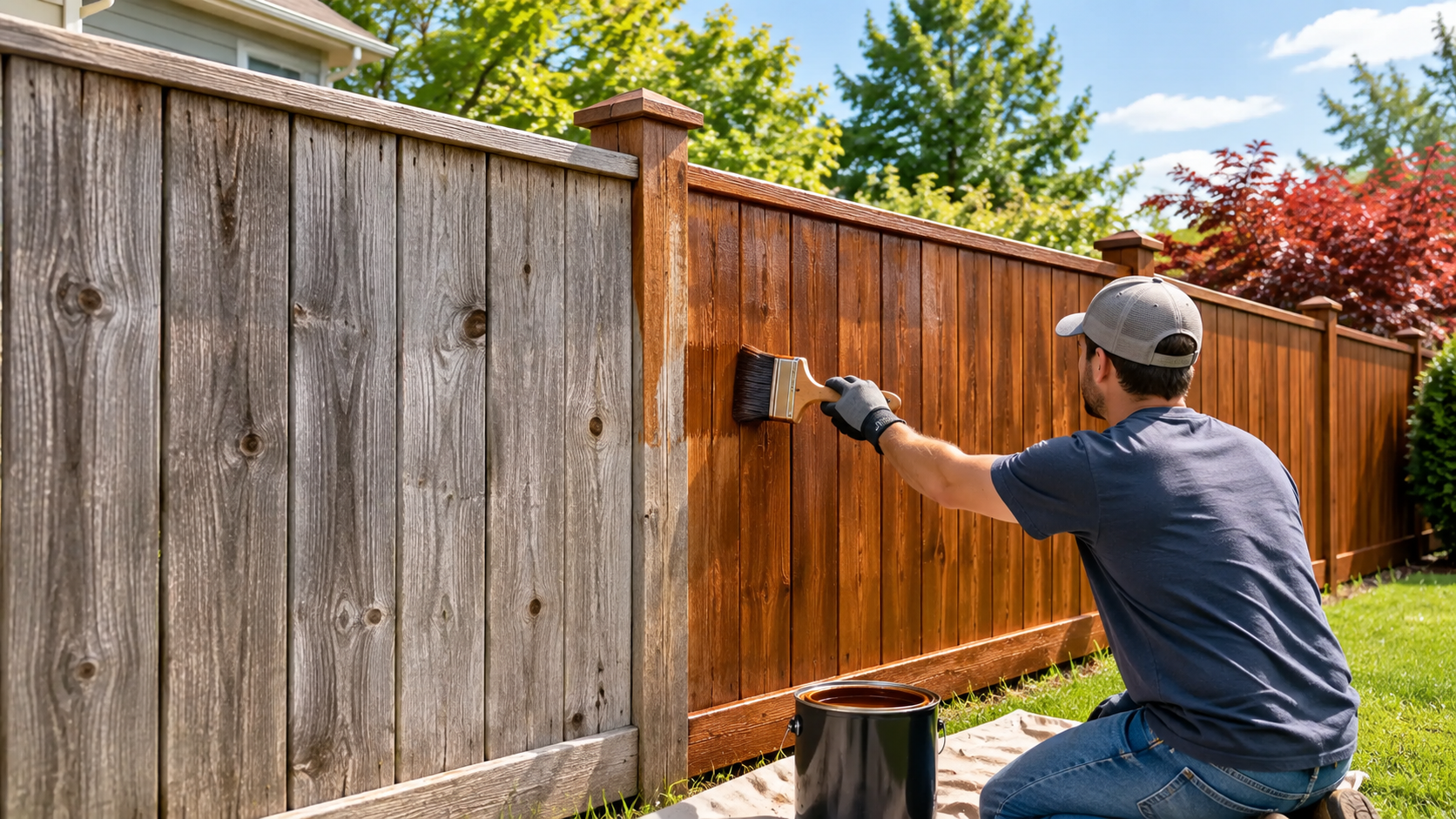
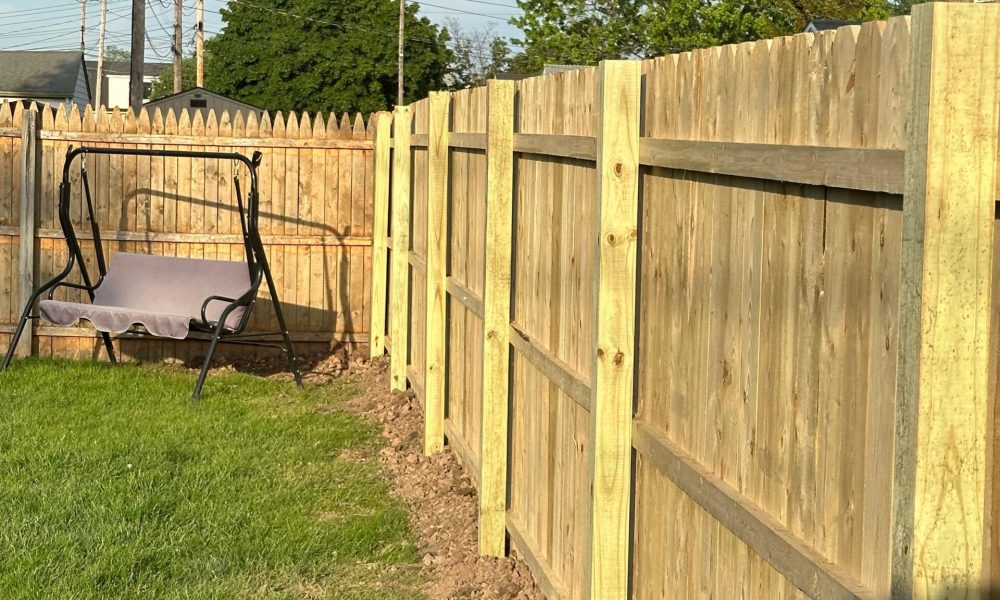
If you pick the wrong material for Western New York weather, you’re basically throwing your money down a post hole. Wood offers classic beauty, but it requires regular maintenance. If you choose wood, opt for Northern White Cedar or Western Red Cedar.
They contain natural oils that resist rot and insect damage, making them much better suited for our wet springs than cheap pressure-treated pine, which twists and warps wildly as it dries out.
Vinyl is an incredibly popular choice for families looking for zero maintenance.
It handles snow loads beautifully and only needs a quick power wash in the spring to look brand new. However, cheap vinyl gets brittle when temperatures drop below zero, making it easy to crack with a rogue snowblower or a stray rock thrown by a lawnmower.
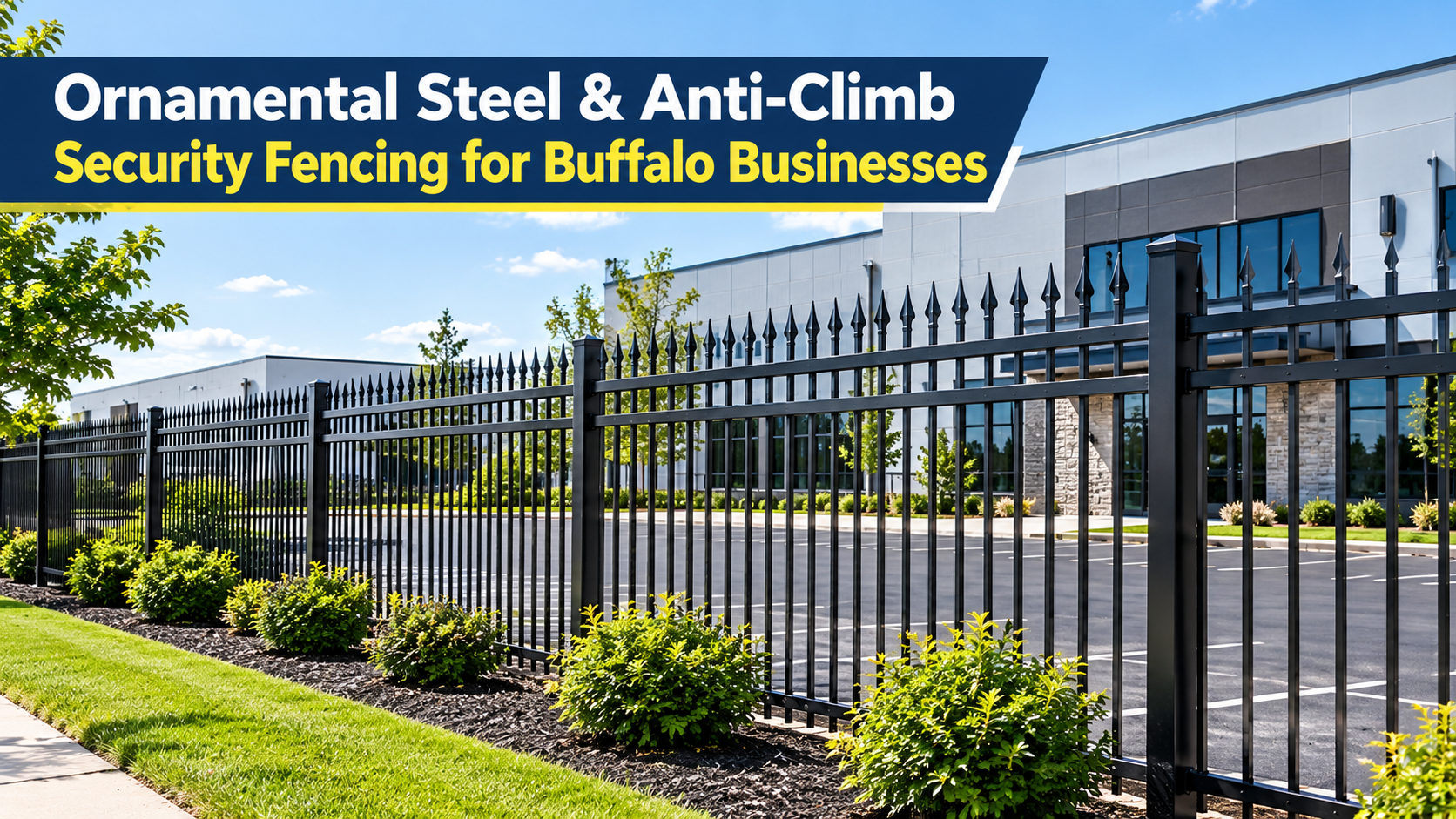
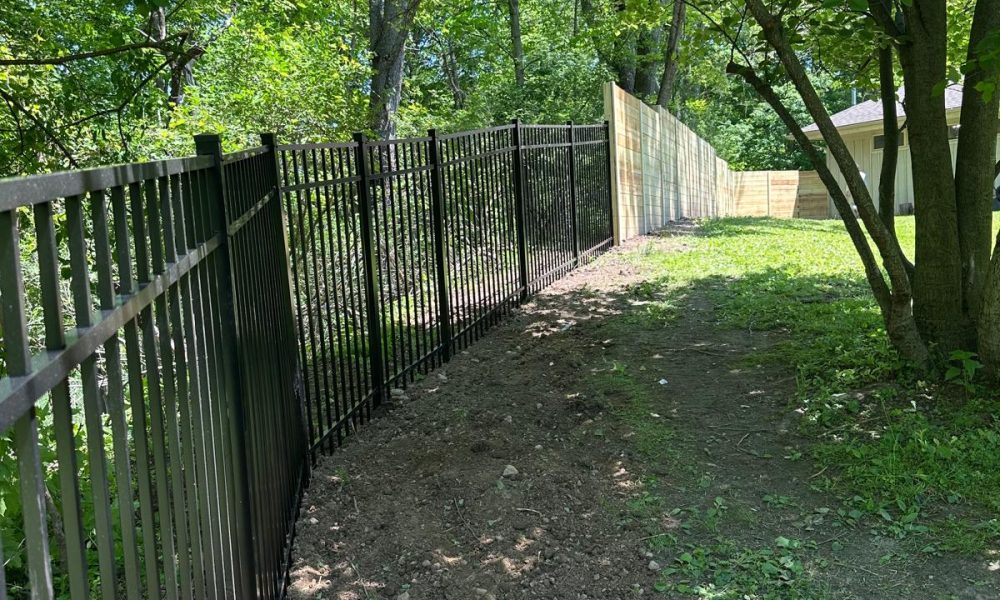
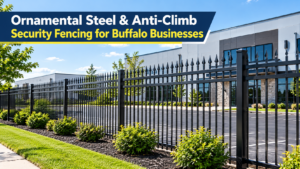
Aluminum is your best bet for properties with heavy slopes or those looking for a clean, classic look around a pool. It won’t rust from road salt or melting snow, and it provides high security without blocking those beautiful summer afternoon breezes.
FAQs
Do you handle the town building permits, or is that on me?
We handle the paperwork and pull the permits for you. Every municipality around Buffalo, from Amherst to Orchard Park, has different setback and height rules. We make sure your new fence is 100% code-compliant before we ever start digging.
How deep do you set the fence posts to survive Buffalo winters?
We dig our post holes at least 36 inches deep, well below the local Western New York frost line. This deep anchoring stops severe winter freeze-and-thaw cycles from grabbing the concrete footings and violently pushing your fence out of alignment.
What happens if your auger hits a massive rock or old concrete footing?
Our crews carry heavy-duty demolition equipment to break through unexpected underground obstructions. We don’t drop the project or surprise you with hidden fees; we communicate immediately if any minor labor adjustments are required to clear the hole properly.
Do I need to get my property officially surveyed before you start?
While not always legally required by every town, we strongly recommend a recent property survey. It is the only foolproof way to guarantee your fence sits safely on your property line and avoids costly boundary disputes with your neighbors.
How does your crew handle installations on sloped yards?
We use two professional methods: “stepping” the panels like stairs to handle sharp drops, or “racking” the rails so they smoothly follow the natural contour of your lawn. We will determine the best visual approach during your site assessment.
Will your heavy machinery completely destroy my lawn?
Our compact hydraulic augers are specifically designed to minimize turf damage. While some dirt displacement right around the post holes is completely unavoidable, our team works clean, protects your landscaping, and restores the job site before pulling away.
What is the difference between your warranty and the material warranty?
The manufacturer’s warranty covers material defects like vinyl fading. Our workmanship warranty covers the actual physical installation; ensuring your posts stay straight and gates swing perfectly. If a contractor won’t guarantee their labor in writing, walk away.
Whether you’re replacing an aging wood fence, installing a new vinyl privacy fence, or comparing estimates from local contractors, the team at All-Pro Fence Buffalo is happy to answer your questions. Contact us for a detailed estimate and see why homeowners across Buffalo trust us for fence installations built to handle Western New York weather.