Every spring, around here in Buffalo, our phones start ringing for the same reason.
Homeowners step out into their backyards after a long winter, look at their leaning, weathered boundary lines, and realize the old barrier just isn’t doing its job anymore.
Maybe the dog is eyeing a gap under the bottom rail, or maybe the new neighbors built a two-story deck that looks right into your patio.
Choosing to invest in a residential fence installation isn’t just about marking property lines; it’s about reclaiming your peace of mind. But for most folks, the process brings up a lot of uncertainty.
You’re trying to balance what looks good with what actually keeps your kids and pets safe, all while worrying about making an expensive mistake or hiring someone who cuts corners.
At All Pro Fence Buffalo, we believe the best way to avoid those anxieties is to understand exactly what goes into a professional build before the first post hole is dug.
Choosing the Best Fence Type for Privacy, Security, and Curb Appeal
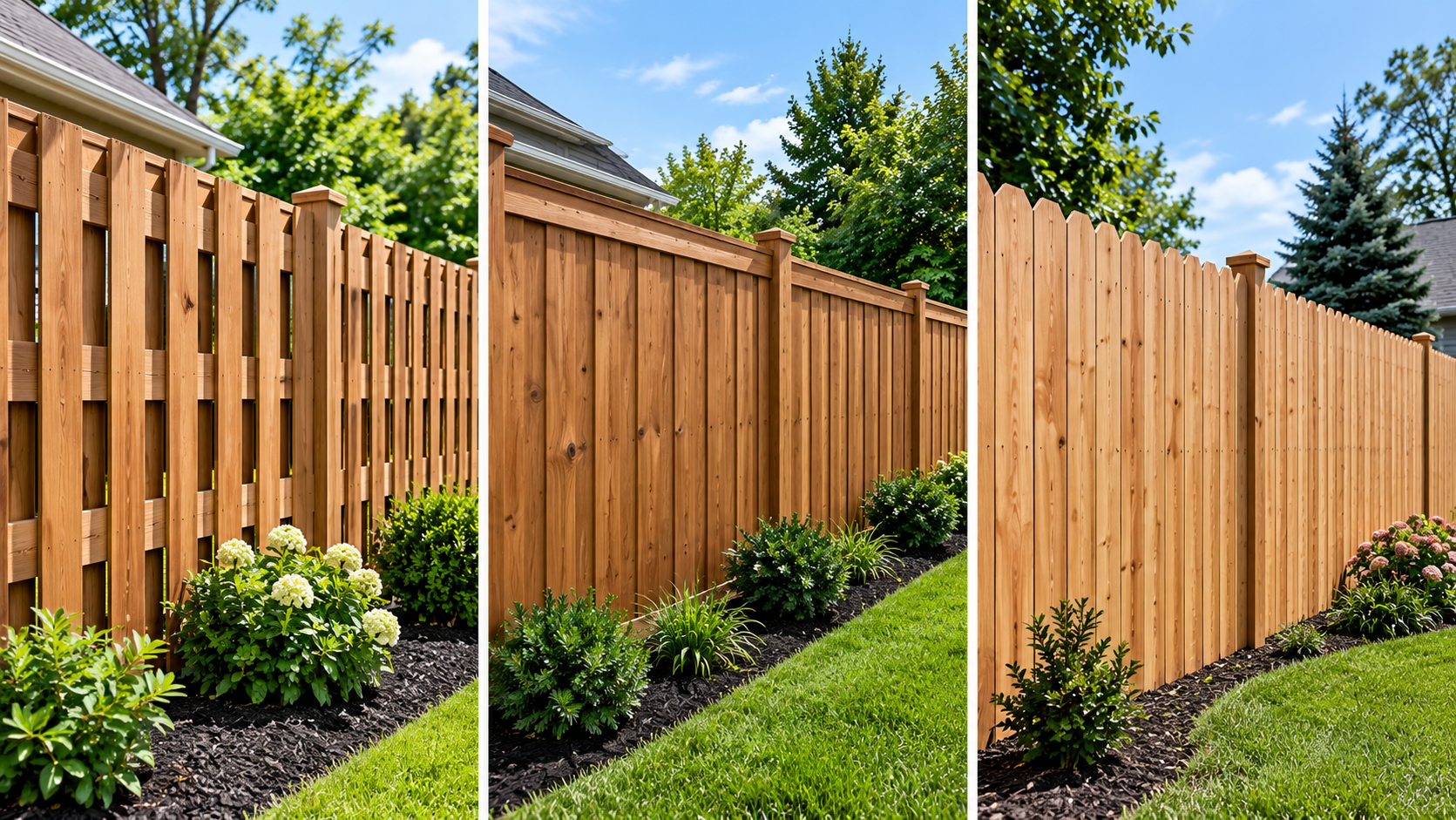
Before you fall in love with a specific style online, you need to pinpoint what you actually want the barrier to accomplish. If your main goal is blocking the view from a busy street, a solid privacy design is your best bet.
If you’re more concerned with keeping a large dog contained while maintaining your view of the local landscape, a secure spaced-picket or ornamental style makes more sense.
Curb appeal is where many homeowners get stuck. They worry that a solid wall will look too imposing or unfriendly from the street.
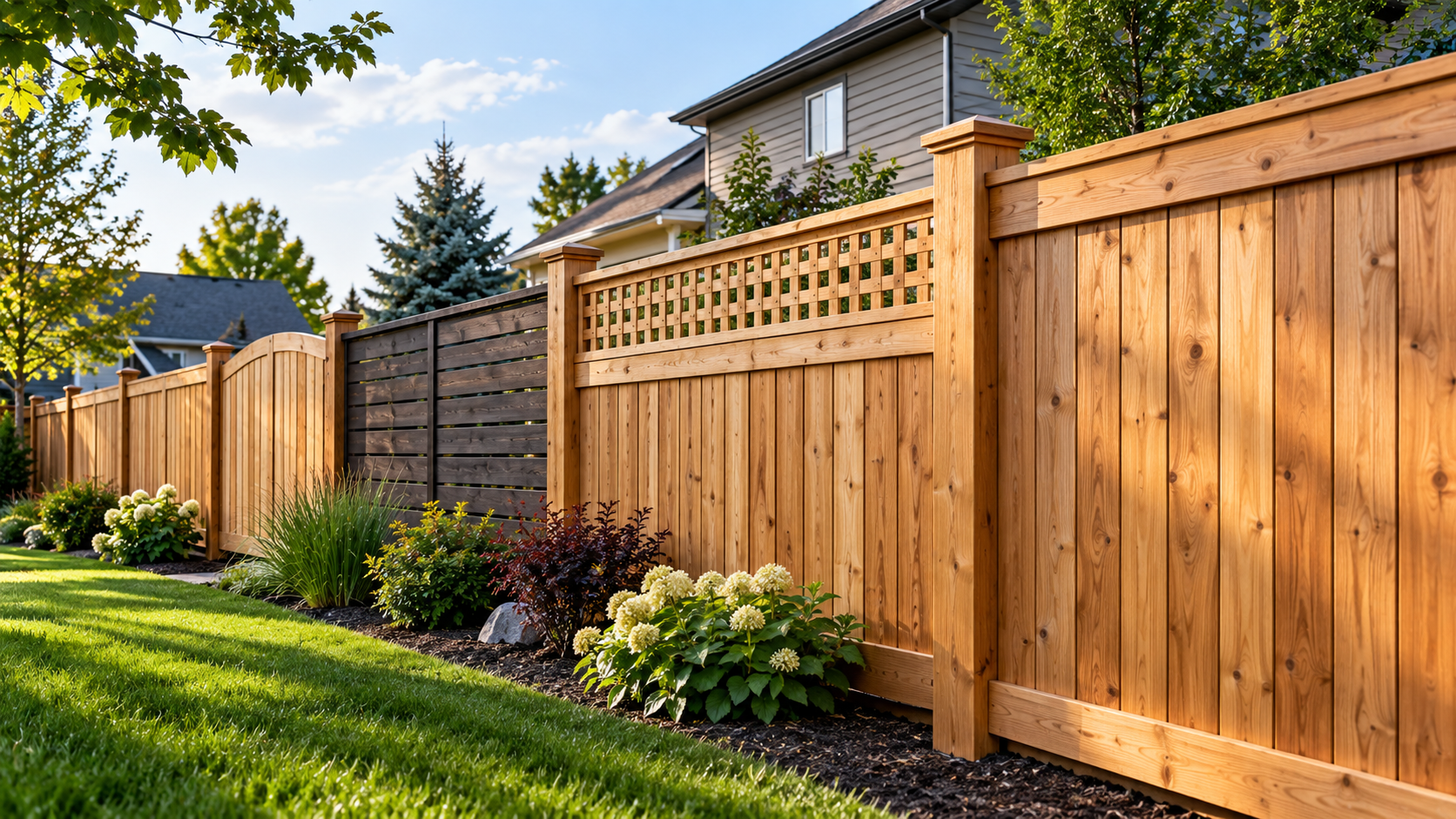
Here’s the trick: you don’t have to use the same style for the whole property. You can install a high, solid structure along the back property line for maximum privacy, and transition to a lower, open-style backyard fencing option along the sides or front to keep the property feeling open and welcoming. It’s all about matching the design to the specific vulnerability of each zone.
Popular Residential Fencing Materials and Their Lifespan
The material you choose dictates how much time and money you’ll spend on upkeep over the next twenty years. Let’s look at the realities of the most common choices we install in our area.
Treated Wood
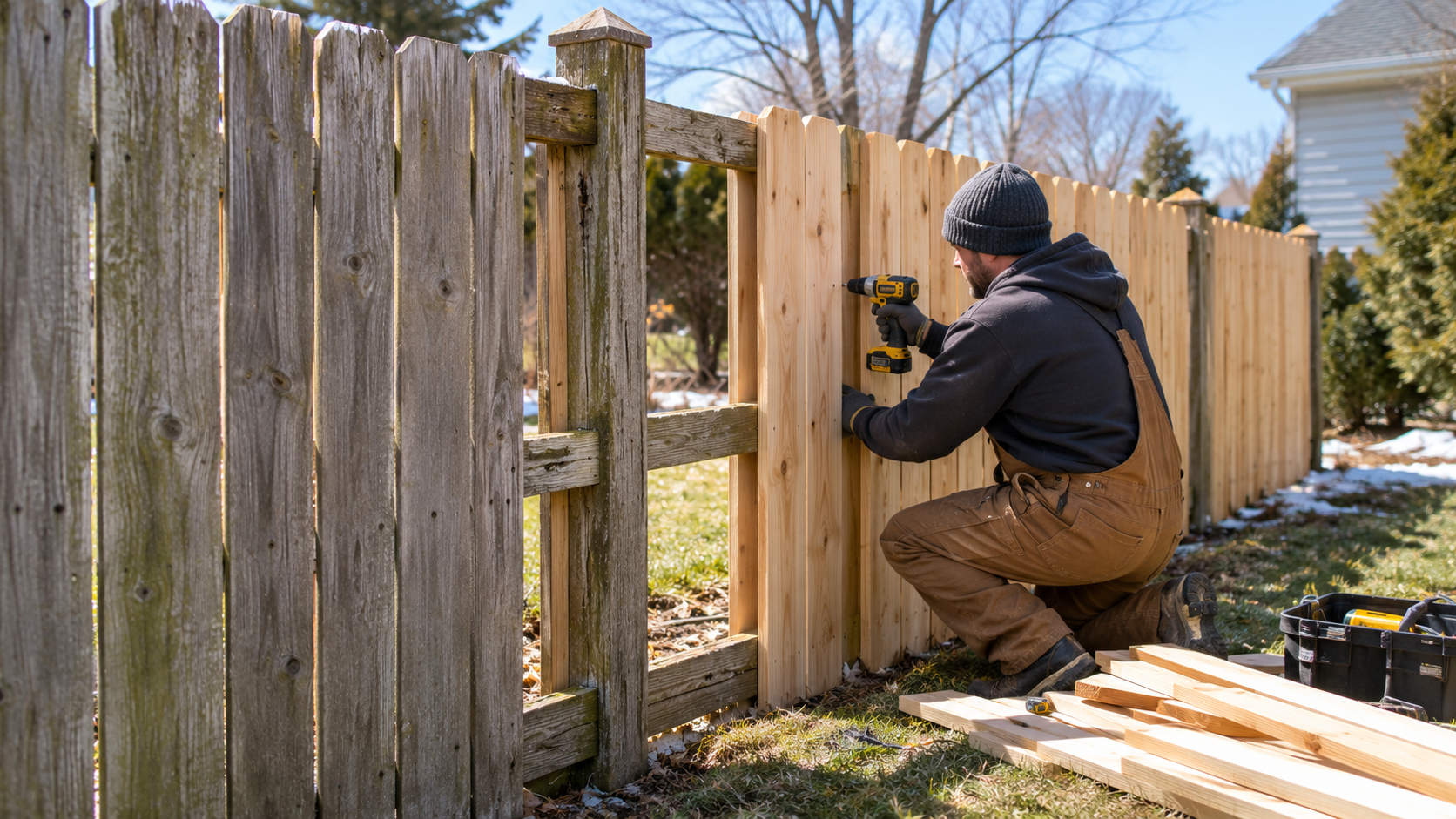
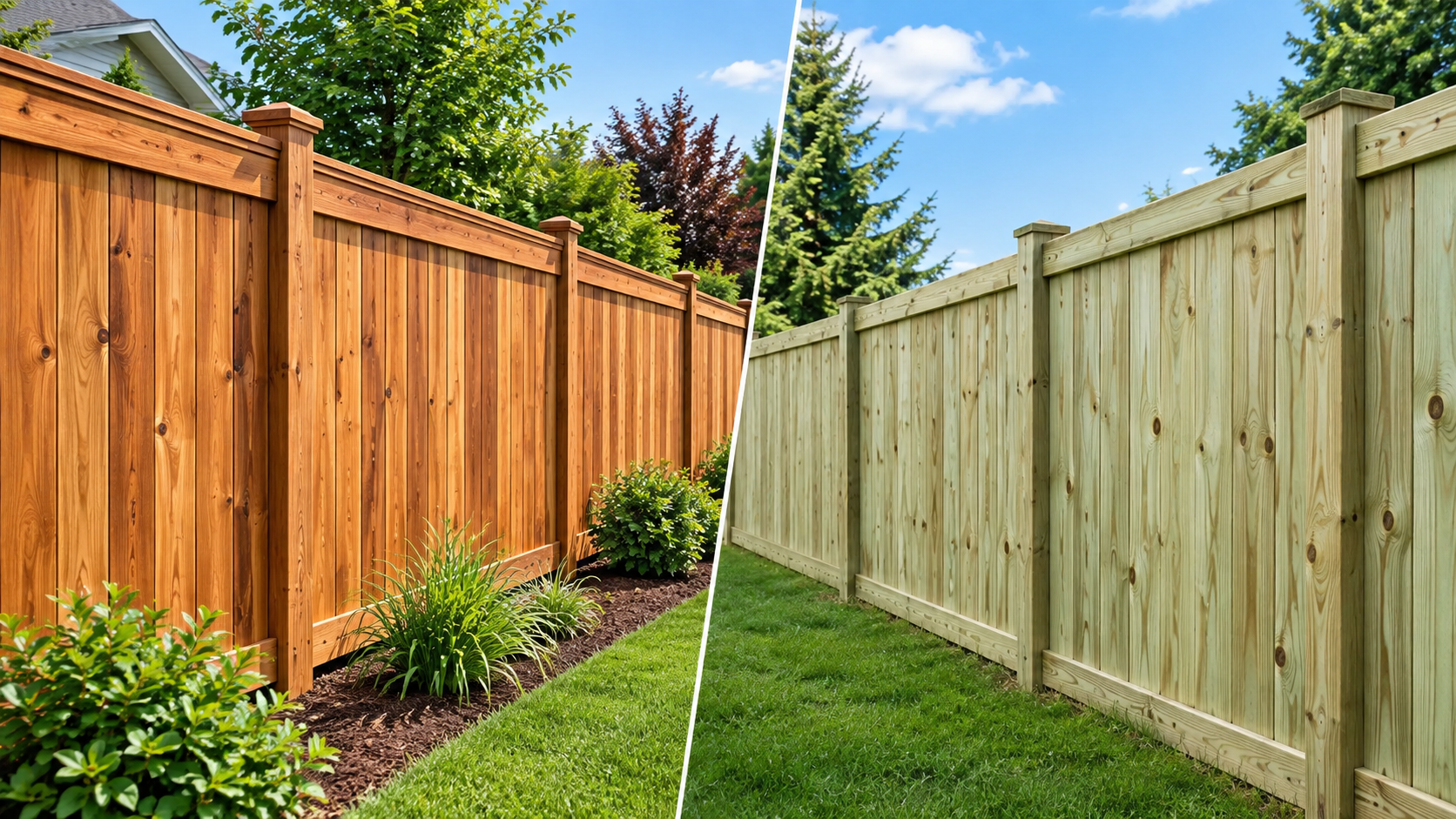
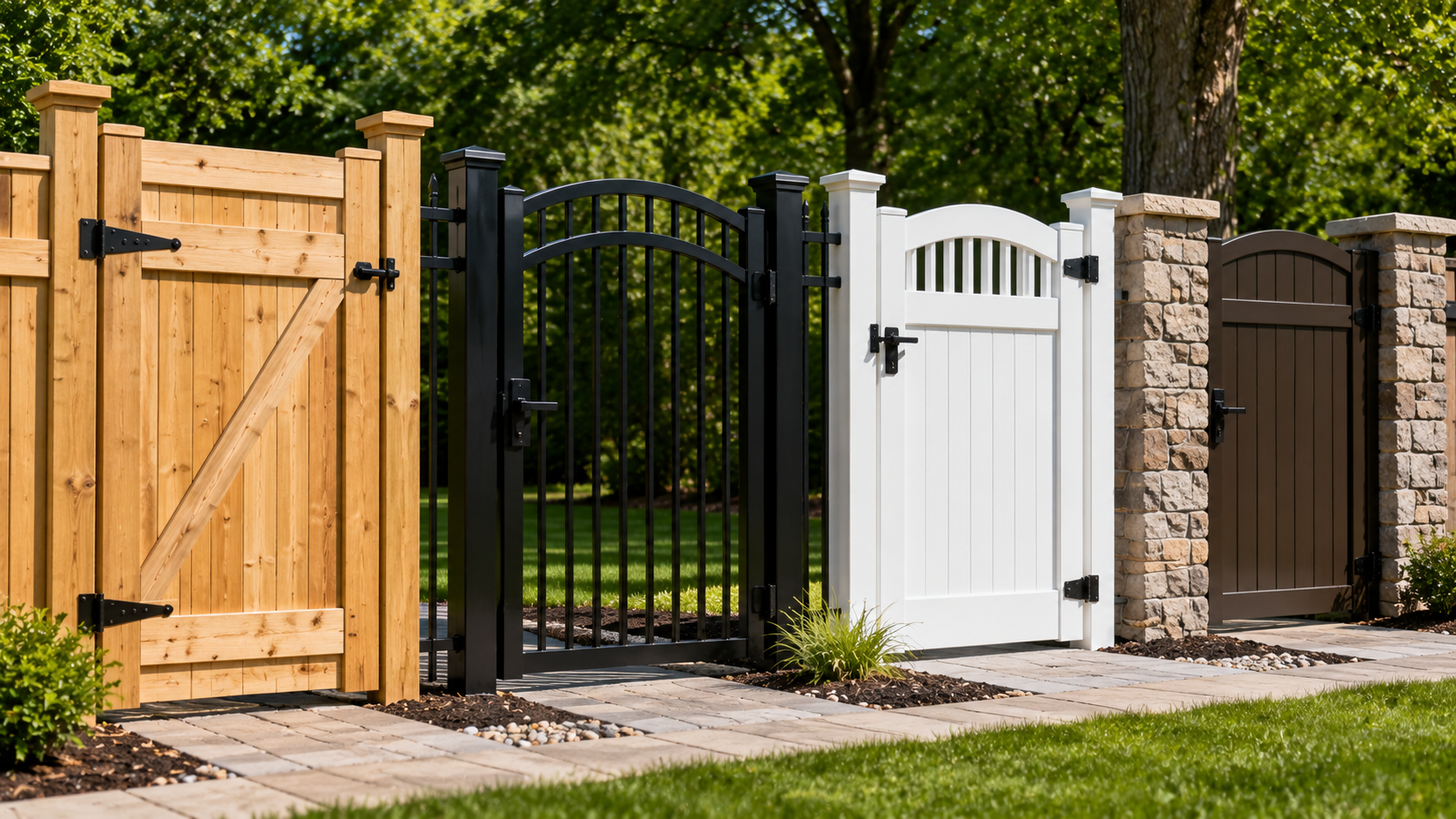
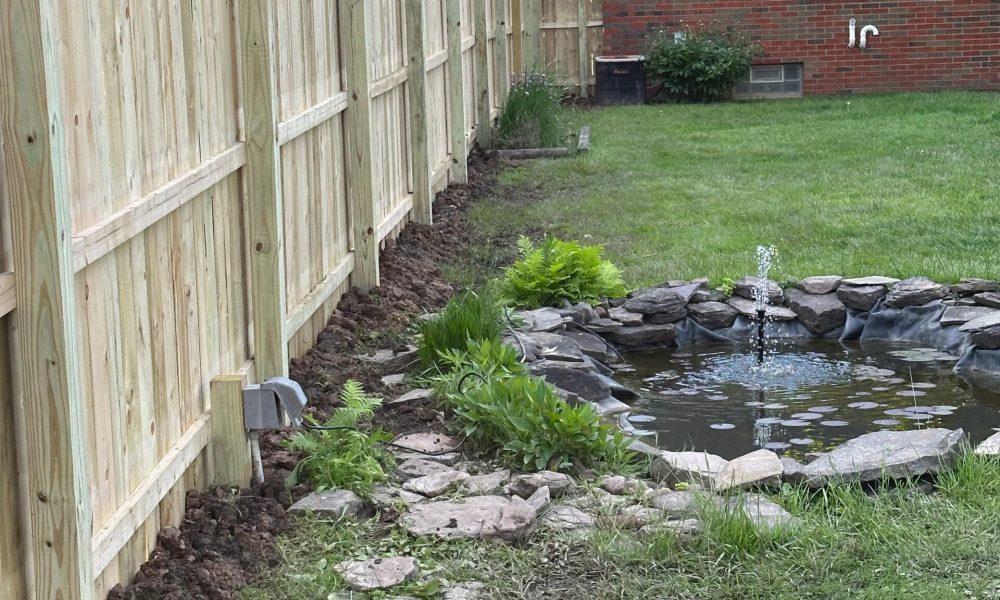
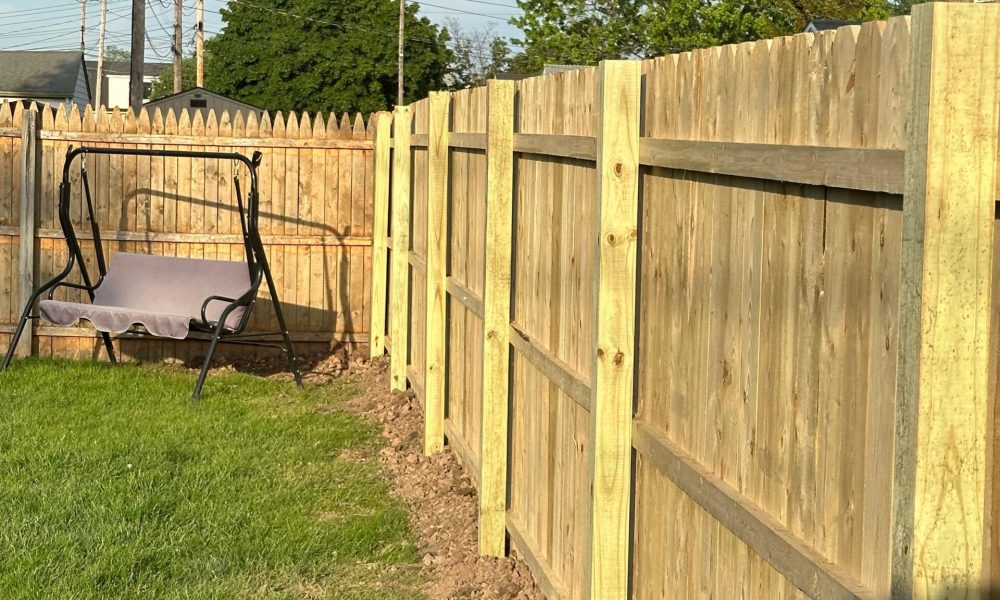
A classic wood fence installation remains a top choice for its natural warmth and initial affordability. If you use pressure-treated pine or cedar, you can expect a lifespan of 15 to 20 years, but there’s a catch. Wood reacts to our regional climate shifts. Without regular sealing, it will warp, crack, and split over time.
Vinyl / PVC
If you hate the idea of spending your weekends staining timber, a high-quality vinyl fence is the modern solution. It handles our intense summer heat and sudden storms without rotting or peeling. You pay more upfront, but it easily lasts 20 to 30 years with nothing more than an occasional wash with a garden hose.
Ornamental Aluminum
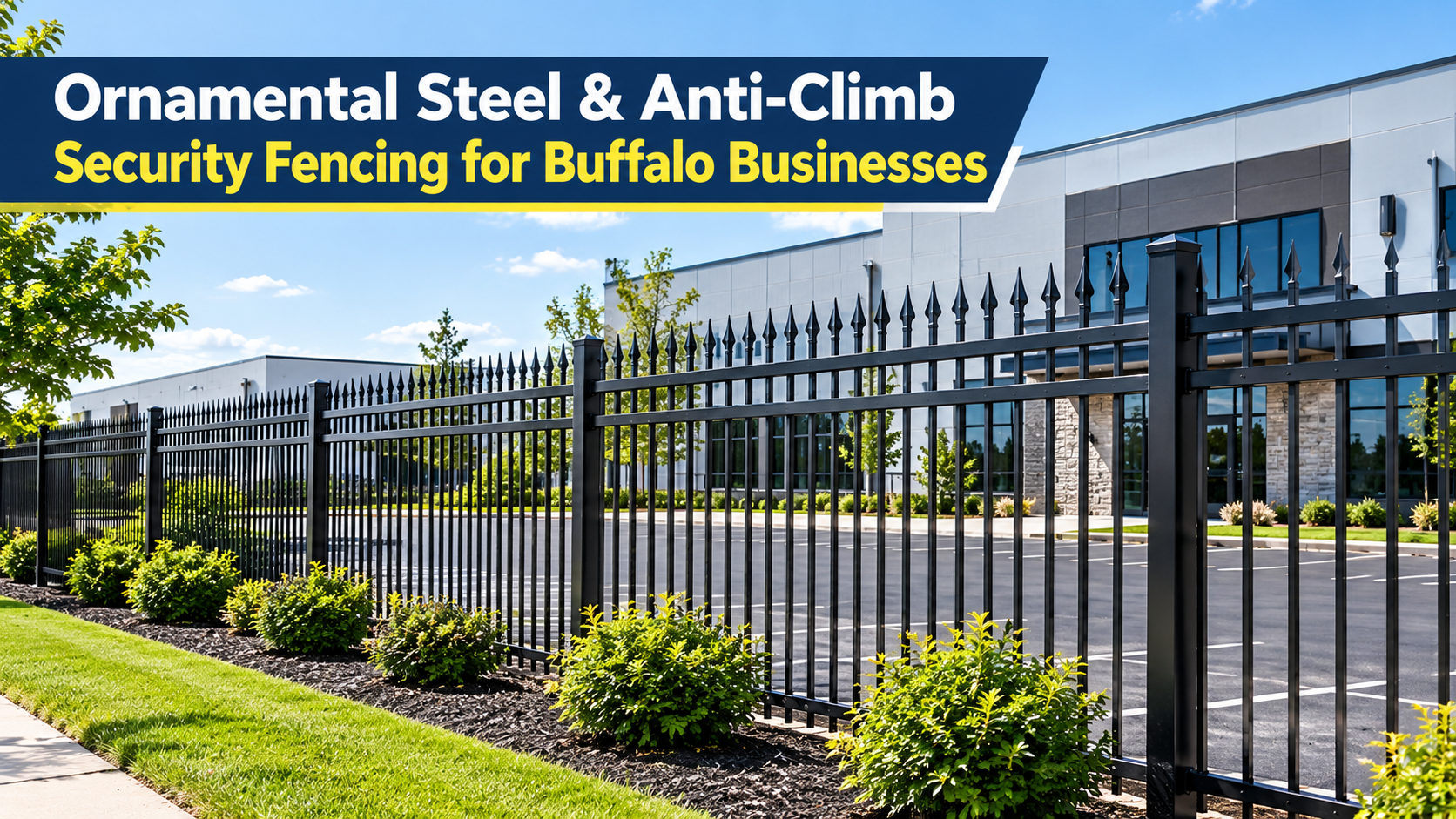
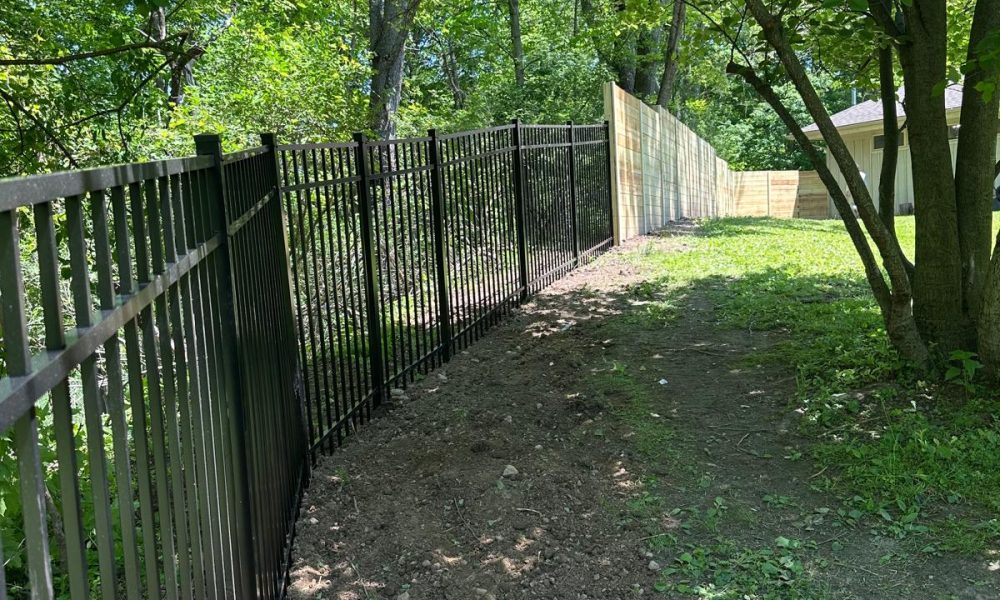
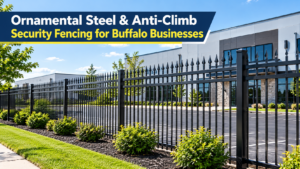
For pure security and curb appeal, aluminum is tough to beat. It gives you the classic look of wrought iron without the rust hazards. While it doesn’t offer visual privacy, its lifespan can span 30+ years, making it an excellent investment for bounding pools or rolling backyards.
Typical Installation Timeline for Home Fence Projects
One of the biggest misconceptions we hear is that a crew can roll in and finish a complete residential fence installation in a single afternoon. When an unlicensed contractor promises that, it usually means they’re rushing the concrete cure times, which is a recipe for a sagging structure by next season.
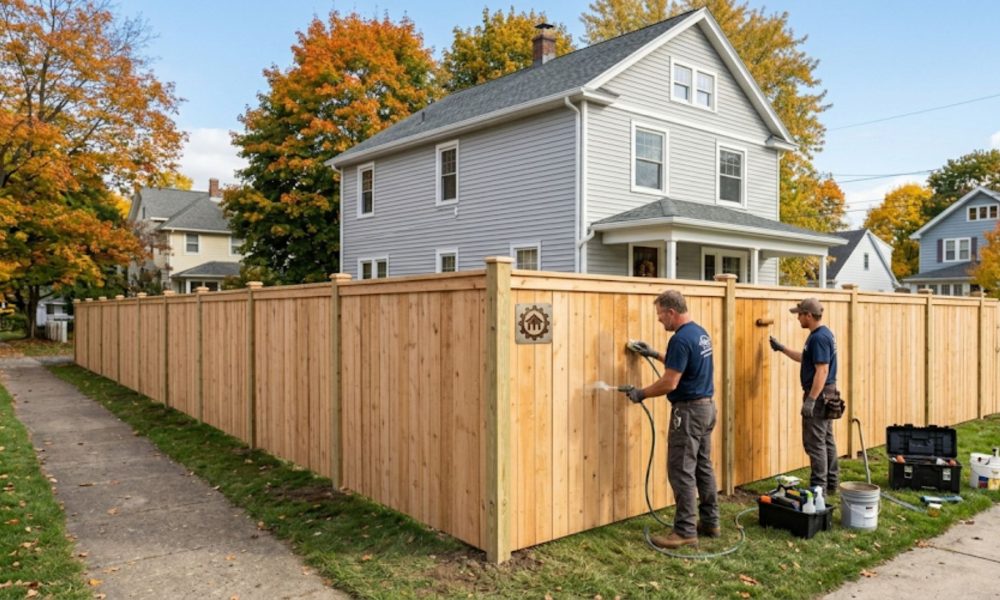
A proper build typically takes between 3 and 5 consecutive days, broken down into distinct phases:
- Day 1: Layout and Post Setting. We stake out the exact lines, mark utilities, dig the post holes, and set the vertical posts in concrete.
- Day 2: The Cure Window. We let the concrete cure completely. Rushing to hang heavy panels on wet concrete ruins the structural alignment.
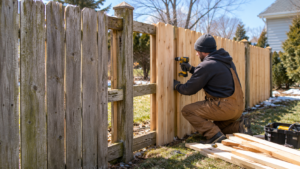
- Day 3-4: Framing and Infill. This is when the rails, pickets, or vinyl panels go up, along with the custom gate builds.
- Day 5: Quality Check and Cleanup. Final adjustments to gate hardware and total site restoration.
Equipment and Installation Techniques Used by Professionals
A lot of DIY disasters happen because folks underestimate what’s happening underneath the dirt. Around here, our local soil conditions can vary from heavy clay to rocky pockets within the span of a single neighborhood.
A Contractor’s Note on Depth: A fence is only as strong as its lowest third. If your posts aren’t set below our local frost line, typically 24 to 30 inches deep depending on county codes, the ground will literally push the posts upward during winter freeze-and-thaw cycles.
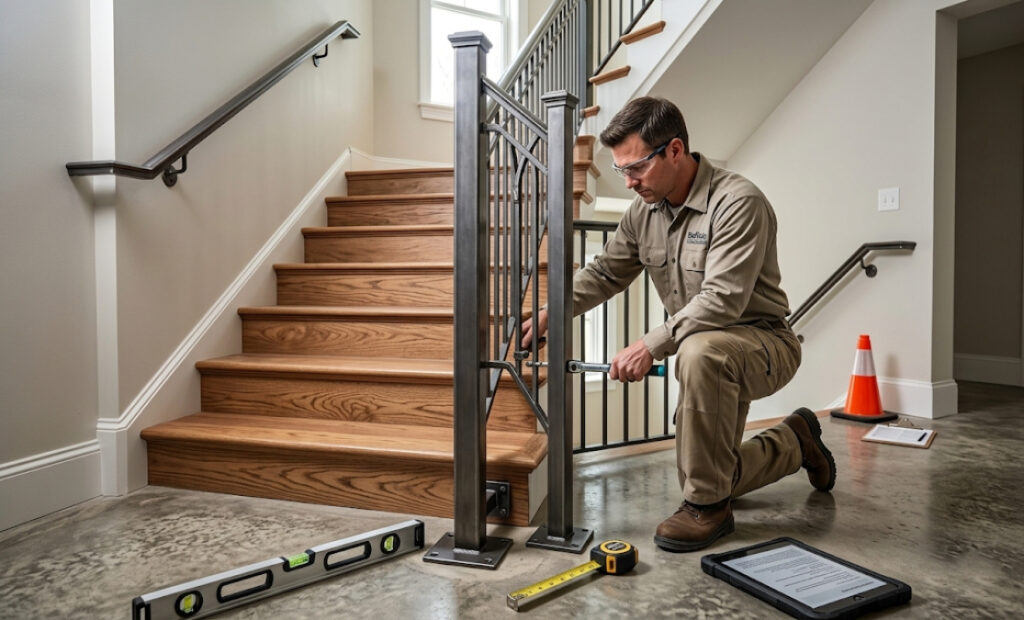
Professionals use hydraulic augers to achieve clean, consistent depths without disrupting the surrounding yard. We also use specialized string-line techniques and commercial-grade leveling tools to ensure the top rail follows the natural slope of your landscape smoothly, rather than looking like a jagged staircase.
Cost Considerations for Residential Fence Installation
Let’s talk about the budget honestly. The total investment for your residential fence installation depends on three main variables: total linear footage, material choice, and terrain difficulty.
| Material Type | Relative Upfront Cost | Lifespan | Long-Term Maintenance |
| Pressure-Treated Wood | Low to Moderate | 15–20 Years | High (Staining/Sealing) |
| Premium Vinyl | Moderate to High | 20–30+ Years | Very Low (Occasional Wash) |
| Ornamental Aluminum | High | 30+ Years | Low (Check Hardware) |
What most homeowners miss are the hidden costs of site prep. If our crew has to spend half a day clearing out old chain-link, heavy brush, or invasive tree roots along the property line, that adds labor time to the estimate. Dealing with significant slope changes also requires custom stepping or racking techniques, which require more precise field labor than a perfectly flat lot.
Design Tips to Match Your Home’s Exterior and Landscape
Your new barrier shouldn’t look like an afterthought slapped onto the property. It should feel like a natural extension of your architecture.
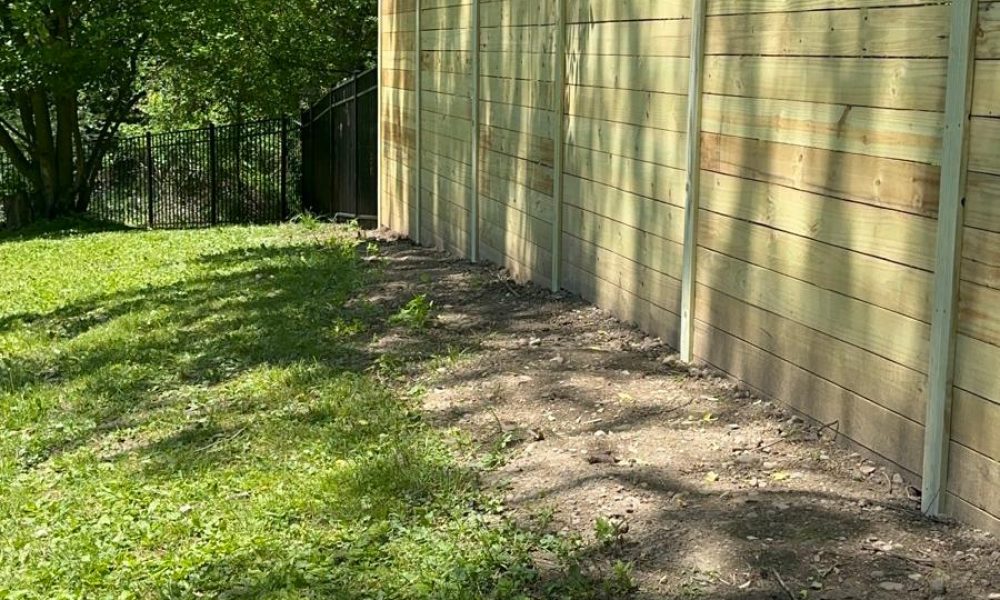
If you have a modern home with clean lines, a horizontal wood fence installation or dark gray vinyl fence can create a stunning, contemporary frame for your yard. For traditional colonial or craftsman homes, a classic white picket or a scalloped-top wood design keeps that timeless neighborhood charm intact.
Don’t forget about your existing plants and trees. If you have mature oaks or maples near the property line, we often have to adjust the path slightly or use custom post spacing to protect critical root zones. Incorporating your landscaping into the layout design always yields a better visual result than trying to fight against nature.
Maintenance Tips to Keep Your Fence Looking New for Years
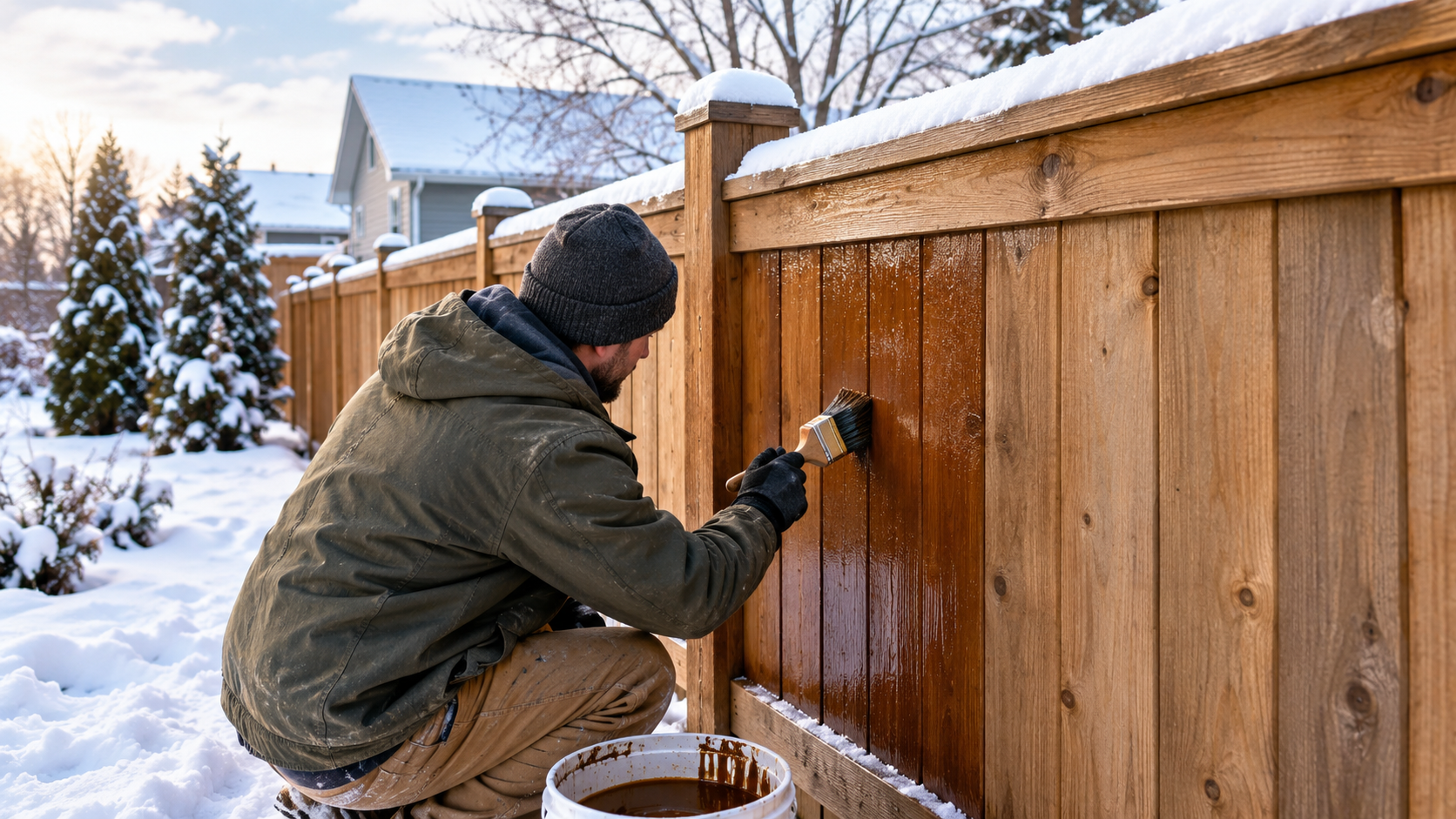
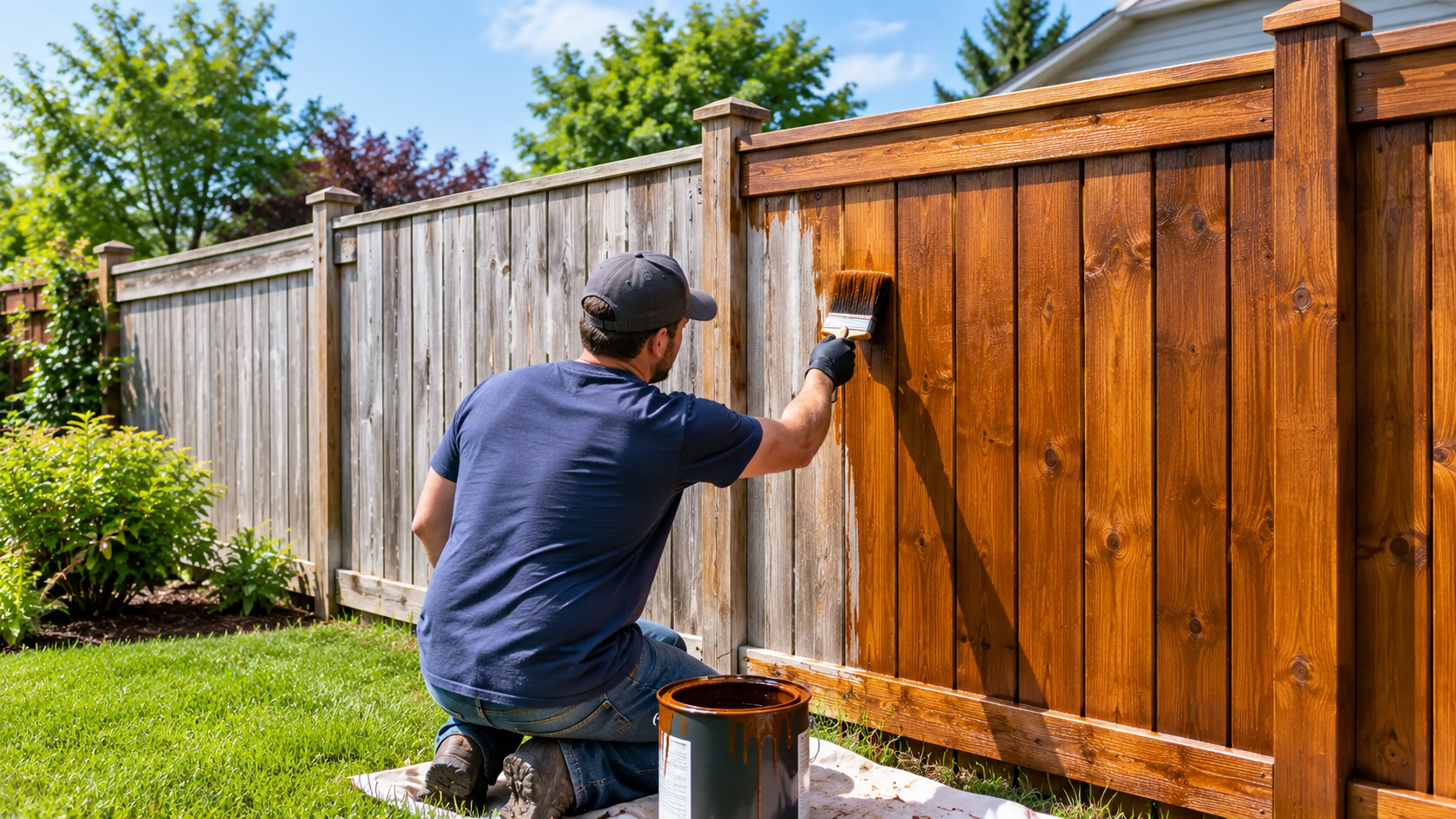
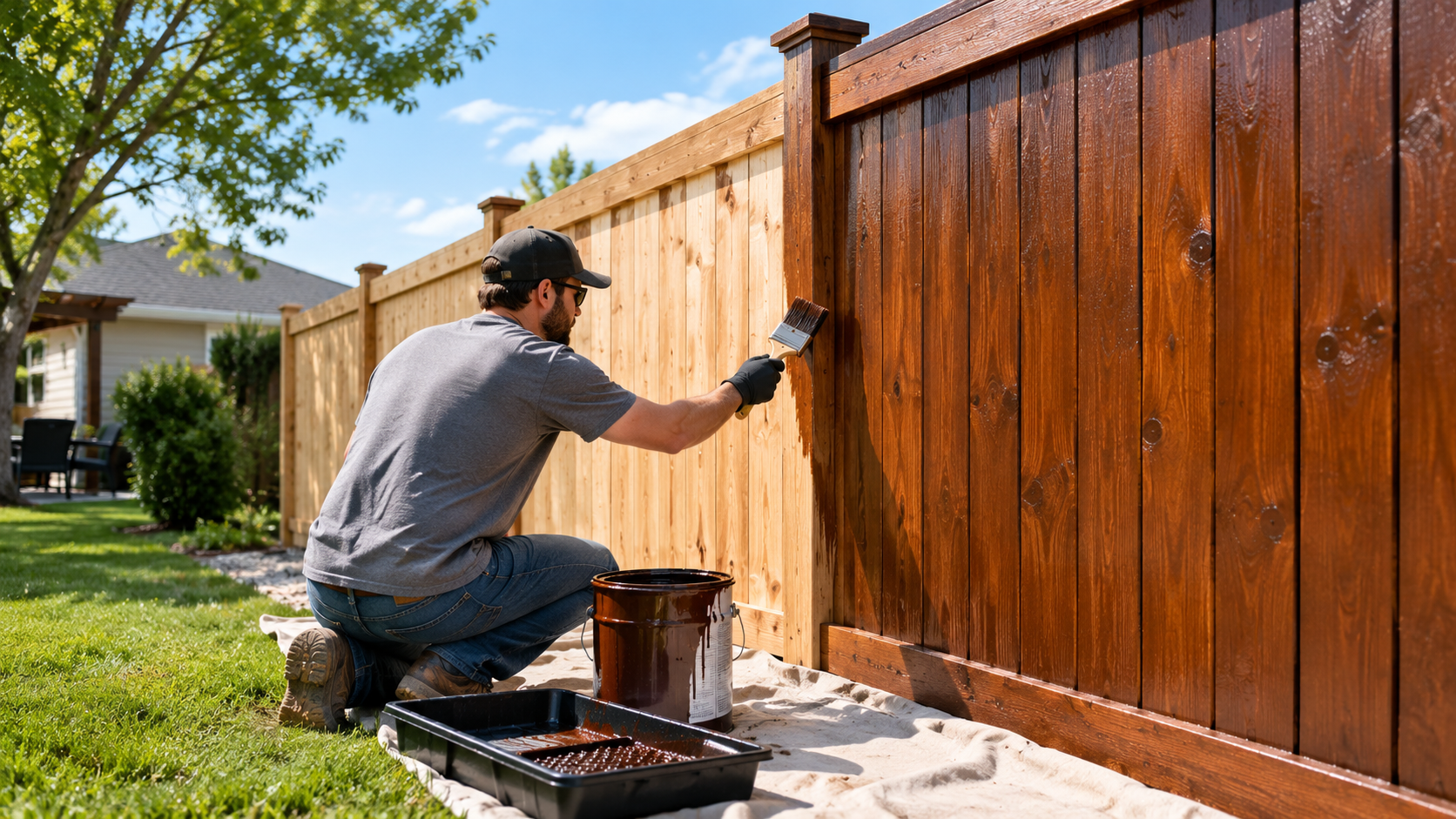
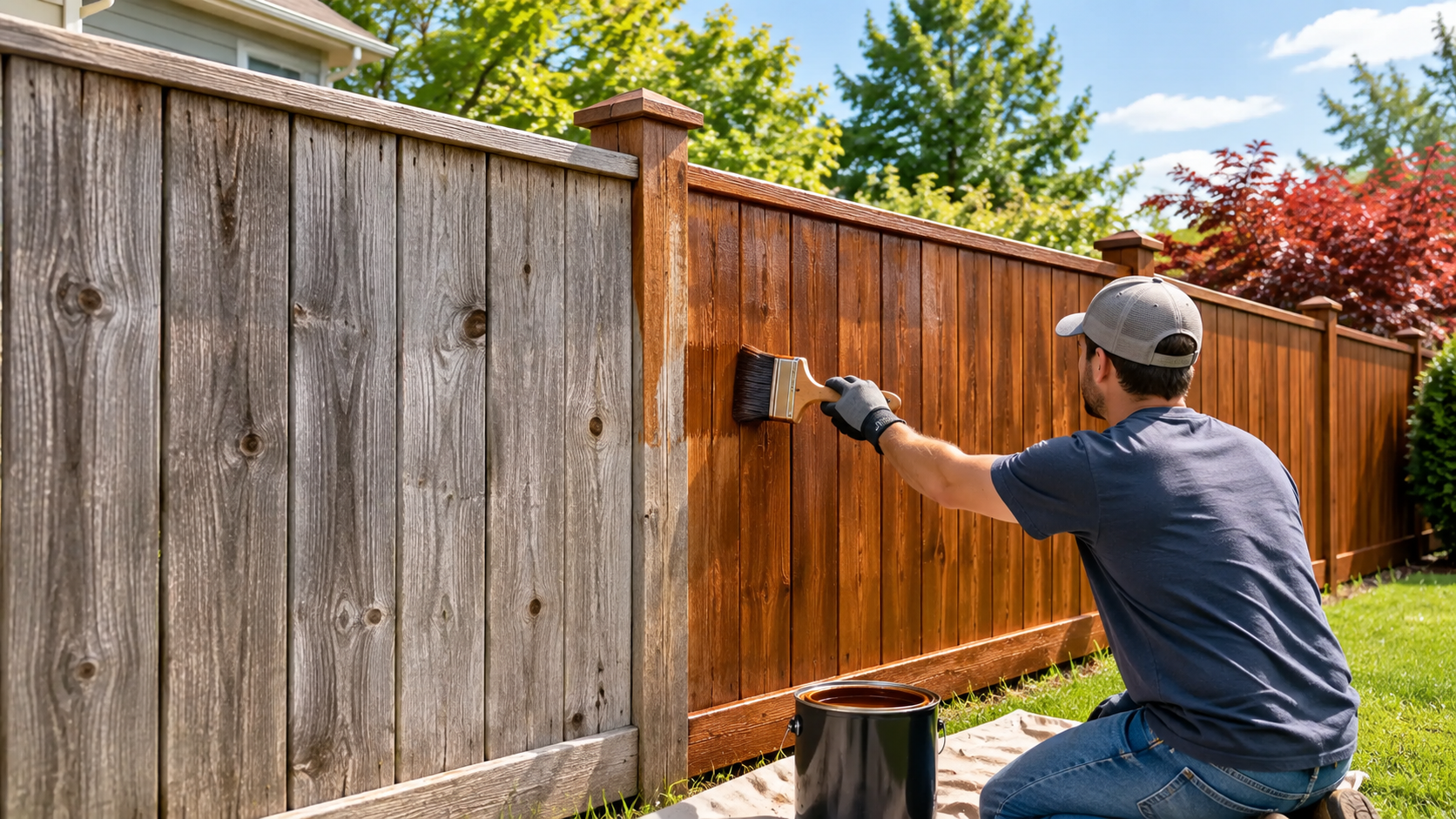
Every structure out in the elements requires some attention to maximize its lifespan. For timber, you need to wait about six to eight weeks after installation for the pressure-treated oils to dry out before applying your first coat of UV-resistant stain. Plan to recoat it every three years to keep moisture out.
With vinyl and aluminum, the upkeep is much simpler, but you still need to watch the gates.
Gates are the only moving parts on the entire perimeter, meaning they take the most abuse. Check the latches and hinges every spring to make sure the soil hasn’t shifted and caused the gate to drag. A simple adjustment to the hinge tension can prevent a sagging gate from warping the main latch post over time.
Questions to Ask Your Fence Installer Before Starting the Project
Before you sign a contract with any company, even if it’s us here at All Pro Fence Buffalo, you need to protect yourself by asking the right questions. The industry is full of storm chasers and uninsured handymen who disappear the second they take your deposit.
Make sure you ask:
- Are you fully licensed and insured for residential work in this specific county? Don’t just take their word for it; ask to see copies of their general liability and workers’ compensation policies.
- Who handles the underground utility markings? A professional company will always coordinate with local utility locators before pulling out an auger.
- What is your policy if you hit an unexpected underground obstruction? You want to know exactly how rocks, old concrete footings, or hidden tree roots will impact your final bill before the work begins.
Getting Your Project Started Right
At the end of the day, a great boundary wall gives your family the freedom to enjoy your property without worrying about stray dogs, prying eyes, or boundary disputes. It’s an investment in your home’s long-term value and daily comfort.
If you’re ready to clear up the guesswork and figure out the best layout for your property, give us a shout at All Pro Fence Buffalo. We’ll come out, walk your actual property lines with you, look at the slopes, and give you a straightforward, honest assessment of what it takes to get the job done right the first time.
FAQs
Do I need to get a permit for my new fence, or do you handle that?
Most counties require permits for residential fences, especially for specific heights or pool enclosures. As contractors, we typically pull the permits and handle the paperwork for you to ensure everything aligns with your local building codes and zoning laws before we dig.
How close to my actual property line can the fence be installed?
Technically, we can build right up to your property line, but we usually recommend a multi-inch setback to avoid encroaching on your neighbor’s yard. We always advise checking your property survey and any HOA bylaws to verify exact boundary rules first.
What happens if your crew hits a hidden rock or old concrete while digging?
If our auger strikes an unexpected underground obstruction, we don’t just walk away or surprise you with a massive bill. Our crew is equipped with heavy-duty demolition tools to clear the hole, and we communicate any minor labor adjustments immediately.
Can you install a fence on a steep slope, or will there be gaps?
Absolutely. We handle slopes using two professional methods: “stepping” pre-assembled panels like stairs or “racking” the fence so it smoothly follows the natural contour of your terrain. We’ll help you choose the best look for your yard’s specific grade.
Will the concrete footings ruin my grass or landscaping?
We use targeted hydraulic augers to keep dirt piles minimal and clean. While some minor turf disruption right around the post hole is inevitable during construction, our team takes great care to protect your lawn and completely cleans up the site daily.
How do you ensure the fence posts stay straight over a harsh winter?
We dig every single post hole well below our local frost line; typically 24 to 30 inches deep, and set them securely in commercial-grade concrete. This deep anchoring prevents the winter freeze-and-thaw cycles from grabbing the posts and shifting your structure.
Should I talk to my neighbors before your crew arrives on day one?
Yes, we highly recommend it as a professional courtesy. It’s always best to let them know the timeline, ensure their pets are secure, and confirm that our crew has clear access to the shared property boundary line during the installation process.