We’ve lost count of how many porches we’ve stood on with a level in one hand and a coffee in the other, trying to figure out why a railing was wobbling before we even touched it.
Half the time it’s not the wood. It’s the person who installed it. Rushed the footing. Skipped a bracket. Called it done. That’s the difference between a railing that lasts two winters and one that lasts twenty.
If you’re searching for railing contractors near me, you’re probably standing on your own porch right now, looking at a rail that’s seen better days.
Good instinct. A shaky railing isn’t just an eyesore. It’s a fall waiting to happen, especially with kids or older folks in the house.
At All Pro Fence, we’ve rebuilt more porch rails than we can count, and it’s usually the same handful of mistakes. Let’s walk through what actually matters when you’re hiring someone to fix it.
Choose a Reliable Railing Contractor for Your Porch Project
Here’s the thing nobody tells you upfront: anyone with a drill and a truck can call themselves a railing installer.
Not everyone can build one that holds up. When you’re vetting local railing installation contractors, ask to see actual finished jobs in your neighborhood, not just photos on a website. A contractor who’s proud of their work will send you the address without blinking.
Licensing and insurance matter too.
If a crew member gets hurt on your property and the company isn’t covered, that liability can land on you. Ask for proof. A contractor worth hiring keeps that paperwork handy and doesn’t get defensive when you ask.
References help, but so does gut instinct. If someone’s vague about timelines or won’t give a straight answer on cost, that tells you something. The best railing services near me are usually run by people who’ve been doing this in your town for years, not a crew that showed up last season.
Best Railing Materials for Durability and Long-Term Performance
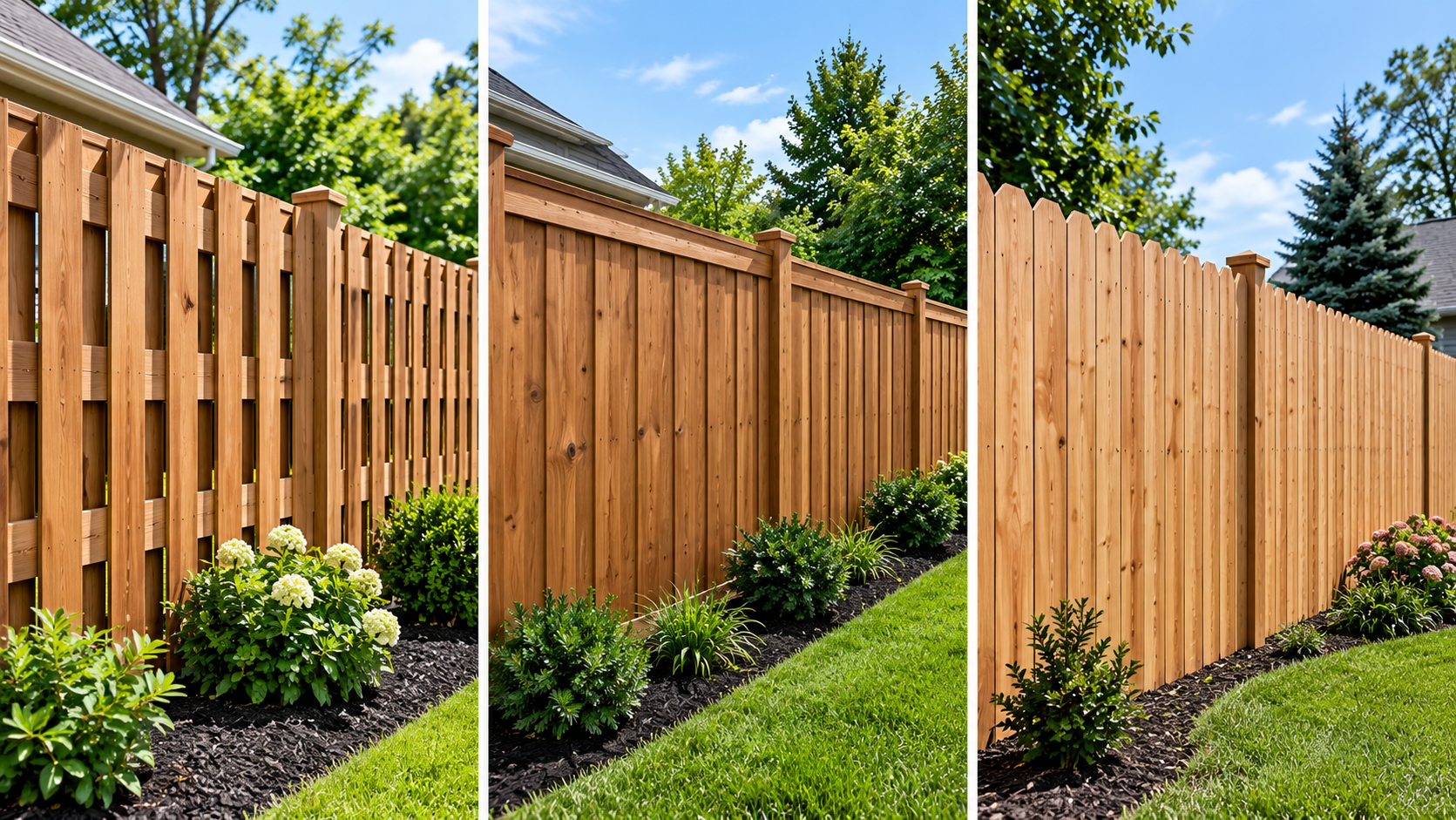
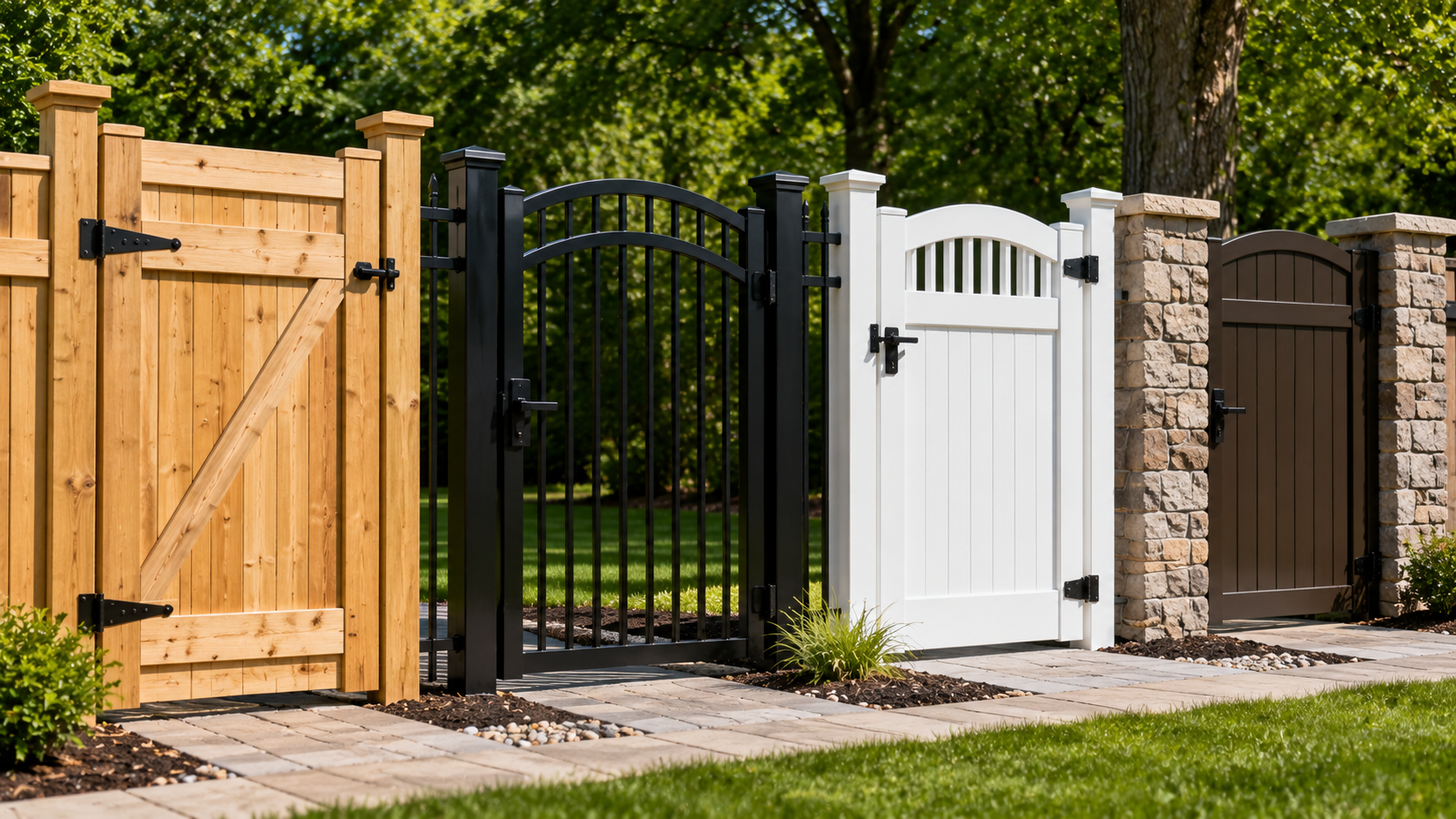
Wood, aluminum, vinyl, cable, wrought iron. Every material has a personality. Wood looks great and feels traditional, but it needs upkeep, staining, or sealing every couple of years if you want it to last. Aluminum shrugs off rust and holds paint well, which makes it solid if you’re tired of maintenance weekends.
Vinyl is the low-fuss option. It won’t rot, won’t rust, and cleans up with a hose. The tradeoff is that it can look a little plain on an older or more detailed home. Cable railing has become popular for modern builds because it keeps sightlines open, but it needs precise tensioning, or it’ll sag within a year.
Buffalo winters are hard on everything outdoors. Salt, freeze-thaw cycles, snow piling against the base of a rail. Whatever material you land on, make sure it’s rated for that kind of punishment. This is where an experienced eye matters more than a catalog page.
Typical Installation Timeline and Project Preparation Steps
A standard porch railing job, nothing custom or oversized, usually runs one to three days once materials are on site. Measuring and permitting can add another week or two before that, depending on your municipality. A contractor familiar with your area will already know which towns require it.
Before the crew shows up, clear the porch of furniture, planters, and anything loose. If there’s an old railing coming out, expect some noise and a little mess from removing fasteners and patching old holes. Good crews tarp the area and clean up daily, not just at the end.
Weather plays a role, too. Concrete footings need time to cure, and nobody wants to pour concrete into freezing ground. If you’re calling in the fall for a spring install, that’s not the contractor stalling. That’s just how the ground works around here.
Safety Features That Improve Stability and Code Compliance
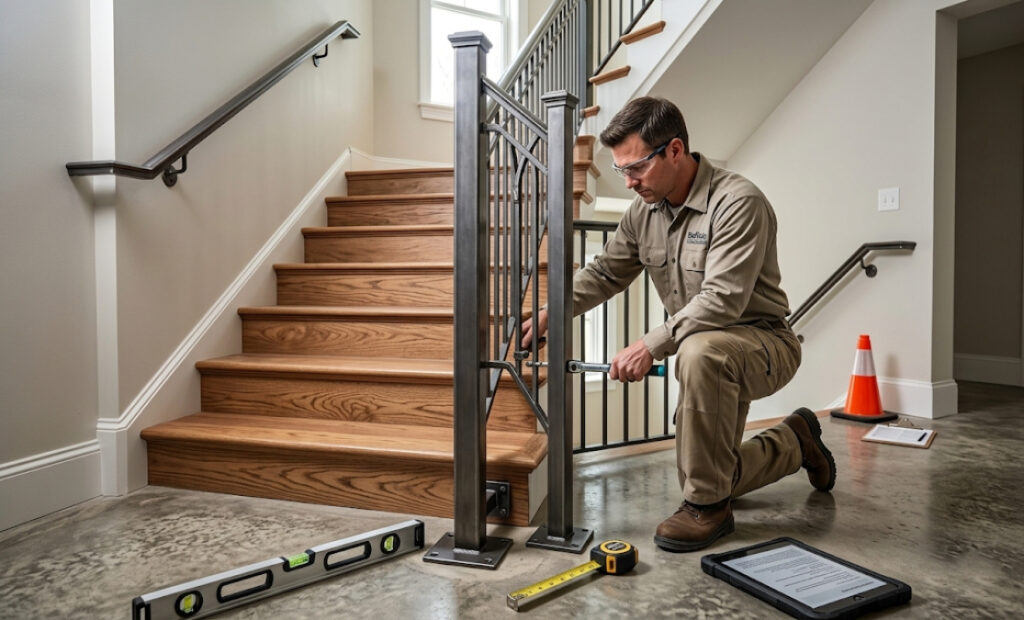
This is the part people skip past because it sounds boring, and it’s the part that actually keeps someone from going over the side. Baluster spacing matters. Most codes require gaps small enough that a four-inch sphere can’t pass through, which keeps small kids from squeezing through or getting stuck.
Rail height matters too. Thirty-six inches is standard for most residential porches, but some jurisdictions bump that up depending on the drop-off height. Post spacing and anchoring into the structure, not just the deck boards, is what actually keeps a railing from swaying when someone leans on it during a party or a storm.
A contractor who talks through these details with you, unprompted, is one who’s thinking about your family’s safety and not just closing the job. That’s worth more than a lower bid.
Cost Expectations for Different Railing Styles and Materials
Prices swing a lot depending on the material and the length of run. Wood tends to be the most affordable upfront, but costs more over the years in maintenance. Vinyl sits in the middle. Aluminum and iron run higher initially but need almost nothing after installation.
Cable railing is usually the priciest per foot because of the hardware and labor involved in getting tension right.
For a typical porch, homeowners are often looking at a range depending on linear footage, style, and whether the old railing needs to be removed and hauled away first. Get itemized quotes. A number without a breakdown makes it hard to compare one bid against another.
If you’re weighing affordable railing contractors near me against a big-name outfit with a flashy showroom, don’t assume price alone tells the story. Sometimes the smaller crew does better work because they’re not paying for overhead you’ll never see.
Tools and Installation Methods Used by Professional Railing Crews
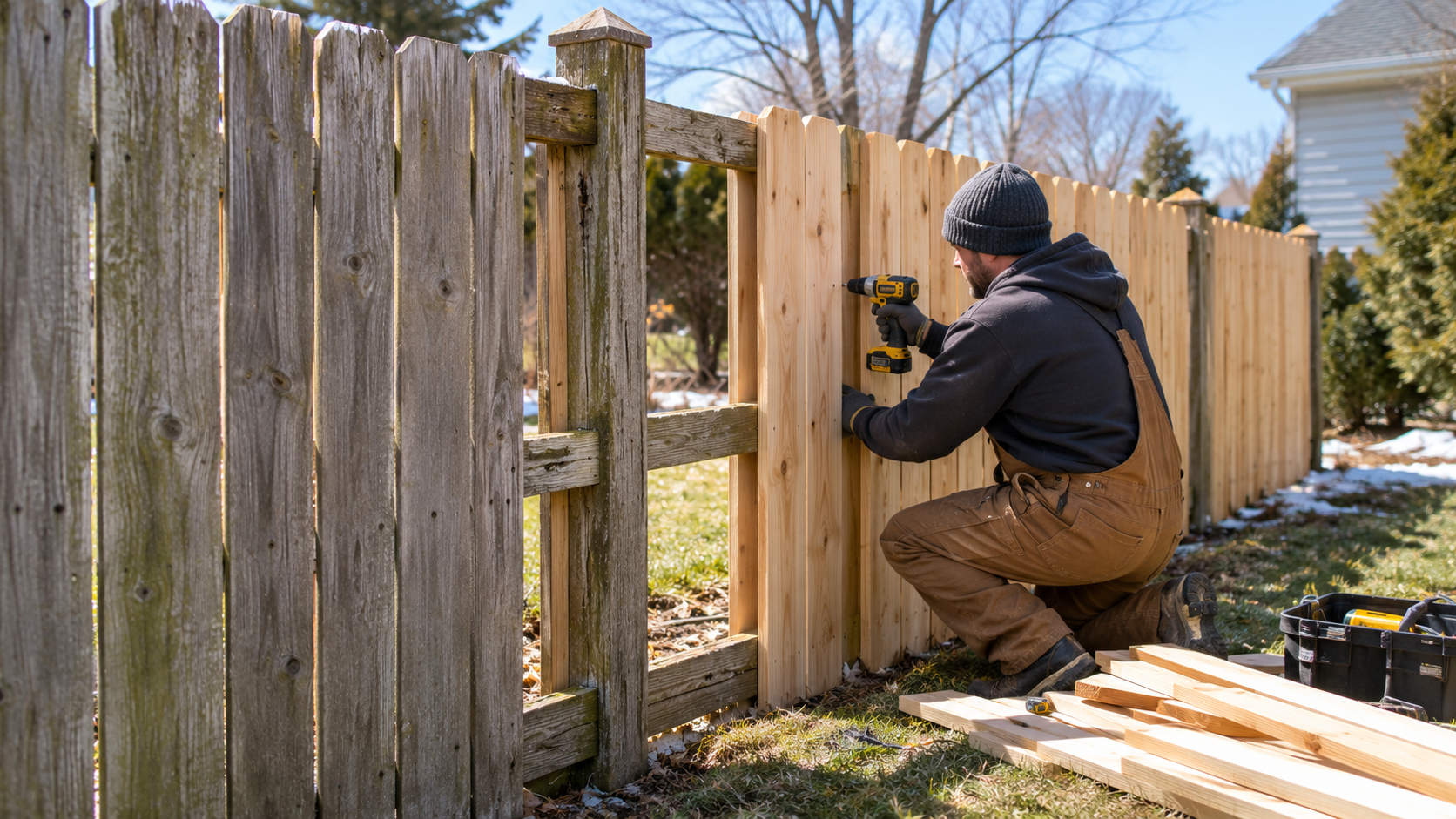
Nothing fancy here, but the difference shows in the details. A level and a laser line are used constantly, not just at the start. Post anchors get bolted, not just screwed, into structural framing whenever possible. Concrete or epoxy anchoring is used for freestanding posts set into masonry or a slab.
Pre-drilling holes before fastening prevents wood from splitting, especially in colder weather when the material gets brittle. Spacers keep baluster gaps consistent across the whole run instead of eyeballing it and hoping it looks even. These are small habits, but they’re the difference between a rail that holds and one that loosens after the first hard frost.
Matching Railing Design to Your Home’s Architecture
A sleek black metal rail looks sharp on a modern build, but it can feel out of place bolted onto a century-old farmhouse. Traditional wood spindles or a painted picket-style rail tend to suit older homes better, while horizontal cable or slim aluminum lines fit contemporary builds without fighting the architecture.
Color matters more than people expect.
A rail painted to match the trim rather than clash with the siding pulls the whole exterior together. Curved porches or wraparound designs need custom fitting rather than off-the-shelf sections, so factor that into both timeline and cost if your porch isn’t a straight run.
Common Mistakes to Avoid When Hiring a Railing Installer
The biggest one we see is homeowners chasing the lowest bid without asking what’s included. Sometimes that low number doesn’t include haul-away of the old rail, or it uses thinner-gauge material than the competing quote. Ask for specifics in writing.
Skipping the permit question is another one.
If your municipality requires it and the work gets done without one, that can come back to bite you at resale or during an insurance claim. Also watch for contractors who won’t put a timeline in writing or who want full payment up front before any work starts. A reasonable deposit is normal. Full payment before a nail’s been driven is a red flag.
All Pro Fence has seen every one of these situations play out over the years, and most of them are avoidable with a few honest questions upfront. That’s really the whole point of doing this work the right way instead of the fast way.
Wrapping It Up
A porch railing seems like a small thing until it isn’t. It’s what your kids lean on, what grandma holds when the steps get icy, what keeps a delivery driver from taking an unplanned trip into the bushes. Hire someone who treats it that way. All Pro Fence has built a business around treating every rail like it matters, because it does.
If you’re comparing quotes right now, don’t just look at the number at the bottom. Look at how the contractor talks about your project. That conversation tells you almost everything you need to know before the first post ever goes in the ground.
FAQs
How long does a typical porch railing installation take?
Most standard installs take one to three days once materials arrive on site. Custom shapes, curved porches, or larger wraparound designs can take longer. Permitting and material lead times, especially for custom orders, often add extra days before work even begins.
Do I need a permit to replace my porch railing?
It depends on your municipality and whether the work is structural. Many areas require a permit for anything attached to the home’s frame. A local contractor familiar with Buffalo-area codes can tell you quickly whether your project needs one.
What’s the most durable railing material for cold climates?
Aluminum and vinyl both hold up well against freeze-thaw cycles, road salt, and heavy snow loads. Wood can last too, but it needs regular sealing and staining. Cable and wrought iron perform well but require more attention to anchoring in winter conditions.
How much does a new porch railing typically cost?
Cost depends on material, linear footage, and site conditions, like the removal of an old rail. Wood tends to be the most affordable upfront; aluminum and iron cost more initially, but need less upkeep. Always ask for an itemized quote to compare fairly.
Can I match a new railing to my home’s existing style?
Yes. Traditional wood or picket-style rails usually suit older homes, while slim aluminum or cable rails fit modern builds. Color and post spacing can be customized, too, so the new railing blends with your home instead of standing out awkwardly.
What safety codes apply to residential porch railings?
Most codes require a minimum rail height, usually 36 inches, and baluster spacing tight enough that a four-inch sphere can’t pass through. Posts must be anchored into structural framing. Local codes can vary, so check with your municipality or contractor.
How do I know if a railing contractor is reputable?
Ask for proof of licensing and insurance, and request addresses of recent local jobs you can view in person. Reputable contractors give straight answers on cost and timeline and won’t ask for full payment before work begins.
Ready to secure your porch? Don’t waste time scrolling through endless lists of railing contractors near me. Contact the team at All Pro Fence today for a transparent, itemized quote and a railing built to last twenty winters.