Western New York winters can be tough on any structure left outdoors. Weak fences can be easily ruined by heavy snow and freezing rain, ice buildup, and constant moisture. Choosing the right diy fencing materials is one of the most important decisions that homeowners planning a fence installation project can make. A fence is not only supposed to improve privacy and security, but it should also last for years without constant repairs caused by harsh weather.
If you have a fence project planned in Buffalo or anywhere near, you’ll want to know how different materials react to snow and freezing temperatures so you don’t make any costly mistakes. There are strengths, costs, and maintenance to each, whether wood, vinyl, chain link, or aluminum. When chosen wisely, it can also be a huge time, money, and emotional saver. Fencing materials for diy projects should be compared carefully by homeowners before a final decision is made.
Why Choosing the Right Fence Material Matters in Heavy Snow and Freezing Conditions
The winter in western New York poses different problems for fences. High winds in winter storms will destroy poorly installed fences.
This is why homeowners who are looking for the best fencing materials for diy projects should focus on durability and weather resistance, not aesthetics alone. A fence that looks good in the summer might not last through a couple of WNY winters if it’s made of inferior material.
A second factor has to do with ground movement. The soil during freeze-thaw cycles expands and contracts, shifting the fence posts. Use of proper diy fencing materials and installation can prevent a fence from leaning or breaking.
How do wood, Vinyl, Chain Link, and Aluminum Hold Up to Winter Long Term?
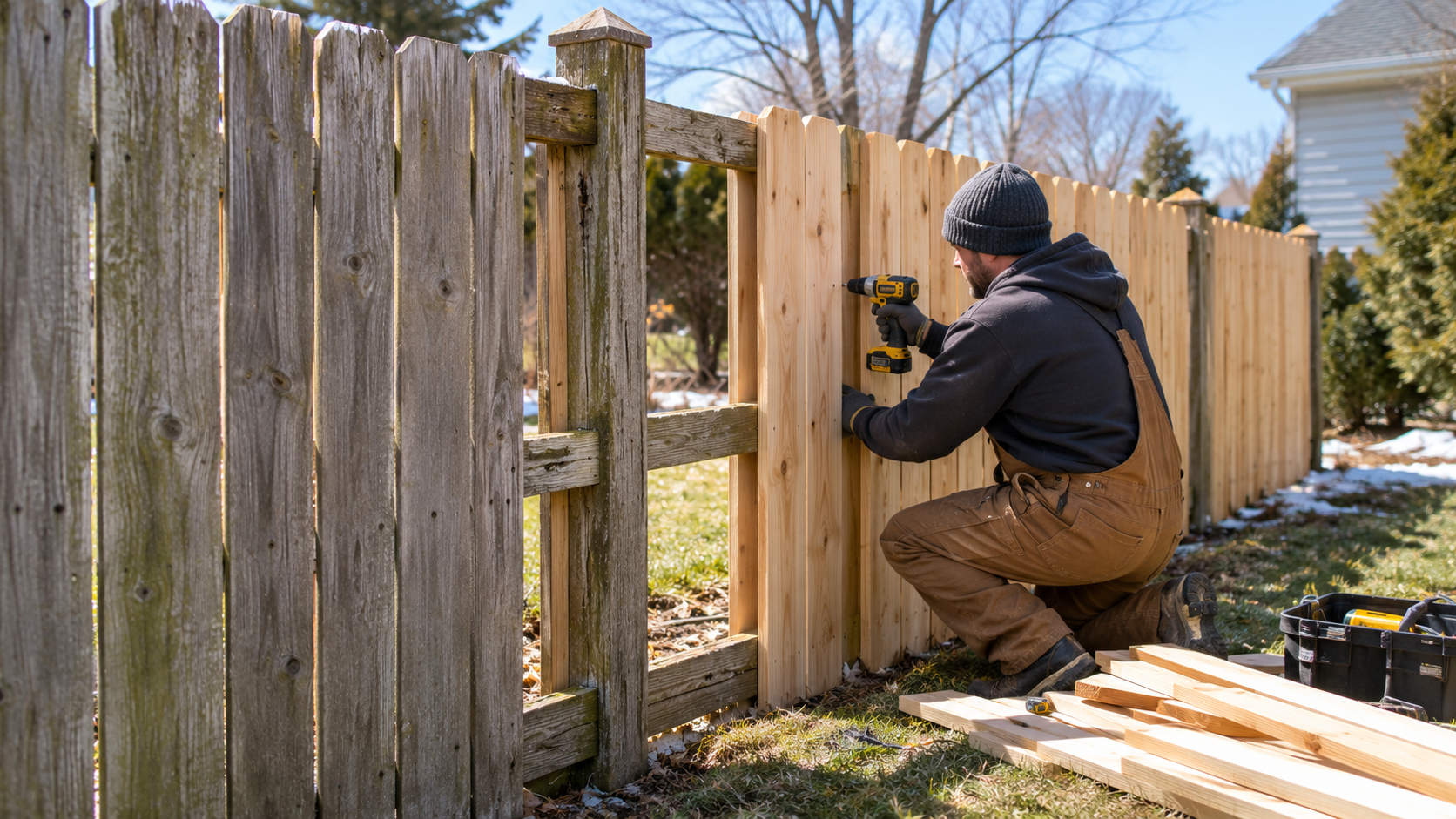
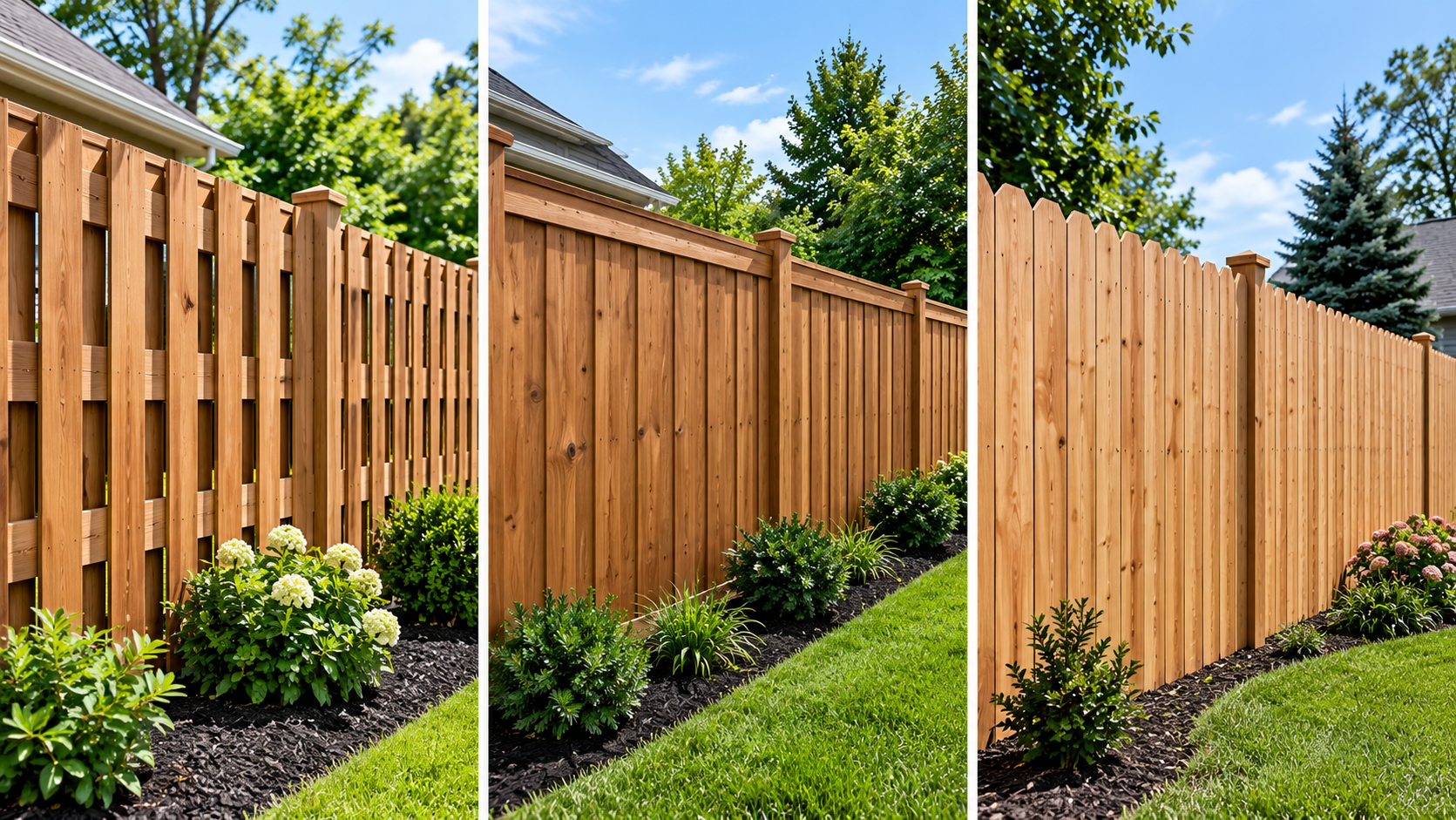
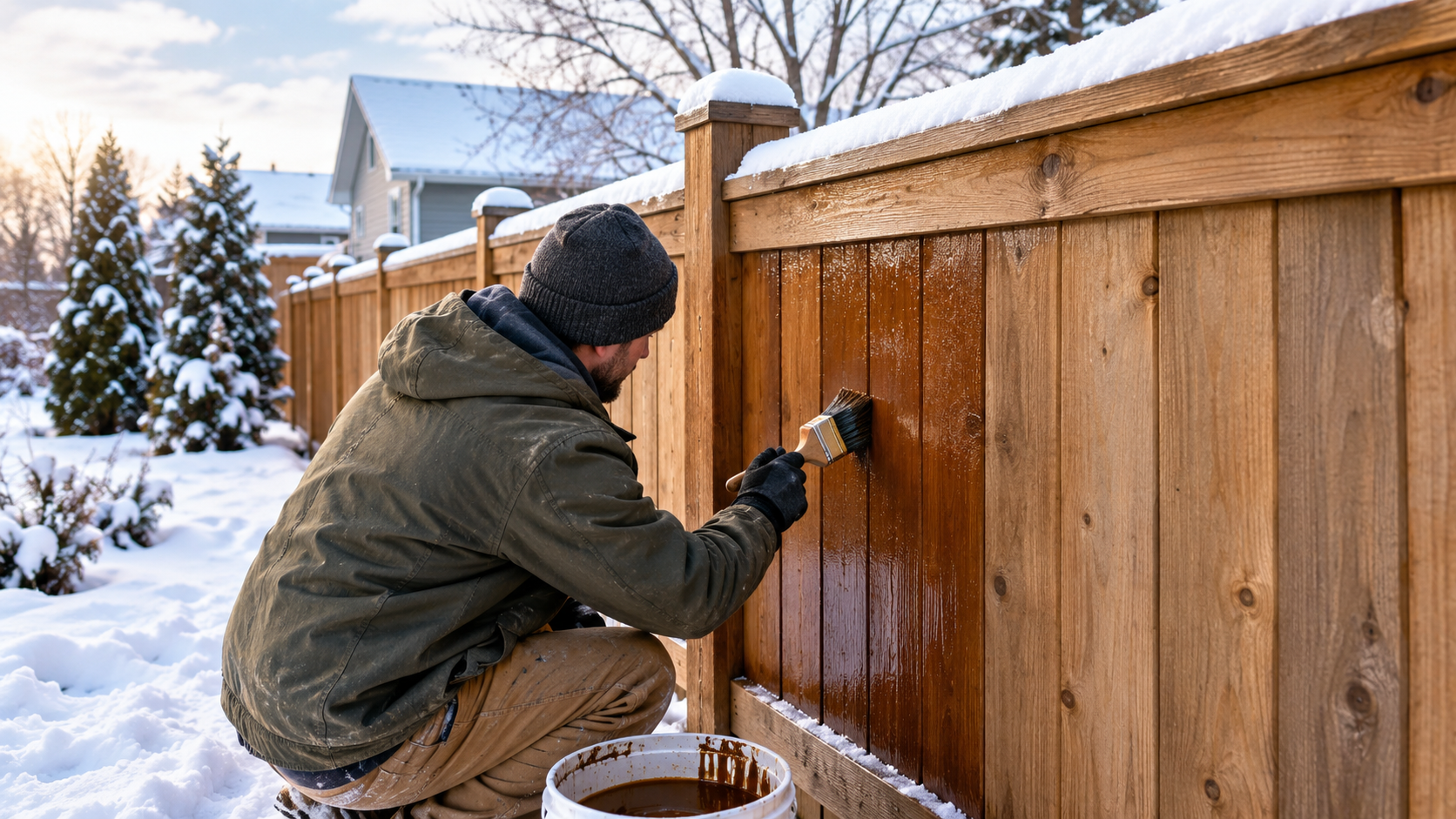
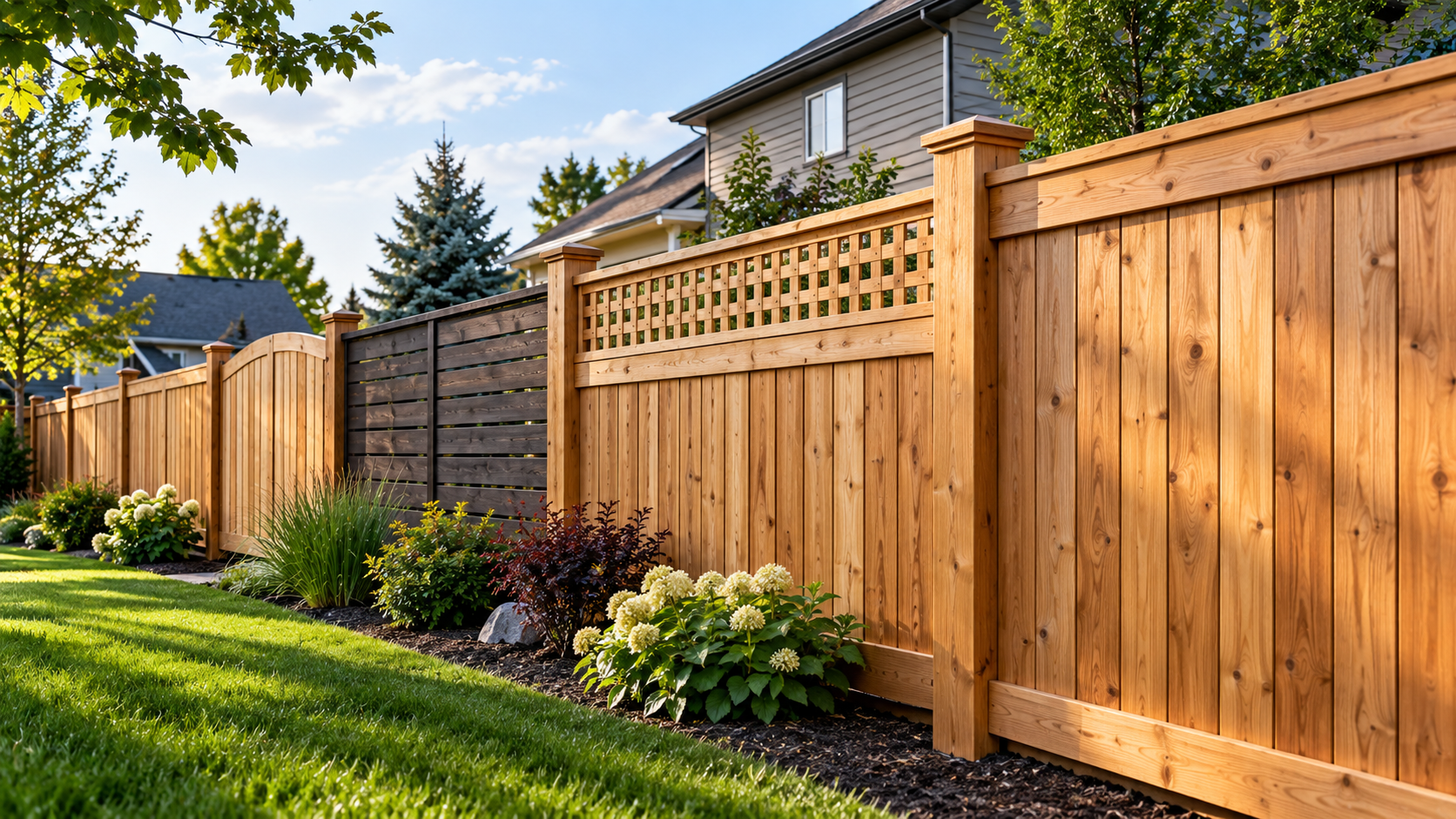
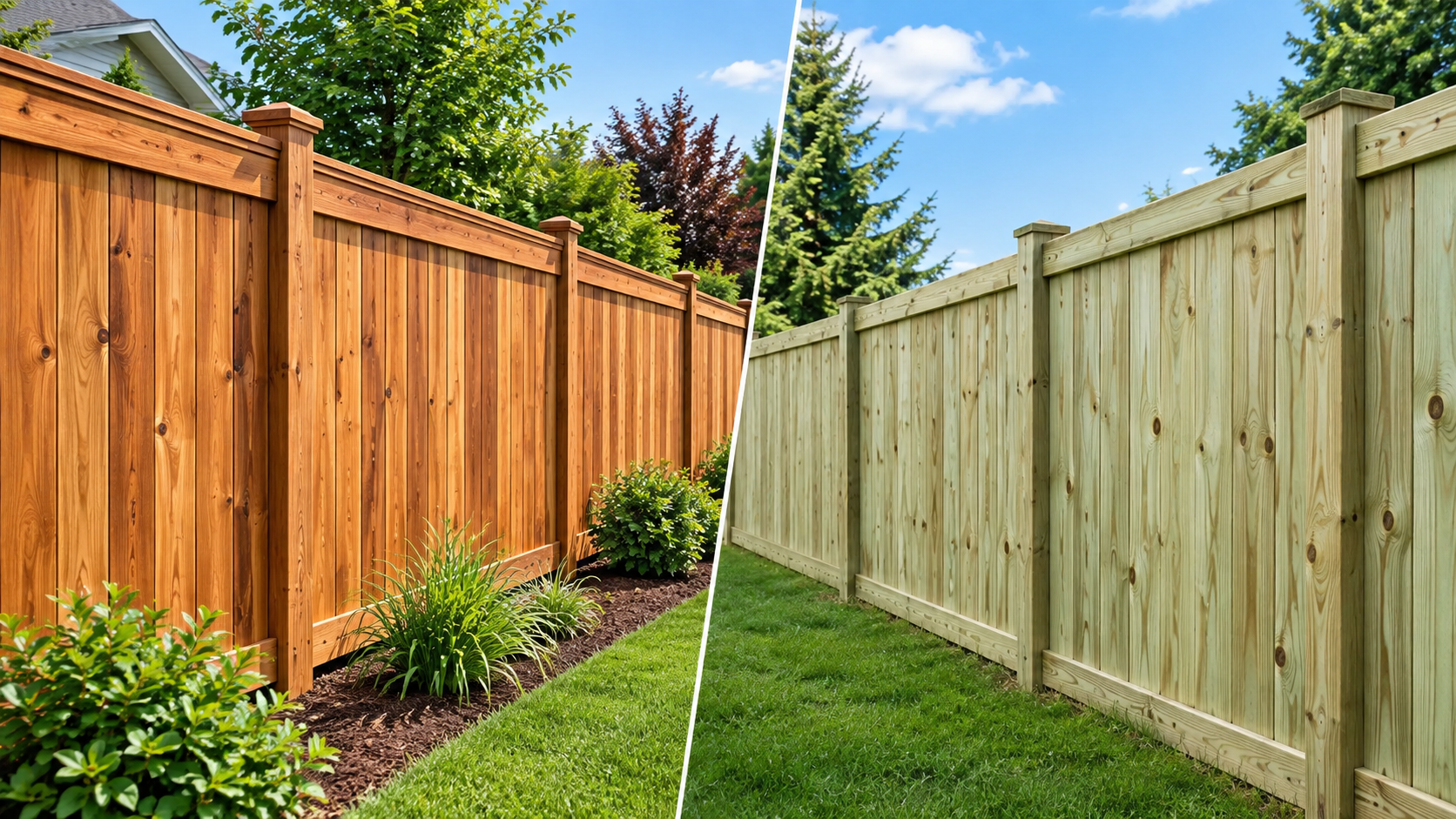
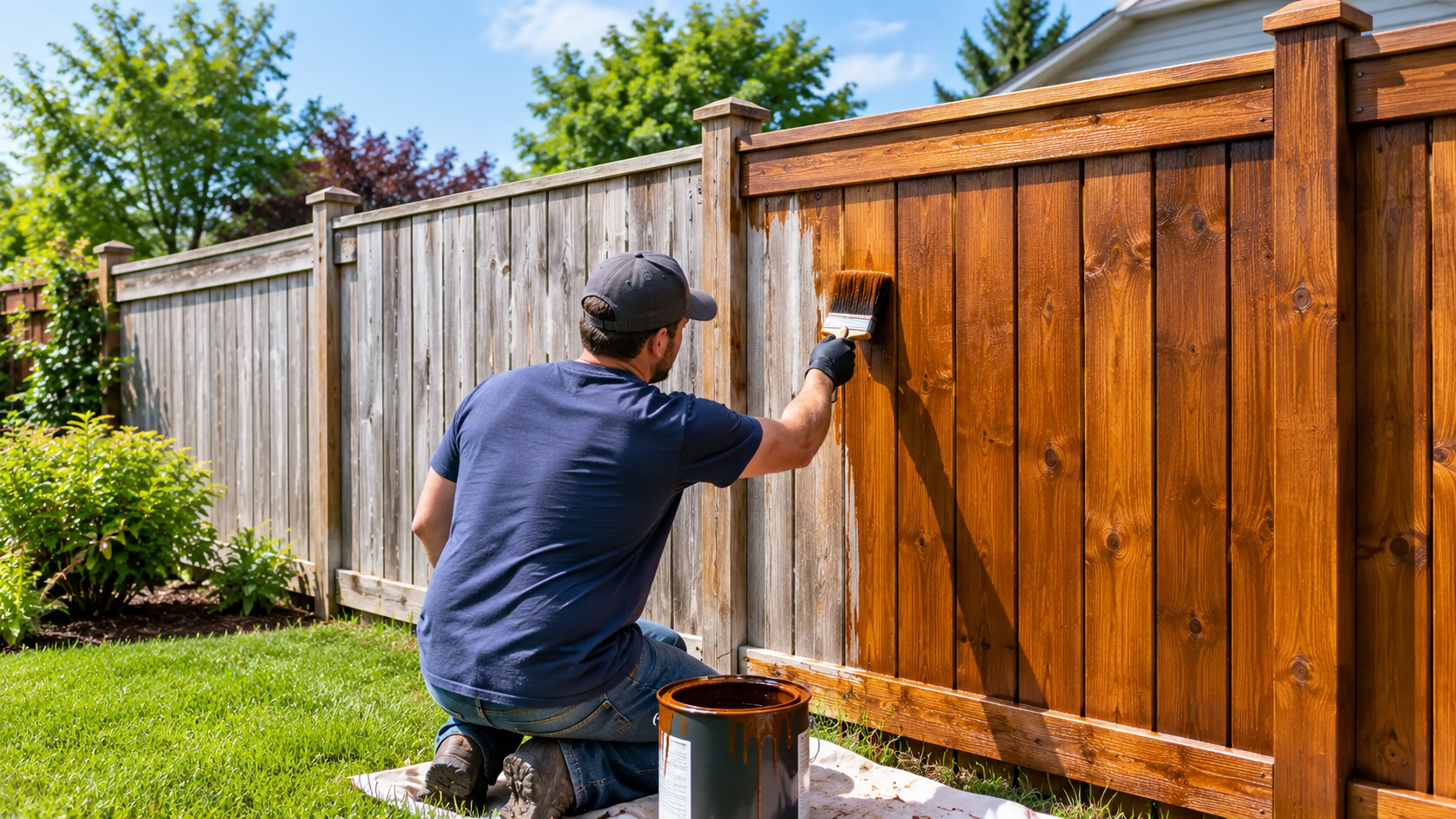
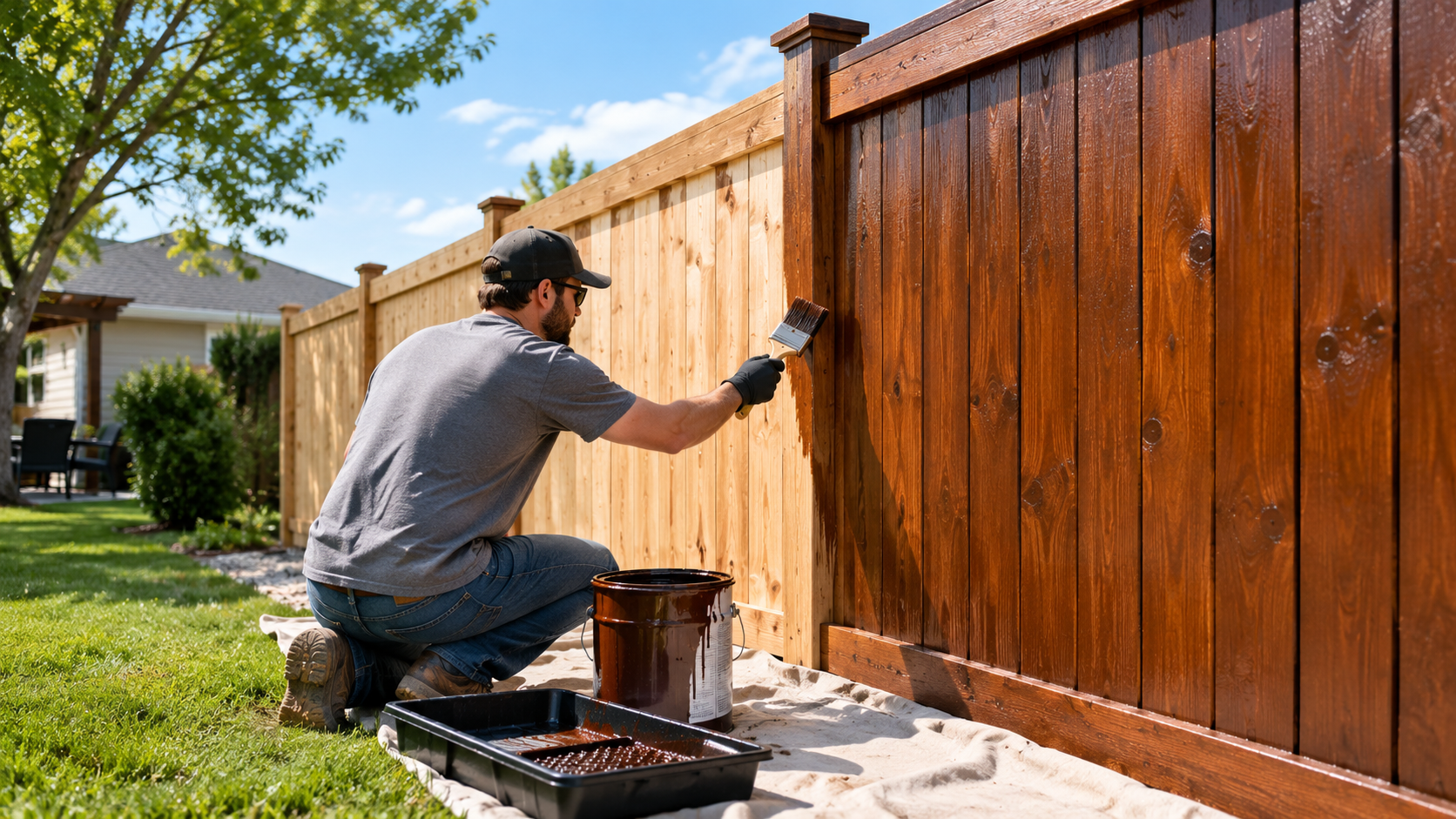
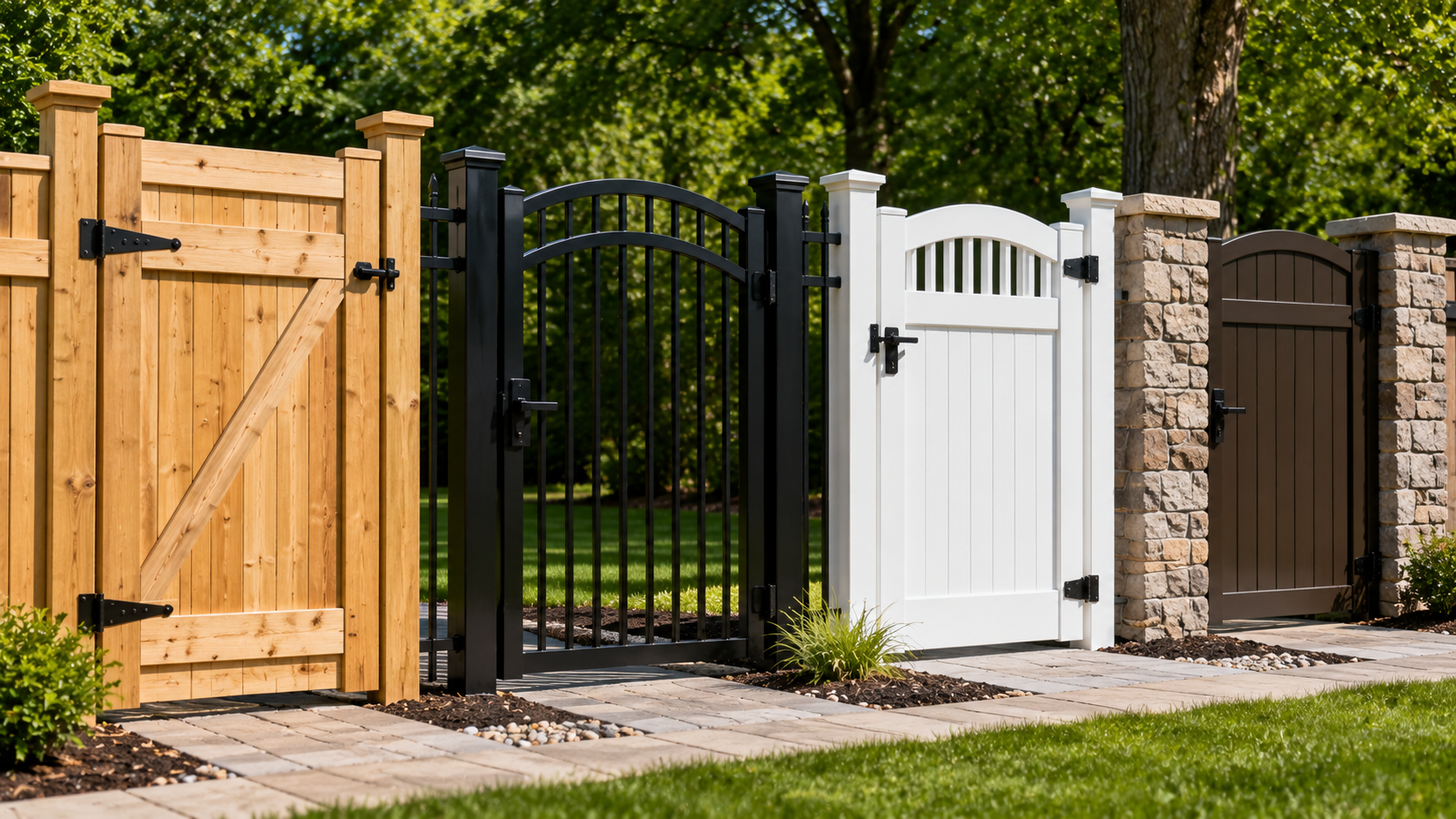
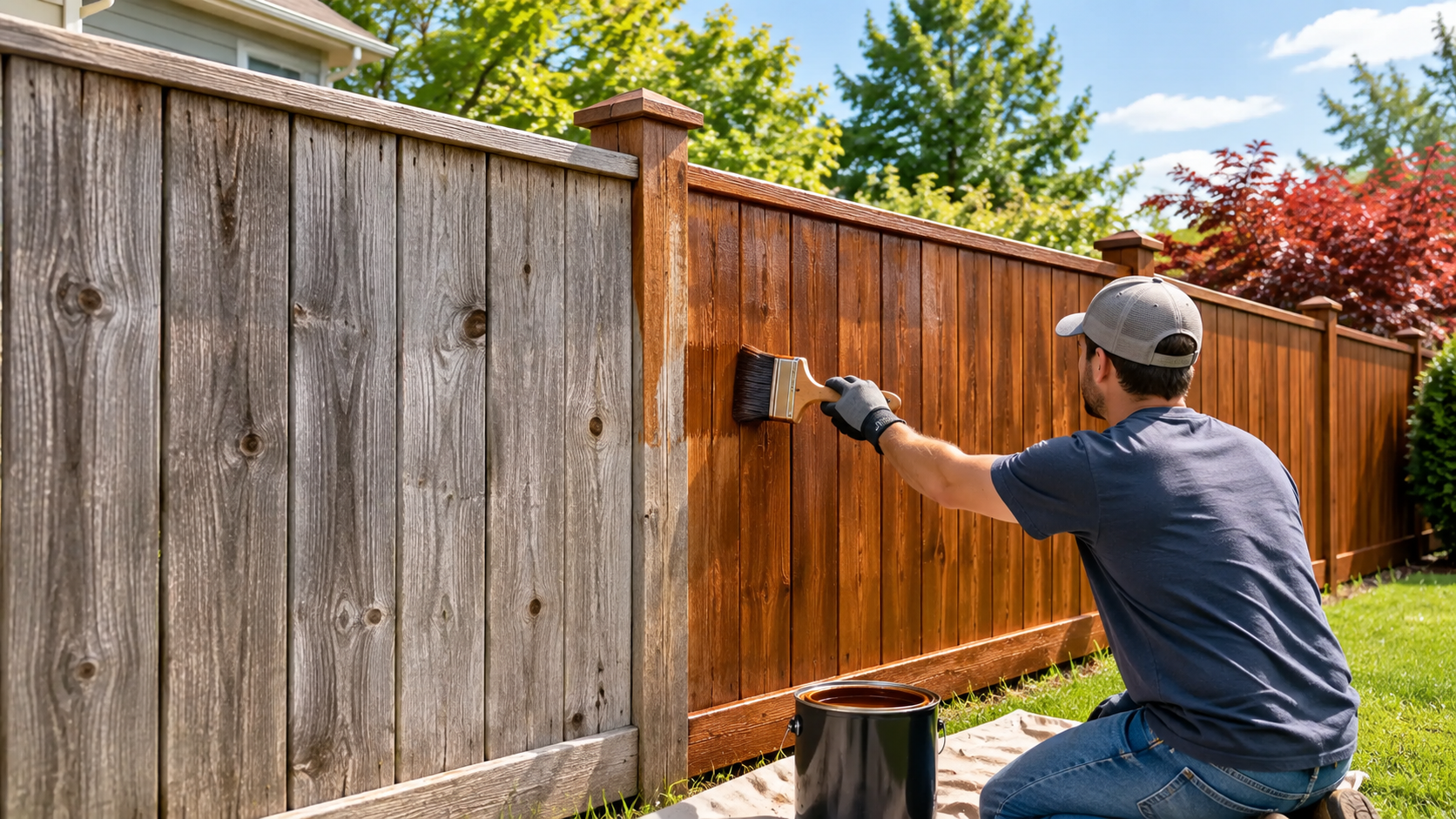
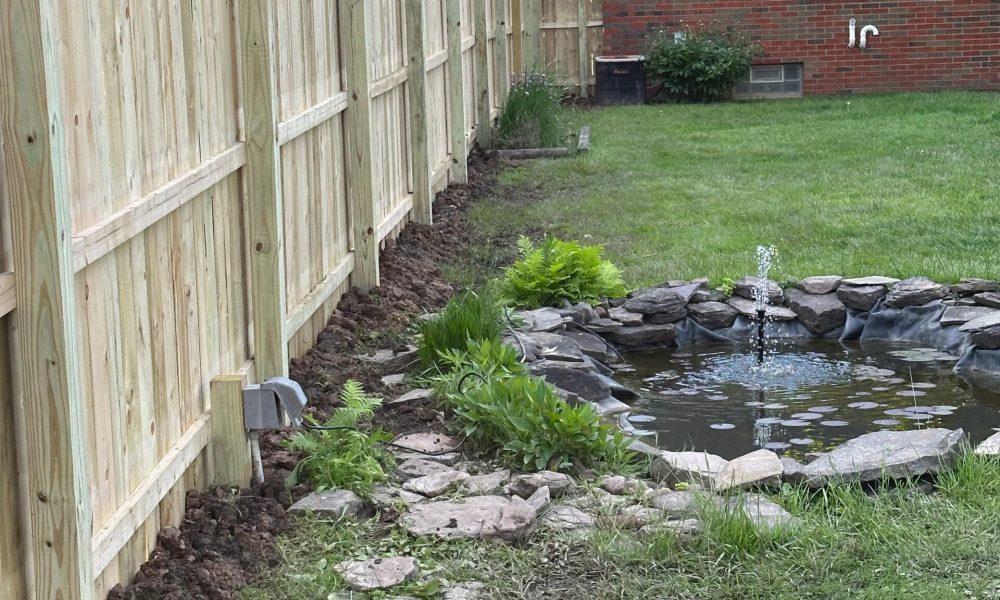
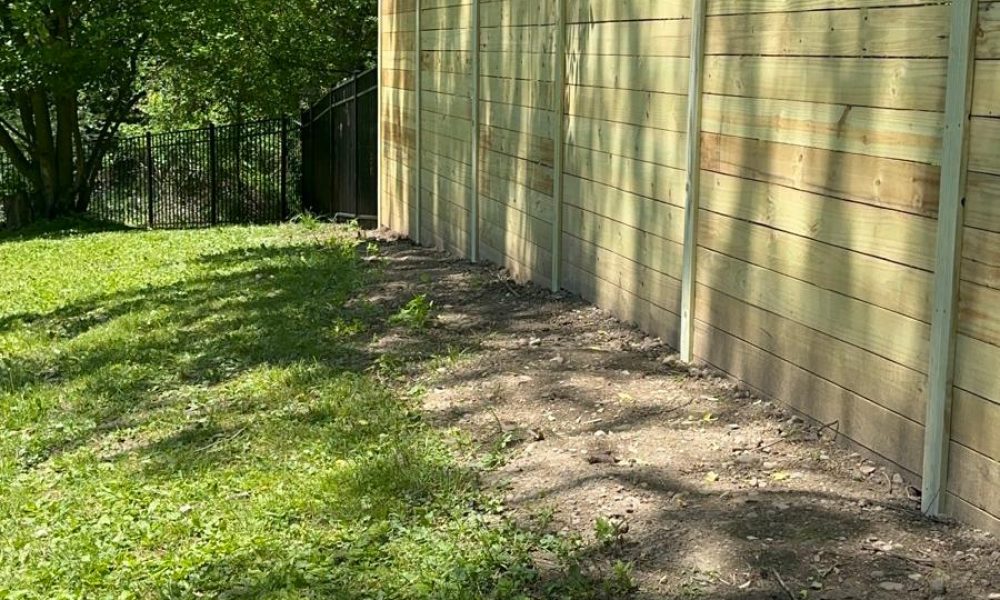
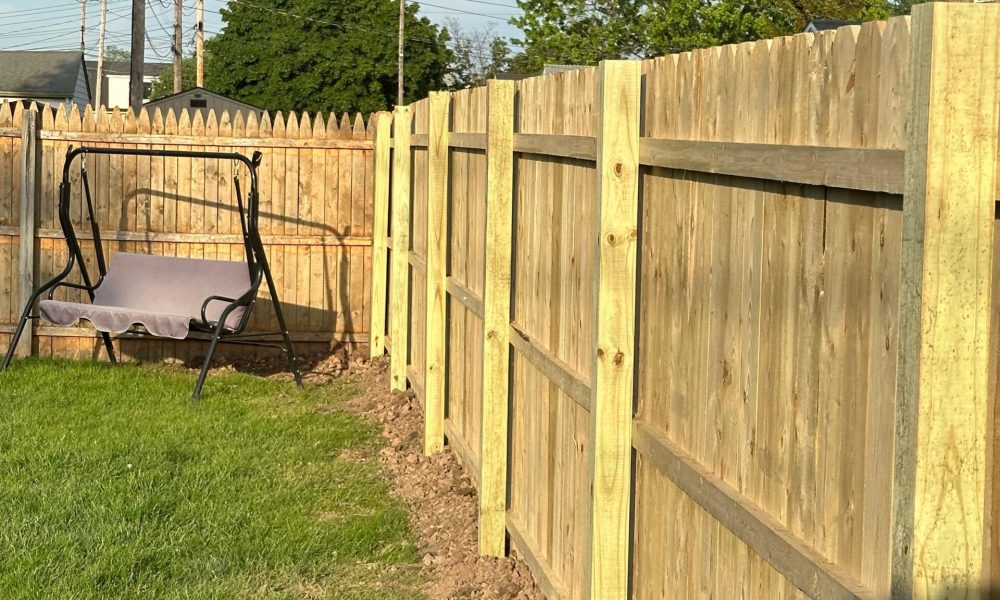
Wood fencing is also one of the most popular options for its natural feel and classic look. For home projects, cedar and pressure-treated wood are popular. Wood offers privacy, and can go with pretty much any style of house. But wood can crack, warp or rot when heavy moisture freezes. It should be sealed, and stained regularly, as it is in snowy climates. Wood can be relatively inexpensive to start with but expensive to maintain over time.
Vinyl fencing is another popular option for homeowners looking for long-lasting diy fencing materials. Vinyl does not rot, rust, or absorb moisture like wood does. It’s not damaged by water, so it works well in snow and ice. Vinyl fencing of better quality requires almost no upkeep and can last for decades. But in very cold weather, cheap vinyl can become brittle. In areas like Buffalo, where winters are brutal, choosing a good grade of vinyl is important.
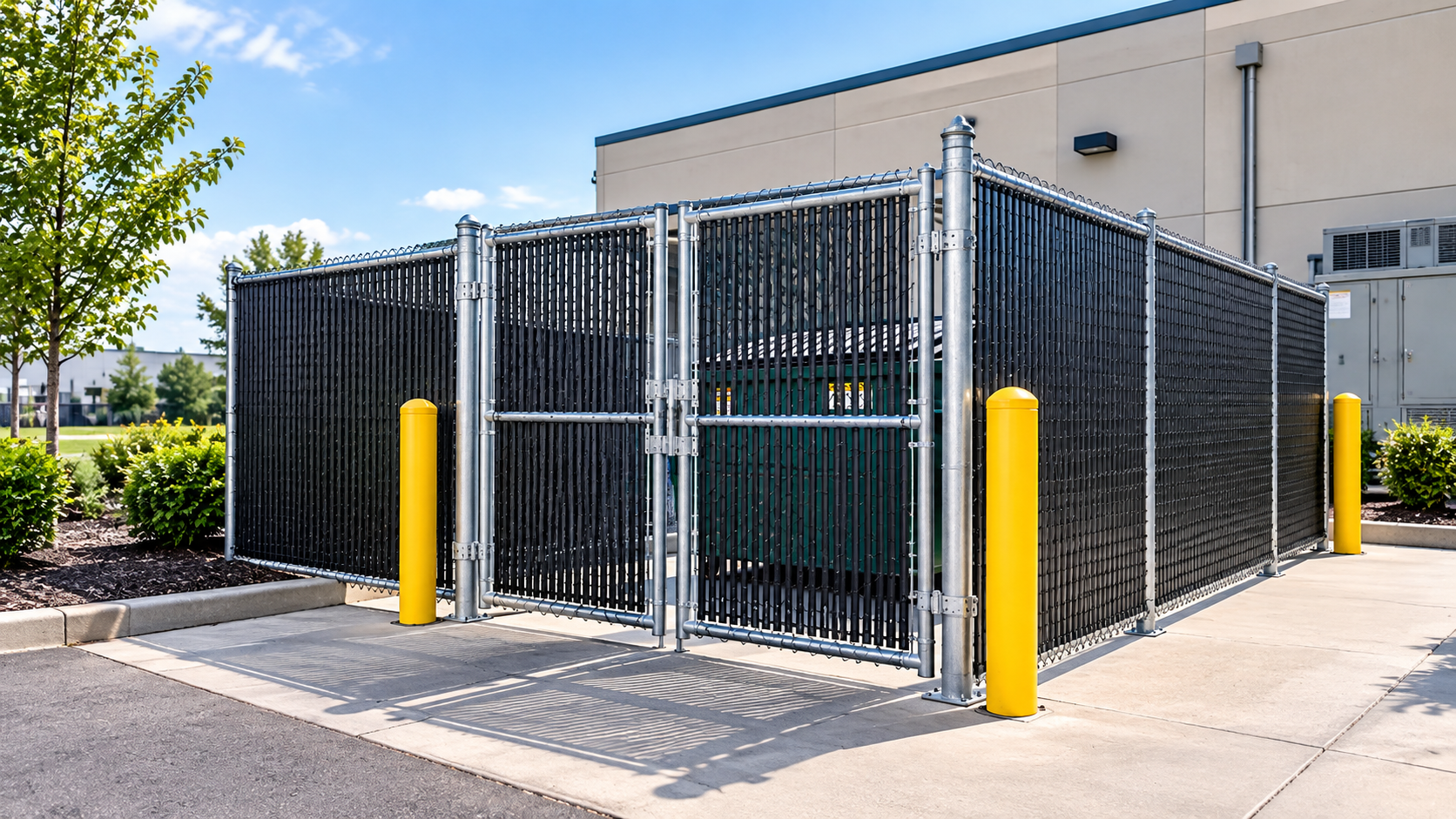
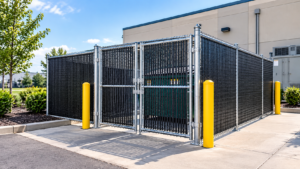
Chain link fencing is strong and cheap. It does not trap moisture, which makes it more resilient than other materials to snow and cold. Coated or galvanized chain link fences do not rust and require little maintenance. Chain link might not provide much of a privacy barrier, but many people think it’s one of the most practical choices when searching for cheap diy fencing materials near me.
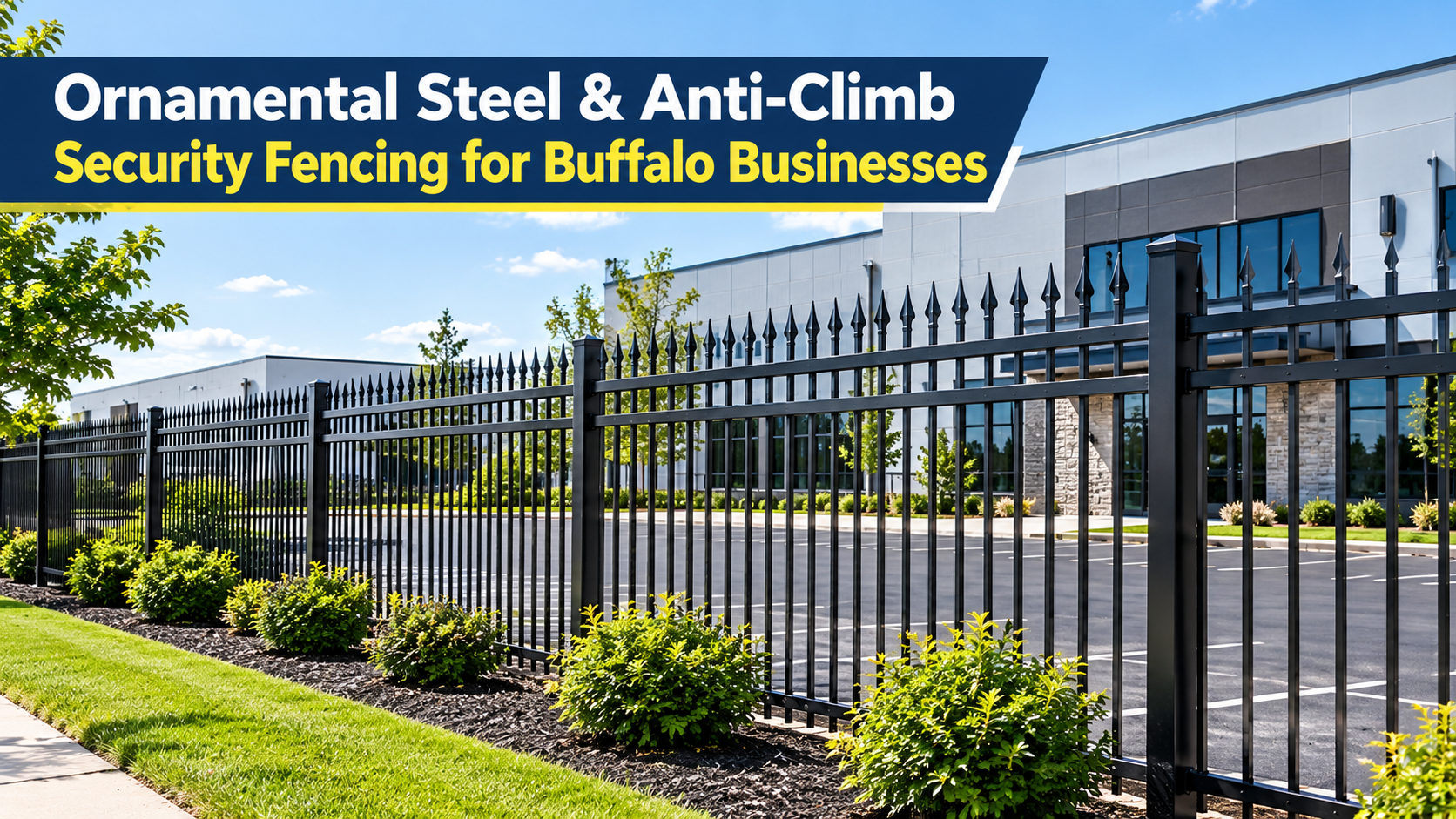
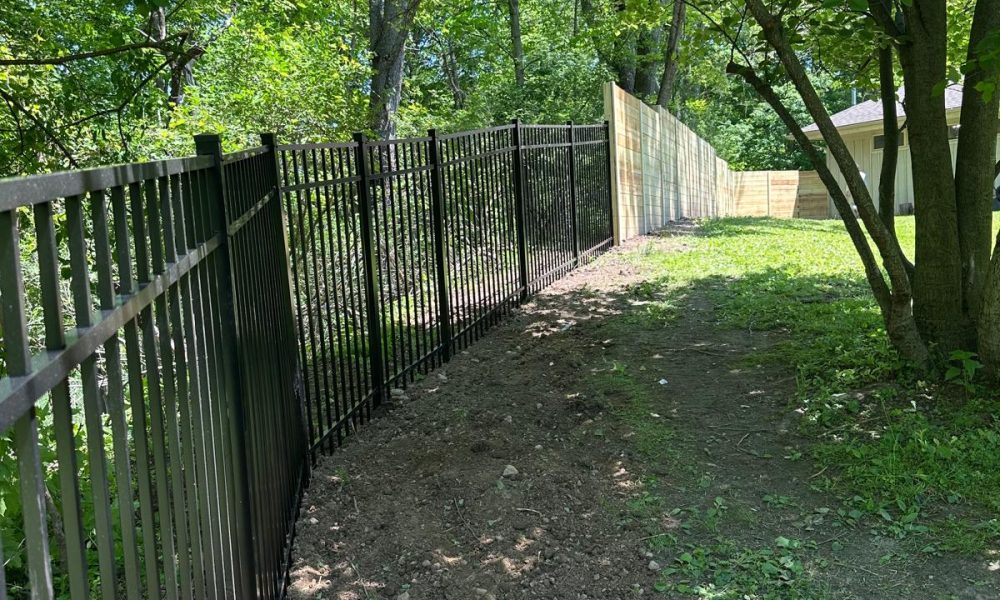
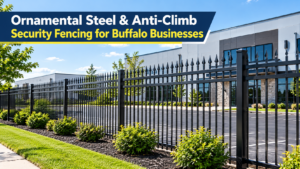
Aluminum fencing works well in snowy regions, too. Aluminum, like iron, will not rust quickly; it resists moisture and freezing very well. It’s light but sturdy enough for winter weather.
| Fence Material | Winter Durability | Maintenance Level | Average Lifespan | Cost Level |
| Wood | Moderate | High | 10-15 Years | Medium |
| Vinyl | High | Low | 20-30 Years | Medium to High |
| Chain Link | High | Low | 15-25 Years | Low |
| Aluminum | Very High | Very Low | 30+ Years | High |
Get the Right Tools & Equipment for a Strong DIY Fence Installation
A top-quality fence can fall short with poor installation.
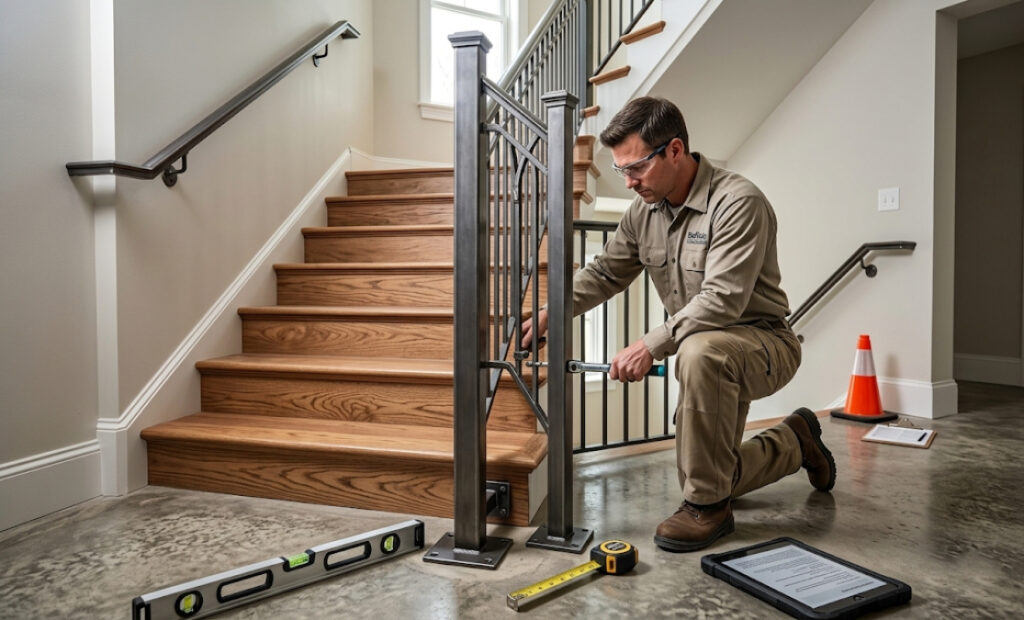
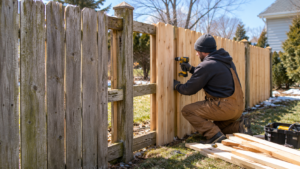
Most fence projects require post hole diggers, concrete mix, levels, and power drills. In western New York, fence posts should also be set below the frost line as the ground shifts during freeze-thaw cycles. Secure and deep posts will support winter pressures.
Weatherproof screws, brackets, and fasteners are also key. Cheap hardware can also rust or weaken and lead to structural damage. Proper DIY fence installation can improve the fence’s longevity.
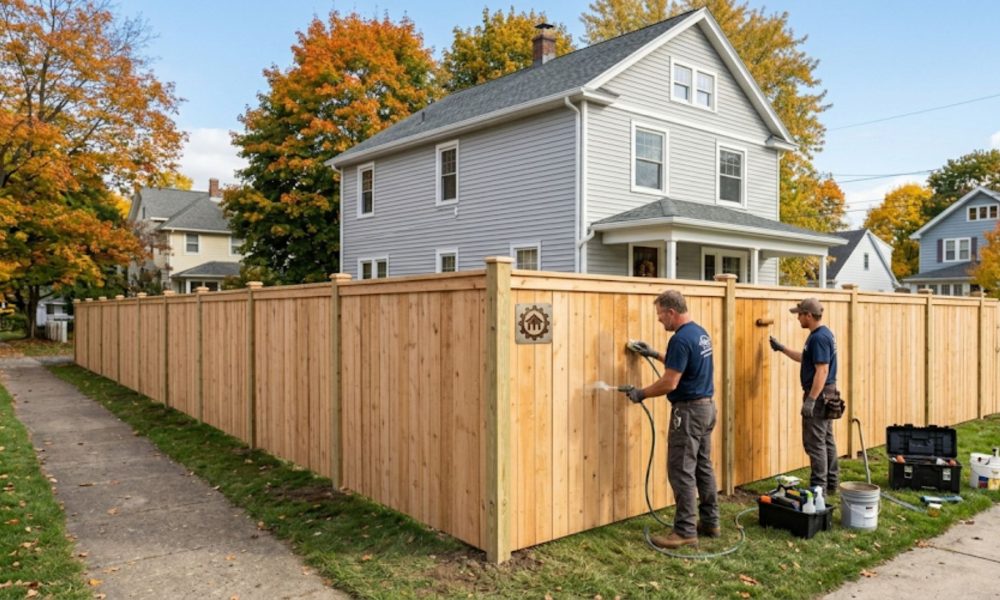
Most homeowners will embark on these projects themselves, but come to see the value in professional assistance. Experienced companies like All Pro Fence Buffalo can help make sure your fence is constructed to withstand the Buffalo climate using the best fencing materials.
Key Cost Factors: Budget, Lifespan, and Maintenance Over Time
The cheapest material is not always the cheapest in the long run. Homeowners also need to consider installation costs, maintenance requirements, and life expectancy before making a final decision.
Wood fencing is often less expensive than vinyl fencing upfront, but it needs to be regularly sealed, stained, and repaired. The costs of maintenance can accumulate over time.
Vinyl fencing is more expensive at first, but it is very low-maintenance and becomes economical over time.
Chain link is the least expensive option. It is durable, easy to care for, and generally requires little in the way of repairs and can last for decades.
Aluminum fencing tends to cost more upfront than any of these options, but it has great durability and requires the least amount of upkeep.
Ways to Select the Best Fence Based on Yard Size, Soil Type, and Layout
Each yard is different, and what works in one yard will not necessarily work in another. Consider yard size, terrain, and soil conditions as part of your decision.
Chain link and wood can be used in large yards for economy’s sake. Vinyl or aluminum can be appropriate for smaller yards, as they can offer a neat, good-looking look without taking up visual space.
Conclusion
There are some steps to take when planning a fence that will stand up to Western New York weather. Cheap fences can rot much quicker than most people anticipate from exposure to snow, freezing temperatures, and moisture. Carefully comparing wood, vinyl, chain link, and aluminum can help you find the best balance of durability, appearance, and cost.
If you want professional help selecting and installing a fence that will endure Buffalo’s harsh climate, contact All Pro Fence Buffalo for reliable service and durable results.
FAQs
Best DIY fencing materials for snowy climates?
For areas with harsh winters and heavy snowfall, vinyl, aluminum, and chain-link fences are excellent DIY choices. These materials resist moisture, freezing temperatures, and seasonal weather changes without requiring extensive upkeep.
Will wood fencing survive winters in Buffalo?
Yes, wood fences can handle Buffalo winters when properly maintained. Applying protective sealants and addressing moisture exposure regularly helps prevent issues such as warping, cracking, and decay.
What fence materials are most durable?
Vinyl and aluminum are among the longest-lasting fencing materials available. They resist weather damage, corrosion, and everyday wear while requiring very little maintenance over time.
Are vinyl fences cold-weather friendly?
Absolutely. High-quality vinyl fencing is designed to withstand freezing temperatures, snow, and moisture. It won’t rust, rot, or absorb water, making it a reliable option for cold climates.
What is the cheapest DIY fence?
Chain-link fencing is often the most budget-friendly DIY fencing solution. It offers durability, security, and a straightforward installation process while keeping material costs low.
Why do fence posts lean after winter?
Winter freeze-thaw cycles can cause the ground to expand and contract, gradually shifting fence posts out of position. Improper installation or insufficient post depth can make this problem more noticeable.
How deep should fence posts go in WNY?
In Western New York, fence posts should extend below the local frost line to help prevent movement during winter. Proper depth provides greater stability and reduces the risk of shifting over the years.
Is aluminum better than wood fencing?
Aluminum fencing offers superior resistance to moisture, insects, and weather-related damage. While wood provides a traditional appearance, aluminum generally requires less maintenance and delivers longer-lasting performance.