Winter. That’s the word that comes up first whenever someone asks us about an automatic gate opener. At All Pro Fence Buffalo, we get the same call every fall: a homeowner wants to know if a motorized gate can actually hold up once the snow starts piling against the fence line. It’s a fair question.
An opener that works fine in Florida can seize up here by January if it wasn’t picked or installed right.
So before you type gate installation near me into your phone and start comparing quotes, it helps to know what actually goes into this decision. This guide covers how these systems work, what holds up in our climate, and what you’re really paying for.
How Automatic Gate Openers Work
At the core, an automatic gate opener is a motor connected to your gate that swings or slides it open on command. A control box runs the logic, a set of sensors keeps it from closing on a car or a kid, and a power source keeps the whole thing running. Swing gates use arm-style operators, while slide gates run on a track with a gear-driven trolley. Both do the same basic job.
The difference comes down to your driveway layout and how much clearance you’ve got to work with. A narrow driveway with a steep grade usually points us toward a swing gate, while wider flat driveways handle a sliding system without much trouble.
Beyond the physical motor, the true intelligence of automatic gate openers lies in the access control options that trigger movement. Modern systems offer diverse entry methods, including remote fobs, wireless keypads, or sophisticated smartphone apps that allow you to operate the gate from anywhere.
This connectivity is particularly beneficial for Buffalo residents during harsh winter months, as it eliminates the need to exit the vehicle in freezing temperatures or heavy snow to manually open a latch.
The “logic” within the control box also manages critical safety protocols. Most installations include photoelectric eyes that project an infrared beam across the driveway. If an object, vehicle, or person breaks this beam while the gate is closing, the system instantly reverses to prevent a collision. For high-traffic areas, edge sensors can be added to the gate’s leading edge as a secondary failsafe.
Power reliability is another vital component. While most systems are hardwired into your home’s electrical grid, they often include a battery backup to ensure functionality during power outages. For more remote properties, solar panels can be integrated to keep the batteries charged.
However, given the local climate, the motor and its housing must be robust enough to withstand significant wind loads and the mechanical strain of moving a gate through potential snow accumulation.
Proper installation by experts like All Pro Fence Buffalo ensures the system is anchored below the 42-inch frost line, preventing the shifting and misalignment that often plagues DIY setups.
Solar vs Hardwired vs Battery Systems
Homeowners usually ask us to compare three power setups, and each has real tradeoffs. Hardwired systems pull straight from your home’s electrical panel and handle heavy daily use without much thought. Solar setups charge a battery through a panel mounted near the gate, which works well if running a trench for wire isn’t practical.
Battery-only systems, charged occasionally by hand or a small trickle charger, suit gates that open just a few times a day.
Buffalo’s shorter winter daylight hours can slow solar charging, so we usually pair solar setups with a slightly oversized battery here. That extra buffer matters more once November hits.
Cold-Weather Reliability in Buffalo
This is where a lot of openers bought online fall apart, literally. Cheap gear-drive motors weren’t built for single-digit mornings, and the grease inside thickens up until the motor strains just to move the gate. We spec cold-rated motors and lithium battery backups for anything installed north of the city, because lead-acid batteries lose real capacity once temperatures drop.
Ice buildup around hinges and tracks causes more service calls than motor failure does, honestly. A gate that’s graded for our winters, installed with the right clearance for snow and ice, saves you a lot of frustrated mornings standing in the driveway.
Safety Sensors and Code Requirements
Every automatic gate we install gets photo-eye sensors, and in most cases, a safety edge on the leading side of the gate too. These aren’t optional extras. UL 325 sets the safety standard for gate operators sold in the US, and it exists because a moving gate without sensors is a real hazard to kids, pets, and cars backing out.
Local building codes in Erie County also weigh in on setback and clearance requirements depending on where the gate sits relative to the road. We check both before we ever quote a job, not after.
Access Controls: Keypad, Remote, App
Most homeowners start with a keypad and a couple of remotes, which covers daily use without much fuss. App-based control has gotten a lot more reliable over the past few years, letting you open the gate for a delivery or a guest from your phone no matter where you are.
Some setups combine all three, so a housekeeper gets a code, family gets remotes, and you get app access for everyone else. It’s worth deciding this upfront, since retrofitting access hardware later usually means running new wire.
We also set up temporary codes for contractors or short-term guests, which saves you from handing out a permanent one you’ll forget to remove later.
Backup Power During Outages
Western New York loses power more than people expect, especially during a bad lake-effect storm. A battery backup keeps a hardwired gate opener working through most outages, at least long enough to open the gate and let you park inside. We size the backup battery to your gate’s weight and usage, not a generic number off a spec sheet.
Manual release handles are standard on every install too, so you’re never actually locked out even if the battery runs dry.
Installation and Wiring Overview
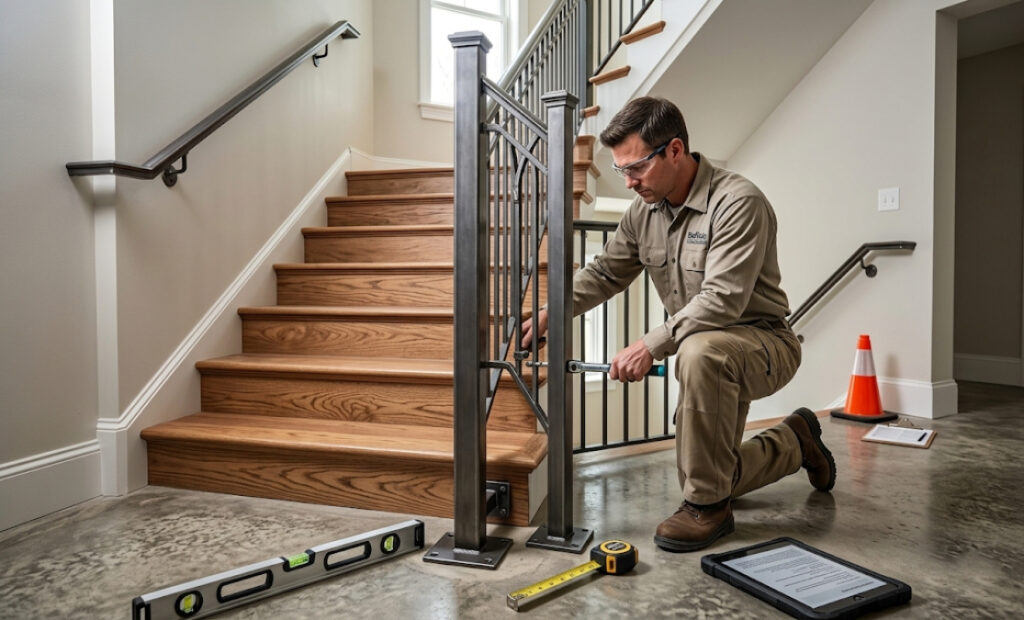
Electric gate installation involves more than bolting a motor to a post. We run conduit for the power and sensor wiring, set the gate posts in concrete footings deep enough to handle our frost line, and calibrate the motor’s force settings so it doesn’t strain against ice or debris.
A rushed install shows up fast, usually as a gate that drifts out of alignment or a sensor that trips for no reason. We’ve fixed enough of those jobs to know it’s cheaper to do the wiring right the first time than to redo it a year later.
Ongoing Maintenance Needs
A gate opener isn’t a set-it-and-forget-it system, even a good one. Hinges and rollers need grease a couple times a year, sensors need a quick wipe-down, and the battery backup should get tested before winter hits.
Most issues we see on service calls trace back to skipped maintenance, not bad equipment. Twenty minutes of upkeep in October usually saves a stuck gate in a January snowstorm.
Cost and ROI
Gate motor cost varies a good deal depending on gate size, power setup, and access hardware. A basic swing gate opener with a keypad typically runs less than a slide gate system built for a wider driveway with app access and battery backup.
Beyond the upfront number, an automatic gate adds real security and curb appeal, and buyers notice it during a home sale. It’s not a project that pays for itself overnight, but most homeowners tell us the daily convenience alone was worth it by the second winter.
Choosing the Right Opener Brand
We’ve installed enough brands over the years to have real opinions here, not just a sales pitch. Look for a manufacturer with a track record in cold climates and parts availability that doesn’t require a two-week wait if something breaks. Warranty terms matter too, especially on the motor and control board, which are the most expensive parts to replace.
Homeowners running a quick gate installation near me search often end up comparing five or six brands without knowing which ones actually hold up locally. All Pro Fence Buffalo sticks with a short list of brands we trust after years of service calls, and we’re happy to explain why during a quote.
Wrapping It Up
An automatic gate is a real investment, and it’s one that should hold up to actual Buffalo winters, not just a spec sheet. If you’re comparing options and searching gate installation near me, it helps to talk with someone who’s installed and serviced these systems through more than one bad winter.
This post is part of our larger guide, Fence & Driveway Gate Installation in Buffalo, NY: Complete Guide, which covers fencing and gate projects from start to finish. All Pro Fence Buffalo has been through enough ice storms to know what actually holds up here.
Frequently Asked Questions
How long does an automatic gate opener last?
Most quality openers last 10 to 15 years with regular maintenance, though motor life depends on usage and how well it’s protected from moisture and ice. Cheaper units often fail sooner in our climate. Cold-rated equipment and yearly upkeep make the biggest difference in lifespan.
Can I add an opener to my existing gate?
Usually, yes, as long as the gate frame is sturdy enough to handle motor stress and the posts are set well. We inspect the existing structure first since a weak gate can damage a new opener quickly. Reinforcement is sometimes needed before installation.
Do I need a permit for electric gate installation?
It depends on your municipality and the gate’s location relative to the road or property line. Some Erie County towns require a permit for setback compliance. We handle the permit process as part of most installs so homeowners don’t have to track it down themselves.
What happens if the power goes out?
A battery backup keeps most systems running through short outages, and every gate we install includes a manual release so you can open it by hand if the battery runs out. You’re never actually stuck outside your own driveway.
Is solar power reliable for Buffalo winters?
Solar works, but shorter daylight hours in winter mean slower charging, so we typically pair solar setups with a larger battery for our area. For gates used often, hardwired power tends to be more consistent through the coldest months.
How much does a gate motor cost to replace?
Replacement cost depends on the motor type and gate size, with swing gate motors generally running less than heavier-duty slide gate motors. Labor adds to the total, especially if wiring needs updating. We provide a clear quote before any replacement work starts.
How do I find a reliable installer near me?
Ask about cold-climate experience specifically, not just general installation history. A search for gate installation near me will turn up plenty of options, so check for local reviews, warranty terms, and whether they handle service calls after the sale, not just the install.