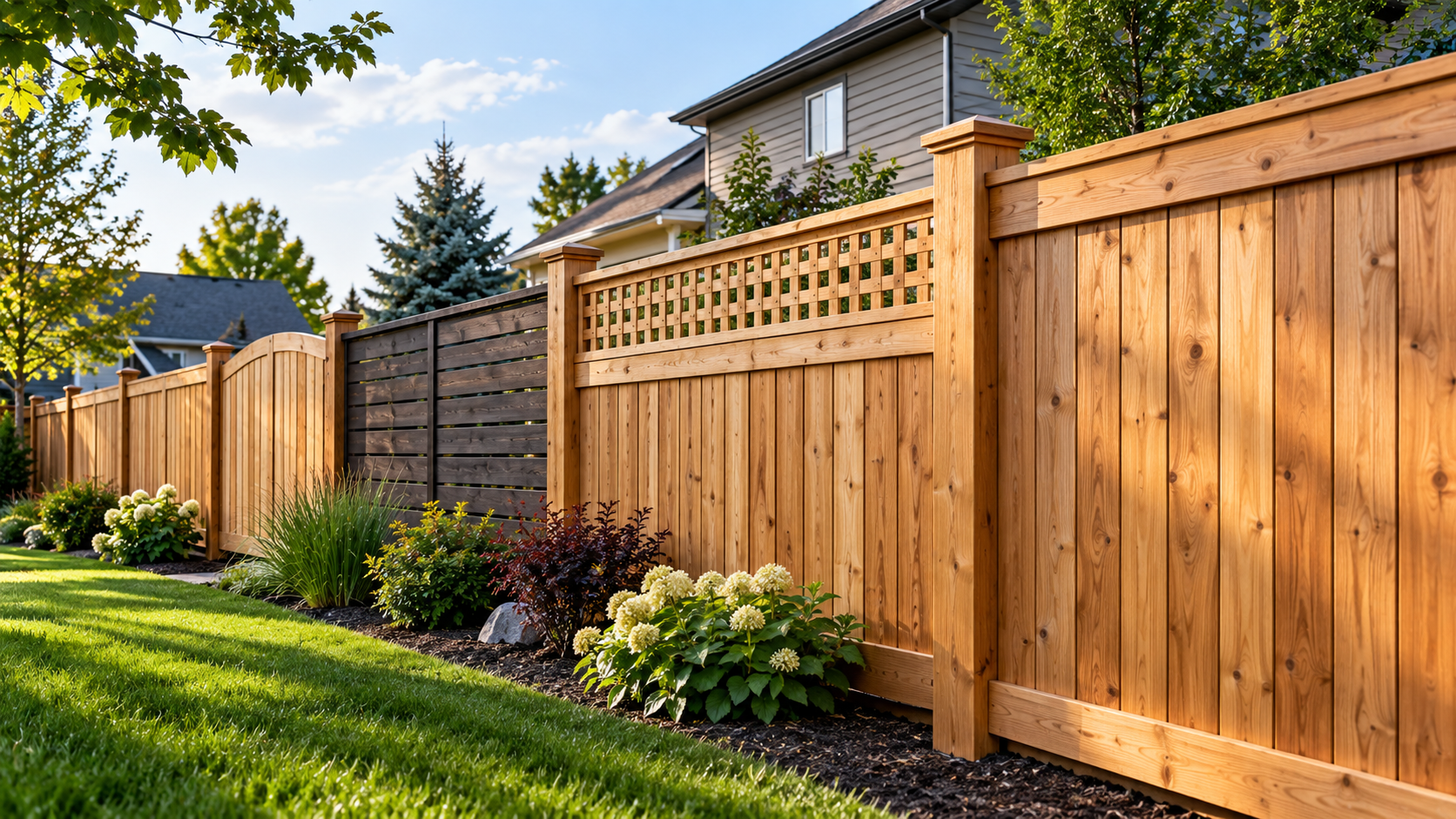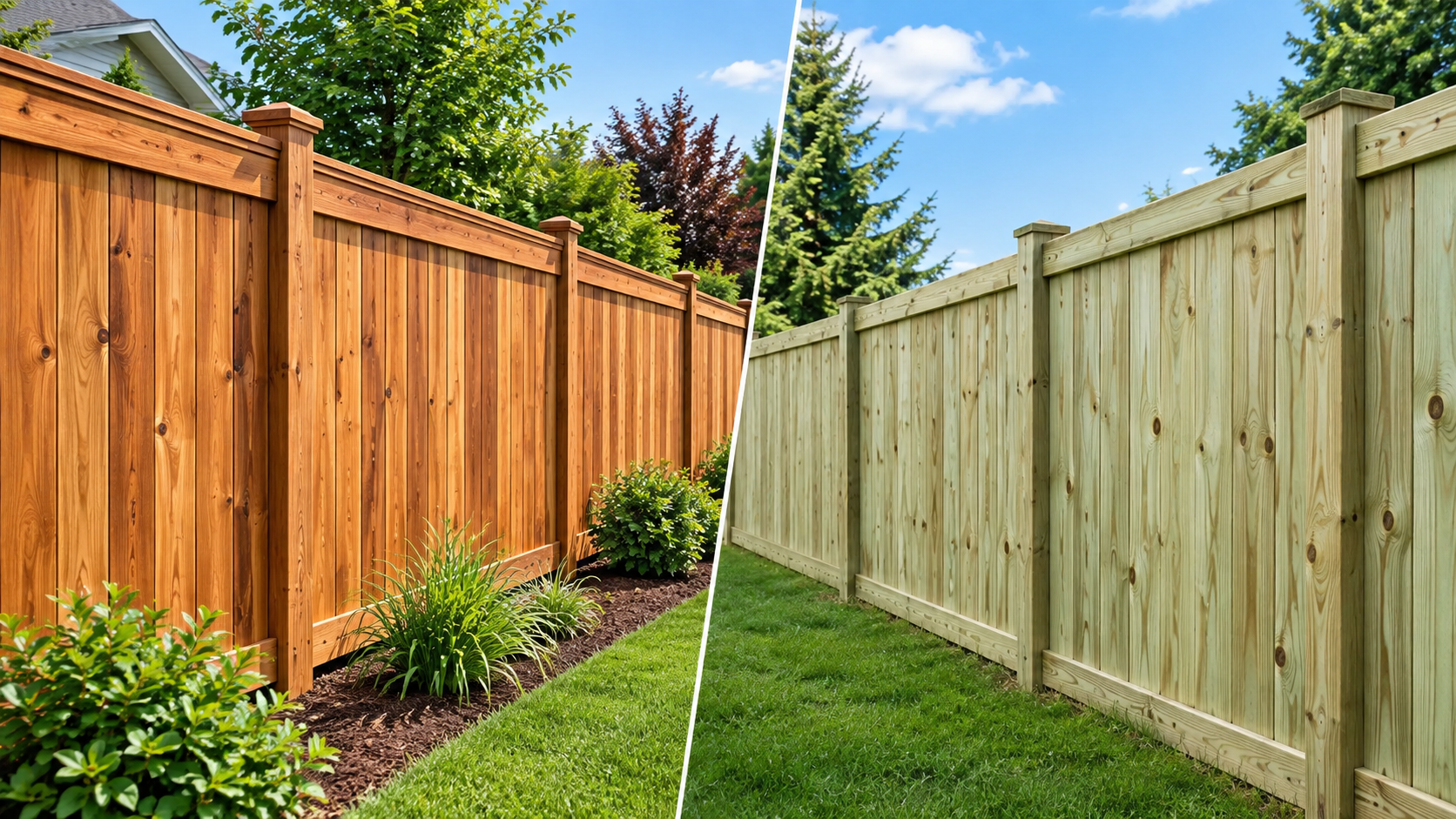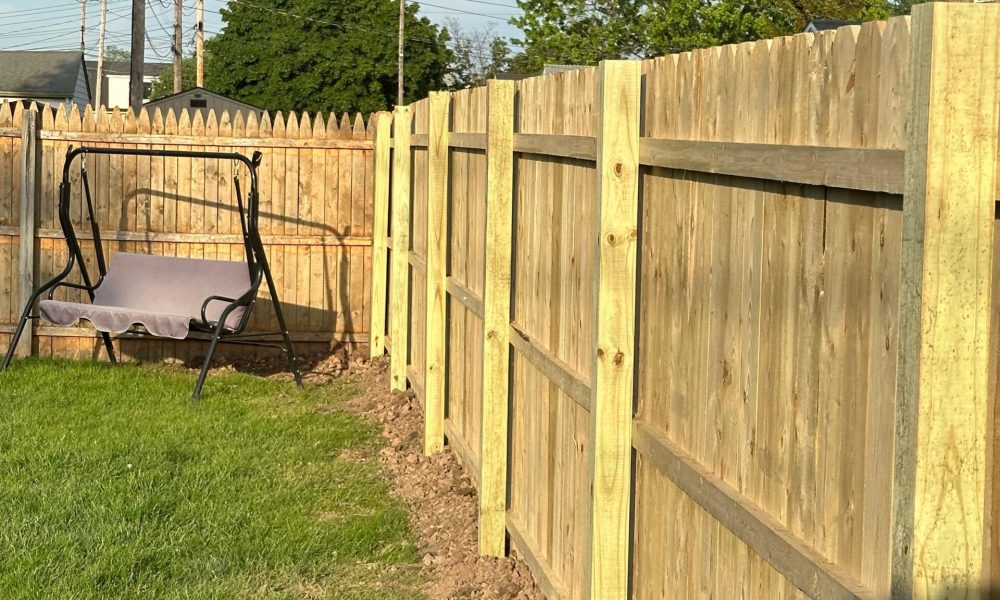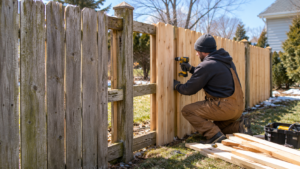
Making your own fence can be a rewarding project, but the end result depends on quality materials. No matter if you’re creating a basic property line in the backyard or a decorative privacy screen, the best diy fence materials can help ensure a top-notch appearance. If you live in Buffalo, a trustworthy company like All Pro Fence Buffalo can simplify, lower the cost, and ensure the success of the process for you.
You’ll learn where and how to get good materials and how to plan a successful project.
Top-rated Local Suppliers for Fence Materials
When it comes to finding diy fence materials, local suppliers in Buffalo offer a major advantage. They understand the climate, soil, and construction needs of their region. That allows them to recommend materials that are more durable and perform better, too.
All Pro Fence Buffalo is an excellent option for homeowners looking for quality fencing supplies that will last. They supply materials that run the gamut from pressure-treated wood to vinyl and metal options, all appropriate for Buffalo’s weather. The benefit of working with a local expert is that you’re getting materials and advice that can help you avoid expensive blunders.
How to Choose the Right Fence Materials: Key Factors for Durability, Weather Resistance & Budget
Choosing the right materials isn’t just about looks. Consider durability, maintenance, and cost. The weather in Buffalo is brutal, with snow, rain, and humidity, all of which impact the lifespan of a fence.
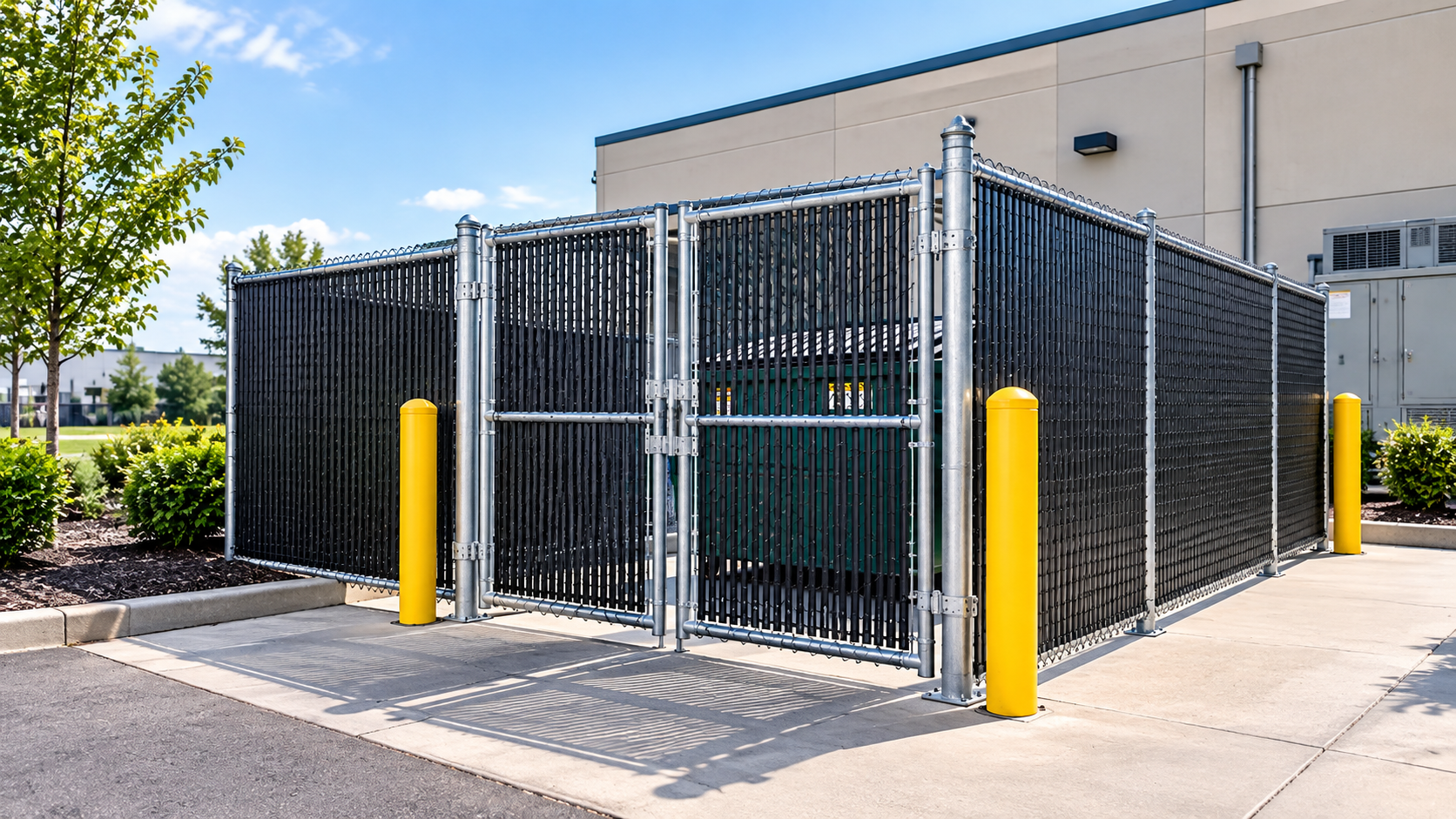
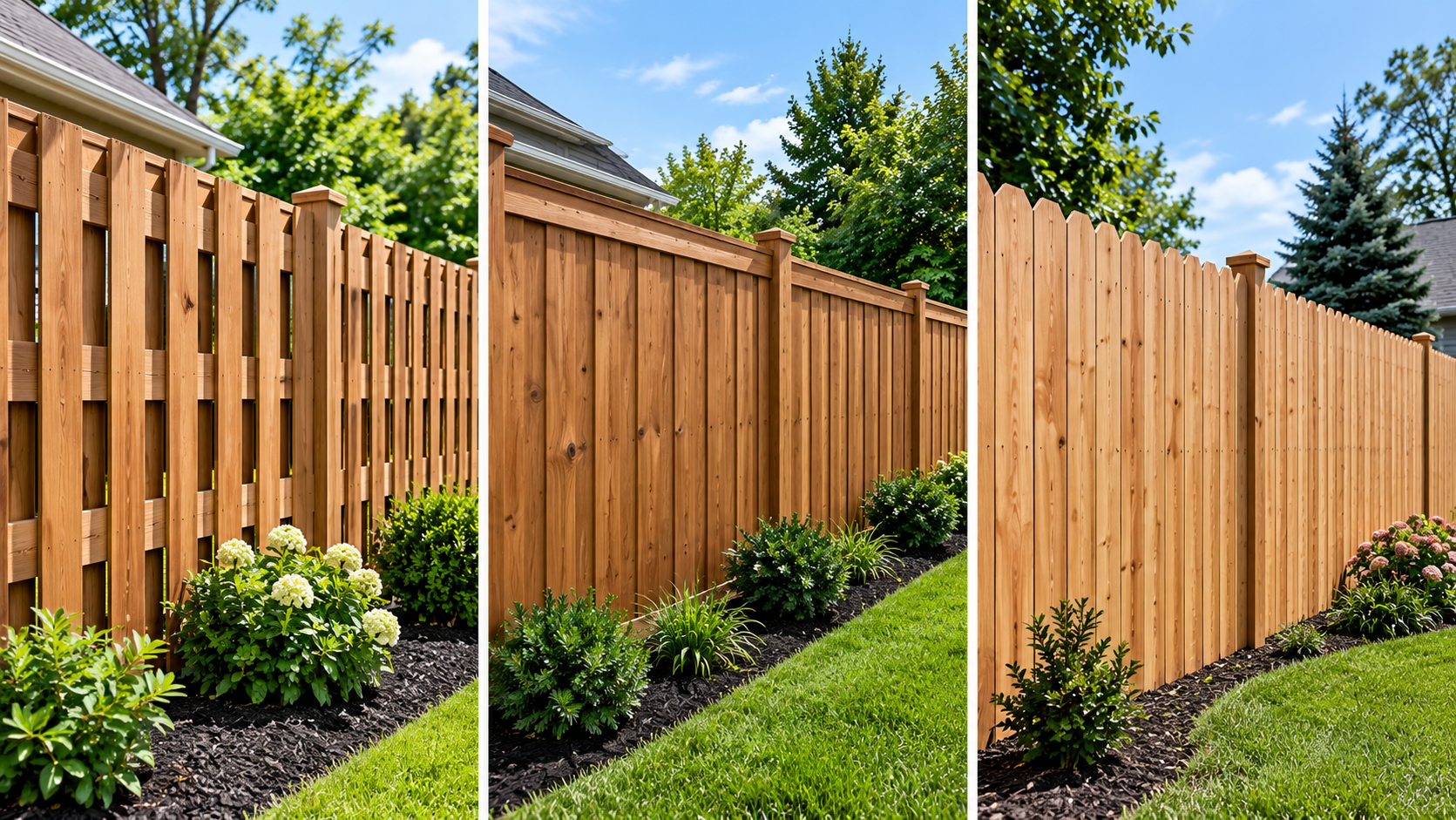
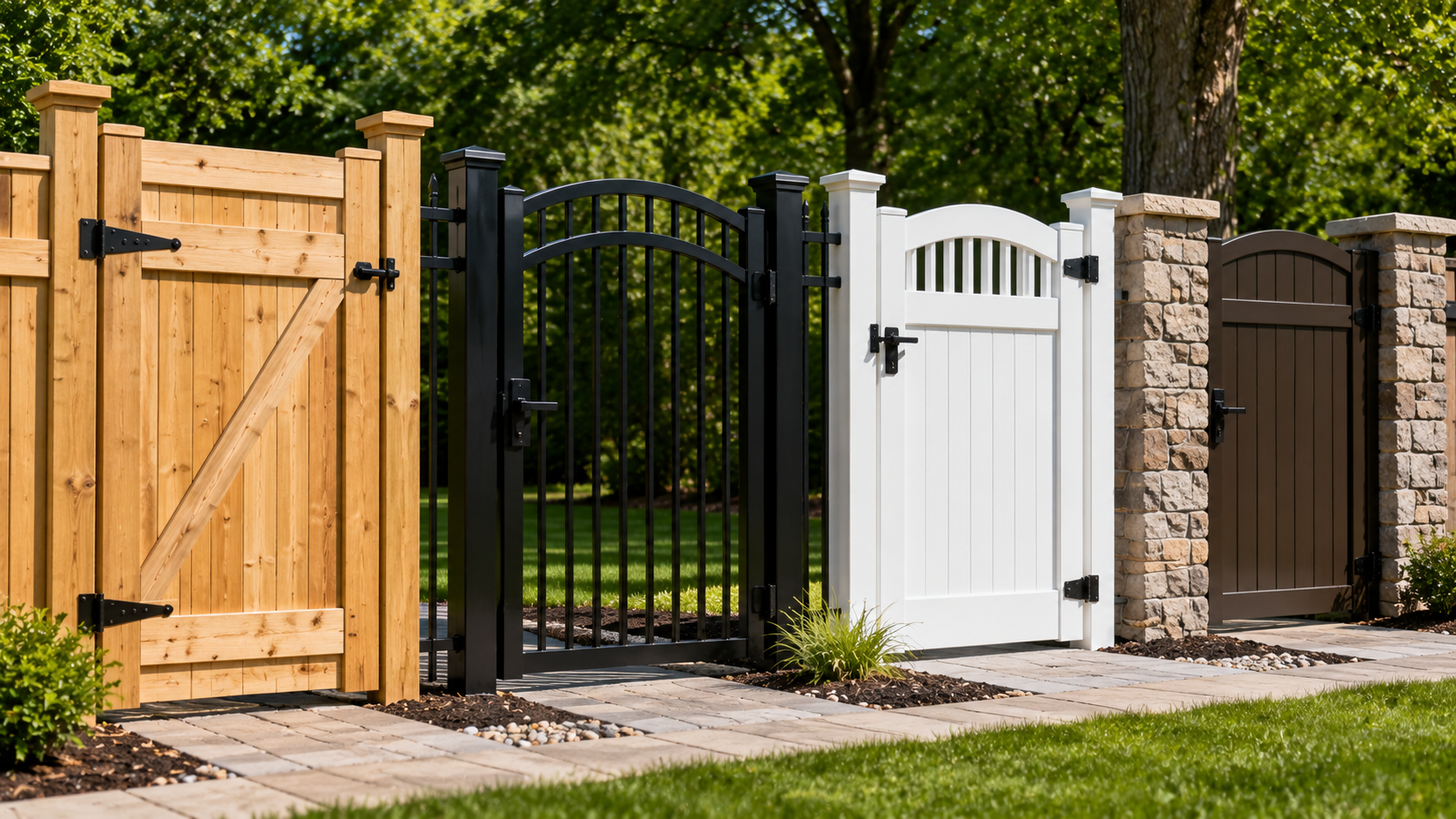
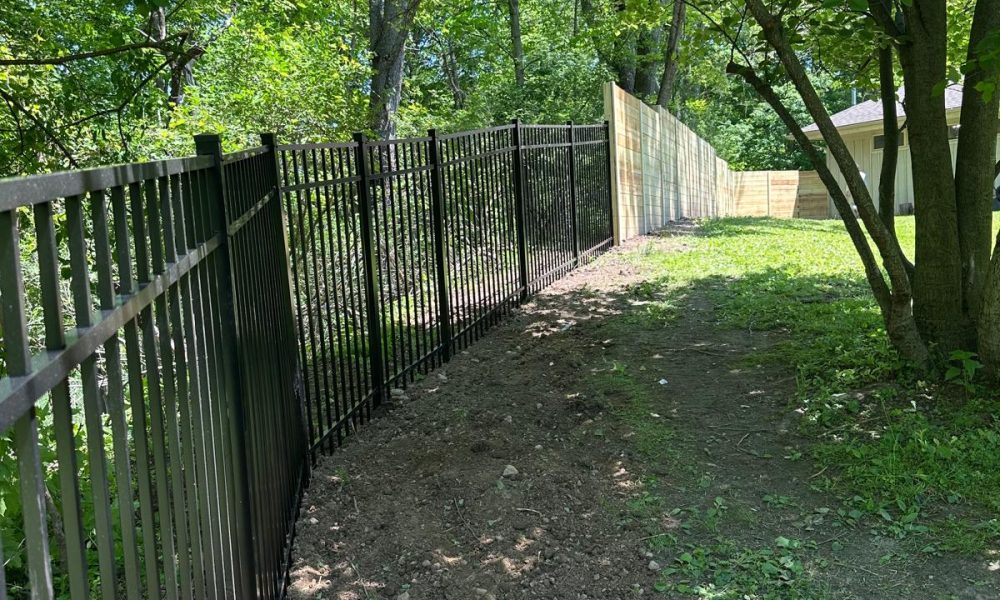
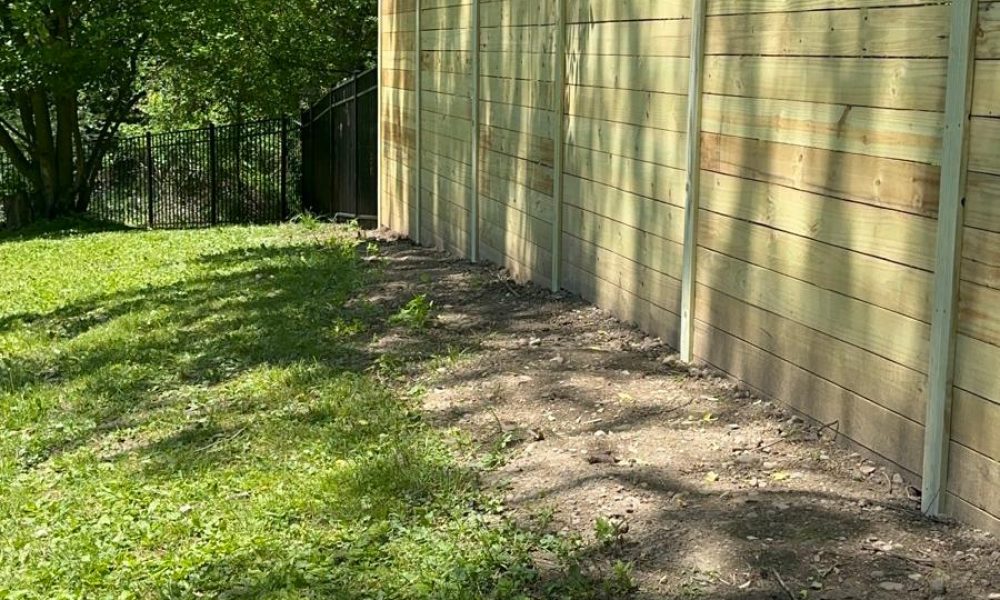
Wood is also a common material because it tends to be low-cost and easy to work with, making it one of the least expensive fencing materials for diy projects. But it takes maintenance. Vinyl is more expensive up front, but it stands up well to the weather and requires little maintenance. Metal fences are also strong and secure, but can be made of aluminum or steel, which may be more costly.
Make decisions based on a balance of budget and long-term performance when selecting materials. Investing a little more in quality materials will save you repairs and replacements down the road.
Why Buying High-Quality DIY Fence Materials Saves Money in the Long Run
Using cheaper materials can be very tempting during the planning process, but it can actually be more expensive in the long run. Cheap materials will warp, crack, or rot very quickly, particularly in Buffalo’s climate.
Over time, a quality fence will pay for itself because it’ll be more durable and continue to look good. Quality materials perform better, last longer, protect your property more effectively, and require less maintenance and repairs. That saves you not only the materials costs, but also labor and maintenance.
Durable options that offer long-term value are the focus of suppliers such as All Pro Fence Buffalo, making them a wise investment for homeowners.
Best Tools & Equipment to Get Before Starting Your DIY Fence Project
The first thing that you will want to do before building your fence is to gather your tools. Correct equipment is important for expedient and precise installation.
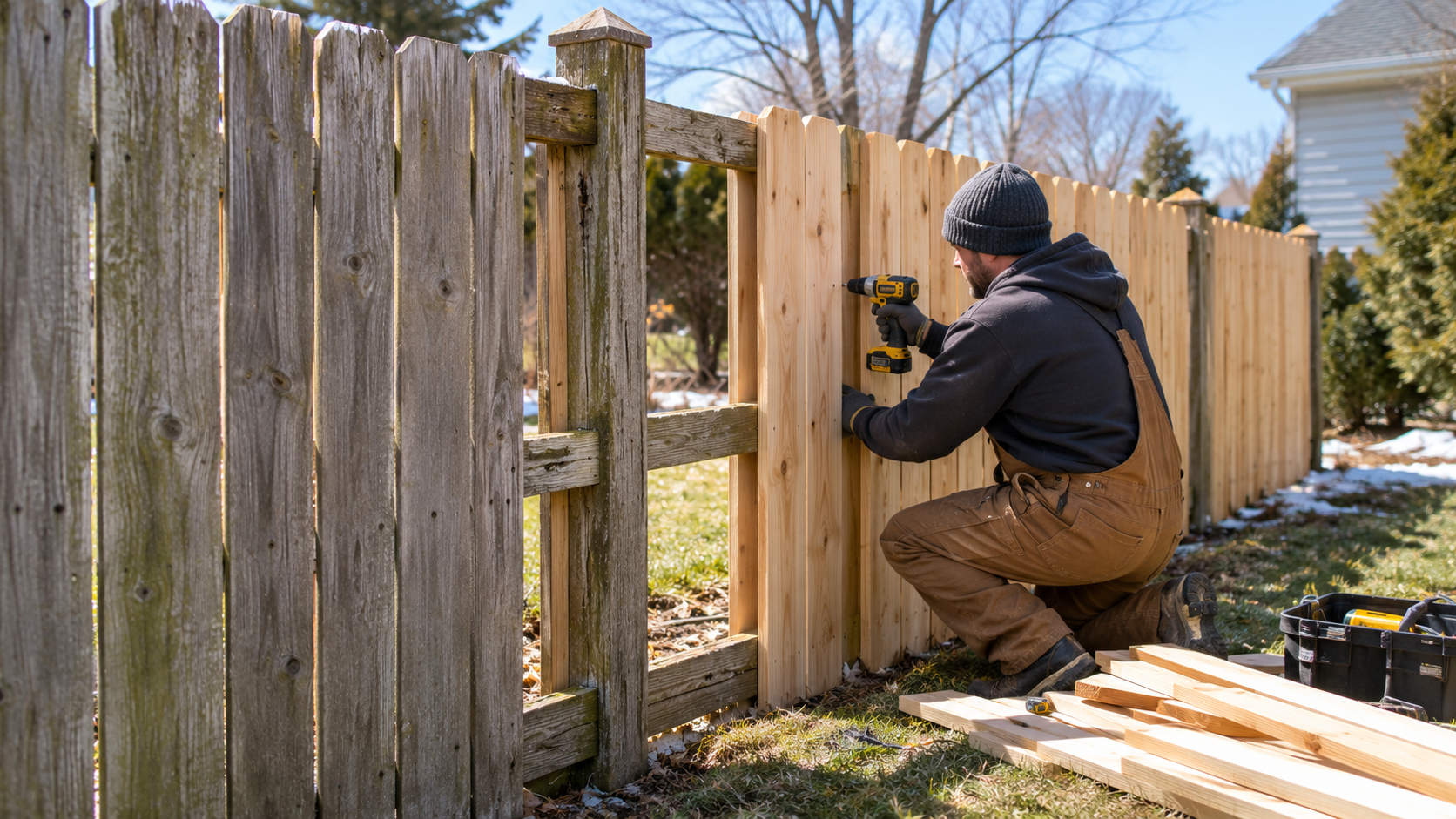
Basic tools would include a post hole digger, level, measuring tape, hammer, and drill. For larger projects, you may need a power auger or concrete mixer. Having the right tools also ensures that you install your fence so that it is more durable and looks better.
A good list of diy fence materials will not deliver good results without proper tools. Preparation is as important as the materials used.
How Much Area Can You Cover? Planning Fence Length, Height & Material Quantities
The first step in any fencing project is planning. You must take measurements of your property to know how much material you will need.
The first step is to find the total length of the fence line. Then use those to decide how high it should be if you need it for privacy, decoration, or security. You use this information to estimate how many posts, panels, and other materials you will need.
Knowing what diy fence materials to purchase will help you avoid overbuying supplies or not having enough supplies for your project. Your local suppliers, like All Pro Fence Buffalo, can help you figure out the precise amounts you’ll need for your project.
Where to Get Premium Fence Materials Locally: How to Select Reliable Suppliers in Buffalo
Just as important as materials selection is supplier selection. A good supplier delivers product quality, fairness in pricing, and good advice.
Things to consider when searching for where to buy diy fence materials include product selection, reviews, and experience. Local fencing companies or contractors will be able to help you best because they are familiar with your specific needs.
All Pro Fence Buffalo is one supplier that combines quality materials with expert help. They help homeowners choose materials and give tips to ensure a successful installation.
Key Questions to Ask Before You Buy: Warranty, Material Grade, Maintenance & Installation Tips
Before purchasing your materials, it is important to ask a few important questions. Understanding the warranty can give you peace of mind about your investment. The material grade is an important factor in determining the quality and durability.
Also, ask about maintenance and installation. Knowing this can prevent you from making the common errors and help your fence last longer.
Purchasing your materials from someone like All Pro Fence Buffalo, who really knows what they are talking about, can give you helpful tips that will make your home improvement project easier to accomplish.
The Conclusion
Constructing a fence may be a great DIY project to enhance your property as well as save some money. But the right diy fence materials from a good supplier can make your project a success.
With proper preparation, some quality materials, and knowing what you need, you can do it yourself and produce professional results.
FAQs
What are the most basic DIY fence materials?
Basic DIY fence materials include fence posts, panels, rails, fasteners, concrete, and protective coatings. The exact materials depend on the type of fence you choose. Quality materials help improve durability and appearance. Proper preparation also ensures a stronger and longer-lasting fence.
Where can I buy DIY fence materials in Buffalo?
You can buy DIY fence materials from local suppliers and fencing companies in Buffalo. Many stores offer wood, vinyl, chain link, and aluminum fencing supplies. Choosing a trusted supplier ensures better material quality and expert guidance. Local providers may also offer delivery and installation tips.
What materials are the cheapest for DIY fence projects?
Pressure-treated wood is one of the most affordable materials for DIY fencing projects. It offers durability at a lower cost compared to vinyl or aluminum. Chain link fencing is another budget-friendly option. The final cost depends on fence size and material quality.
How long will a DIY fence last?
A well-built DIY fence can last between 15 to 30 years depending on the material used. Proper installation and regular maintenance play a major role in durability. Vinyl and aluminum fences usually last longer than wood. Weather conditions also affect the lifespan.
Is vinyl better than wood fencing?
Vinyl fencing is more durable and requires less maintenance than wood fencing. It resists moisture, insects, and rotting over time. Wood fencing, however, is often more affordable and offers a natural appearance. The best option depends on your budget and style preference.
Do I need a permit to build a fence in Buffalo?
In many cases, a fence permit is required before installation in Buffalo. Permit rules may vary depending on fence height, location, and property lines. Checking local regulations helps avoid legal or zoning issues. It’s best to contact your local building department before starting.
How deep should fence posts go?
Fence posts should generally be installed about one-third of their total length underground. Proper depth helps provide stability and prevents leaning or shifting. In colder climates, posts should extend below the frost line. Concrete is often used to secure the posts firmly.
Is it possible to build a fence without a contractor?
Yes, many homeowners can successfully build a fence themselves with the right tools and planning. DIY fencing can help save money on labor costs. However, it requires careful measuring, digging, and installation skills. Complex projects may still benefit from professional assistance.
How do I maintain my fence?
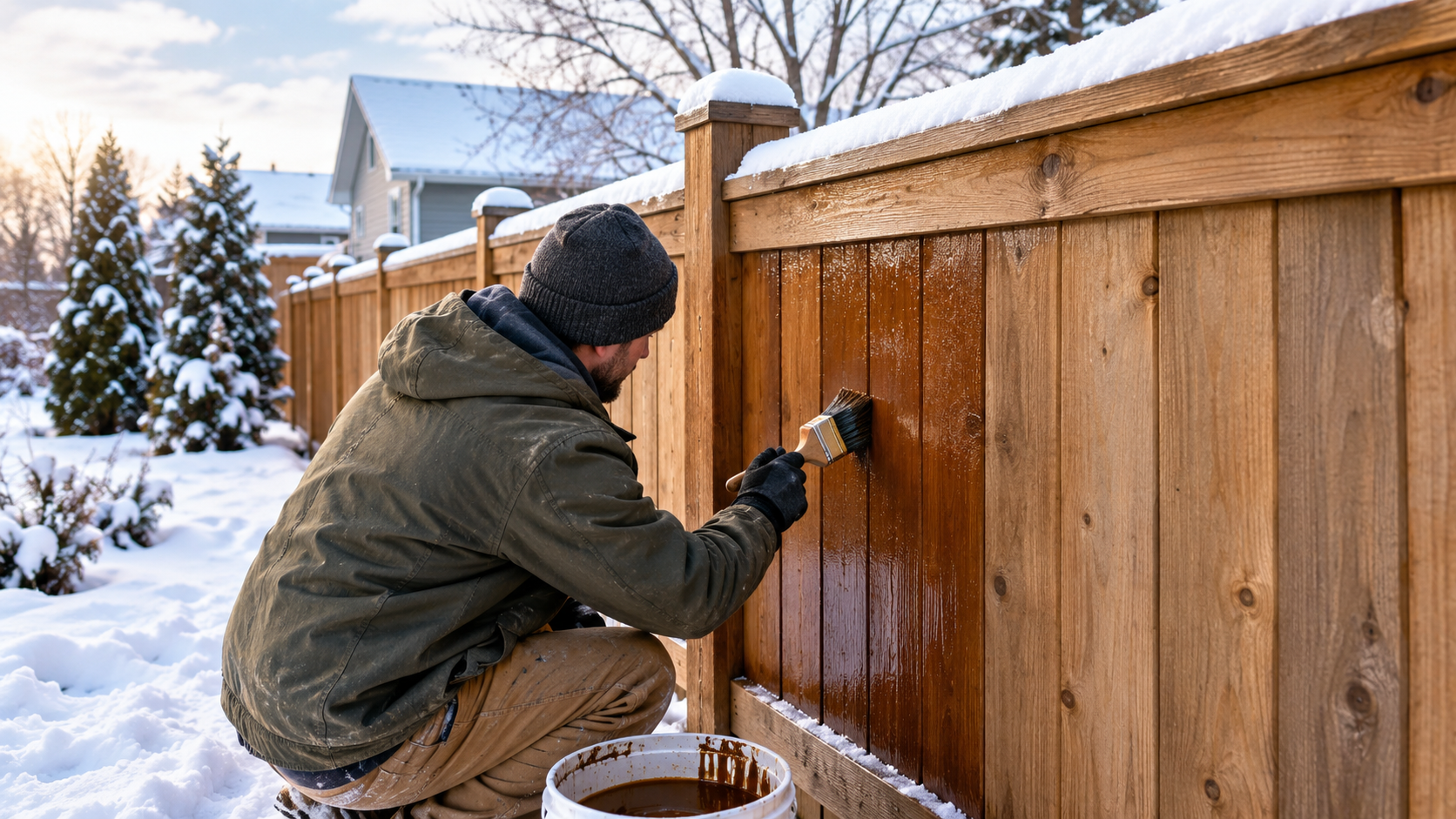
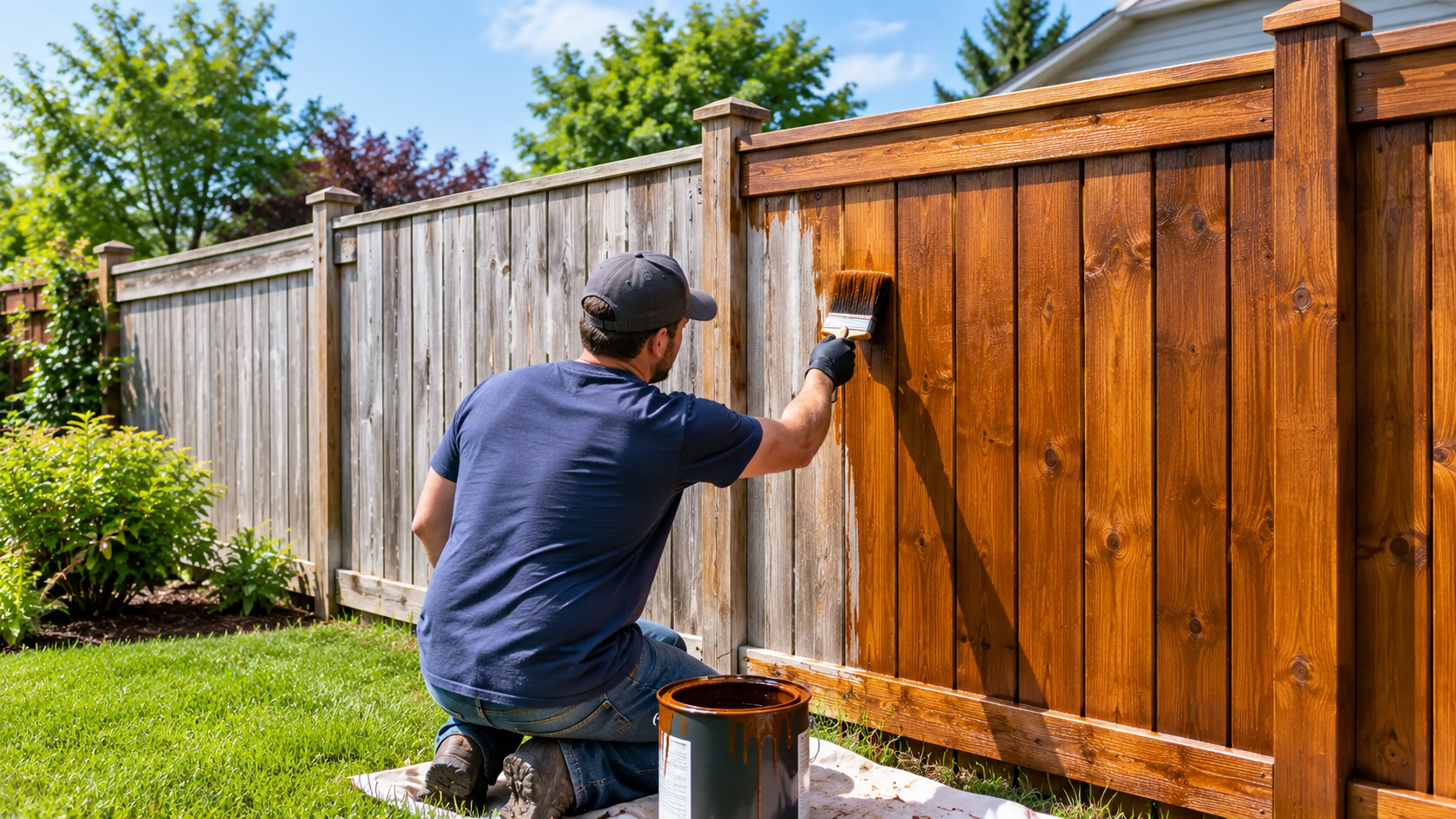
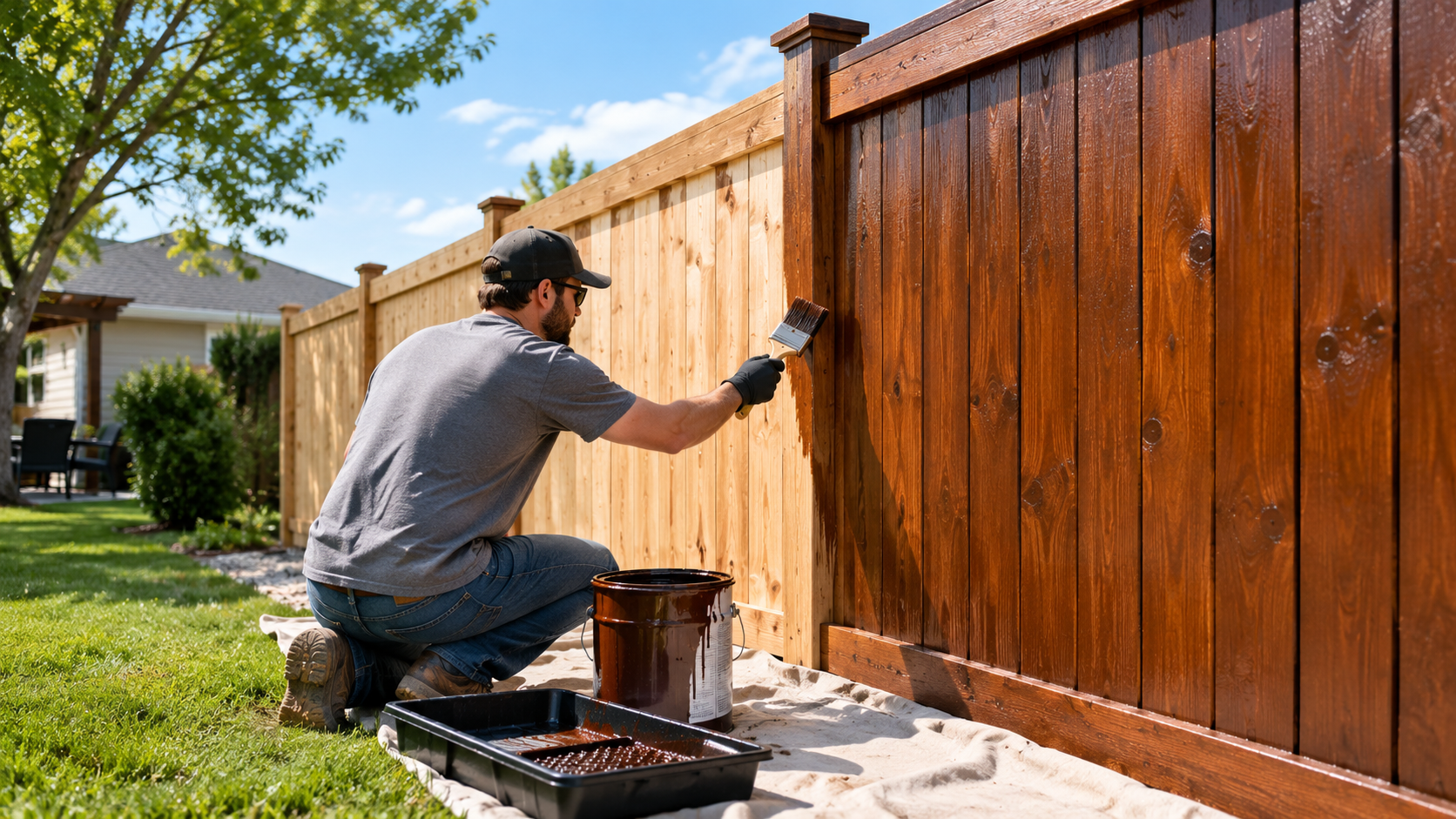
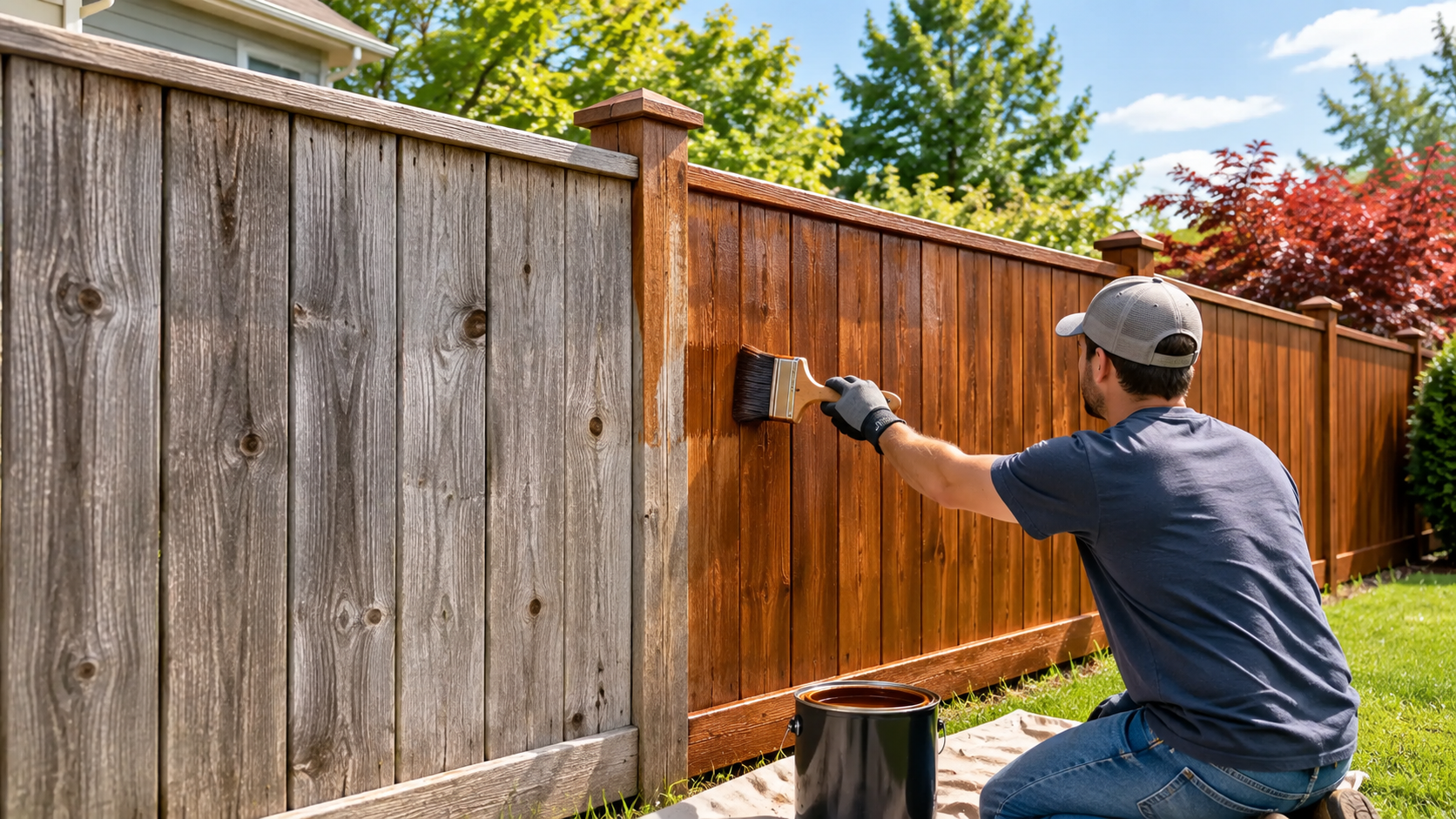
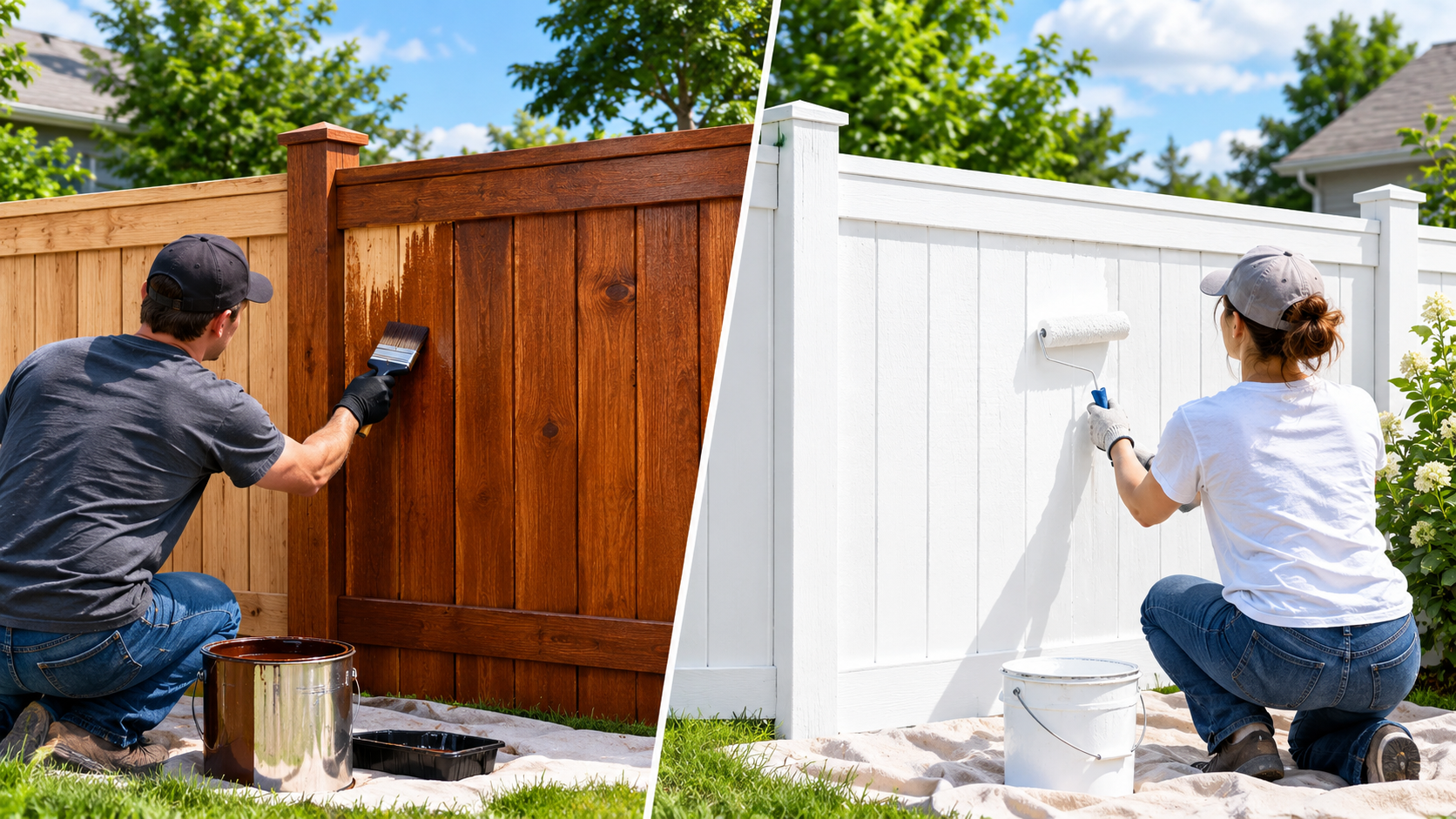
Regular maintenance helps extend the life of your fence and maintain its appearance. Cleaning, sealing, staining, or painting protects the material from weather damage. Inspecting for loose boards or rust can prevent bigger problems. Routine care keeps your fence strong and attractive.