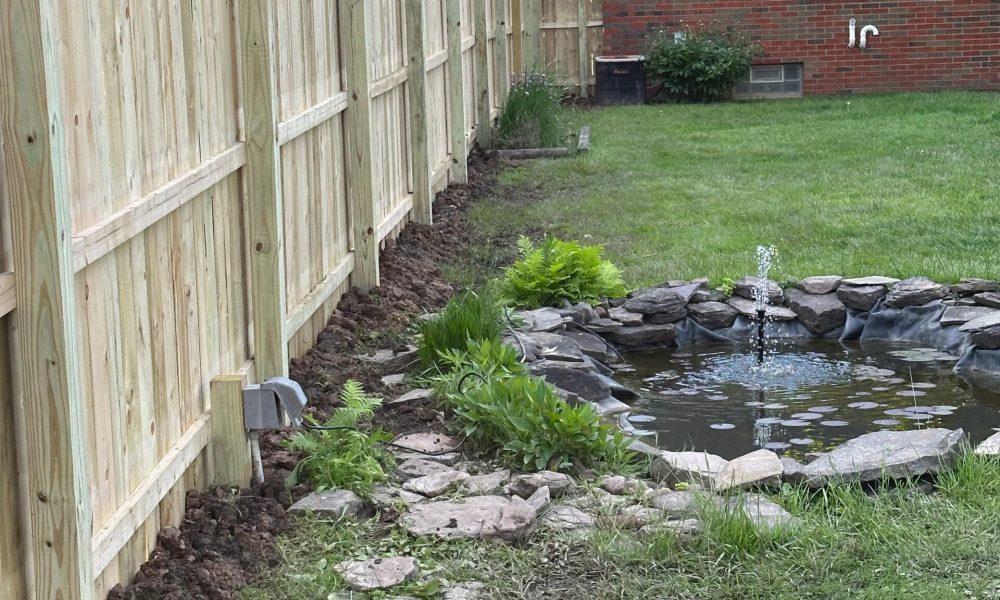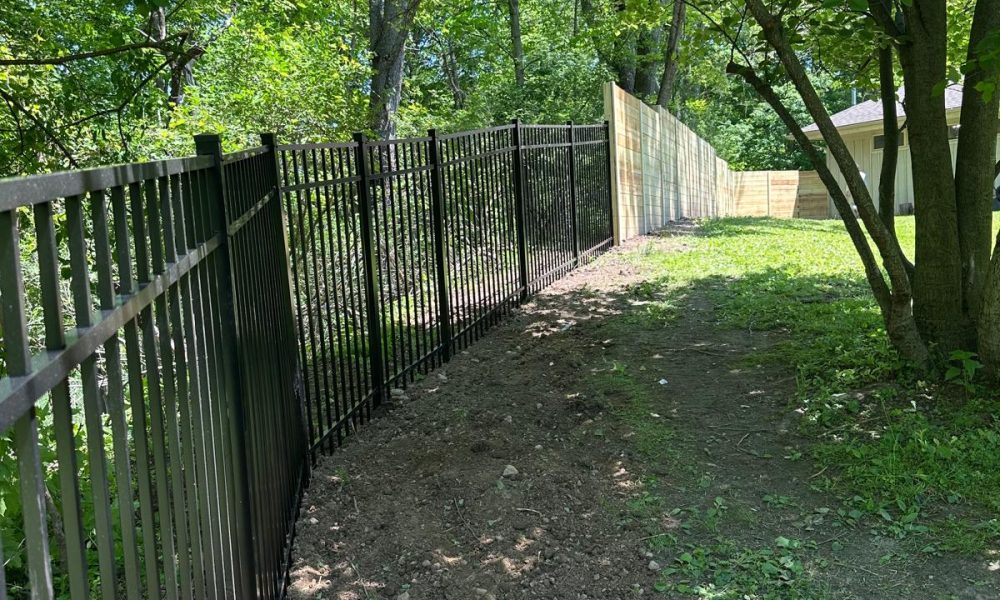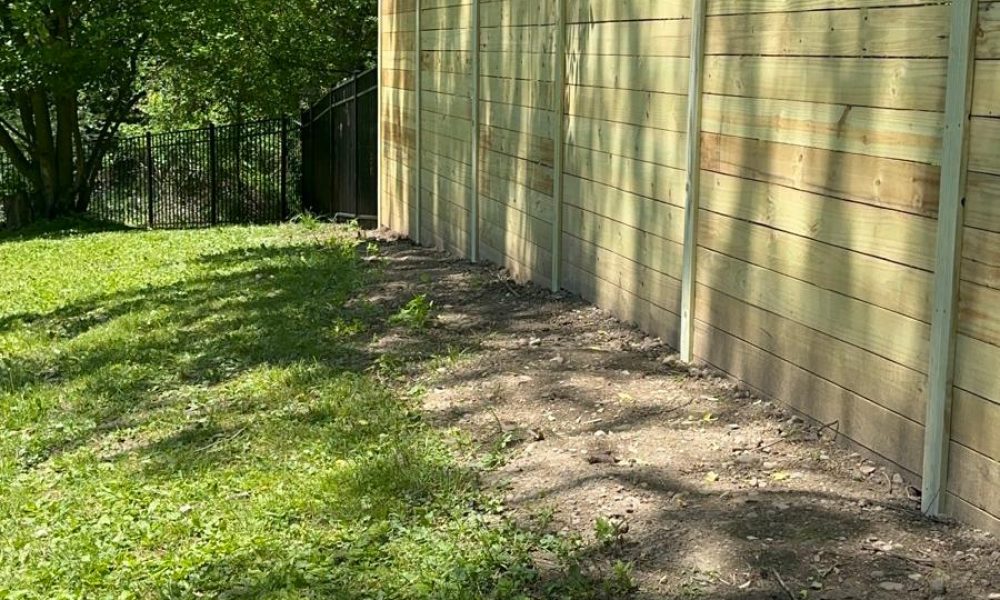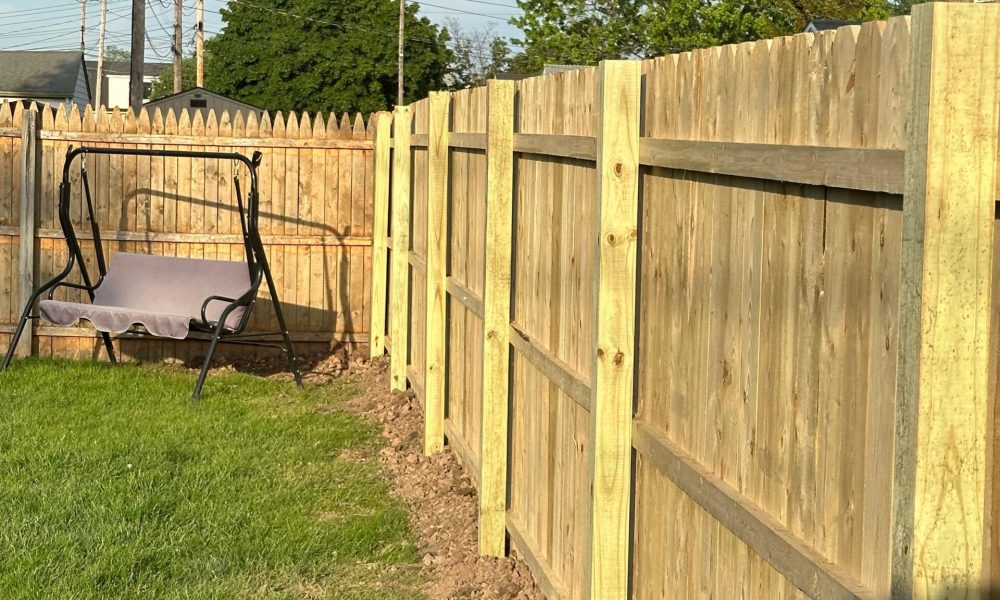
Buffalo is hard on wood fences.
Lake-effect snow, freeze-thaw swings, road salt drifting off the street, and a humid summer right behind it all wear down exterior wood faster than most homeowners expect. A wood fence can have a much shorter service life in Western New York when moisture, drainage, installation, and upkeep get overlooked. The good news is that most early rot and warping is avoidable.
It doesn’t take fancy materials or a complicated routine. It starts with decisions made at installation and a basic maintenance habit that catches small problems before they grow.
Why Wood Rots and Warps in Buffalo
Rot is a biological process. Decay fungi need moisture, oxygen, moderate temperatures, and wood to feed on. Buffalo supplies the first two for most of the year.
In Buffalo, repeated rain, snow, and melting snow keep exterior wood wet for long stretches. Snow that stays against boards for extended periods keeps the wood damp, while repeated freezing and thawing can contribute to cracking, surface damage, and moisture-related deterioration. If the wood stays damp for long periods, conditions for fungal decay can develop before the fence gets a chance to dry out in warmer weather.
Warping is a related but separate problem. Wood swells when wet and shrinks when dry. Boards that weren’t dried well before installation, get no airflow, or stay wetter on one face than the other tend to cup, bow, or twist over time.
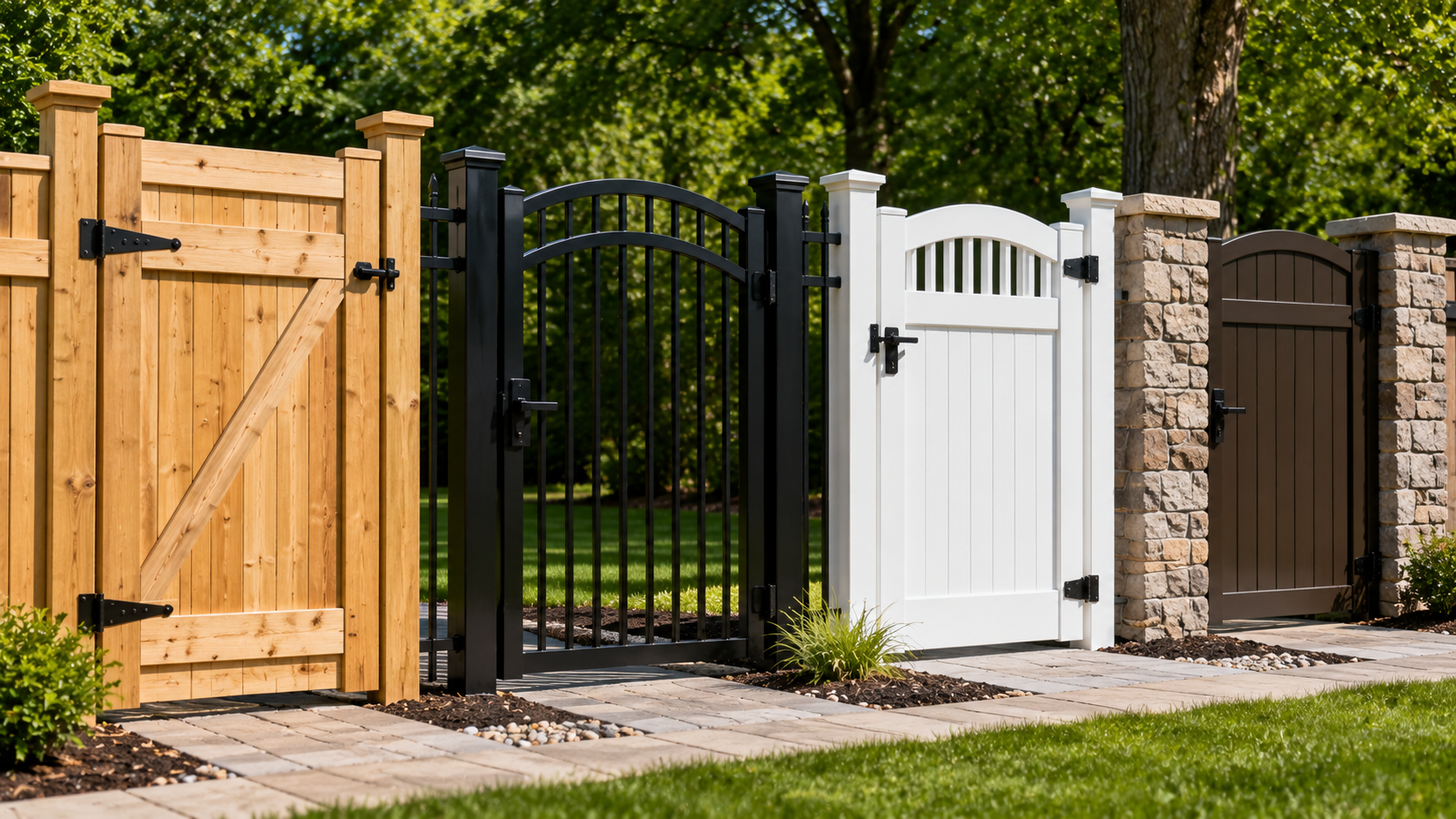
Material choice matters here too. If you’re planning DIY wood fence materials, know that cedar and redwood contain natural oils that resist fungal growth, and pressure-treated pine relies on chemical preservatives. Untreated pine or spruce has very little natural resistance and is a poor fit for Buffalo’s damp conditions.
Proper Post Setting and Drainage
Posts are the part most likely to fail first.
They sit in ground that swings between saturated and frozen, and the section right at grade is the hardest spot to keep dry. That’s where moisture collects, air movement is limited, and the wood stays in contact with wet soil. When we inspect older fences at All Pro Fence Buffalo, the post base at grade is the first place we check, because that’s where decay so often begins.
Concrete footings can extend post life, but the finish matters. A flat or slightly dished concrete top lets water pool against the wood. Crown the concrete so it slopes away from the post on all sides and water has somewhere to go.
Depth needs to account for both fence height and local frost conditions. In Western New York, posts should be deep enough to give solid structural support and reduce frost-related movement. The exact depth depends on the fence design, the soil, and the installation method. Check your town’s requirements too, and call 811 before you dig so buried utilities get marked.
Gravel Bases and Concrete Footings
Drainage below the post is worth thinking about, especially in Erie County, where clay soil holds water.
A layer of crushed gravel at the bottom of the hole can help water move away from the post base instead of sitting there. Some installers use it, some rely on other footing methods, and the right choice depends on the soil, hole depth, and footing design. The goal is the same either way: keep the wood from sitting in standing moisture.
If you do use gravel, compact it lightly, set the post, check for plumb, and then place the concrete. Don’t treat it as a one-size-fits-all recipe. Treat it as a way to manage water, because water is what shortens the life of a post.
Sealing End Grain and Cut Edges
End grain is the most vulnerable part of any wood fence.
When a board or post is cut, the exposed end provides a much more direct path for moisture to enter the wood than an intact face surface. That’s why cut ends deserve extra protection. It applies to factory cuts on purchased lumber and to every field cut you make during installation.
Post tops, board bottoms, and any board trimmed to fit should get end grain sealer before installation or right after cutting. End grain sealer is a different product from a standard fence sealer. It’s made to soak into open wood fibers rather than sit on the surface.
Applied before installation, it gives vulnerable cut ends an additional layer of protection against moisture entry. Protecting cut ends eliminates one of the most vulnerable moisture-entry points before the fence is even standing. If your goal is to prevent fence rot, this is one of the cheapest steps to get right.
Keeping Wood Off the Ground
Boards that touch soil stay damp.
Soil holds water after rain and snowmelt much longer than a board surface dries out. A ground-contact board can sit in damp conditions no matter how dry the weather has been. A small, consistent gap between the bottom board and grade keeps the wood away from standing water and lets air circulate underneath.
Around two inches is a useful target for many fence designs, although the right clearance depends on the grade and the installation. Sloped yards may need adjustments. Build the gap into your board lengths and layout from the start, and the fence will look intentional.
Keep the base clear as well. Leaves, mulch, and soil piled against the bottom boards hold moisture right where you don’t want it.
Ventilation and Spacing Tips
Wood that dries between wet periods holds up better than wood that stays damp.
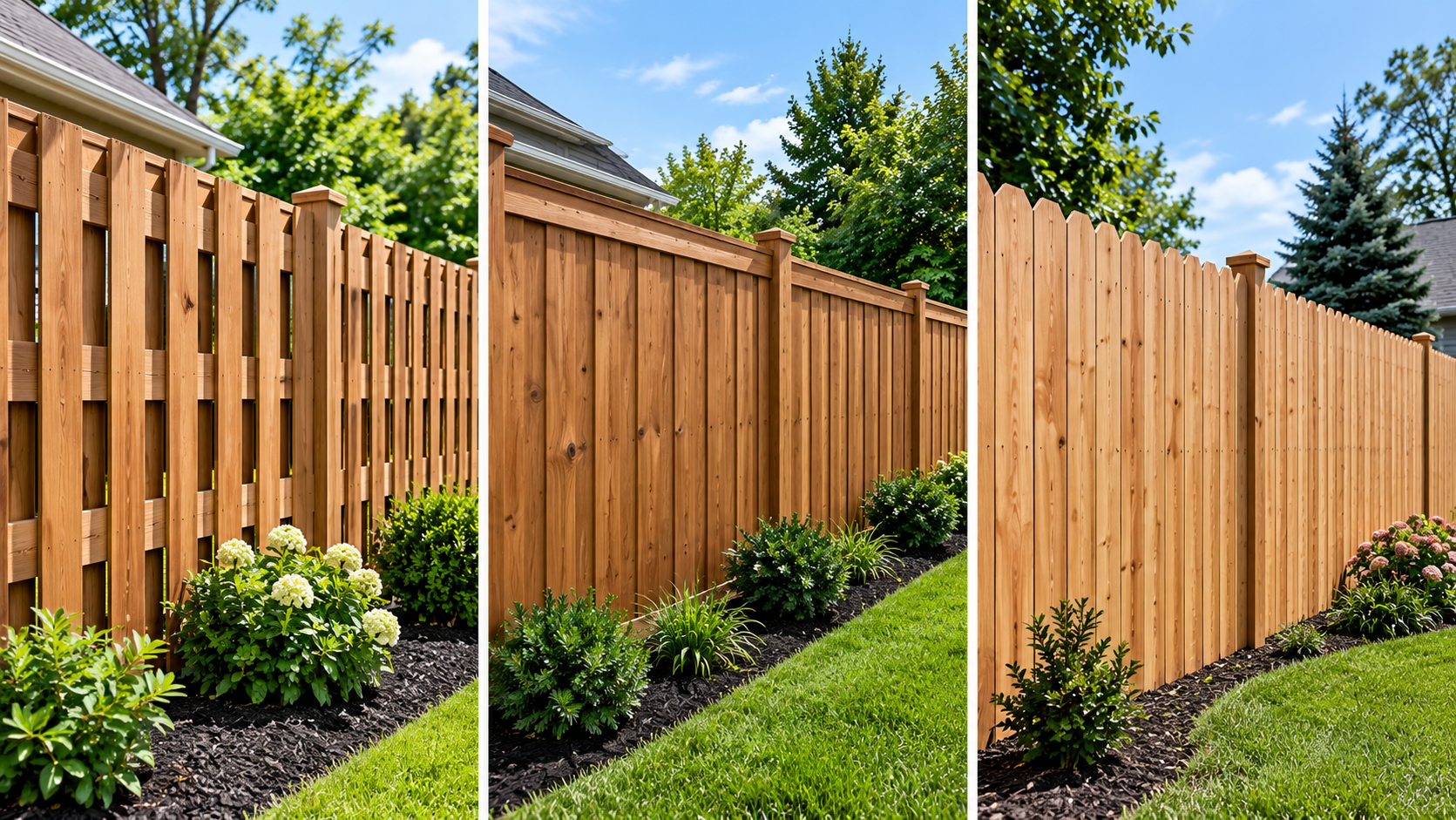
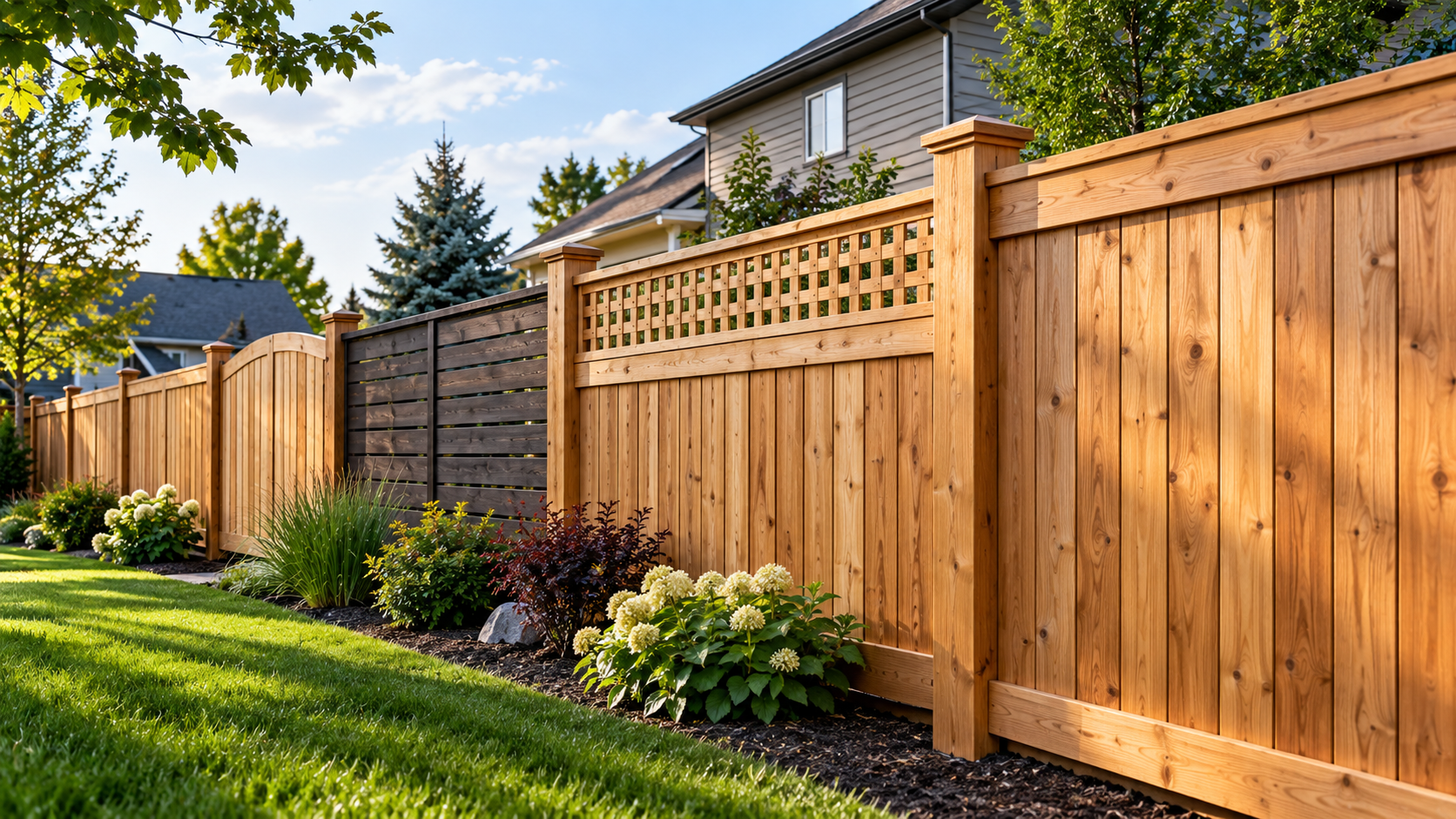
Board spacing isn’t only about looks. Privacy fences with tight spacing limit airflow, so the interior face can stay damp longer after rain. One option is a board-on-board or alternating layout, where boards sit on opposite sides of the rail. It blocks sightlines while still letting air move through.
Where tight spacing is a must, the material becomes more important. Cedar or properly treated lumber is generally better suited to tight-spaced privacy layouts than untreated standard lumber, particularly where limited airflow keeps the fence damp after precipitation.
Best Protective Sealers
Not every sealer handles freeze-thaw conditions well.
Penetrating water repellents tend to perform better than film-forming products, which sit on top of the wood. A film that can’t flex with seasonal movement may crack and peel, and once it does, moisture has a direct way in.
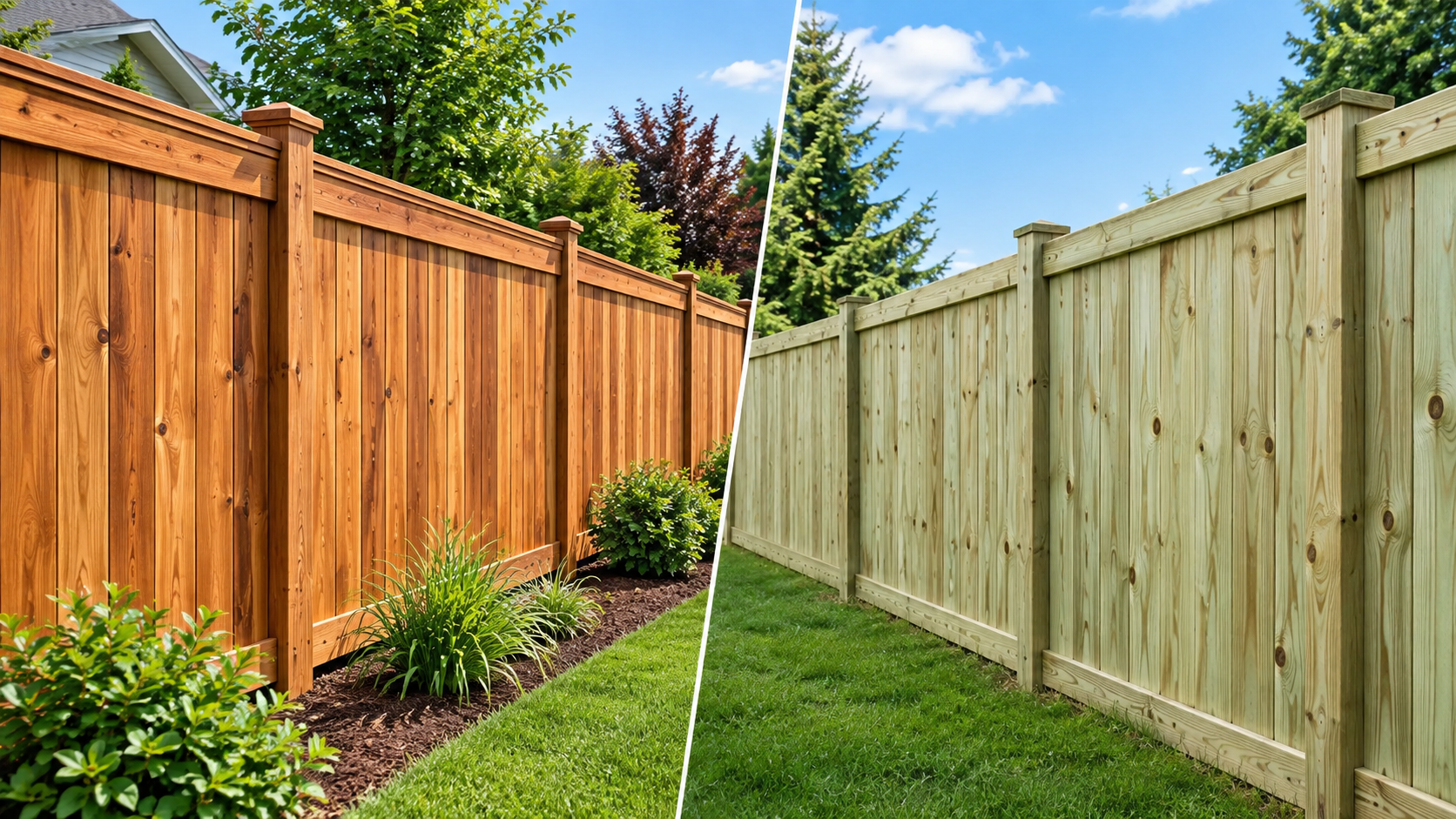
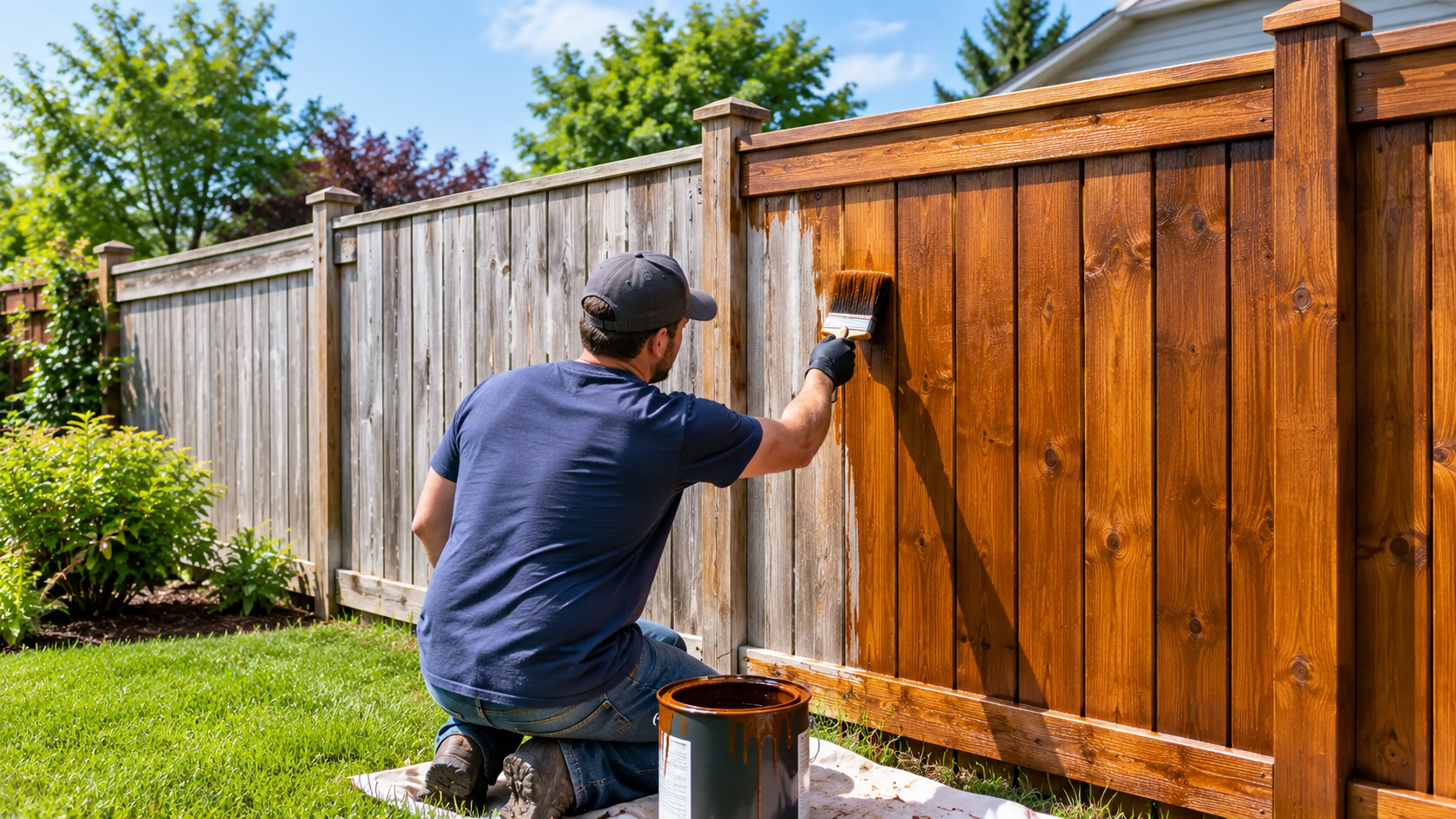
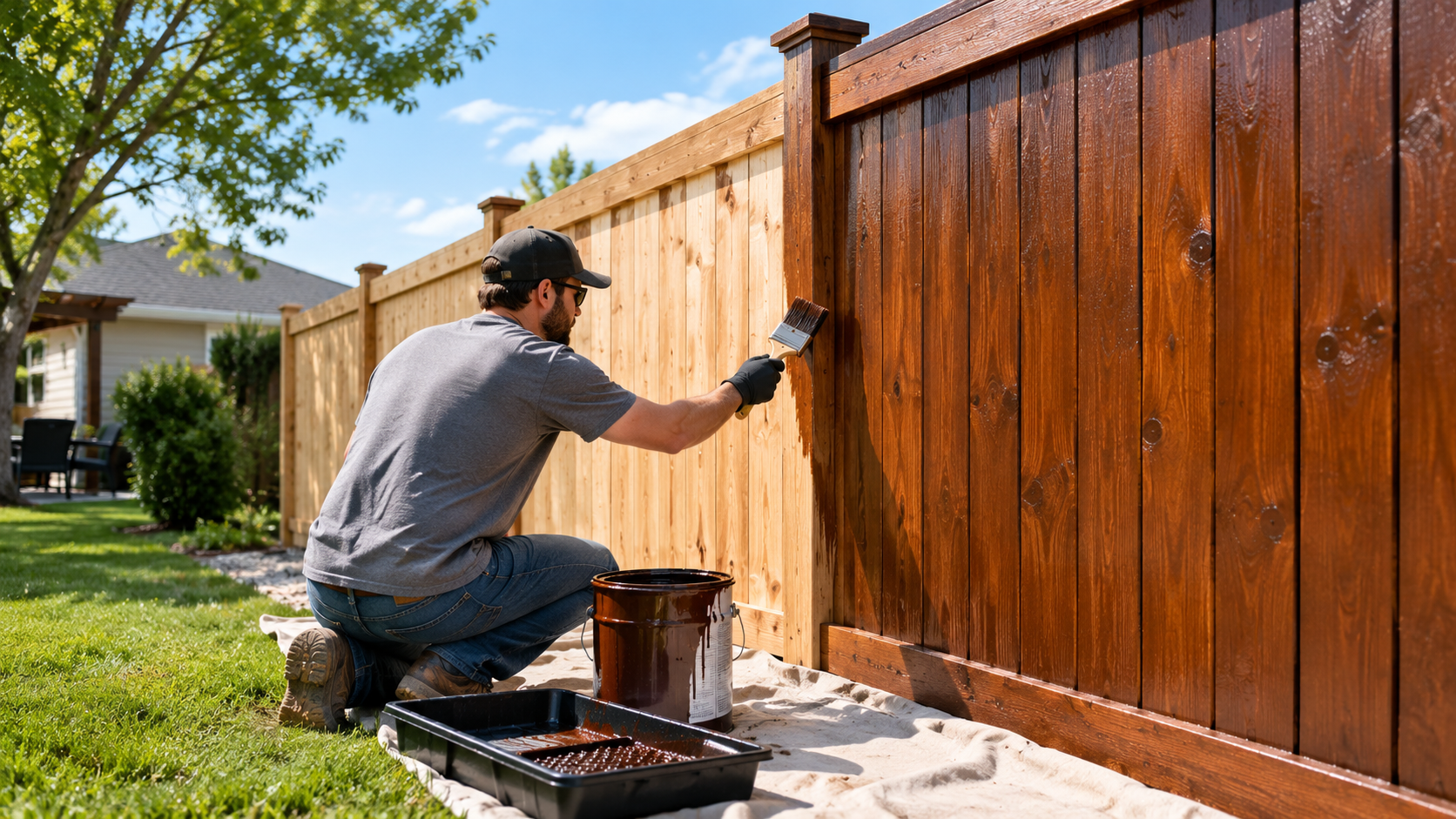
A penetrating exterior wood sealer with water-repellent and UV protection can be a practical choice for a Buffalo-area fence. The right product depends on the wood species, the existing finish, sun and weather exposure, and the manufacturer’s directions. Follow the reapplication schedule on the label, which is often every two to three years. It’s better to reseal while the wood is still in good shape than to wait until it looks weathered.
Sealing won’t stop wood from moving, because exterior wood will always expand and contract with the seasons. For a wood fence warping fix, prevention is the better route. A consistent maintenance routine can reduce the severity of moisture-related movement.
Catching Early Rot Signs
An annual inspection is one of the most cost-effective things you can do for a wood fence.
Catching decay in one board costs far less than catching it after it reaches the neighboring boards and the rail. Start with the post bases at grade, the bottom boards, any spot where leaves or debris collect, and the top rail, where water can pool if the cap doesn’t shed it.
Probe suspicious areas gently with a screwdriver or similar tool. Sound wood should resist firm pressure, while decayed wood may feel soft, crumbly, or unusually easy to penetrate.
Gray weathering is normal. Dark staining around the base of boards or near fasteners can point to prolonged moisture, mildew, fungal growth, or a reaction between the wood and metal. If the area is also soft, that’s a stronger sign decay may be underway. A board that has developed new movement or play is worth a closer look too.
Repairing vs. Replacing Boards
One soft board is a repair. Several adjacent boards with the same symptoms usually mean a replacement section.
The deciding factor is whether the problem sits at the surface or has reached the structural wood. Limited surface deterioration may sometimes be stabilized with a wood hardener made for that purpose, followed by proper repair and sealing. Once decay has weakened the board, replacement is the safer approach.
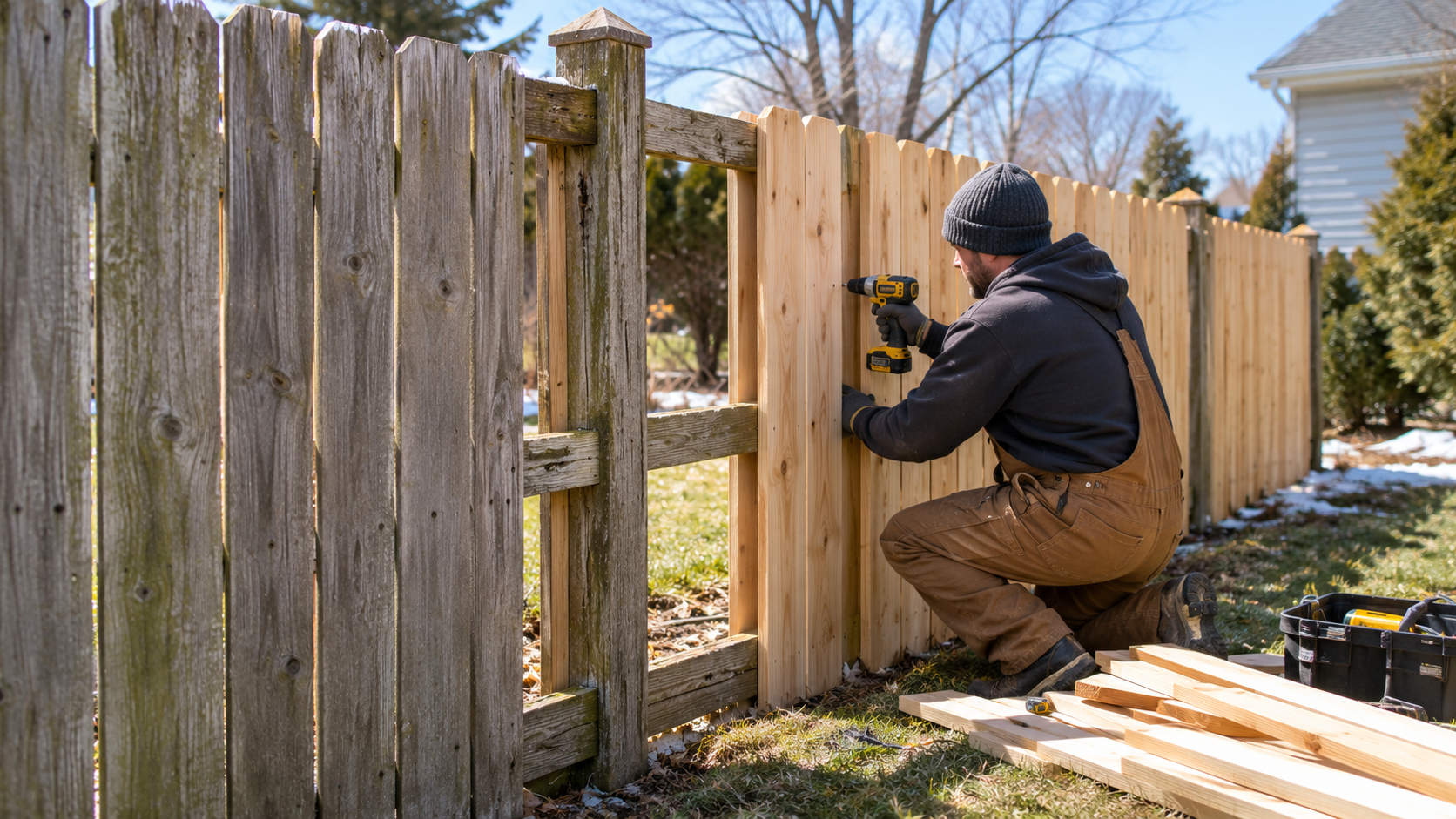
When you replace boards, seal the cut ends and apply a penetrating sealer before installation. Getting product into the wood while it’s still off the fence works better than trying to coat boards already in place.
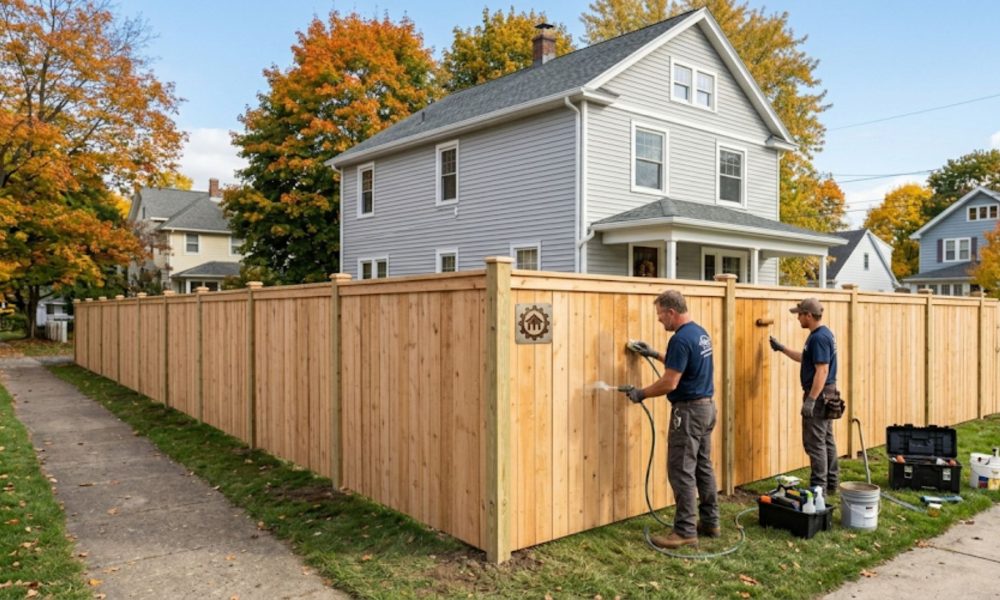
All Pro Fence Buffalo handles both repair assessments and full board replacement on existing wood fences across Erie County. The repair-or-replace decision comes down to whether the structural wood is still sound, not simply how weathered the surface looks.
Long-Term Prevention Routine
Fences that last decades in Buffalo usually aren’t the ones built from the priciest materials. They’re the ones that were installed carefully and maintained consistently.
Inspect in spring, after the frost has left the ground. Look for post movement, soft spots, and early deterioration. Clean off algae and mold before it takes hold, since it keeps moisture against the surface. Then reseal on the schedule your product calls for.
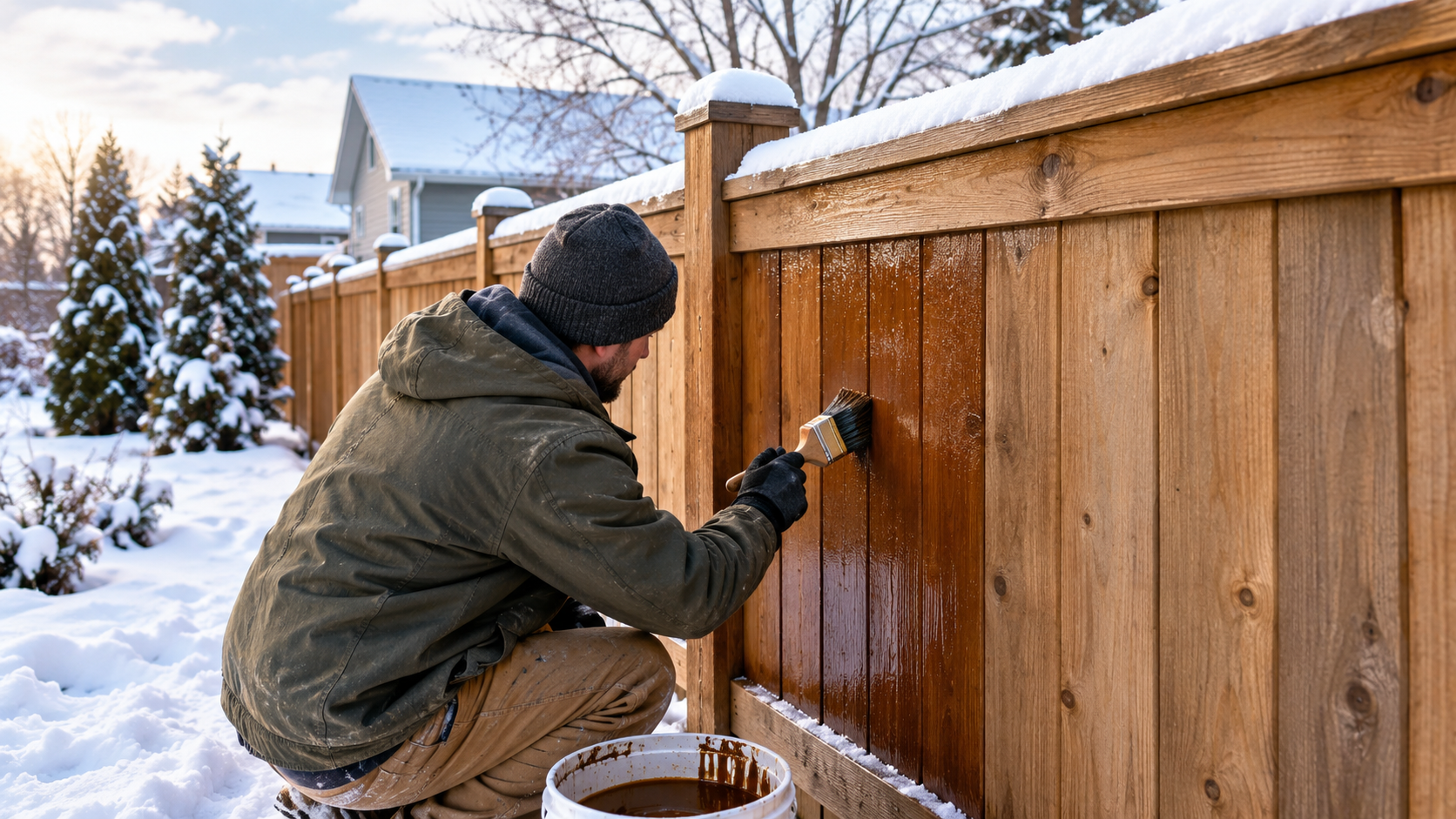
To protect a wood fence through winter, clear debris from the fence base in late fall. Leaves and organic material packed against the boards hold moisture through the whole cold season. Thirty minutes in October saves the bottom boards months of dampness.
All Pro Fence Buffalo installs wood fences across Buffalo and the surrounding Erie County communities with post setting and drainage details planned around local conditions, not a generic approach borrowed from milder climates. If you’re planning a new fence or sizing up an old one, what happens on day one shapes most of the next twenty years.
Frequently Asked Questions
What wood species holds up best for fencing in Buffalo?
Cedar is a popular choice because its natural oils resist decay. Properly rated pressure-treated pine is common for posts and rails with ground contact. Untreated pine or spruce tends to deteriorate quickly in Buffalo’s damp climate and isn’t a good fit for exterior fencing.
How deep should fence posts be set in Erie County?
Fence posts need enough embedment for the fence design, soil conditions, and local frost conditions. In Western New York, insufficient depth can increase the risk of frost-related movement, especially in poorly drained soil. Check local requirements and call 811 before digging.
How often should I seal a wood fence in Western New York?
Every two to three years is a common interval for many penetrating sealers, but always follow the manufacturer’s instructions. If water stops beading or the wood shows significant weathering, the fence may need attention sooner than the label suggests.
Can a warped fence board be fixed without replacement?
Minor warping in a sound board can sometimes be corrected by removing it, letting it dry thoroughly, and reinstalling it with extra fasteners. Warping that has set in over several seasons usually calls for replacement. Sealing and good spacing help limit further movement.
What’s causing the dark staining at the base of my fence boards?
Dark staining can come from prolonged moisture, mildew, fungal growth, dirt, or reactions around metal fasteners. If the stained wood is also soft, crumbly, or easy to penetrate with a screwdriver, decay may be developing. Have those areas inspected before the problem spreads.
Should I use concrete or gravel when setting fence posts?
It depends on the soil and installation method. Gravel can help manage drainage in some conditions, while concrete provides structural stability. When concrete is used, the finished surface around the post should shed water instead of creating a depression where moisture collects.
How do I keep the bottom of my fence boards from rotting?
Leave a small, consistent gap between the bottom board and the ground, seal all cut ends, and keep leaves, mulch, and soil cleared from the fence base. Keeping the boards dry and ventilated does more for bottom board life than any single product.