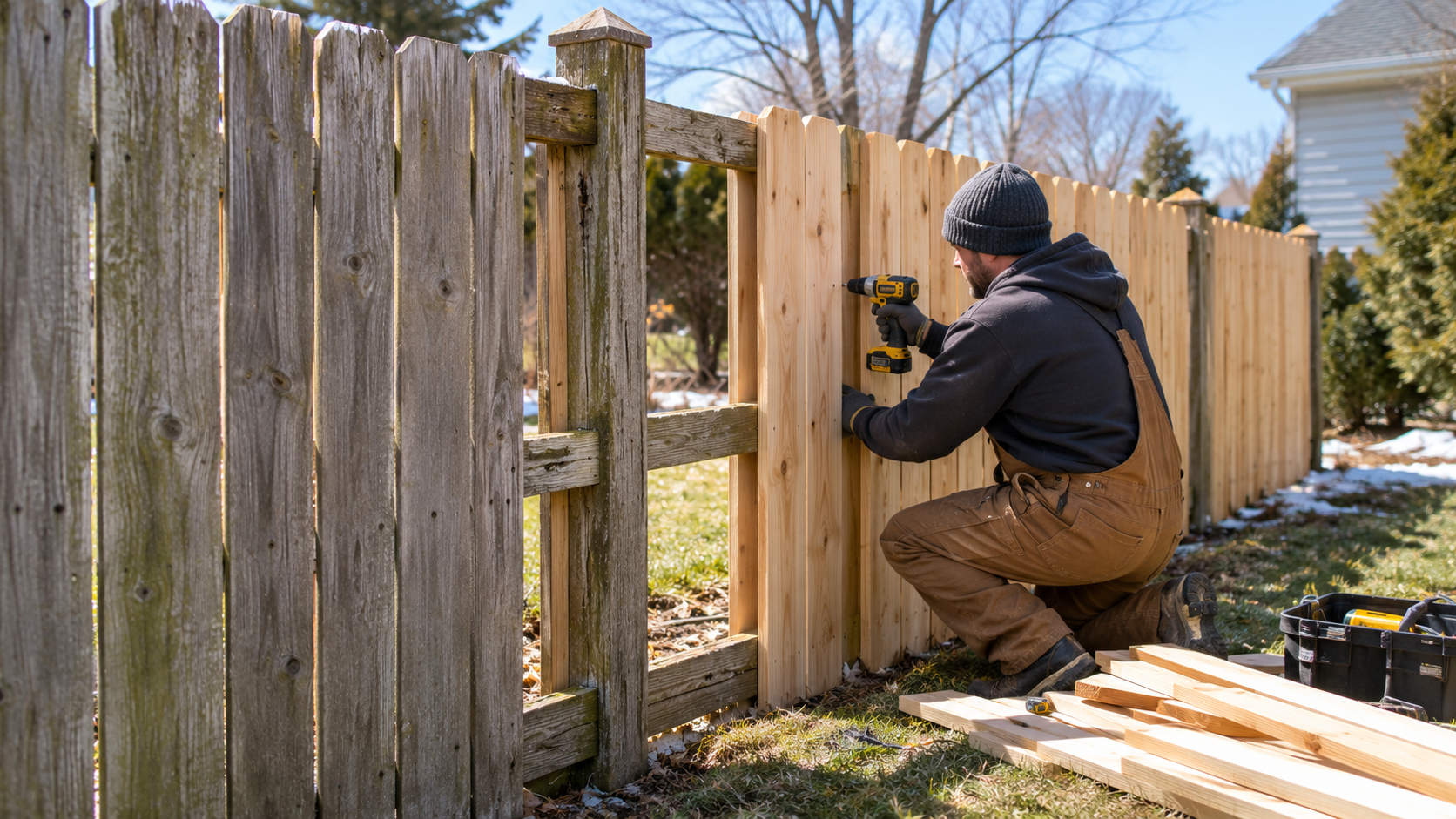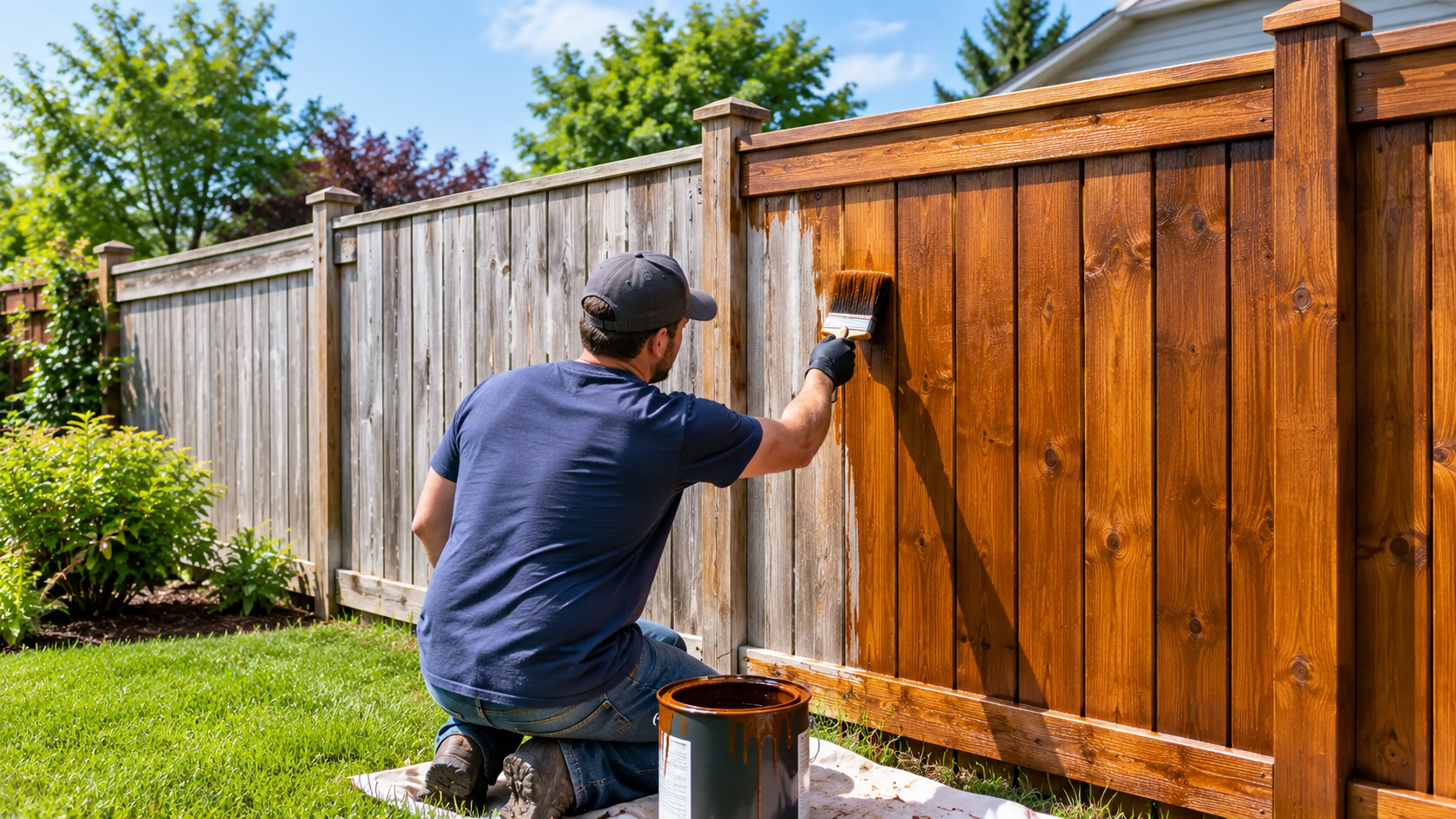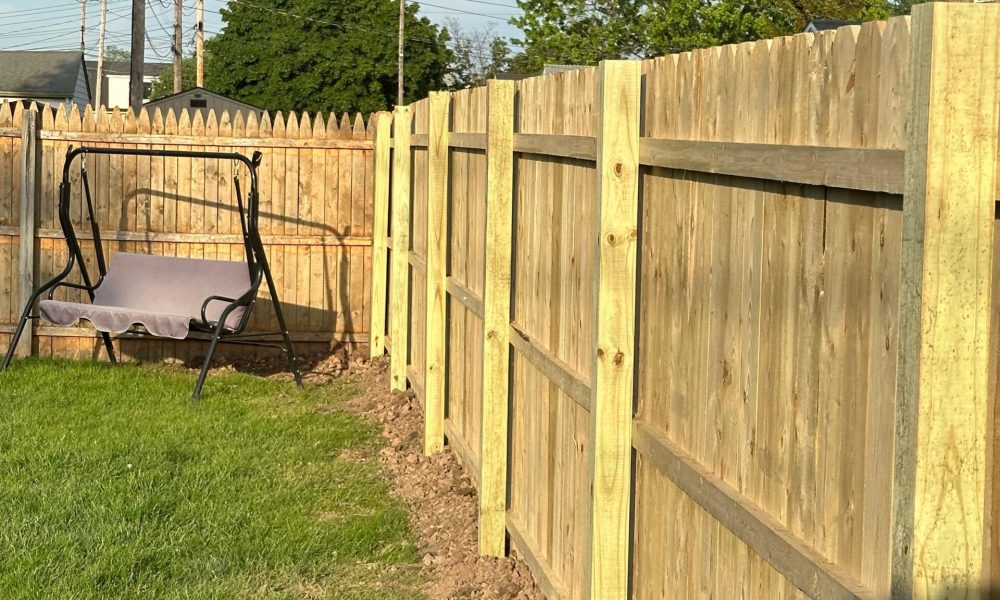
Every spring across Western New York, local backyards tell a remarkably similar story. Cedar and pressure-treated pine installations that looked pristine when first built slowly turn a dull, chalky grey.
Snowbanks melt away, leaving behind dark mildew patches along the bottom boards where moisture sat trapped for months. Wood grain opens up, surface splinters start forming, and posts begin to twist under the constant push and pull of humidity.
Taking care of local properties has been our daily routine for years, and we have watched perfectly sound wood fall apart simply because it lacked proper surface protection. Finding reliable fence staining near me is about more than just keeping the yard looking clean.
It boils down to preserving structural integrity against intense regional freeze-thaw cycles. Getting an exact line on real costs helps you budget accurately and keeps your property value solid year after year.
Understanding Western New York’s Unique Wood Decay Cycle
Local weather puts timber through absolute hell every single month of the calendar year. Winter brings heavy lake-effect snow that packs high against bottom rails and stays frozen for weeks at a time. Moisture seeps deep into porous wood fibers, freezes, expands, and tears the inner cell structure apart from within.
When spring sun finally arrives, that trapped dampness quickly feeds rapid mold and black algae growth.
Summer introduces direct ultraviolet radiation that breaks down lignin, the natural glue holding wood fibers together. Without protective pigments, exposed pine and cedar dry out quickly, causing boards to cup, warp, and split wide open.
Fall adds another layer of wet leaves resting against pickets, trapping moisture right along ground contact lines. Maintaining a tough barrier through regular sealing is your absolute best defense against this non-stop weather assault.
1. Average Cost Per Linear Foot in Buffalo
When searching for professional services in our region, standard quotes are calculated based on linear footage along the perimeter line. On average, Buffalo homeowners spend between $4.00 and $9.00 per linear foot for professional finishing work.
That span accounts for basic single-coat applications on well-maintained boards up to multi-step restorations requiring chemical stripping and heavy surface prep work.
A basic 100-linear-foot backyard perimeter typically ranges between $400 and $900 total. Medium-sized suburban properties around West Seneca or Amherst measuring 200 linear feet generally end up costing between $800 and $1,800.
Larger lot boundary lines stretching 300 linear feet or more can run anywhere from $1,200 up to $2,700, depending heavily on wood condition and stain opacity.
Understanding total fence staining cost means looking at exact measurements rather than rough guesses. Linear foot pricing covers basic labor and materials, but actual field quotes adapt based on real structural details.
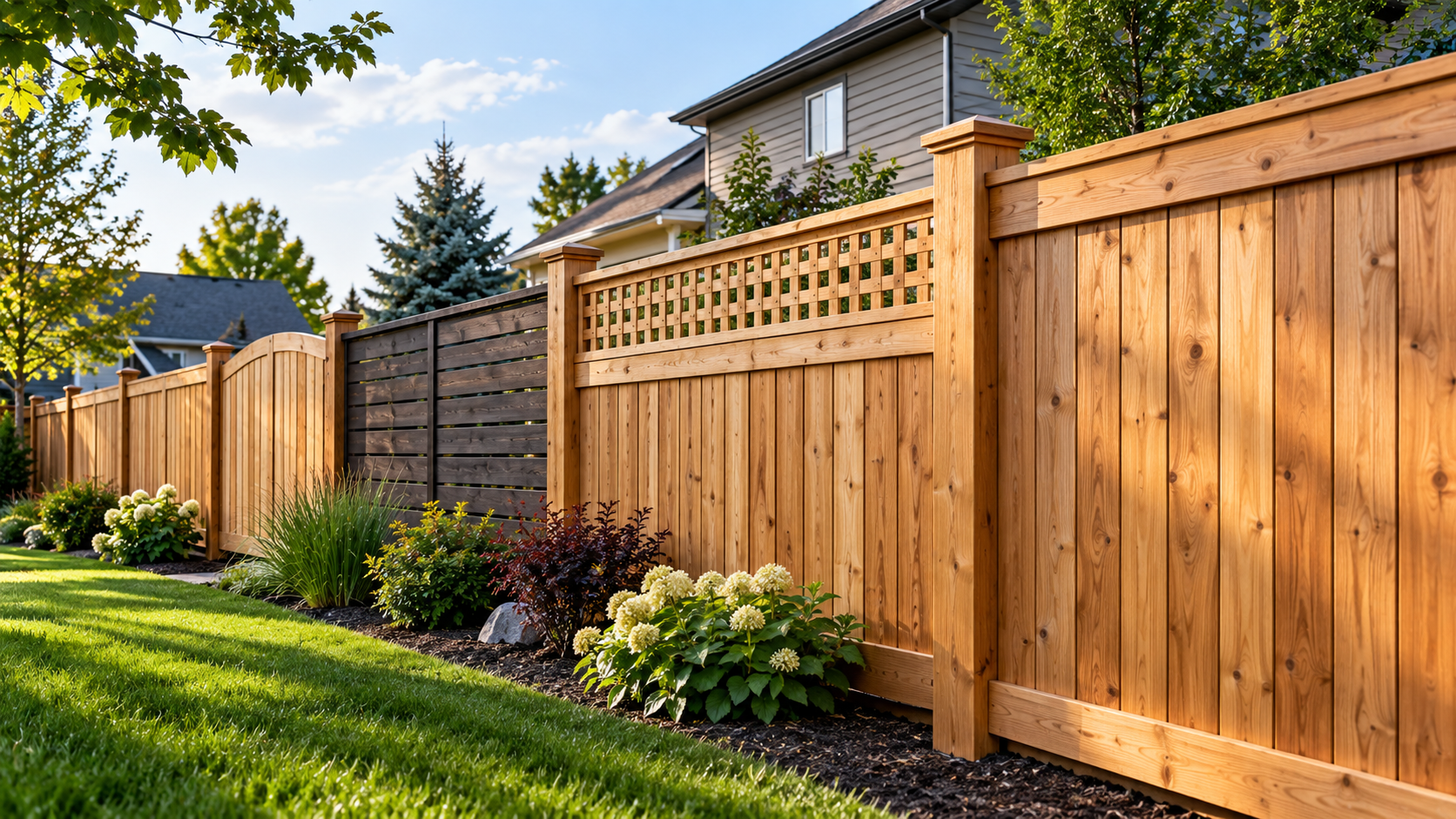
Double-sided pickets require twice the surface coverage, and decorative features like top lattice, post caps, or tight spacer gaps naturally add time and detail work to the final estimate.
2. Cost Per Square Foot of Wood Surface
Measuring linear footage gives contractors a quick start, but square footage provides the true physical surface area needing coverage. Standard professional pricing generally falls between $1.25 and $2.50 per square foot of actual wood area.
To calculate total square footage, multiply total perimeter length by vertical height, and then double that number to cover both front and back sides.
For example, a simple 6-foot-high, 100-linear-foot section actually represents 1,200 square feet of wood area once both sides are counted. At $1.50 per square foot, total project pricing reaches $1,800 for full coverage.
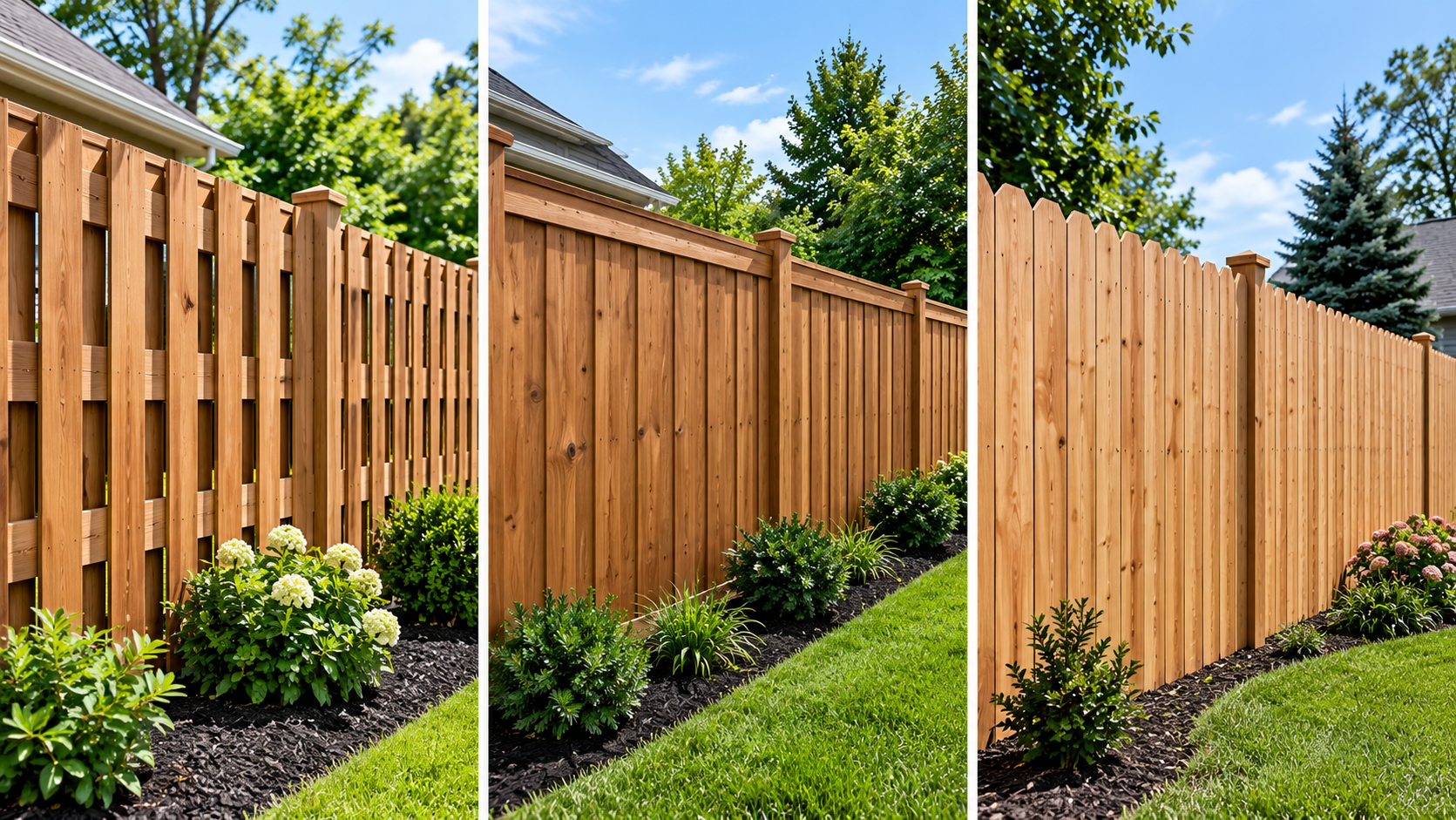
Intricate shadowbox patterns, board-on-board setups, and tight lattice toppings expand total surface area by 30% to 50% over standard flat privacy panels.
Knowing total square footage gives you clear insight into true material consumption and helps contextualize the overall cost to stain a fence compared to basic linear estimates.
Transparent and semi-transparent formulations cover roughly 150 to 200 square feet per gallon on smooth cedar, but weathered, dry wood can soak up a gallon every 100 square feet. Precise surface calculations prevent mid-project material shortages and eliminate surprise billings.
3. Labor vs. Materials Breakdown
Understanding how your total fence staining price per foot is calculated comes down to how your invoice gets divided. On standard residential projects, approximately 60% to 70% of total project cost covers skilled labor and professional equipment setup. The remaining 30% to 40% pays for high-grade commercial penetration formulas, prep detergents, and masking supplies.
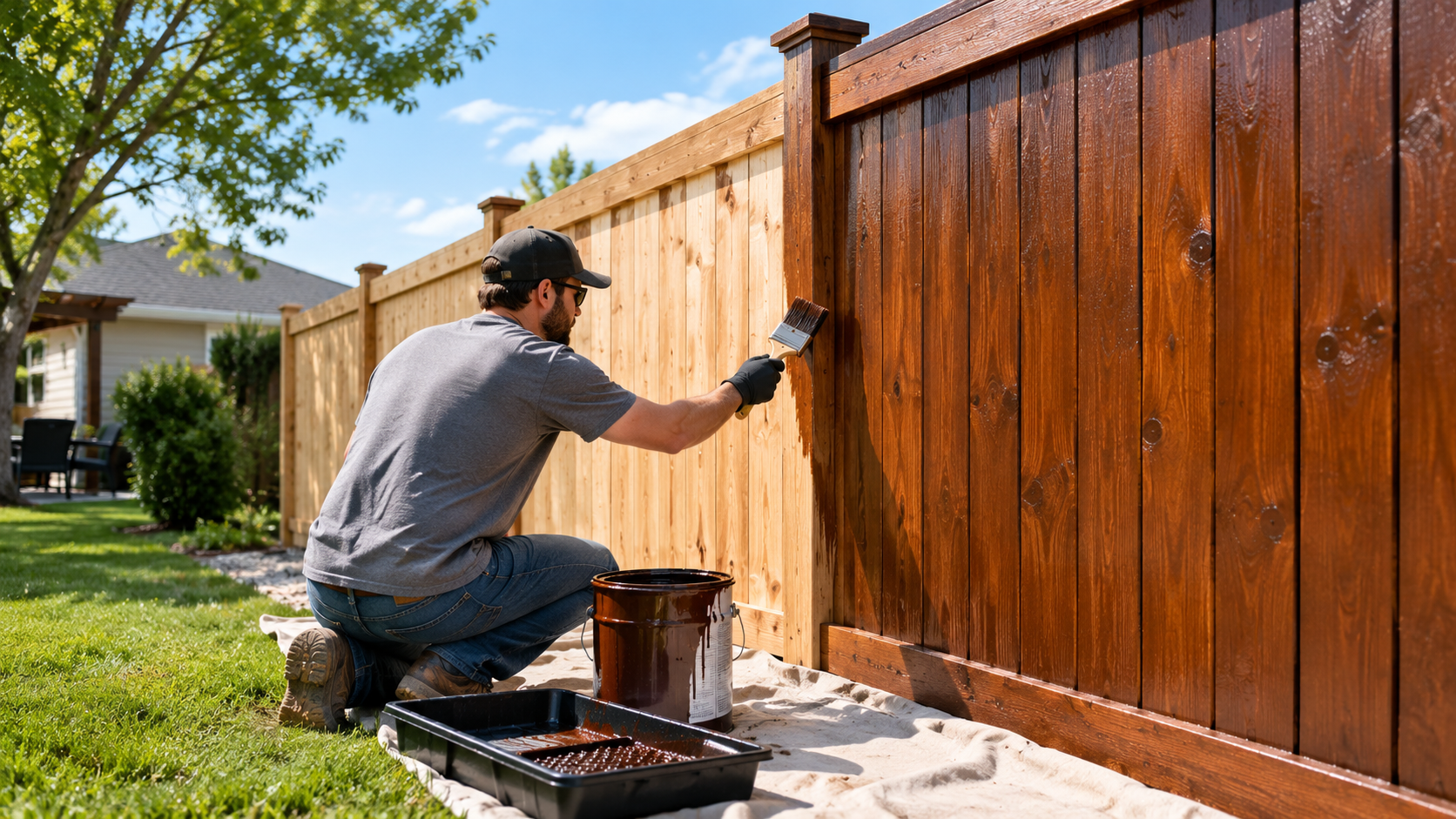
Labor includes detail work that most homeowners overlook when planning a quick weekend project. Crews spend considerable time masking off adjacent home siding, stone patio pavers, and prized garden beds with drop cloths and plastic sheeting. Spraying, back-brushing, and hand-wiping corner sections demand steady hands and continuous physical effort.
Professional back-brushing works deep into open pores, pushing pigment into tight crevices where simple spraying fails to stick.
Material selection directly drives long-term durability and initial cost totals. Cheap big-box retail sealers might run $30 per gallon, but they degrade quickly under heavy lake-effect snow, requiring complete redo work next season.
Commercial-grade oil-based penetrants and high-solids acrylic stains cost between $55 and $85 per gallon, but they deliver superior pigment adhesion and water repellency for three to five years.
| Expense Category | Percentage of Total | Primary Included Elements |
| Skilled Field Labor | 60% – 70% | Surface washing, scraping, detailed back-brushing, surrounding area masking, jobsite cleanup. |
| Commercial Stains & Formulations | 20% – 25% | Oil-based penetrants, solid acrylic coatings, deep-cleansing wood brighteners, mold inhibitors. |
| Consumables & Protection | 10% – 15% | Heavy-duty drop cloths, masking tape, protective plastic, spray tips, brushes, personal safety gear. |
4. How Fence Height Affects Overall Price
Vertical height directly dictates total wood volume, labor difficulty, and application speeds. Standard residential installations across local neighborhoods typically sit at 4 feet, 5 feet, or 6 feet tall. However, custom privacy barriers and pool enclosures often reach 8 feet in height, requiring significantly different handling procedures during application.
A 4-foot picketed boundary requires far less stain volume and allows field crews to move at rapid application speeds. Working on a standard 6-foot privacy barrier requires more bending, reaching, and deliberate back-brushing effort.
When heights push to 8 feet, crews slow down considerably, often using step platforms to maintain proper application angles and ensure smooth coat overlaps.
Pricing adjustments reflect these increased labor demands across different height profiles. Expect to pay roughly 15% to 25% more per linear foot for an 8-foot structure compared to a standard 6-foot fence line.
The added vertical reach increases physical wear on technicians, expands overall square footage significantly, and increases spray-drift risk, demanding larger masking coverage zones across neighboring properties.
5. Prep Work and Repair Add-On Costs
Applying high-grade coatings over dirty, mildewed, or failing wood is like building a house foundation on wet mud. Proper surface preparation is the single most important step for achieving long-lasting finish protection. Professional prep work usually adds $0.50 to $1.25 per linear foot, but skipping it guarantees early coating failure and peeling.
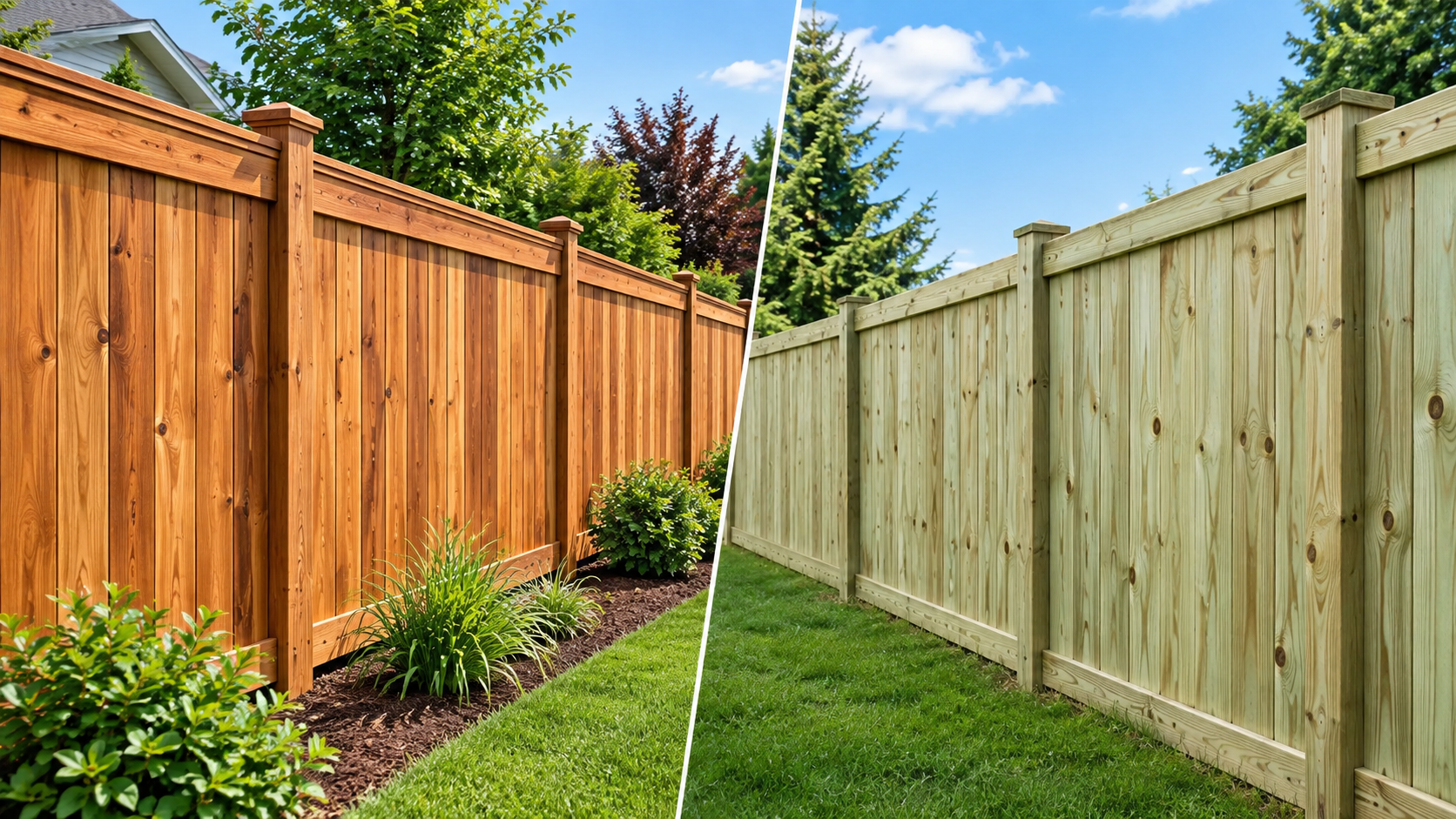
Power washing removes built-up grime, grey dead fibers, and active mold spores without gouging soft timber. Standard pressure washing runs roughly $0.30 to $0.60 per linear foot. If the wood has turned heavily black or grey, deep chemical restoration using oxalic acid wood brighteners is needed to balance natural pH levels and reopen tight pores.
Structural repairs should always be addressed prior to coating work. Replacing damaged top rails, cracked pickets, or rotted bottom boards generally costs between $15 and $35 per damaged board. Resetting leaning posts embedded in cracked concrete footings ranges from $120 to $250 per post, depending on ground conditions and underlying rot.
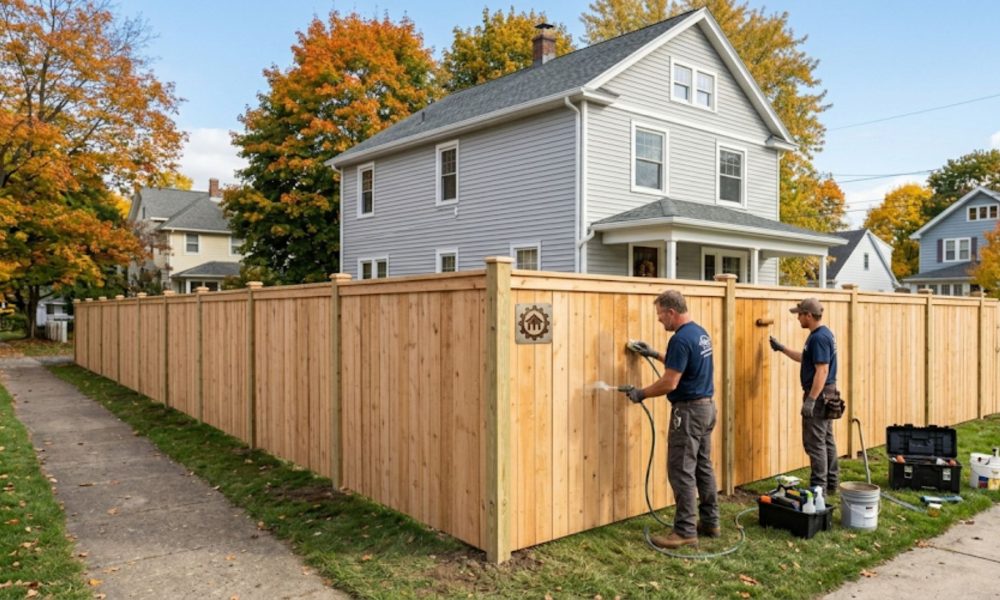
Searching for experienced fence staining near me often leads homeowners straight to our crew at All Pro Fence Buffalo, where we handle complete prep, board replacements, and deep chemical washing in one coordinated step before applying a single drop of finish.
Addressing structural flaws early ensures your financial investment stays protected against early rot.
6. DIY Cost vs. Hiring a Professional
Tackling maintenance on your own often seems like an easy way to save money, but total self-execution costs add up faster than most expect. Doing the work yourself requires renting or buying a quality airless sprayer, purchasing high-pressure hoses, buying cleaning chemicals, buying brushes, and purchasing quality finish formulations at retail prices.
A complete DIY setup for a standard 150-linear-foot privacy fence typically runs between $450 and $750 in materials and tool rentals alone. It also demands roughly 16 to 20 hours of hard manual labor spread across two consecutive dry weekends.
Improper pressure washer technique can easily gouge deep furrows into soft cedar, leaving unsightly lines that show through transparent finishes.
Hiring professional trade teams generally costs between $900 and $1,600 for the exact same size perimeter. While initial spending is higher, you gain field experience, commercial-grade equipment, proper masking and safety, and a smooth finish guaranteed not to lap or peel prematurely. Contracting saves precious weekend time and eliminates costly mistakes that ruin fresh timber.
7. Local Factors That Raise the Final Price
Every residential yard comes with unique site conditions that influence final contractor estimates. Property accessibility plays a major role in overall application efficiency. Narrow side gates that prevent motorized equipment access force crews to haul heavy gear by hand, increasing setup labor and job time.
Landscaping density along board perimeters also changes overall labor hours. Overgrown bushes, heavy flower beds, climbing vines, and tight tree branches hanging close to timber force crews to tie back foliage and mask surrounding plants carefully. Protecting prized landscaping takes patience and deliberate manual effort, slightly increasing overall labor costs.
Previous surface treatments present another variable that affects cost totals. Overcoming years of old, flaking solid body stain or thick latex paint requires intensive chemical stripping and heavy mechanical sanding before fresh oil penetrants can stick.
Chemical stripping adds $1.50 to $3.00 per square foot over standard prep work, as old layers must be lifted off completely.
8. Getting an Accurate Quote for Your Property
Generic price estimates found online are helpful for rough planning, but getting an accurate quote requires clear ground-level evaluation. Reliable contractors assess perimeter length, board height, wood species, current weathering state, and immediate site access.
Always request detailed written proposals breaking down prep procedures, exact brand names, number of coats, and labor warranties.
Beware of quick quotes that skip basic prep work or fail to specify exact product brands. Subcontractors offering abnormally low pricing often use cheap, heavily diluted clear coats that evaporate off wood surfaces within six months. Legitimate companies stand behind their field work with clear written contracts and provide proof of full liability insurance.
Homeowners evaluating local options often consult All Pro Fence Buffalo to receive transparent, fully line-itemed estimates covering detailed surface washing, timber repairs, and premium oil-based finishing applications.
Having exact figures allows you to compare proposals confidently without worrying about unexpected add-on charges halfway through the job.
9. Seasonal Pricing Tips for Buffalo Homeowners
Timing your project right makes a major difference in final cost, drying conditions, and finish longevity. Spring and summer represent peak demand season across Western New York. Contracting schedules fill rapidly from late May through August, leaving little room for price negotiations or last-minute schedule adjustments.
Late summer into early autumn- specifically late August through October- presents an ideal window for scheduling work. Atmospheric humidity drops, outdoor temperatures remain moderate, and wood moisture content reaches its lowest annual levels after summer drying. Proper timber dryness ensures maximum absorption of deep-penetrating oil finishes.
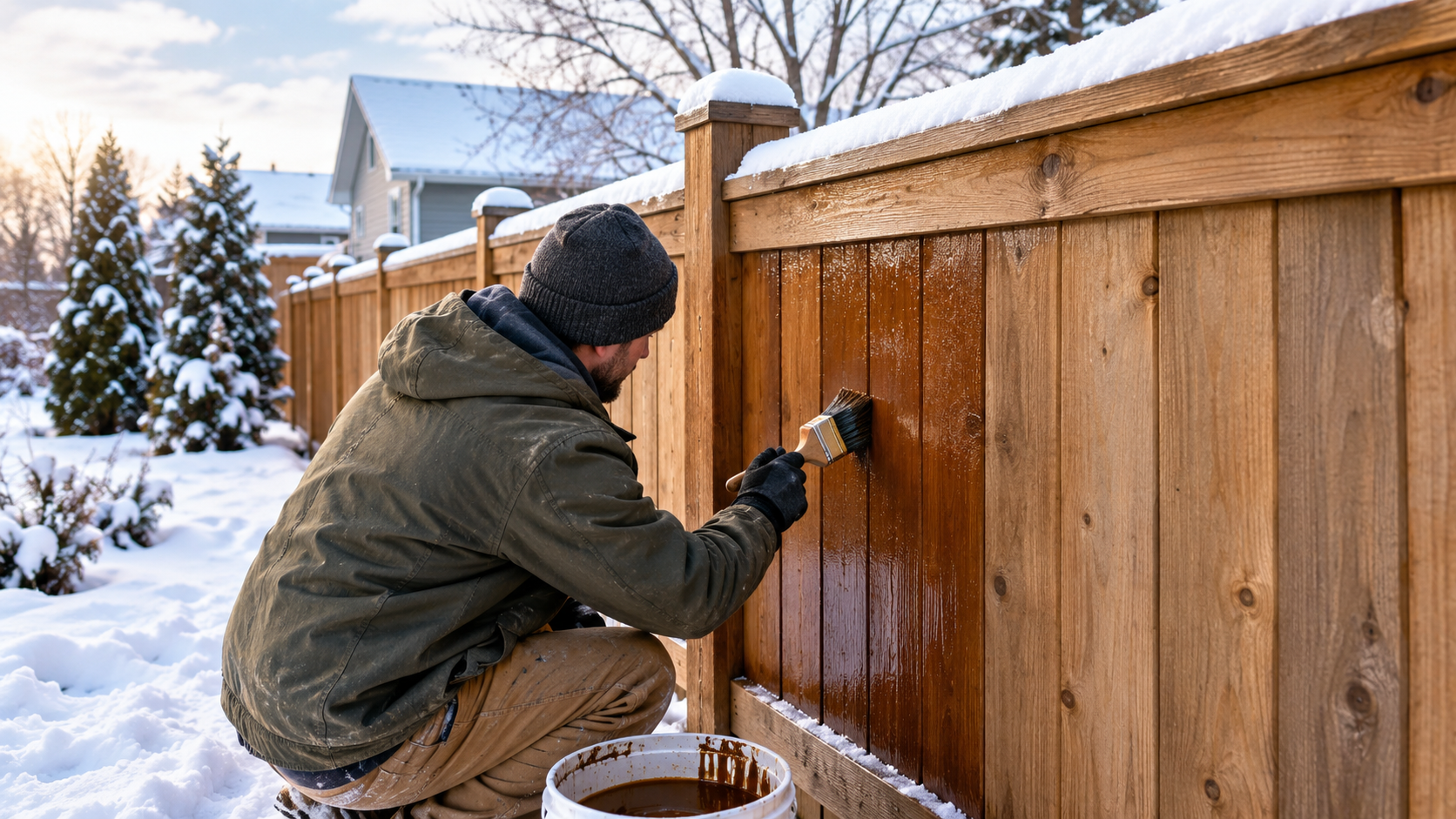
Some contractors offer minor off-peak discounts during late spring or early autumn to keep field crews busy between peak build seasons. Booking early in the spring guarantees your preferred schedule slot before mid-summer heat sets in. Always ensure weather forecasts show at least 24 to 48 hours of completely dry conditions before applying oil formulations.
10. Budgeting for Recurring Restains
Wood maintenance is an ongoing care program, not a one-time project. Clear sealers and basic transparent stains usually require reapplication every 1 to 2 years because they contain minimal protective pigments against heavy sun exposure. Semi-transparent finishes provide medium pigment protection and typically last 3 to 4 years before needing refresh coats.
Semi-solid and solid acrylic stains offer strong UV blockage, extending service lifespans out to 5 or 6 years. However, solid coatings build a thick surface film over timber rather than sinking deep into pores. Over time, that surface layer can crack and flake under extreme temperature swings, requiring labor-intensive chemical stripping before new coats can be applied.
Budgeting roughly $200 to $350 annually into a home maintenance fund keeps your long-term timber care fully funded. Maintenance recoats require significantly less prep labor and use less material than full restoration projects, keeping ongoing service costs manageable while ensuring your timber stays solid for decades.
Finding dependable fence staining near me allows property owners to rely on seasoned technicians like our team at All Pro Fence Buffalo, keeping your outdoor space protected against Erie County weather for years to come.
Frequently Asked Questions
How long does fence stain take to dry in Buffalo weather?
Oil-based formulations generally require 24 to 48 hours to fully dry in Western New York’s moderate humidity. Water-based acrylic finishes dry to the touch in 2 to 4 hours, but complete cure times take roughly 24 hours under clear skies.
Is it better to spray or brush stain onto a wood fence?
Combining both methods produces the absolute best long-term results. Airless sprayers apply uniform coating thickness quickly across flat boards, while immediately back-brushing works fluid deep into porous wood fibers, sealing tight grain crevices where spray alone fails to penetrate.
How soon can I stain a newly installed wood fence?
Fresh pressure-treated pine needs 3 to 6 months to dry completely until internal moisture content drops below 15 percent. Kiln-dried cedar can often be sealed within 2 to 4 weeks after installation once surface mill glaze is removed.
What is the best time of year to stain in Buffalo?
Late spring through early autumn offers ideal working conditions across Erie County. Temperatures should consistently remain between 50°F and 85°F, with guaranteed clear weather and zero rain forecast for at least 24 to 48 hours following application.
Should I choose oil-based or water-based fence stain?
Oil-based penetrants offer superior deep protection against severe freeze-thaw cycles by conditioning inner wood fibers. Water-based acrylic finishes retain vibrant color longer against strong UV radiation and dry much faster, but oil remains the regional gold standard for longevity.
Can you apply fresh stain over moldy or grey wood?
Never apply finishes directly over mold, algae, or grey degraded wood fibers. Coatings applied over dirty surfaces fail to bond properly, peeling away within months. Surfaces must be thoroughly pressure washed and treated with brighteners before finishing.
How much does fence staining cost near me on average?
Local homeowners typically pay between $4.00 and $9.00 per linear foot for professional turnkey service. A standard 150-foot residential privacy line generally ranges between $600 and $1,350 total, covering full pressure cleaning, minor repairs, and premium oil application.