Nobody drives past a commercial property and admires the dumpster. But they notice when it’s sitting out in the open, lid up, with trash blowing across the lot. A good enclosure fixes that and keeps you on the right side of local rules.
This guide comes from the commercial fencing contractors at All Pro Fence Buffalo, who have spent years building and repairing fences for businesses across Western New York. We’ll walk through what’s required, what holds up, and what to ask before you sign anything. Plain talk, no sales pitch.
Why Municipalities Require Enclosures
Cities and towns don’t require screening just to be picky. Open dumpsters attract rodents, gulls, and raccoons. They also spread litter, create odors, and become a magnet for illegal dumping. Mechanical equipment adds its own problems, since exposed units can be a safety risk and an eyesore for neighbors.
There’s also a practical side. Enclosures keep trash containers from being pushed around by wind or plows, and they protect the pavement and nearby buildings from impact. When a municipality asks for screening, it’s usually about public health, safety, and keeping commercial areas looking orderly. Most owners find the requirement makes more sense once the enclosure is up and the lot looks cleaner.
Common Code and Screening Rules
Every municipality writes its own rules, so there is no single answer for all of Erie County. The City of Buffalo, the Town of Amherst, Cheektowaga, Tonawanda, and the other towns each handle site plans and zoning in their own way. What I can tell you is what tends to come up again and again.
Many codes require dumpsters and rooftop or ground-level mechanical equipment to be screened from public streets and neighboring properties. Some set minimum heights so the container or unit sits fully below the top of the fence.
Others call for opaque materials, meaning you can’t see through them, and ask that gates stay closed when not in use. Some also require the enclosure to match the main building’s look or sit a certain distance from property lines.
Treat that list as a general picture, not legal advice. Before you design anything, call the code office for your address and ask what applies to your parcel. It takes a few minutes and can save you a rebuild.
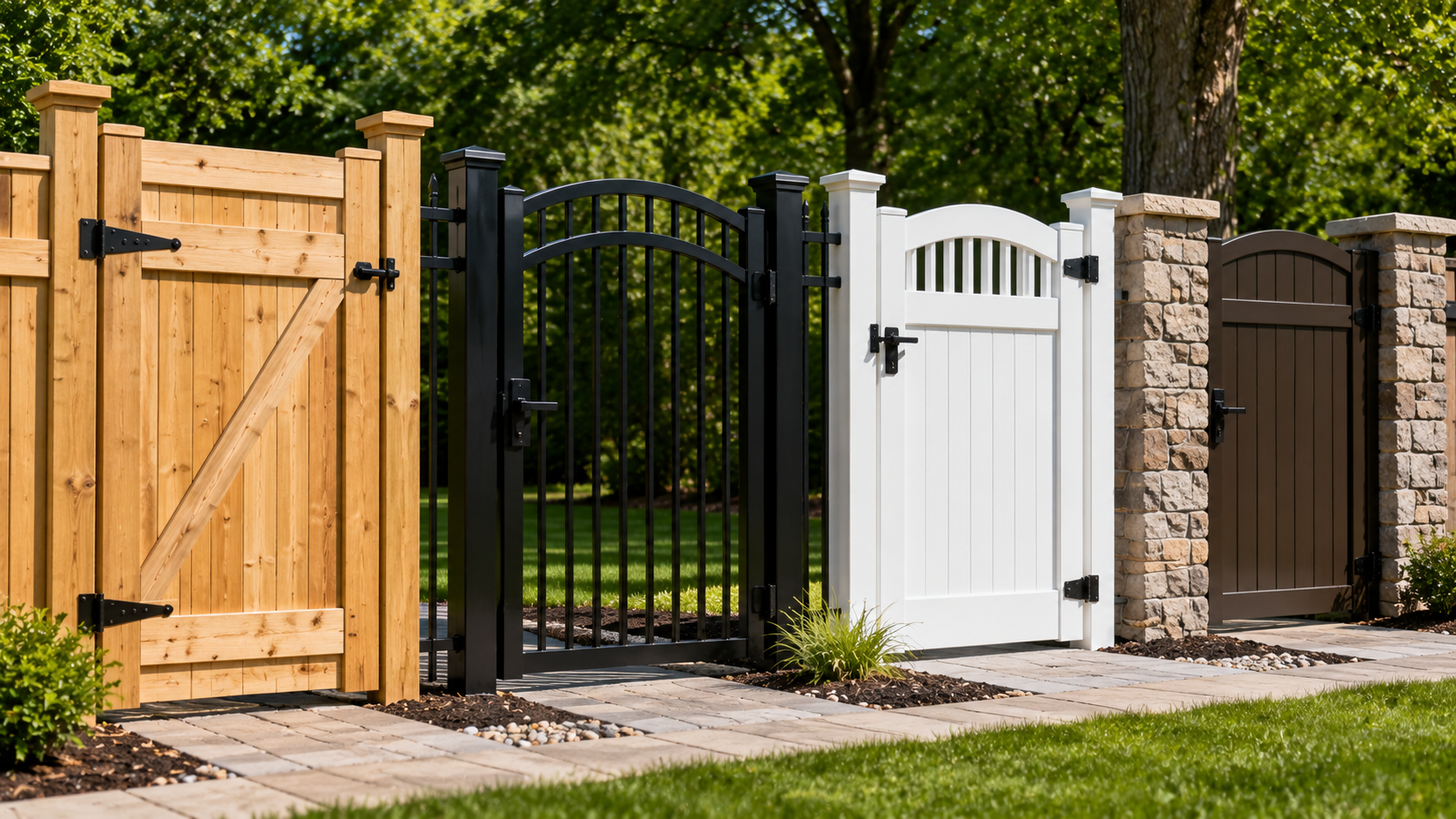
Material Options: Vinyl, Wood, Composite, and Steel
Picking material is mostly a trade-off between looks, upkeep, and toughness. Here is how the four main choices tend to compare.
Vinyl is popular for commercial fence work because it doesn’t need painting and resists rot. It cleans up with a hose and looks tidy for years. The downside is that vinyl can crack on a hard hit, especially in deep cold, so it’s better for spots that won’t see much truck contact.
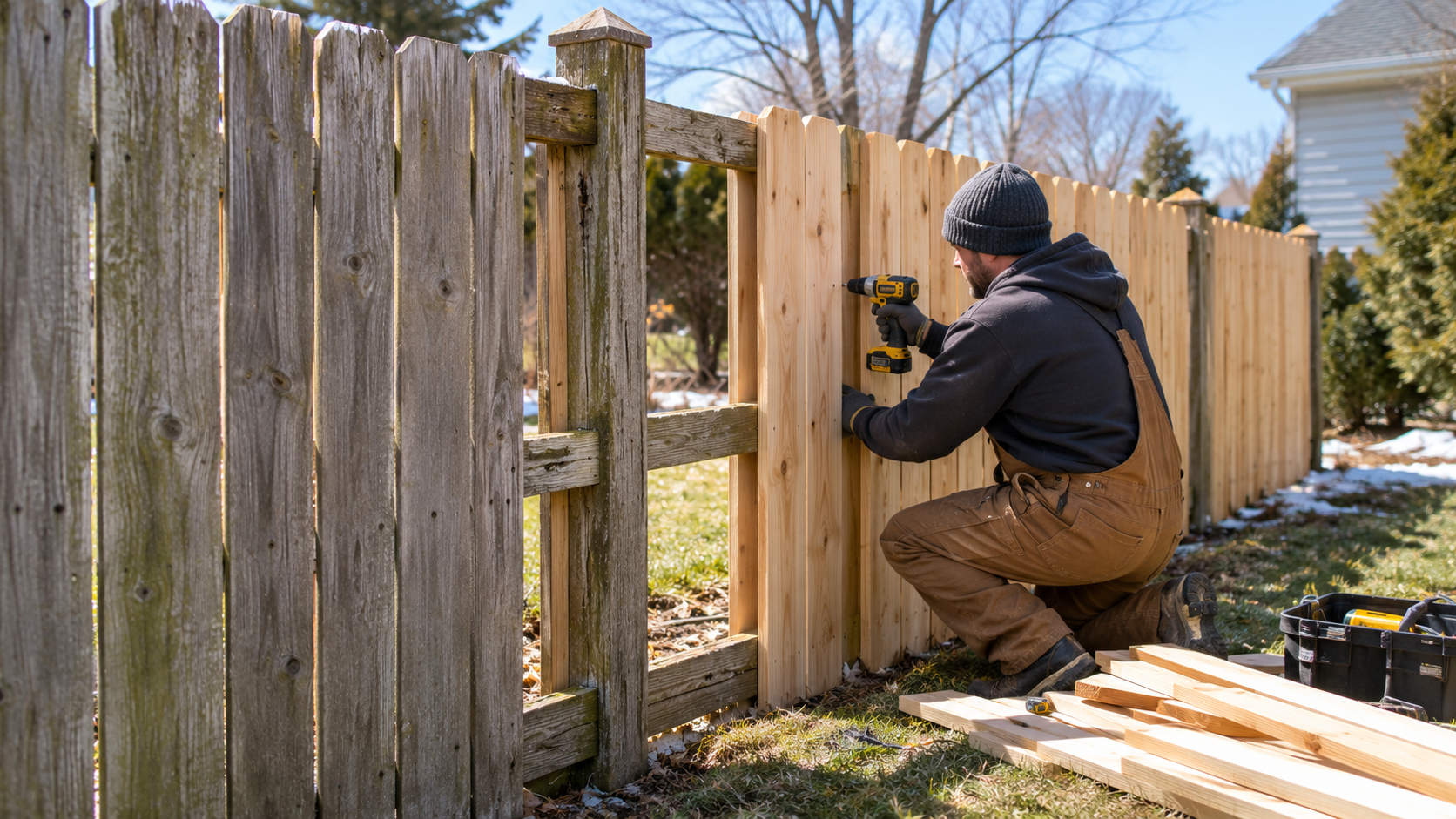
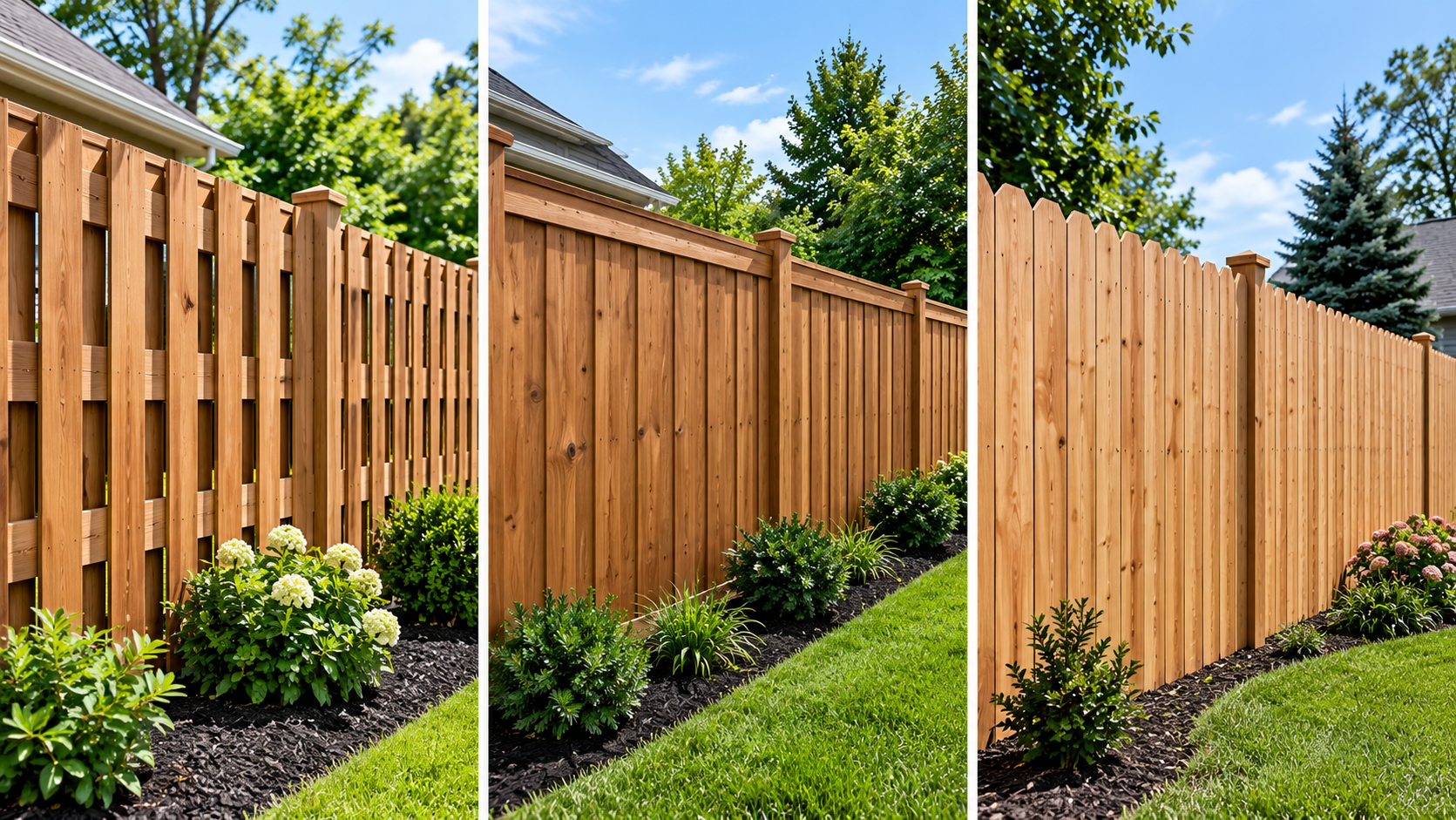
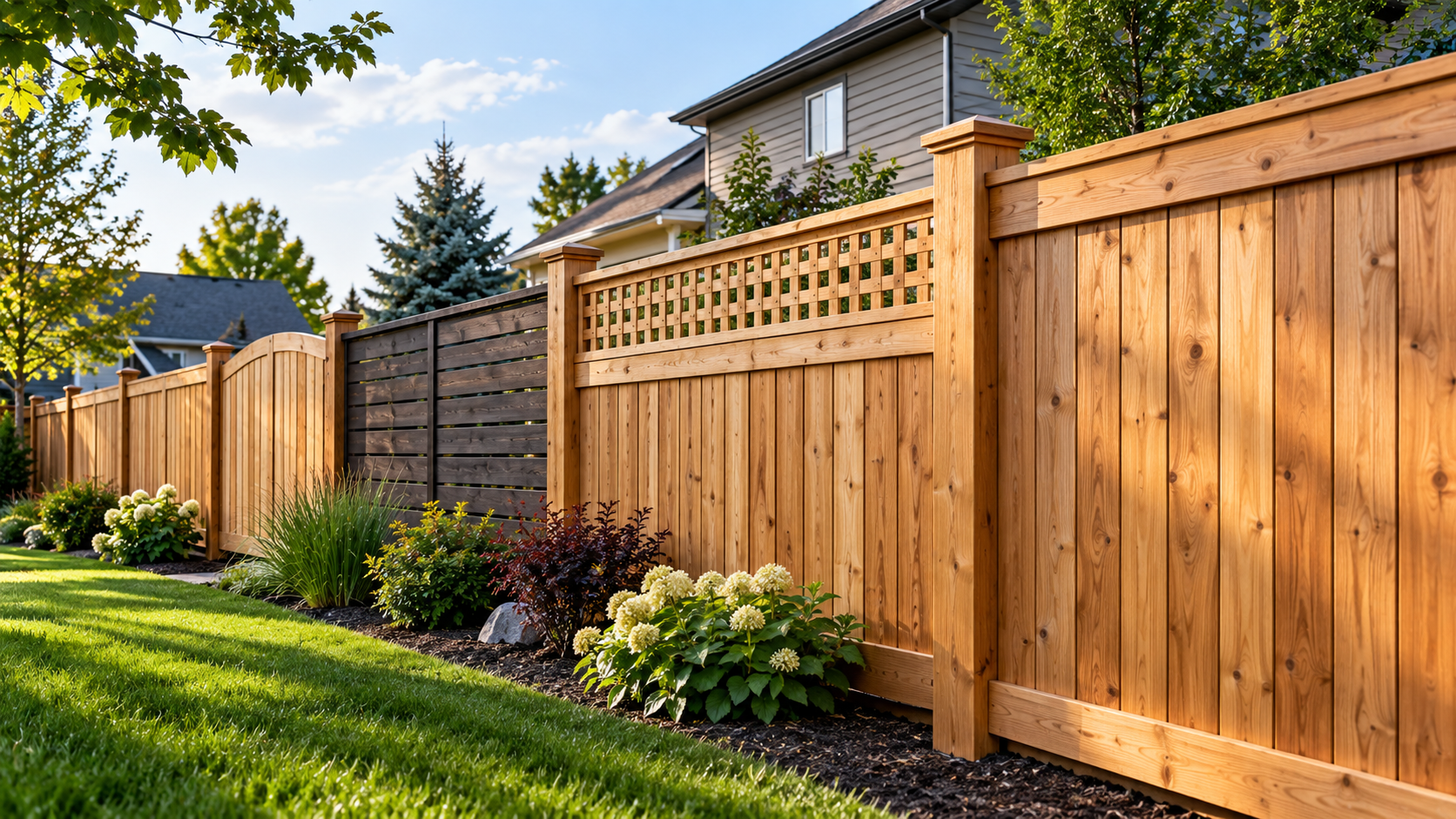
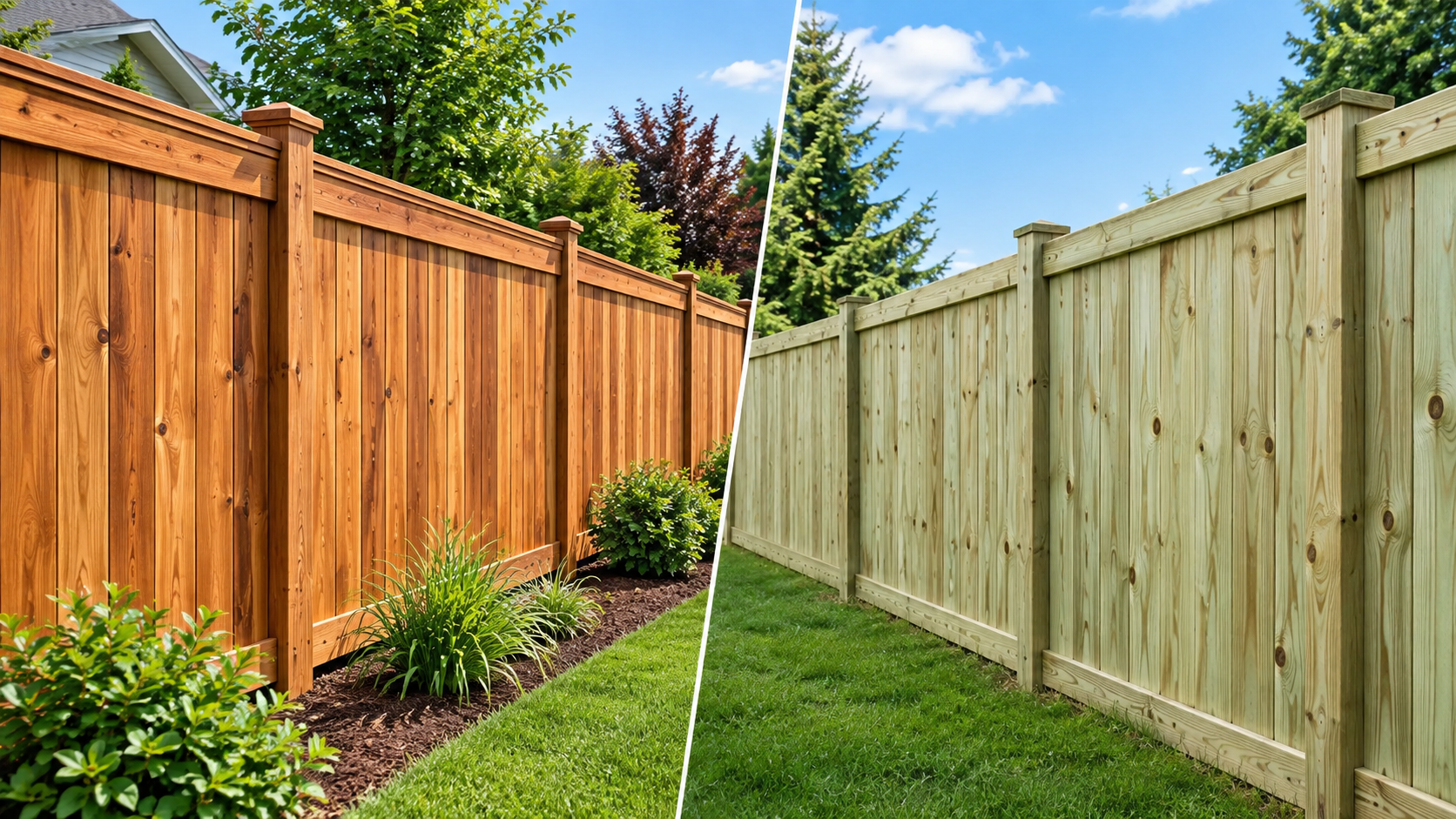
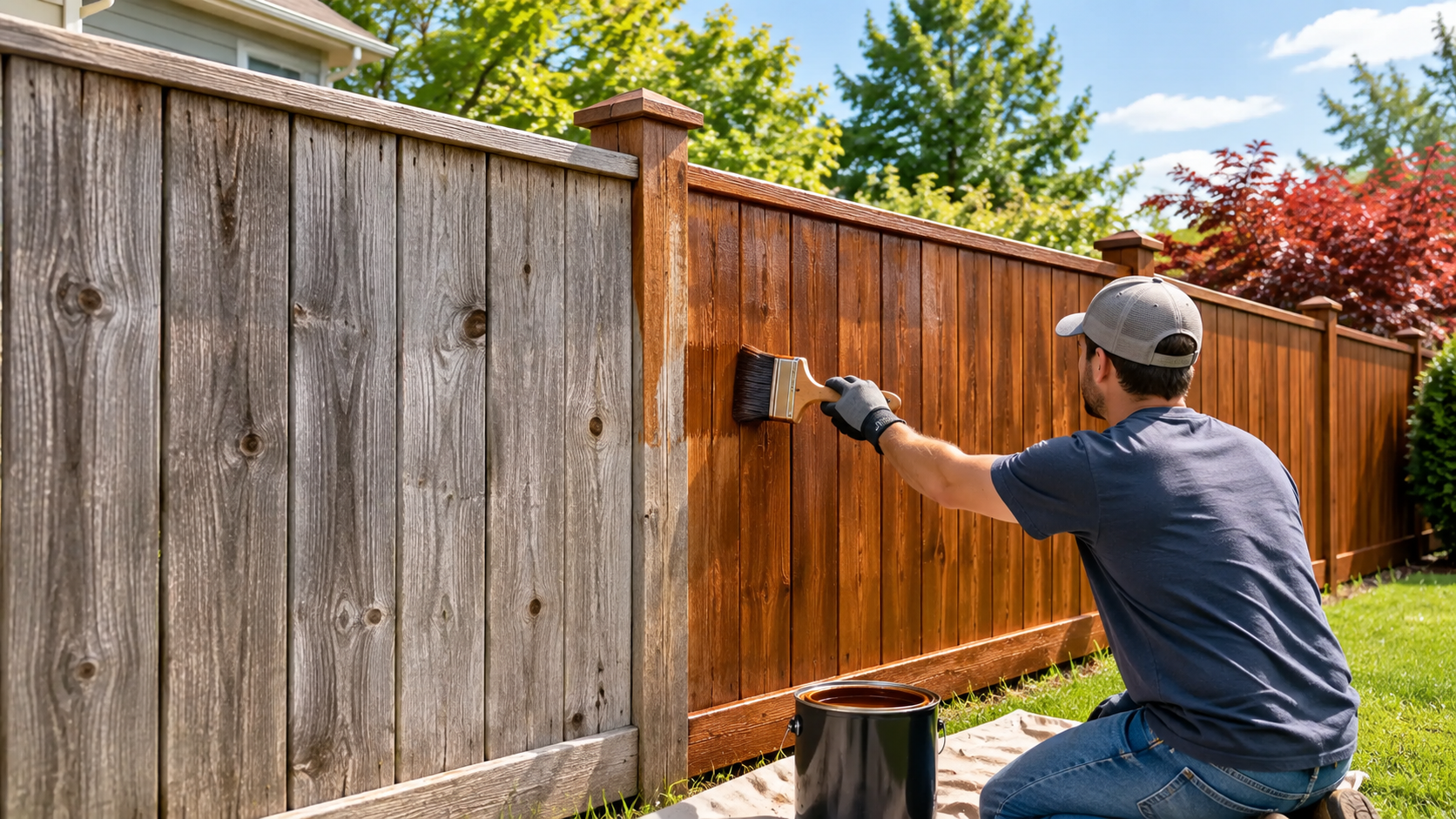
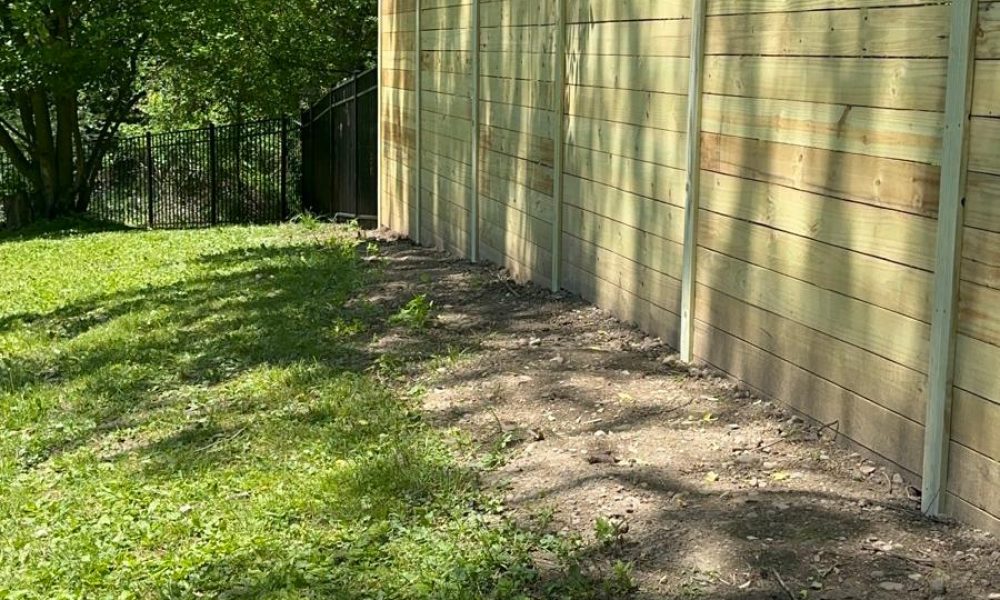
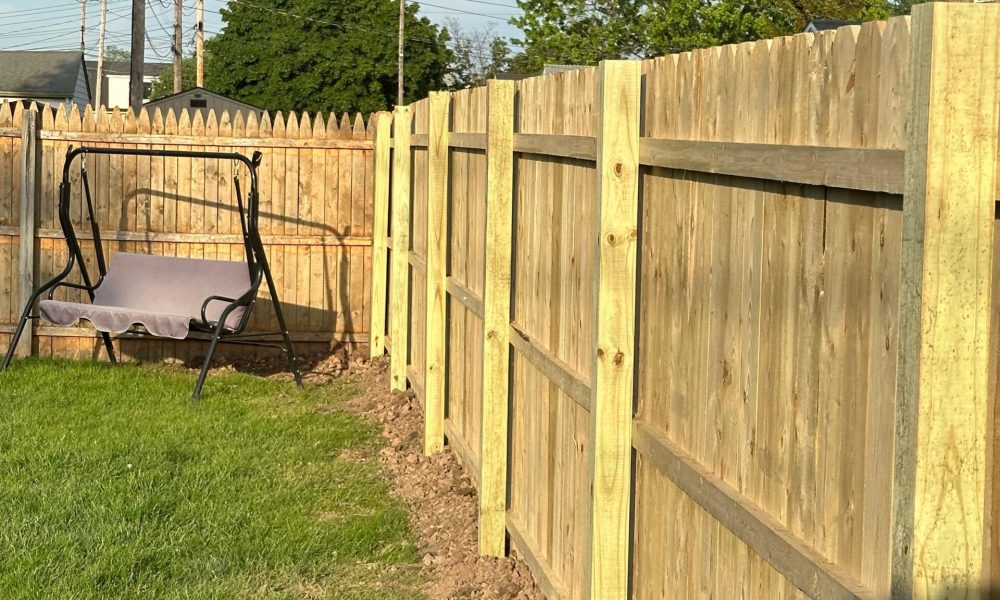
Wood has a warm look and costs less up front. Pressure-treated lumber and cedar are common picks. It does need regular sealing or staining, and it will weather faster than other options in our climate. Wood works well when a plaza wants a natural appearance and the owner is willing to maintain it.
Composite blends wood fibers and plastic. It has the look of wood with less maintenance, and it handles moisture well. It typically costs more than vinyl or wood, and quality varies by brand, so ask about warranty terms.
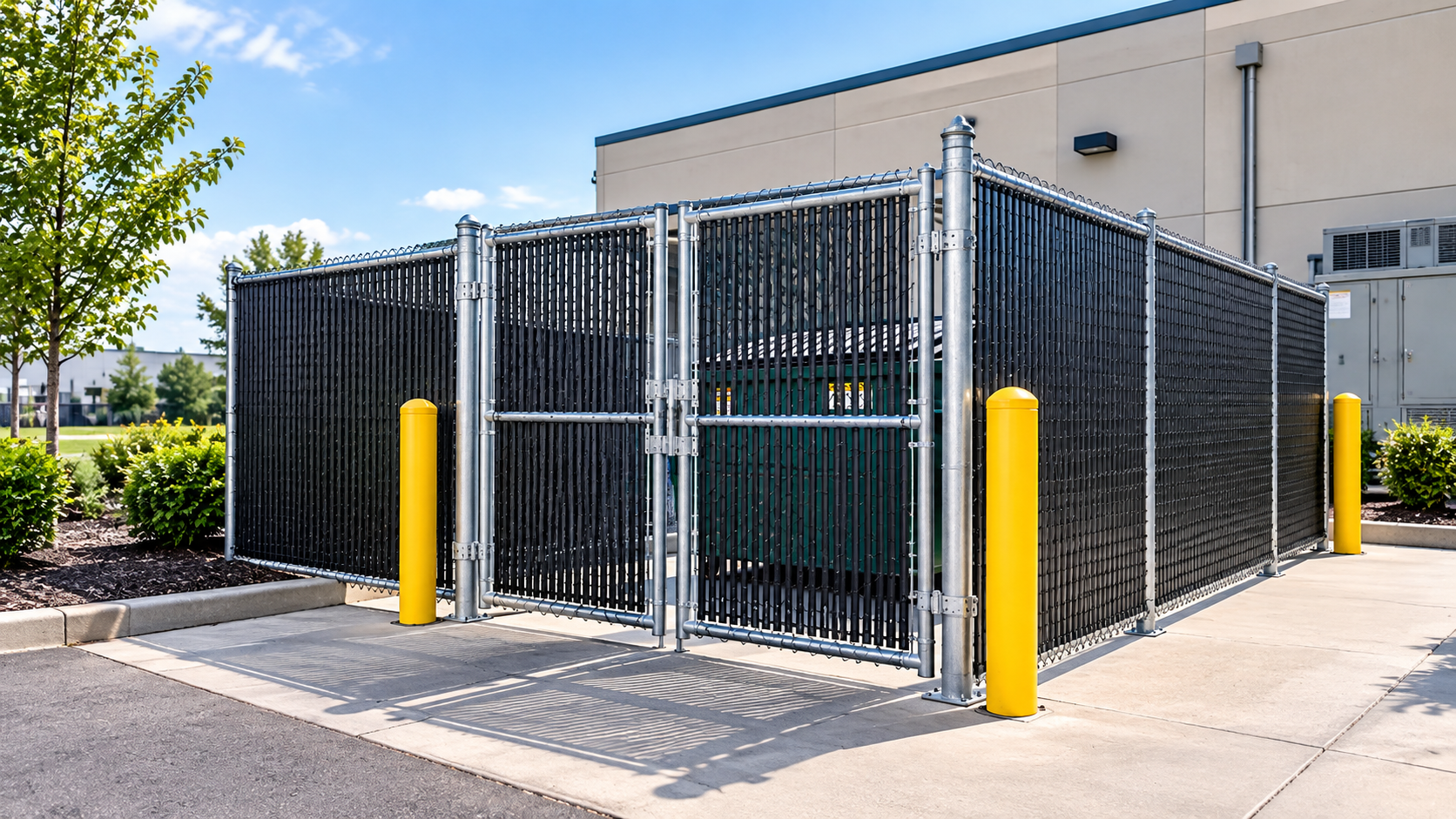
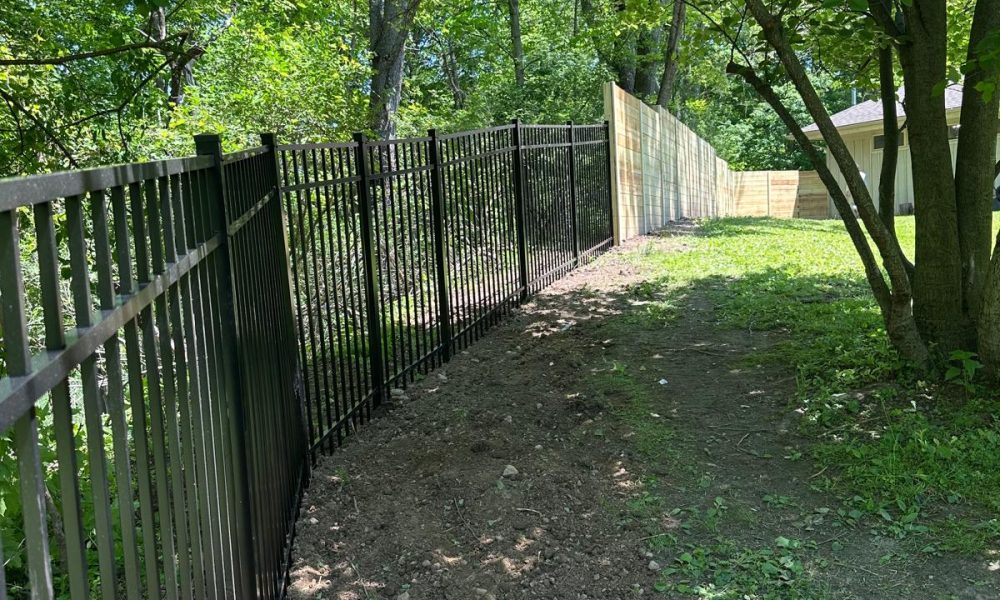
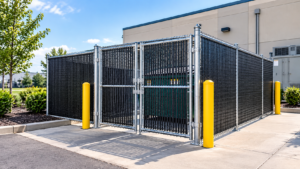
Steel, including aluminum and galvanized or coated steel, is the toughest. It handles impact better than the others and works well for heavy-use sites. Steel panels or posts can be paired with privacy slats to meet opaque screening rules. Coated finishes matter here, since bare steel will rust.
Sizing for Dumpsters and Equipment
Size is where many enclosures go wrong. People measure the dumpster and build to those exact numbers, then discover it doesn’t fit when the hauler shows up.
Standard commercial dumpsters come in several sizes, commonly from about 2 to 8 cubic yards for front-load containers. A typical 6-yard dumpster is roughly 6 feet wide, 5 to 6 feet deep, and about 4 feet tall, but dimensions vary by manufacturer. Get the actual measurements from your waste hauler, not from a chart online.
Then add room. You need clearance on the sides so the container can be moved in and out, and extra depth so the lid opens fully. Many owners also plan space for a second container, such as recycling, so they don’t have to rebuild later. For equipment screening, leave space around units for airflow and service access.
Blocking a condenser or transformer can cause overheating or violate manufacturer and utility requirements. Walk the site, measure twice, and confirm with whoever services the equipment.
Gate Access for Haulers
A beautiful enclosure that a garbage truck can’t reach is just a problem with a nice finish. Haulers need a clear approach, enough turning room, and a gate that opens wide.
Most commercial enclosures use double swing gates that open fully, often with a center drop rod or cane bolt to hold them in place. Gate width is commonly at least 10 to 12 feet, though your hauler’s requirements should decide it. Gates should swing outward or open to a stable position so wind doesn’t slam them into the truck.
Ask your waste company about their access needs before construction. Some provide written guidelines. Also think about the approach: a tight turn, a low branch, or a parked car can stop a pickup as surely as a locked gate. Heavy-duty hinges, strong posts, and quality latches matter because these gates get opened and closed constantly.
Snow and Salt Durability
Buffalo is hard on fences. Between lake-effect snow, freeze-thaw cycles, wind, and road salt, a commercial enclosure here gets tested every winter.
Posts are the foundation of the whole thing. Setting them below the frost line is the standard way to reduce frost heave, which can push posts up and out of alignment. In Western New York, frost depth is generally around 42 inches, though your local code office can confirm the requirement. Concrete footings also help hold posts steady against wind and plows.
Salt spray and slush attack metal hardware, so choose galvanized or stainless fasteners and quality coatings. Leave a little gap at the bottom of panels so snow doesn’t pack against them and pull on the structure. Consider where plows will push snow, too. A fence near a plow path may need bollards or a bit more space. Good design here means fewer repairs come April.
Aesthetic and HOA/Plaza Requirements
If your property is part of a plaza, business park, or association, there may be design rules beyond what the city requires. Landlords and property managers often specify colors, materials, and heights so that every tenant’s enclosure looks consistent.
Get written approval before you build. A short email thread or a signed approval form can prevent an expensive redo. Share drawings or product samples with the property manager so there’s no guessing about color or style.
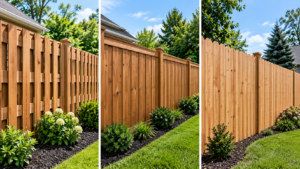
Even without those rules, matching the enclosure to the building makes a difference. A tan vinyl or composite that echoes the siding, or a dark steel frame that matches window trim, helps the enclosure blend in. Landscaping, such as low shrubs or ornamental grasses along the front, can soften the look. Customers rarely notice a well-done enclosure, and that’s the point.
Permitting for Commercial Enclosures
Many people assume a fence doesn’t need a permit. For commercial properties, that assumption can cost you. Many municipalities require a permit or site plan review for new commercial enclosures, especially if they’re part of a larger project or change the approved site layout.
The process generally starts with a call to your local building or code enforcement office. They’ll tell you what to submit, which may include a site plan, a sketch with dimensions, materials, and height. Some places need zoning approval first. Review times vary, so build that time into your schedule.
Also call before you dig. New York requires contacting 811 so underground utilities can be marked before excavation, and it’s free to request. Hitting a gas or electric line is dangerous and costly. A reputable contractor will handle this step, but you should know it’s required. Ask your contractor whether they’ll pull the permit or whether that falls to you, and get it in writing.
Maintenance and Repairs
An enclosure isn’t maintenance-free, whatever the brochure says. A little attention keeps it working.
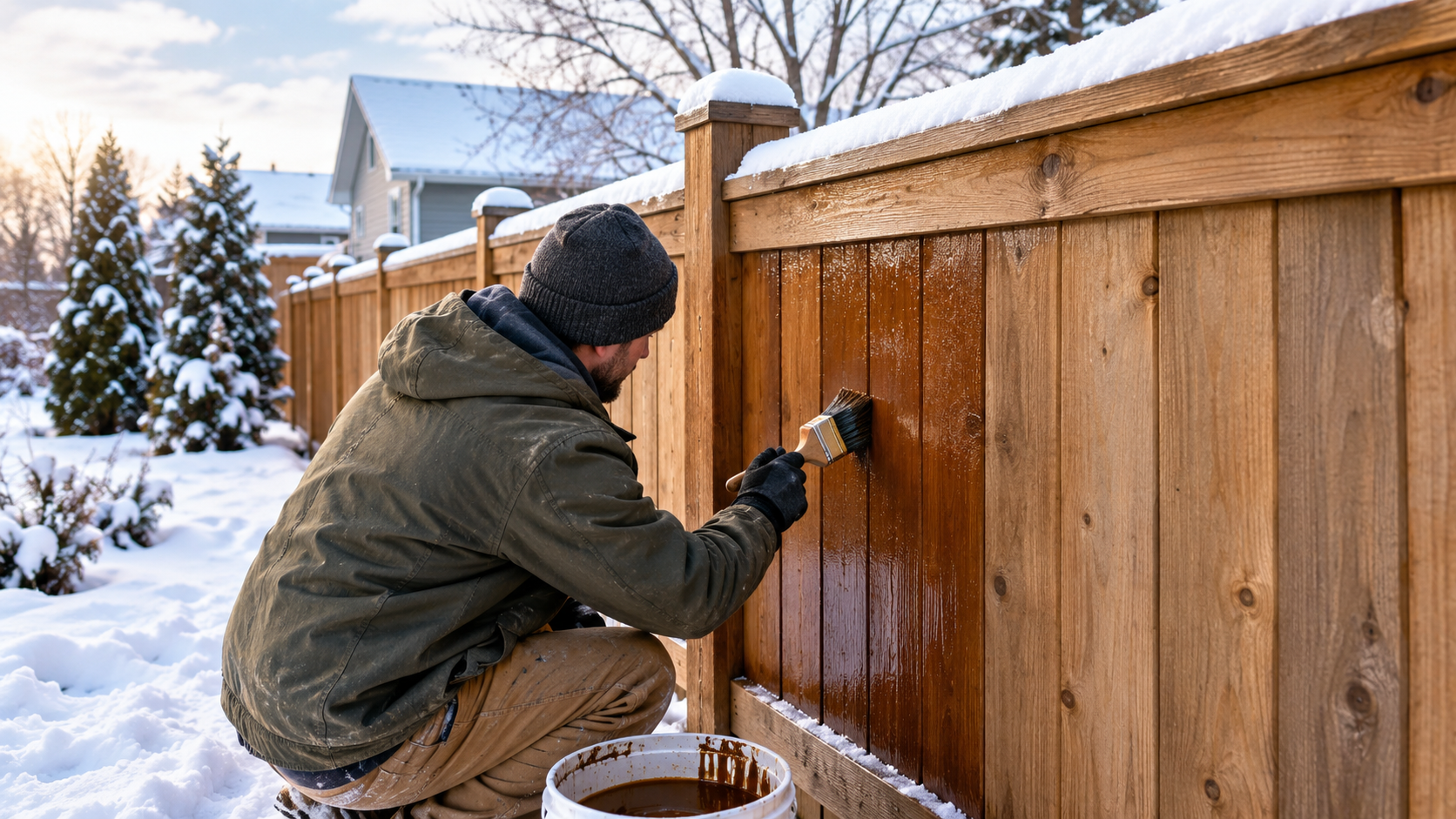
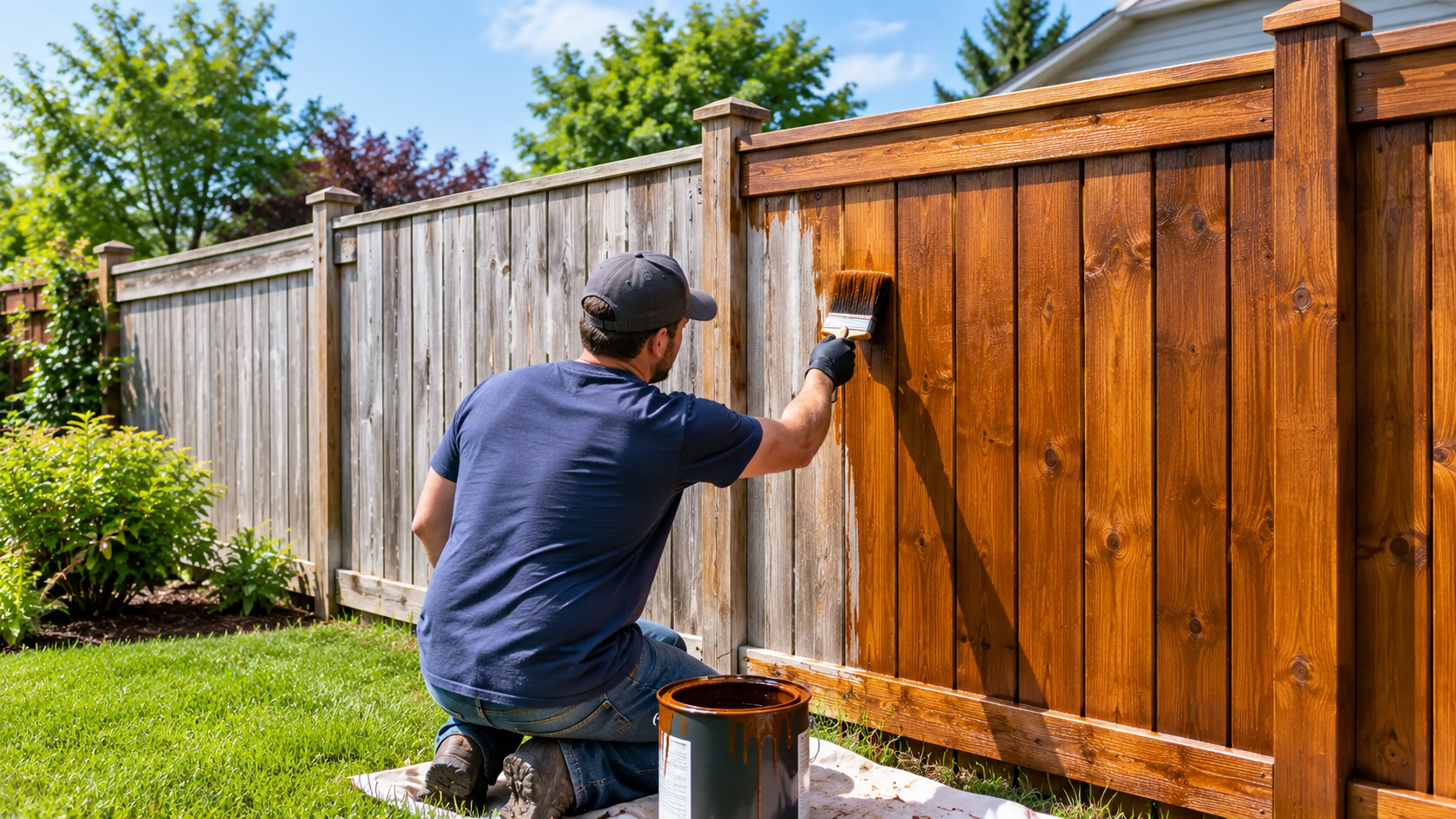
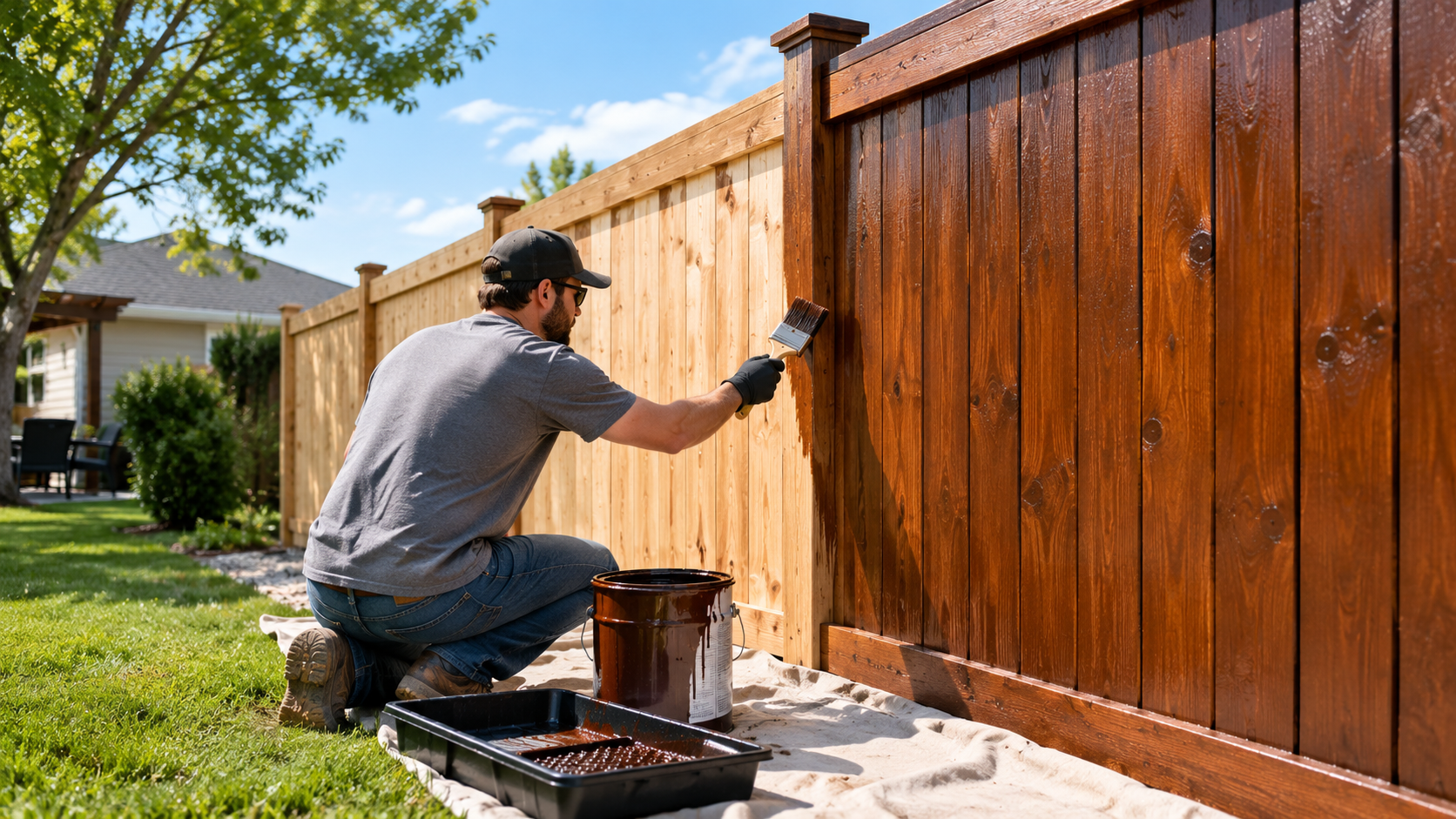
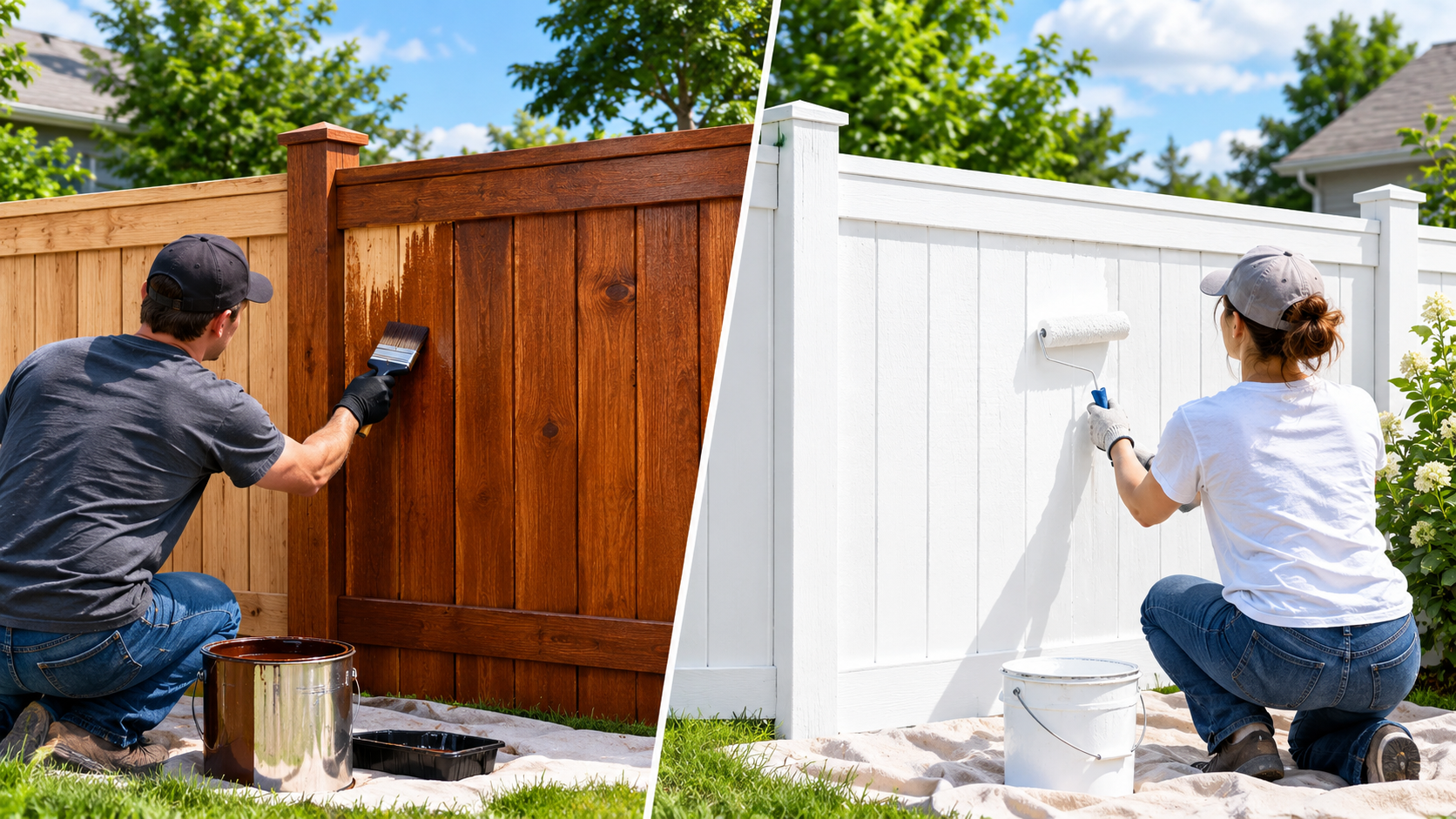
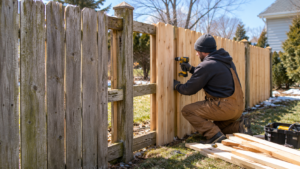
Check gates every few months, since latches loosen and hinges sag. Tighten hardware, lubricate moving parts, and fix anything that rubs. Wash vinyl and composite with mild soap and water. Reseal or stain wood every couple of years, depending on the product and exposure. On steel, touch up chips in the coating quickly so rust doesn’t spread.
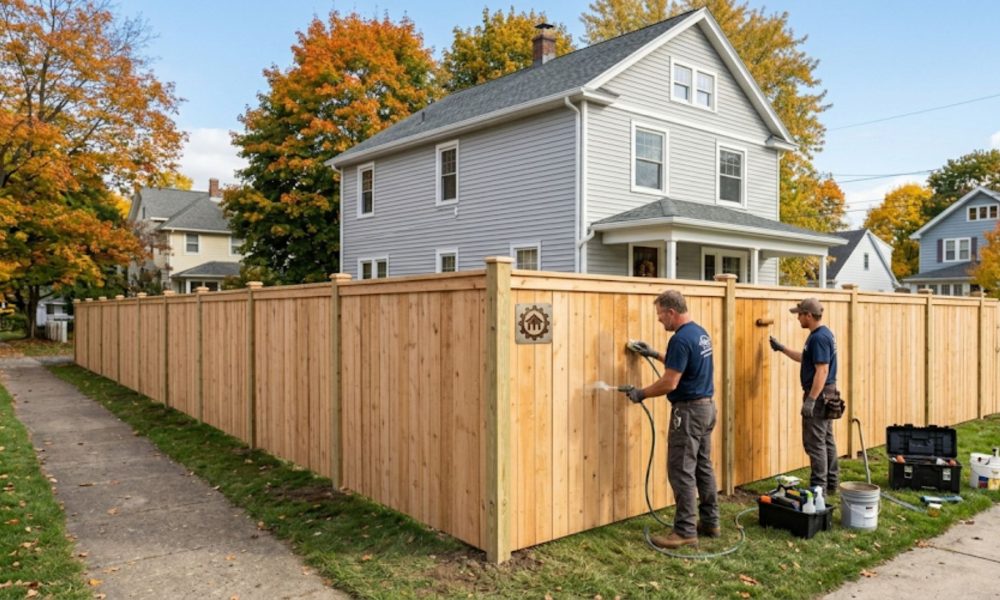
After winter, walk the perimeter. Look for leaning posts, cracked panels, and damage from plows or delivery trucks. Small repairs are cheap. Ignored ones tend to grow. Many commercial fencing contractors, including the team at All Pro Fence Buffalo, can repair a damaged section without replacing the whole enclosure, which is worth asking about if a truck clips a corner.
Installation Cost Ranges
Pricing depends on size, materials, gate type, site conditions, and local labor, so any number I give is a ballpark. Treat these as rough guidance and not a quote.
A basic wood enclosure for a single dumpster might run a few thousand dollars. Vinyl and composite typically cost more, and steel or custom designs can climb higher, especially with reinforced gates. Prices have also moved around in recent years because of material costs, so older figures may not hold.
What drives cost up: concrete footings, extra gate hardware, difficult ground, permit fees, and custom colors. What helps: simple layouts, standard sizes, and planning ahead. Get written estimates from at least two or three commercial fencing contractors, and compare them line by line. Ask what’s included, such as permits, haul-away of debris, and warranty. The lowest number isn’t always the best value if it leaves out the gates.
How to Choose a Contractor
A few simple checks protect you. Confirm the company is licensed and insured where required, and ask for a certificate of insurance. Ask for references or photos of similar commercial work nearby. Look at their Google Business Profile and read recent reviews, paying attention to how they handle problems, not just the star rating.
Make sure the contract spells out materials, dimensions, timeline, payment schedule, and warranty. A contractor who answers questions plainly and visits the site before pricing is usually a good sign.
Frequently Asked Questions
Do commercial dumpsters have to be screened in Buffalo?
Many municipalities in the area require screening, but rules vary by city or town and by zoning. Contact your local code office with your property address to confirm what applies before you design or buy anything.
What is the best material for a dumpster enclosure?
It depends on your budget and use. Steel is the most impact-resistant, vinyl is low maintenance, wood costs less but needs upkeep, and composite balances looks and durability. Consider traffic, winter conditions, and plaza rules.
How big should an enclosure be?
Start with your hauler’s actual container dimensions, then add room for lid clearance, side access, and possibly a second bin. Extra space makes servicing easier and prevents damage to both the container and the fence.
Do I need a permit for a commercial enclosure?
Often yes, especially for new construction or site changes. Requirements vary by municipality, so check with your local building or code office. You should also request an 811 utility markout before any digging begins.
How deep should fence posts go in Western New York?
Posts are commonly set below the frost line, which is generally around 42 inches in this region, to limit frost heave. Confirm the exact requirement with your local code office, since some jurisdictions specify their own depth.
How much does a commercial enclosure cost?
Costs vary widely by size, material, gates, and site conditions. Simple wood enclosures cost less, while steel or custom designs cost more. Get several written estimates and compare what each includes, such as permits and warranty.
How often does an enclosure need maintenance?
Inspect gates and hardware every few months and walk the full fence after winter. Wash vinyl as needed, reseal wood every couple of years, and repair coating chips on steel quickly to prevent rust.
Final Thoughts
A good dumpster or equipment enclosure does three jobs: it meets code, it works for the hauler, and it survives Buffalo winters. Get the rules from your local office first, measure carefully, choose materials that fit your site, and plan for access and maintenance. Do that, and the enclosure becomes something you rarely think about. If you’re weighing a project right now, start by calling your code office and your waste hauler. Those two conversations answer most of the big questions.