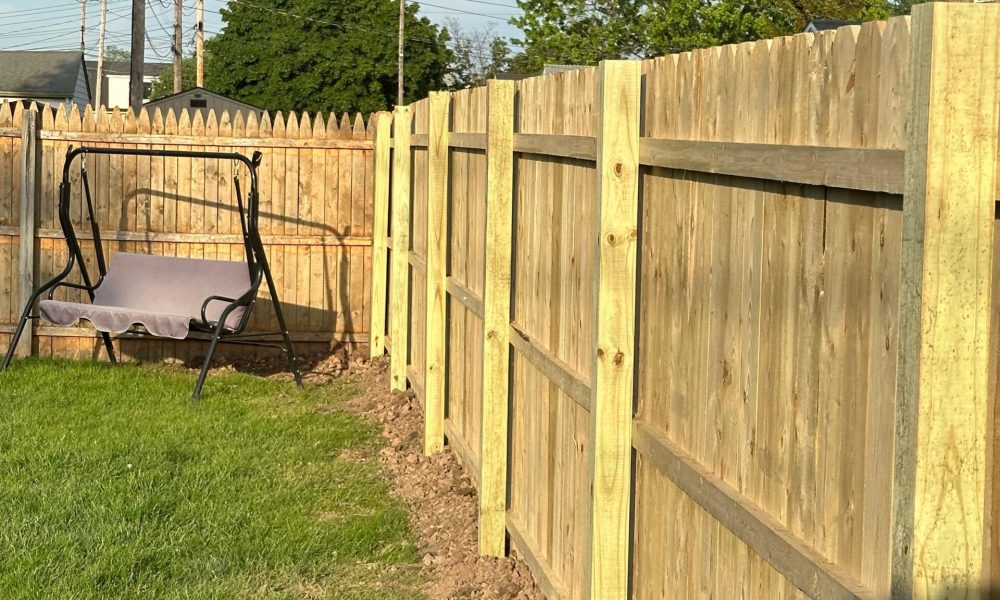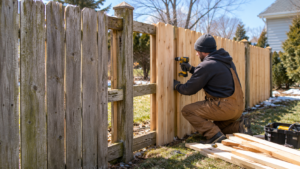
A fence can offer your home privacy and security, and it can be a rewarding task to build it on your own. Many homeowners are now turning to diy fence building to save some money and have something practical to do with their hands. But to do it right, you require some planning, tools, and knowledge of local rules. This guide will teach you everything you need to know about building a fence, from what kind of fence to zoning permits for Buffalo. And if it gets overwhelming, know that All Pro Fence Buffalo is always there to help you get the job done right.
How to Choose the Right Fence Type for Your Yard: Durability, Budget & Purpose
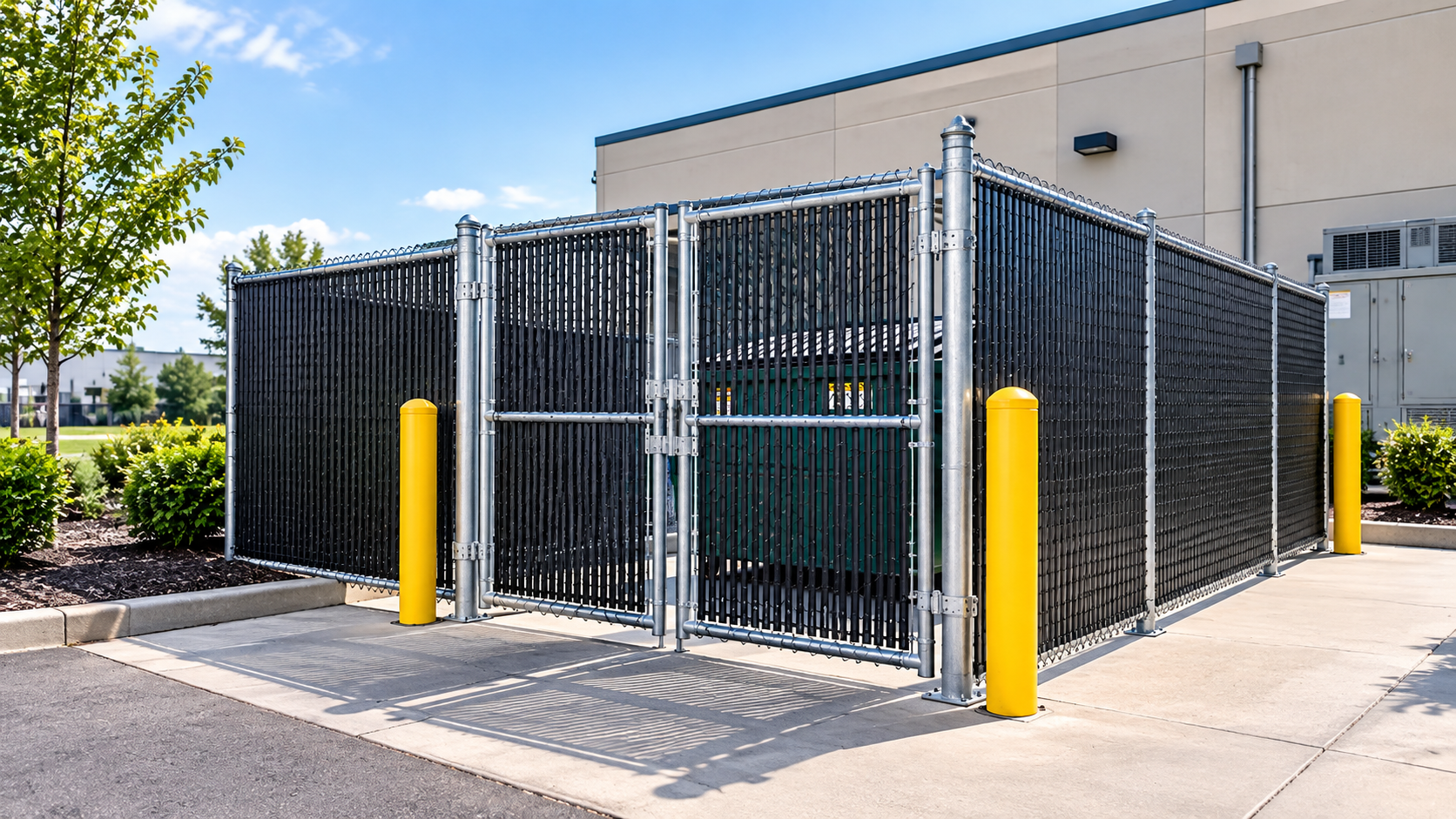
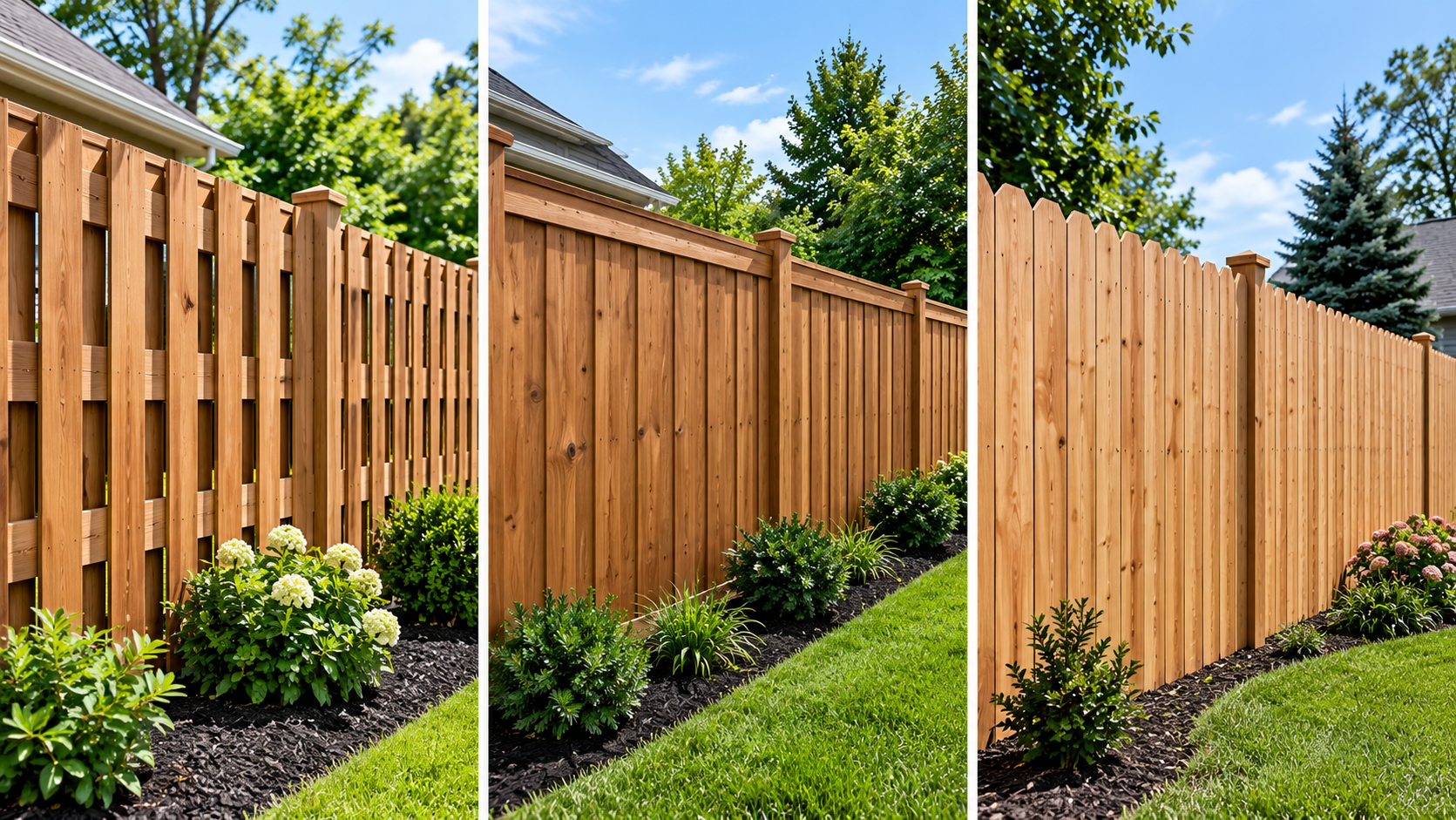
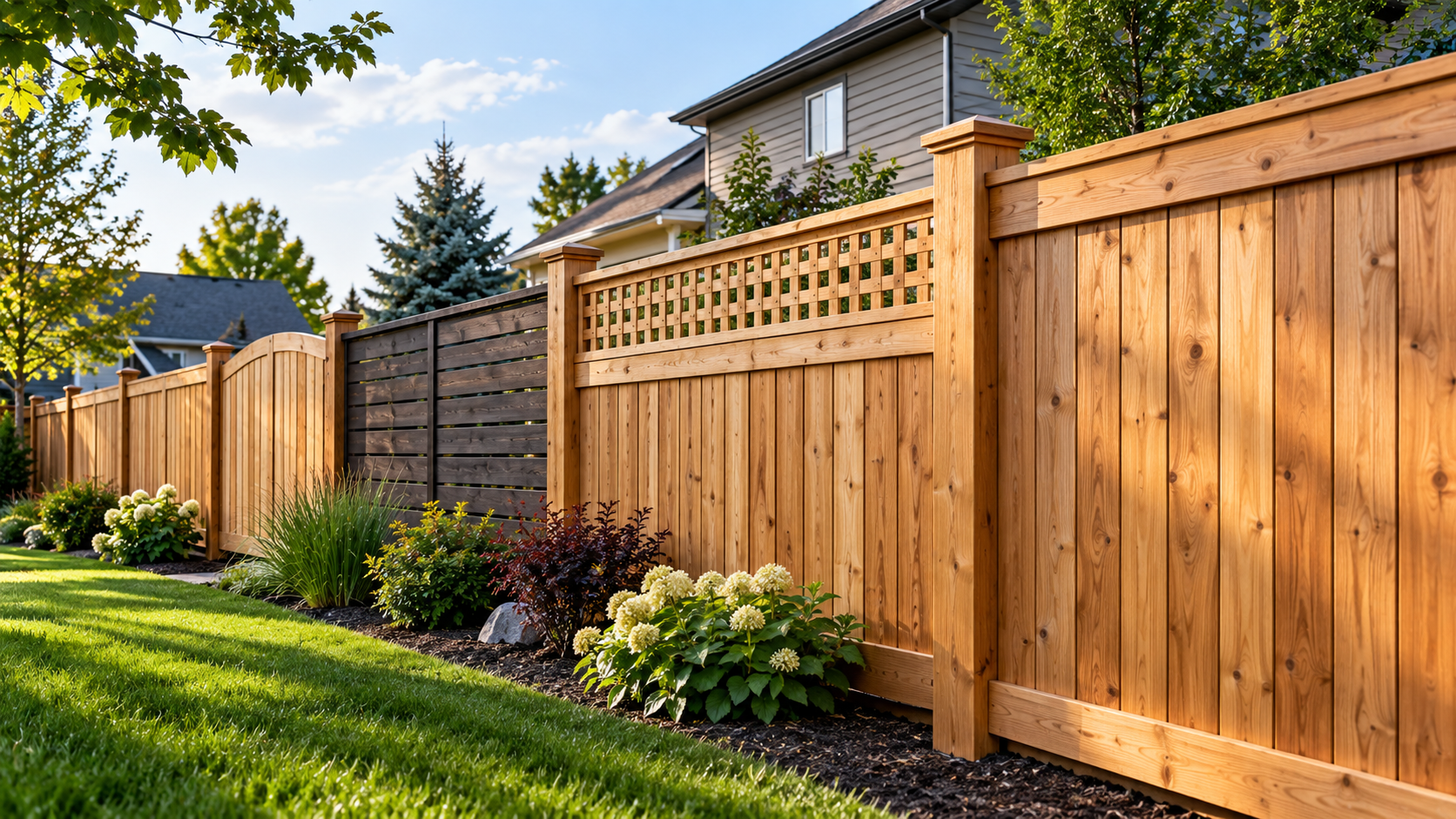
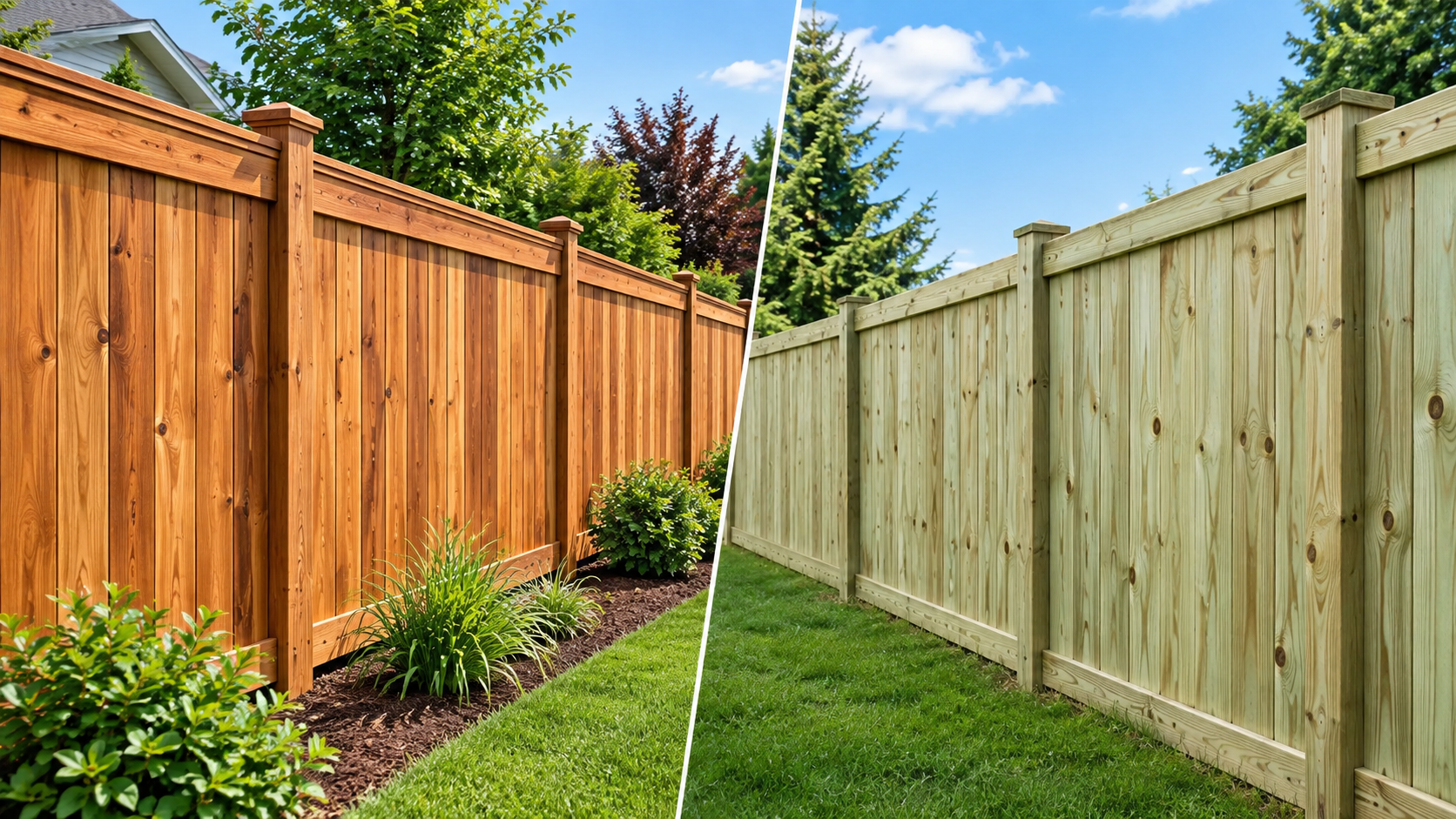
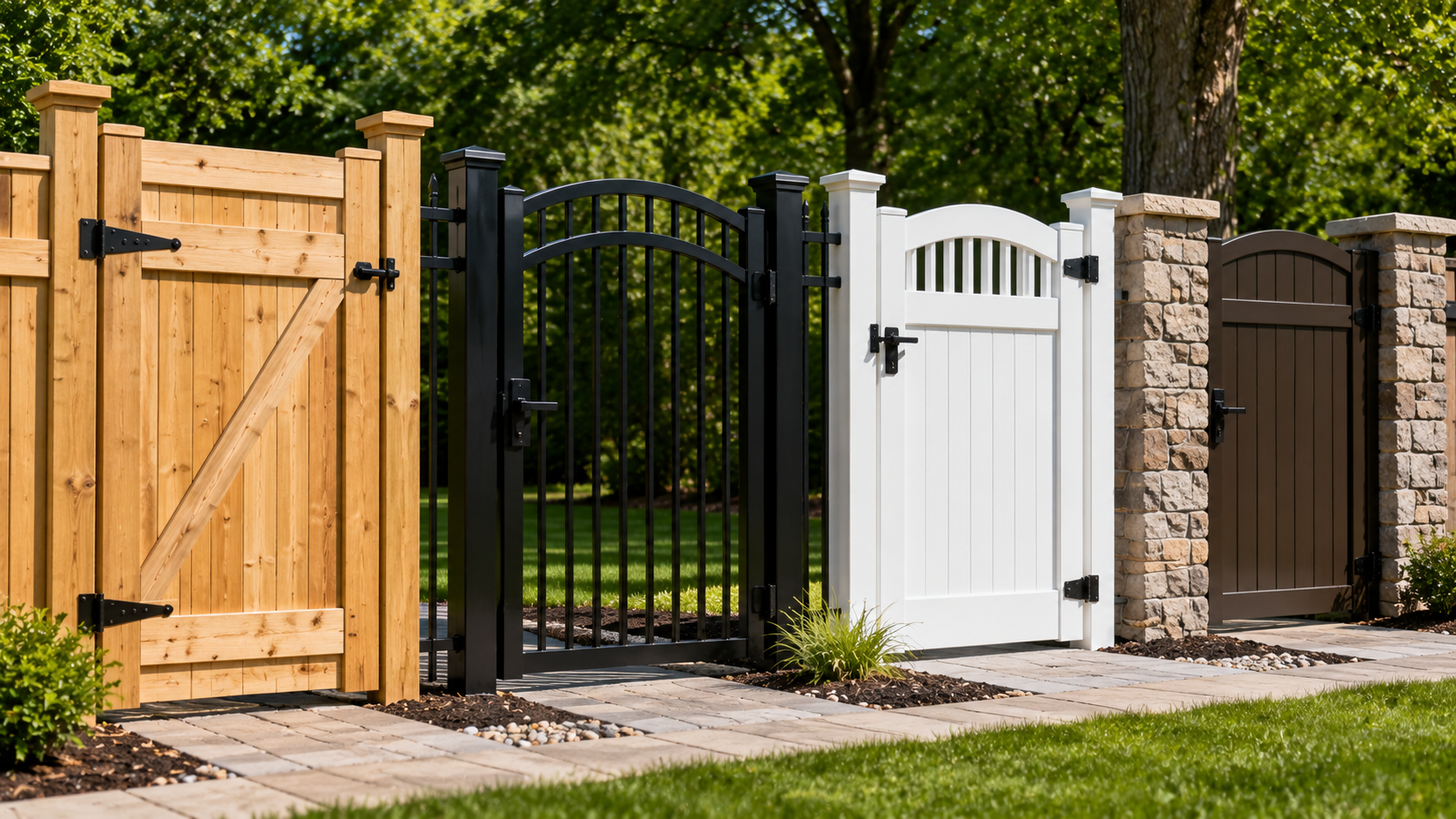
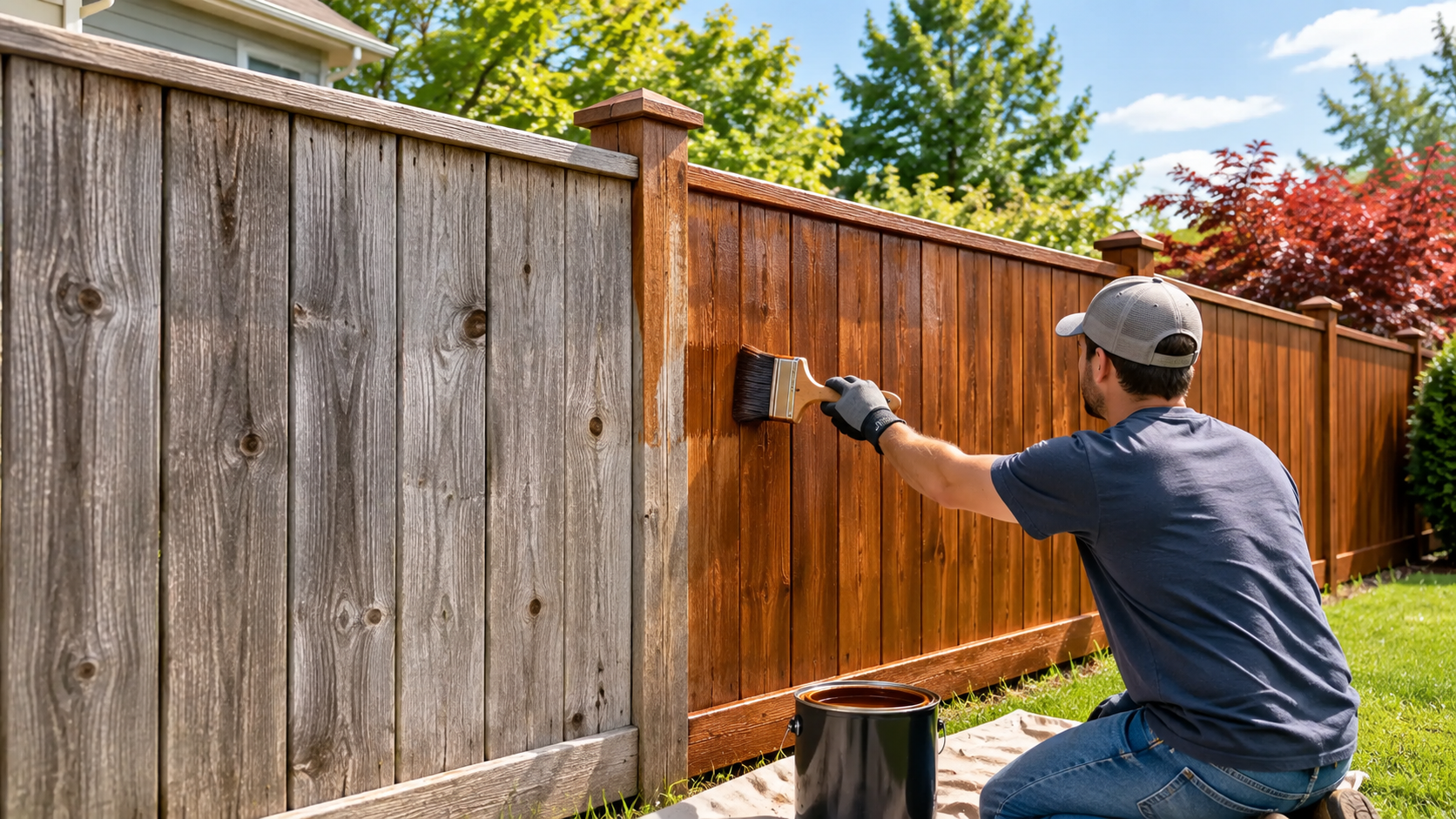
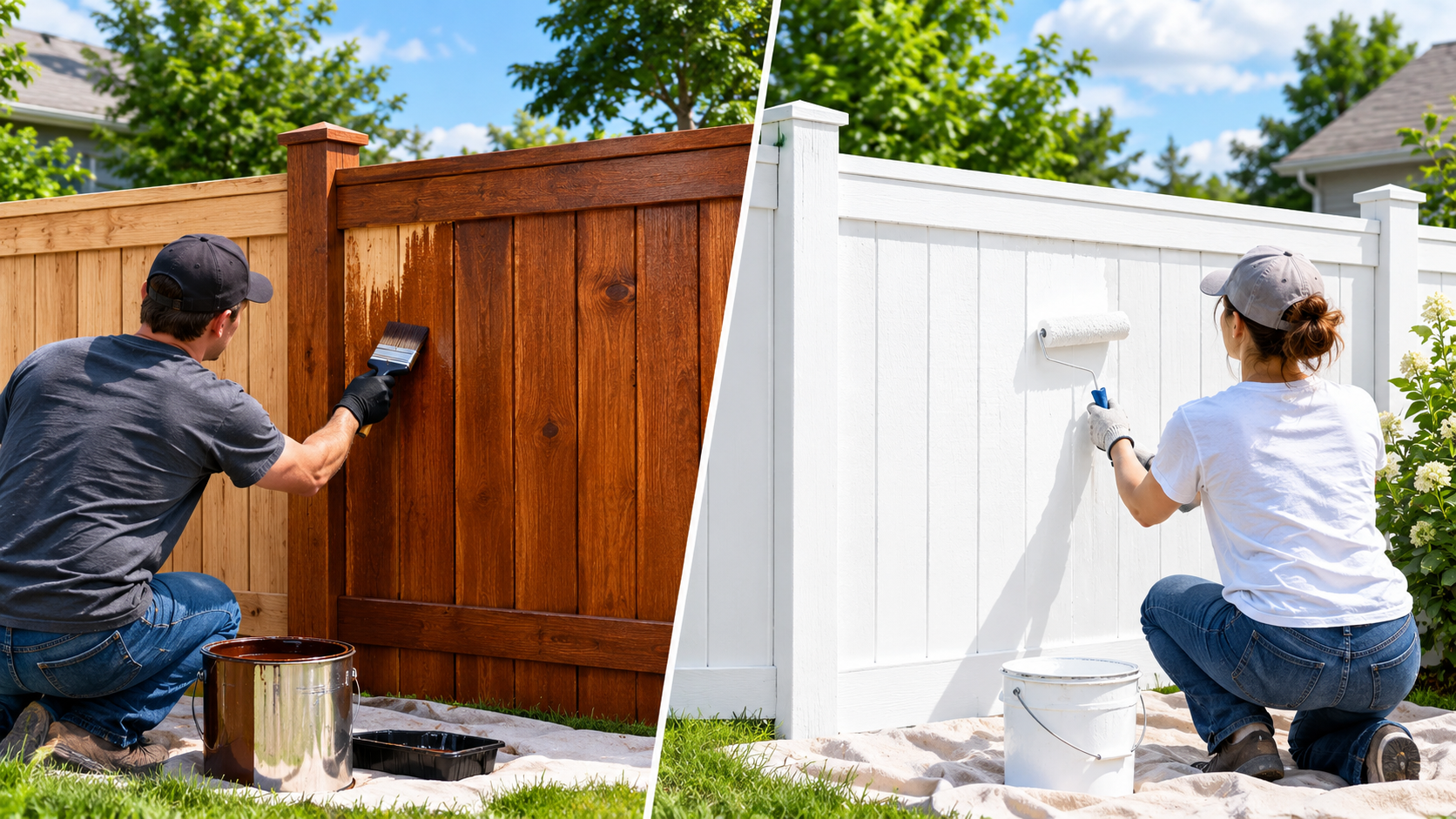
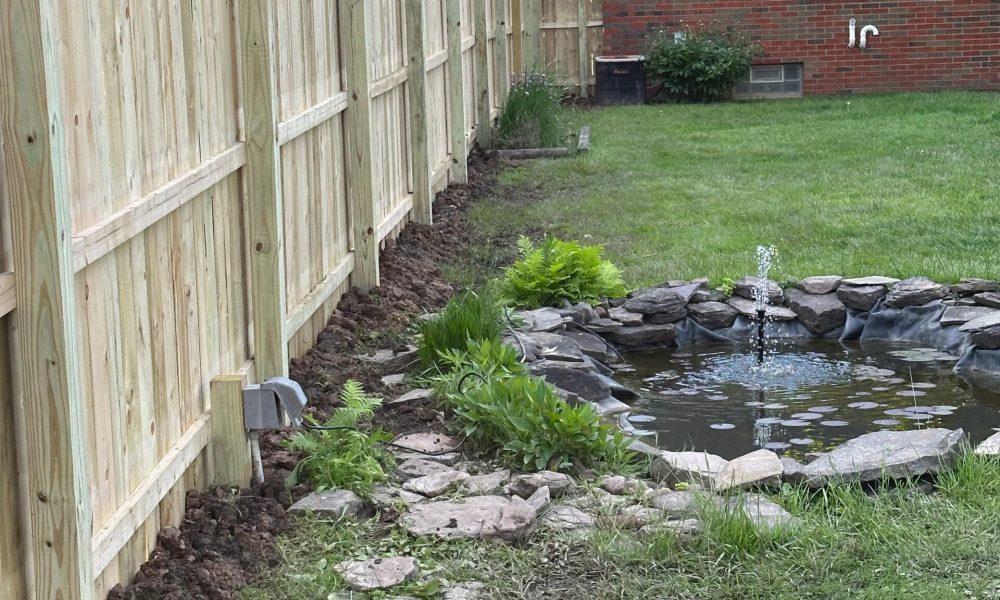
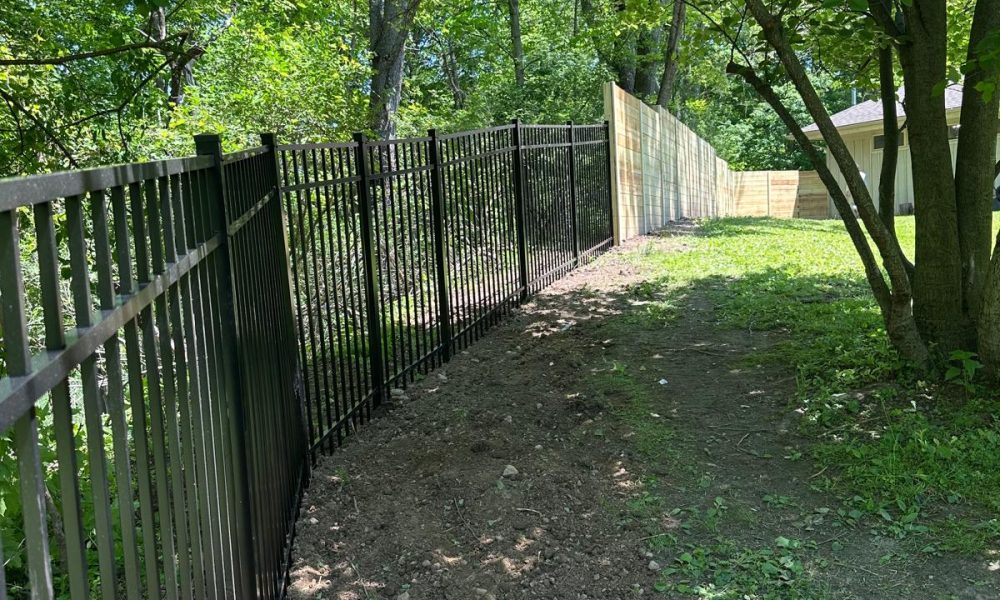
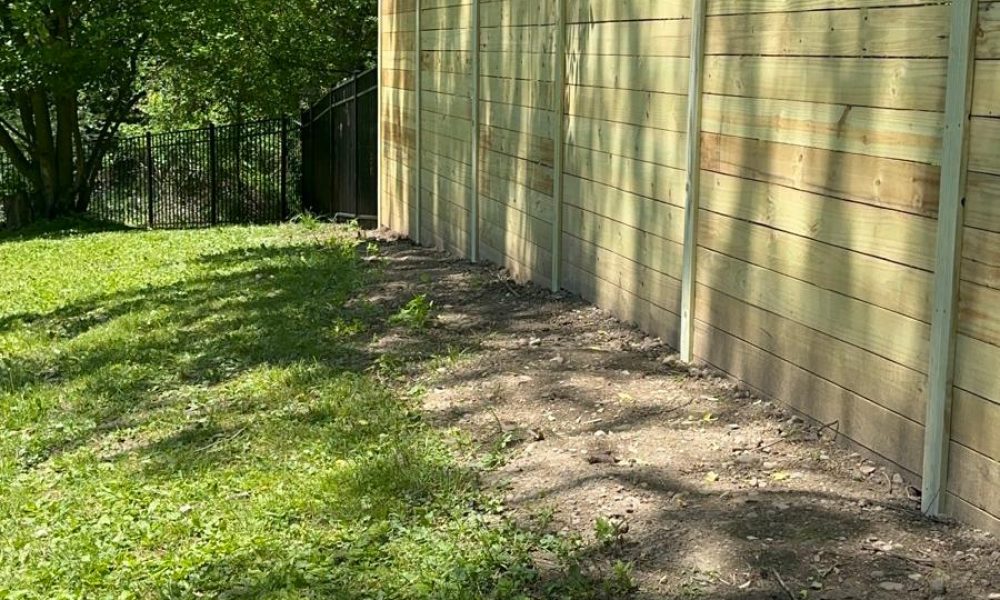
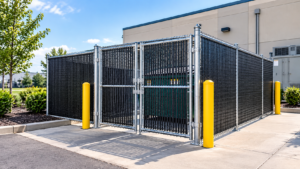
Before getting into the diy fence building step by step process, ask yourself these questions. What type of fence will best accommodate your needs? Each has its own advantages. Wood fencing is cheap, has a natural appearance, and requires maintenance. Vinyl fencing costs a bit more, but it is durable and maintenance-free. The chain link is cheaper and functional for security purposes, while the aluminum is more aesthetically pleasing and gives a more contemporary look and is very durable.
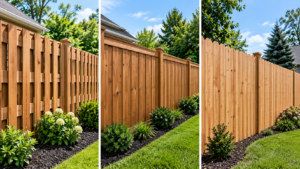
Which you choose should depend on what your primary interest is. For pure privacy, a tall wooden or vinyl fence is the way to go. Choose a decorative style consistent with your home’s architecture. Budget is a huge factor, too. Planning carefully will help you balance cost and long-term value.
Key Tools & Equipment You’ll Need for a Successful DIY Fence Build
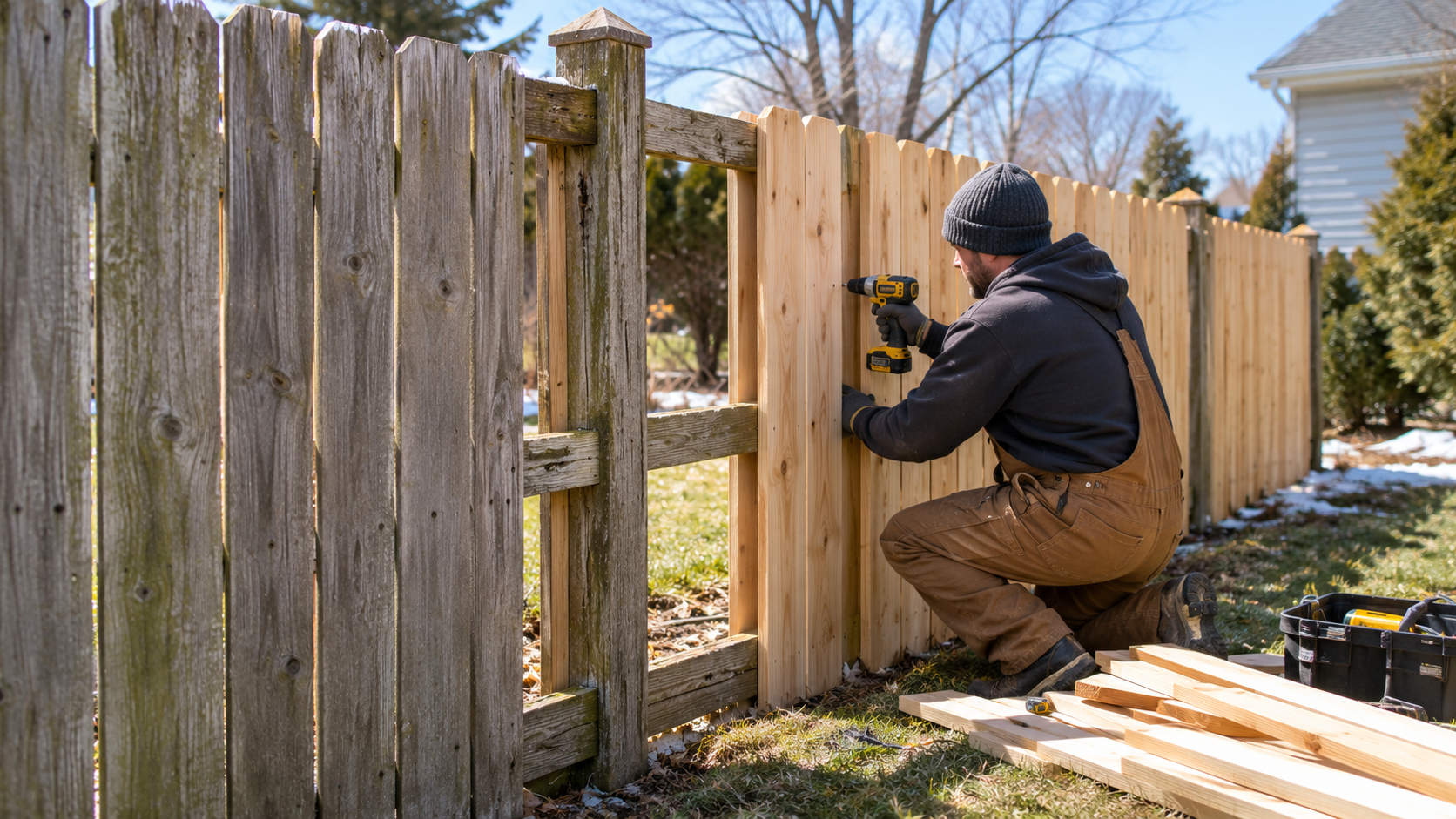
Having the right tools is essential for smooth diy fence building. Basic tools include a post hole digger, level, measuring tape, hammer, nails or screws, and a power drill. You will also need to have some concrete mix to secure the fence posts firmly in the ground. Also, you need a saw to cut panels, and safety gear such as gloves and goggles should not be overlooked.
Beginners often overlook the importance of proper tools. Using the right tools will save you time and will also make all the difference in ensuring your fence is straight, steady, and will last for years to come. These easy diy fence building tips can make your project much more manageable and help avoid costly mistakes.
Why Local Buffalo Zoning Permits Matter: Rules, Setbacks & Height Limits
Knowing local regulations is one of the most important things. Most fence installations in Buffalo require a zoning permit. These codes stipulate how tall your fence can be, how close it can sit to property lines, and what materials can be used.
Failing to follow these rules can result in a municipality fining or requiring you to take down your fence. Always check with the municipality before embarking on your project. Following the rules can help you prevent future issues with the neighbors or city and make sure that your fence is legal.
Get the Timeline Right: How Long DIY Fence Projects Really Take
“How long does it take to build a fence?” is among the top queries for homeowners, particularly if they are considering doing the work themselves. Time will vary according to the size of your yard, your specific fence, and your expertise. For small yards, it can take a weekend. Larger properties or more complicated designs could take several days, even weeks.
Preparation is key. Laying out the boundaries, collecting materials, and putting in posts can be more laborious than you might expect. Weather can slow you down as well, particularly when working with concrete. Planning helps you stay on schedule and reduce stress during implementation.
Cost Breakdown & Smart Ways to Save on DIY Fence Installation
It’s important to know the cost to build a fence yourself before you set out to do so. Costs usually consist of materials, tools, permits, and, optionally, labor if you seek assistance. Wood is typically the least expensive, vinyl and metal are more expensive but involve less maintenance over the long haul.
There are smart ways to save money without sacrificing quality. Buying materials in bulk, reusing tools, and opting for a simple design can lower costs. Cost of labor is one of the major costs that diy fence building eliminates because you are doing the work yourself. Mistakes can be costly, though, so planning is important.
Select the Best Fence for Your Property: Area Size, Soil Type & Weather Factors
No two properties are the same. Yard size will determine how many materials you purchase and how long the job will take. Soil matters, too, because it affects how stable your fence posts are going to be. If the soil is loose or sandy, you may need deeper holes and additional concrete.
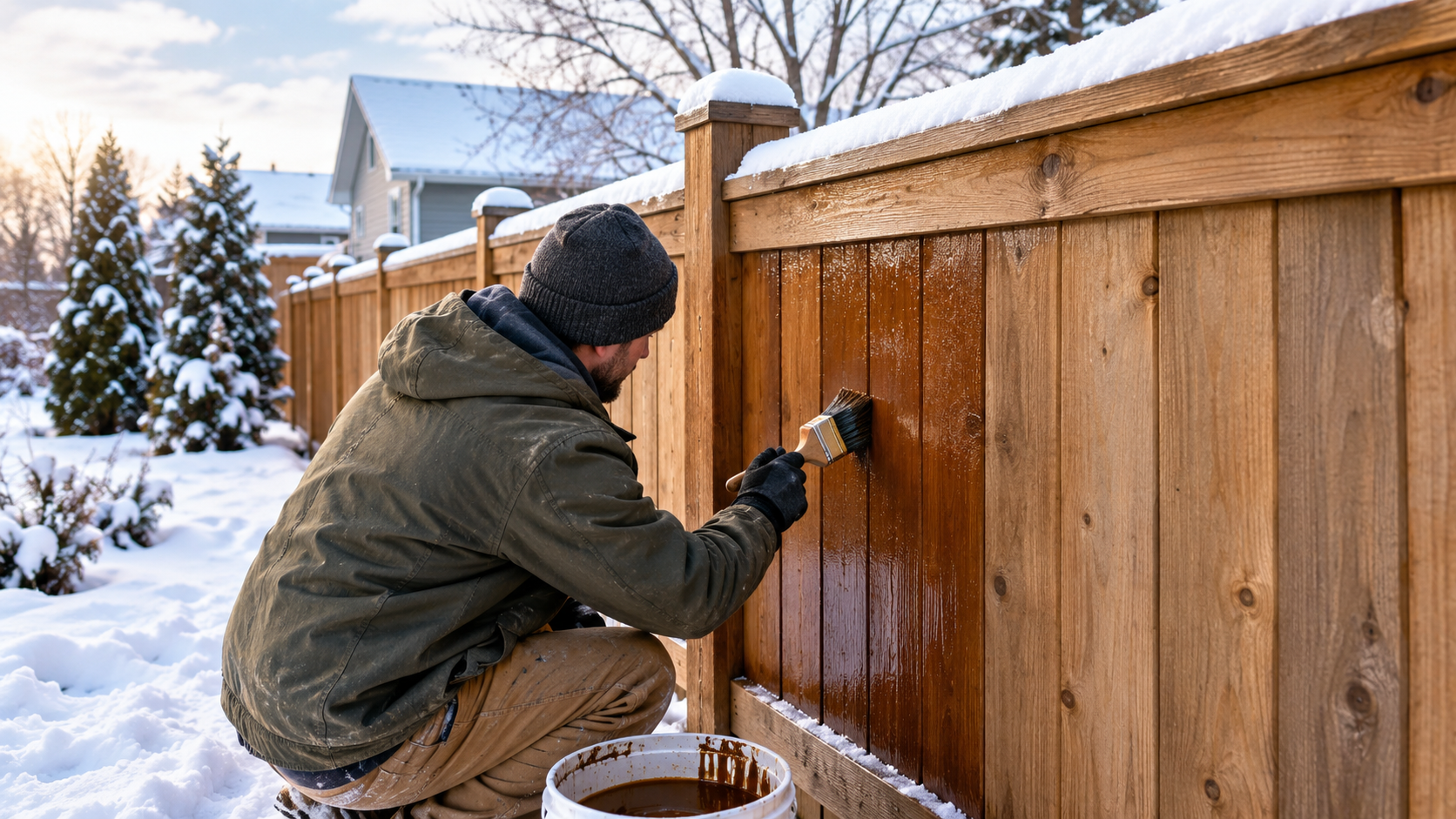
The weather is also especially harsh in Buffalo, where winters can be harsh. Selecting materials that can withstand snow and rain as well as temperature fluctuations will prolong the life of your fence. These practical considerations are often overlooked but play a large role in the success of your diy fence building step-by-step process.
Why Choose All Pro Fence Buffalo
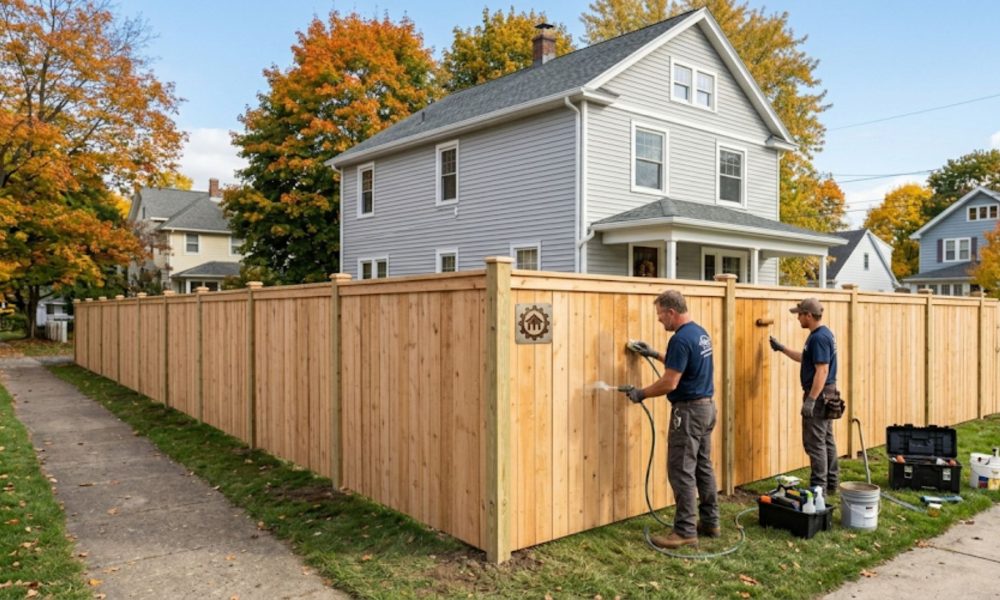
Building a DIY fence can be a fun project, but it’s not always easy. For professional results without the stress, choose All Pro Fence Buffalo. They have the skills, tools, and expertise to manage everything from installation to permits. They also make sure that your fence will comply with all the local regulations and will last for many years.
Hiring professionals can save you time and money and give you peace of mind. All Pro Fence Buffalo is here to help you achieve the perfect fence for your property.
FAQs
What is DIY fence building?
DIY fence building is the process of installing a fence yourself without hiring professional contractors. Homeowners typically purchase materials, measure the area, and complete the installation using basic tools. It can be a cost-effective option for smaller projects. Proper planning and preparation are important for successful results.
How much does it cost to put up a fence yourself?
The cost of building a fence yourself depends on the fence material, project size, and tools required. DIY fencing is usually less expensive than hiring professionals because you save on labor costs. However, expenses for materials and equipment can still vary significantly. Careful budgeting helps avoid unexpected costs.
Do I need a permit in Buffalo?
Yes, many fence projects in Buffalo require local permits or zoning approval before installation. Permit requirements often depend on fence height, location, and property type. Checking with local building authorities helps ensure compliance with regulations. Professional fence companies can also help guide you through the permit process.
What tools do I need to build my own fence?
Building a fence typically requires tools such as a post hole digger, drill, level, measuring tape, saw, and shovel. Concrete is also commonly used to secure fence posts properly. Having the right tools improves accuracy, safety, and overall installation quality. Proper equipment helps the project move more efficiently.
How long does it take to build a fence?
Fence installation time depends on the project size, fence type, weather, and experience level. Smaller DIY fences may take a few days, while larger projects can require one to two weeks or more. Careful planning and preparation can speed up the process. Complex designs usually take longer to complete.
What is the easiest type of fence to build?
Basic wood fencing and chain-link fencing are often considered the easiest options for beginners. These fence types use straightforward installation methods and commonly available materials. Simpler fence designs also require fewer specialized tools and skills. Proper measurements and post placement are still very important.
What are some easy DIY fence building tips?
Accurate measurements, proper planning, and strong post installation are essential for successful DIY fencing. Using quality tools and securing posts in concrete improves fence stability and durability. It is also important to check local property lines before starting the project. Patience and careful alignment help achieve professional-looking results.
What is the longest-lasting fence material?
Vinyl and metal fencing materials are generally among the longest-lasting fence options available. These materials resist weather damage, insects, and rot better than traditional wood fencing. Proper installation and regular maintenance can further extend fence lifespan. Aluminum and steel fences are especially durable for long-term use.
Should I hire professionals?
Hiring professional fence contractors can save time, reduce stress, and ensure high-quality installation results. Experts have the proper tools, experience, and knowledge to handle permits, measurements, and difficult terrain. Professional installation also helps avoid costly mistakes and future repairs. Trusted companies like All Pro Fence Buffalo provide reliable fencing solutions.