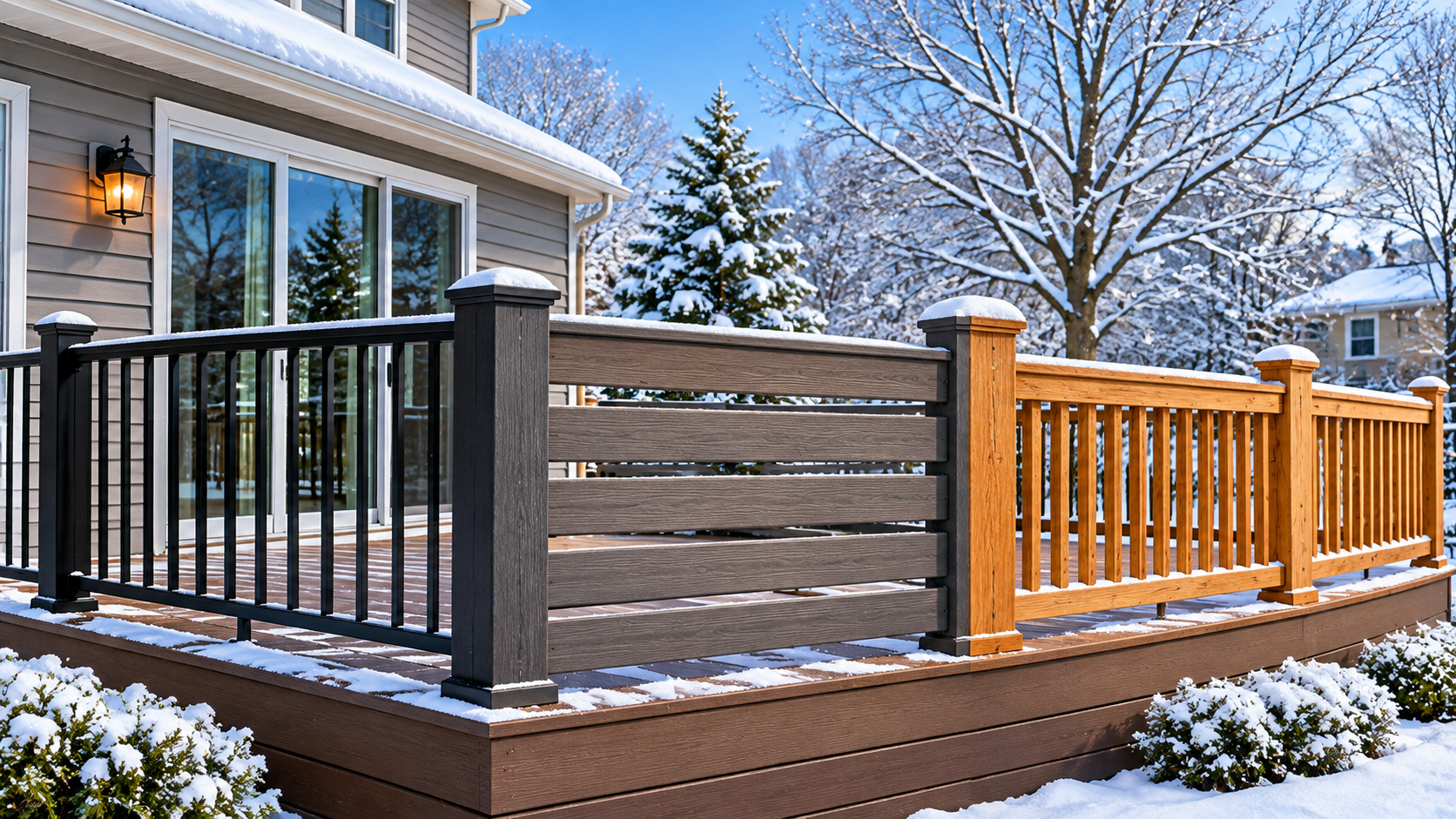
Buffalo winters are hard on a deck. Snow sits for months, ice builds on every rail, and salt gets tracked in from driveways and boots. The railing takes the worst of it, and it’s the part of the deck people lean on. If you’ve been searching for railing contractors near me, you’re probably also weighing aluminium, composite, and wood.
At All Pro Fence Buffalo, we install railings around Erie County, and the same questions come up on nearly every estimate. This guide compares the three honestly so you can pick one that holds up.
Aluminium Railing Pros and Cons
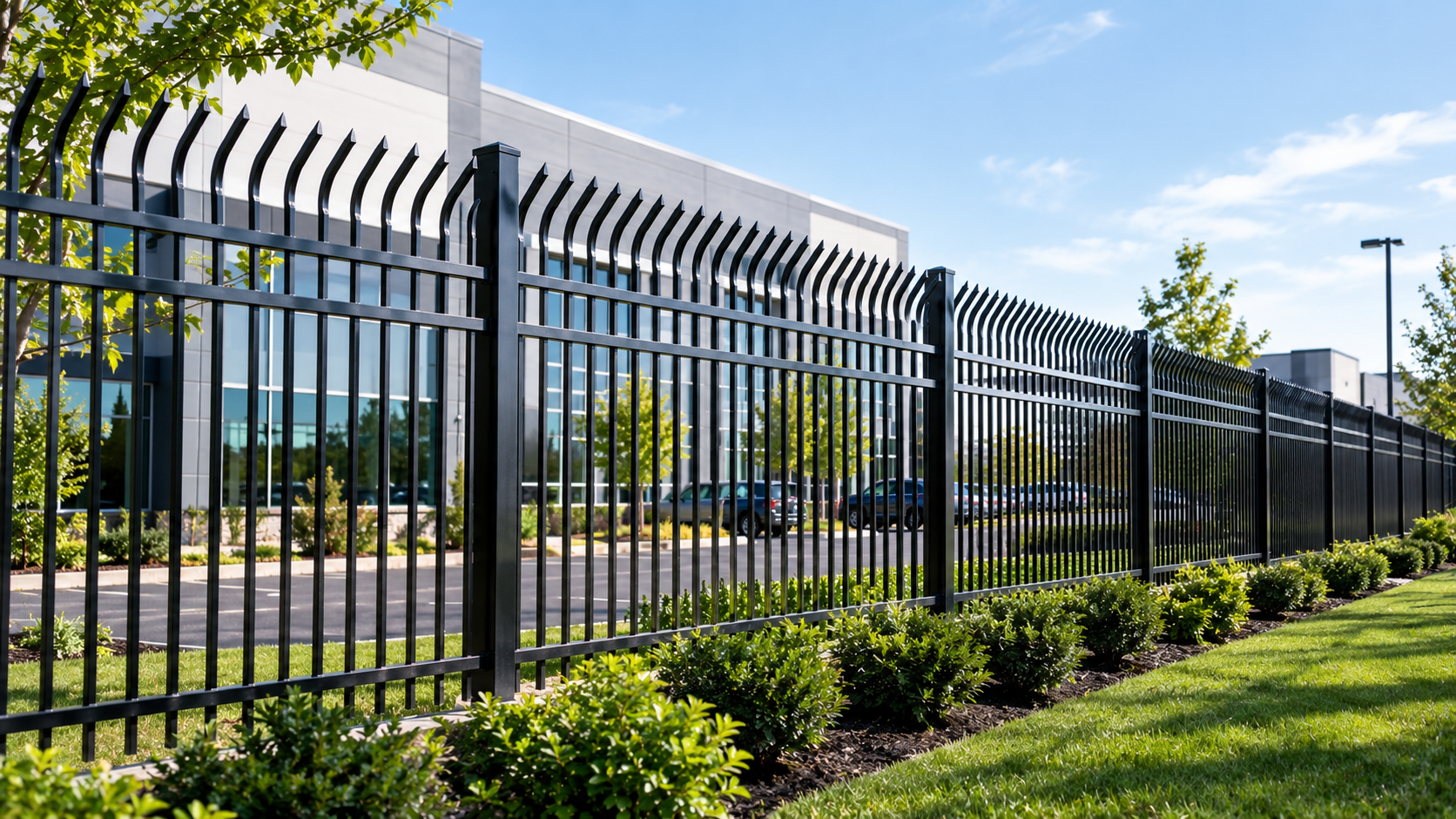
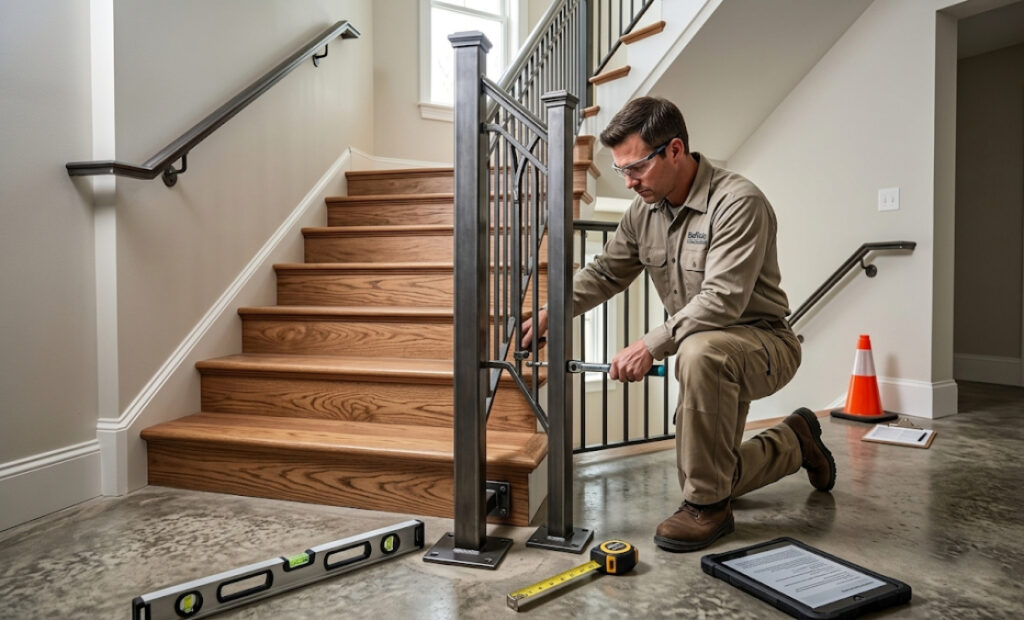
Aluminium handles our weather well. It doesn’t rot, and it doesn’t rust the way steel can, because the powder-coated finish protects the metal underneath. It’s strong for its weight, so slim balusters can still meet code. Care is minimal.
The downsides are real, though. A deep scratch can expose bare metal, and chips are worth touching up. Color choices tend to be limited to dark and light neutrals. A metal handrail also feels cold on a January morning, which some people notice more than others.
Composite Railing Pros and Cons
Composite railing is made from a blend of plastic and wood fiber, or from PVC, depending on the brand. Most products have a protective cap layer. It won’t rot, and it never needs staining. Many homeowners like it because it looks like painted wood without the upkeep.
It has its own quirks. Composite can fade over the years, and shaded spots may grow mildew that needs washing. It expands and contracts with temperature, so installers have to leave proper gaps. It’s heavier than aluminium, and it’s often the highest-priced of the three. In an aluminium vs. composite railing decision, those two points, weight and cost, tend to matter most.
Wood Railing Pros and Cons
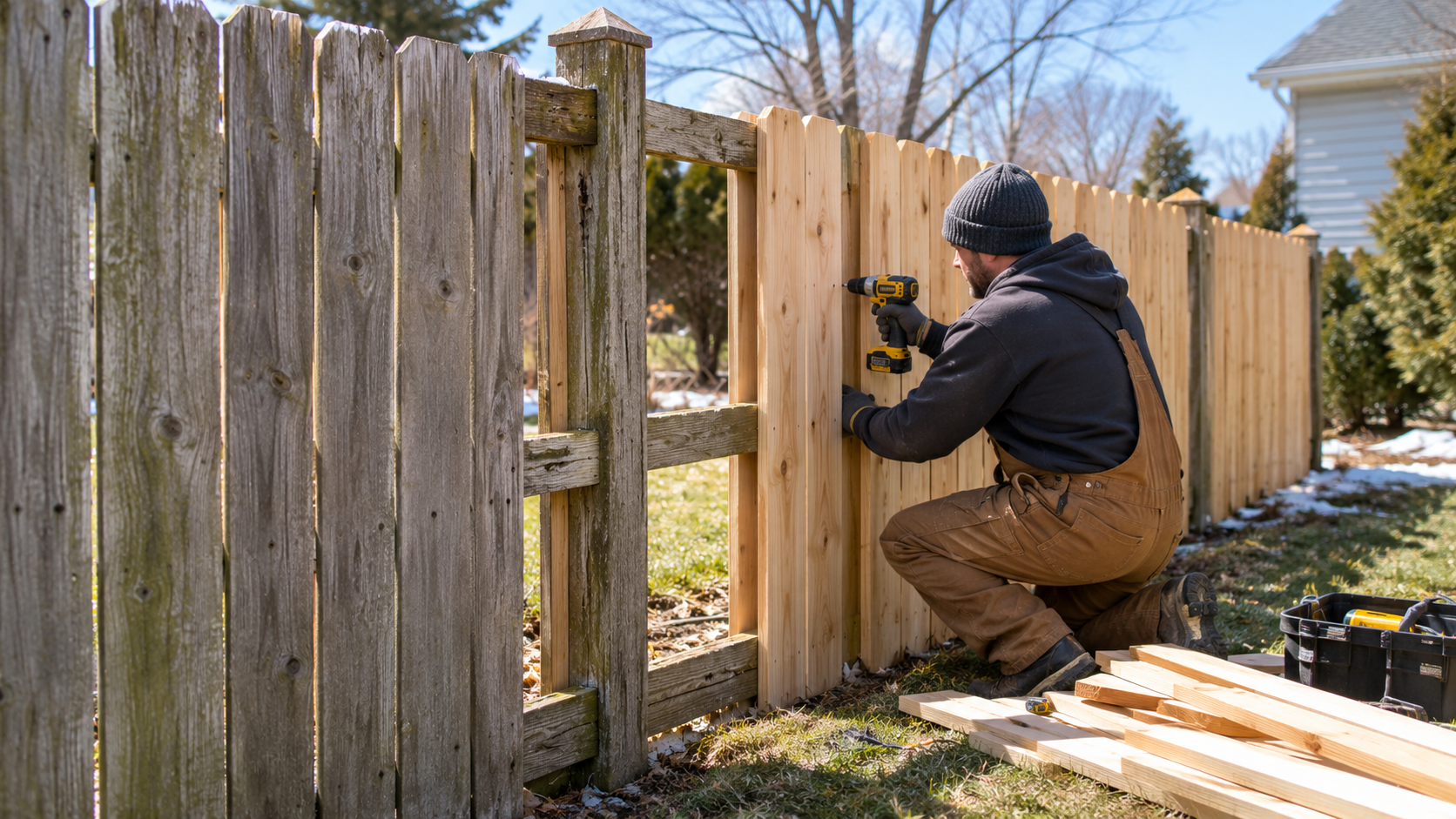
Wood is the traditional choice, and it still makes sense in some situations. Pressure-treated pine is usually the lowest price up front, and cedar has a warmer look. You can cut it, paint it, or stain it to nearly any style, and repairs are simple.
The catch is upkeep. In our climate, wood generally needs sealing or staining every one to three years. It checks and cracks as it freezes and thaws, and water that sits at the base of a post invites rot. Fasteners also need to be rated for treated lumber, since the chemicals in it corrode ordinary screws.
Performance in Snow, Ice and Salt
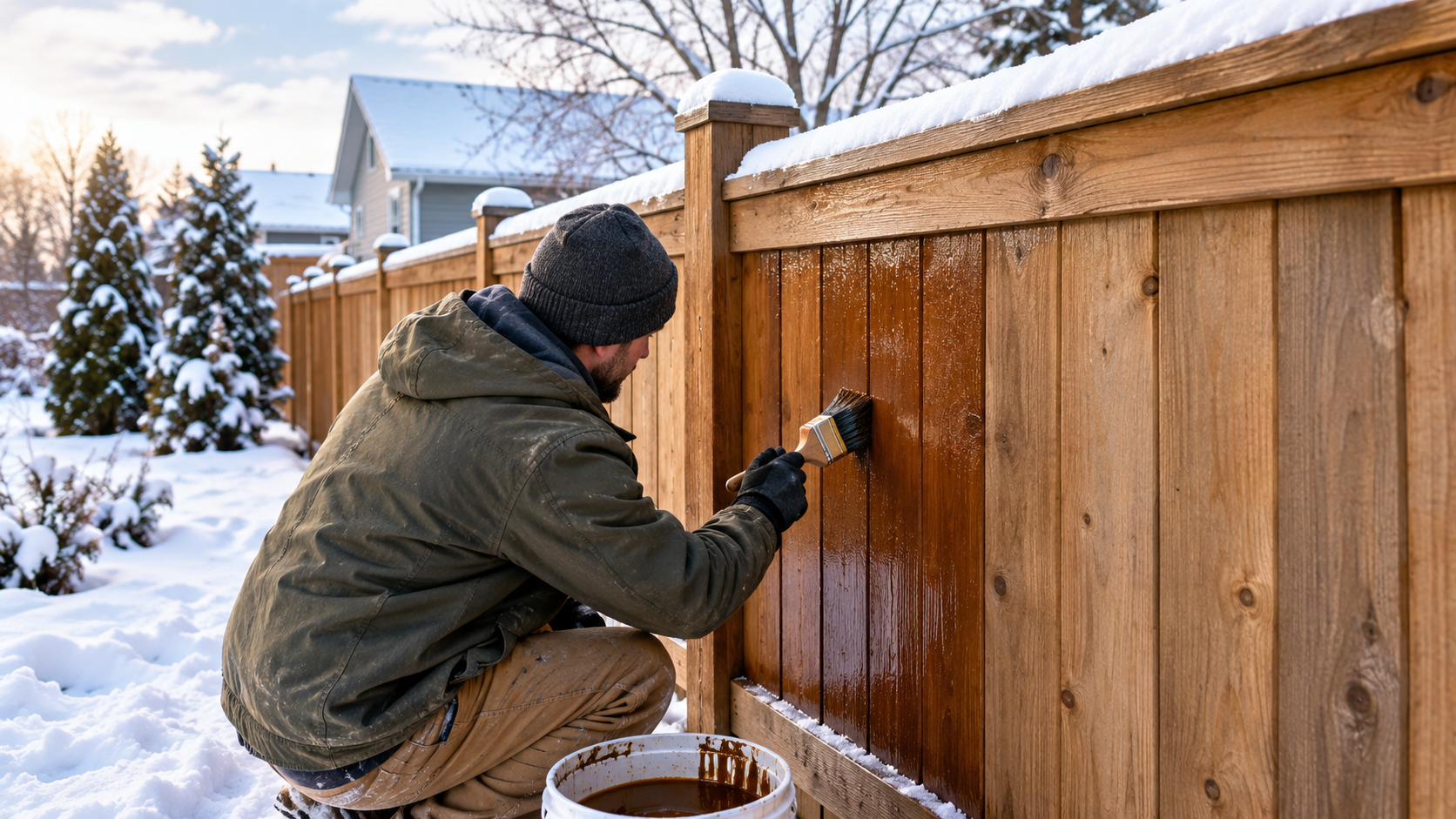
Western New York puts deck railing materials through a real test. Lake-effect snow piles against the rails, ice forms in every gap, and temperatures swing above and below freezing many times a winter. Each cycle pushes water into small cracks, and wood takes the worst of it.
Salt adds another layer. Rock salt and ice melt can dull finishes and speed up corrosion on cheap hardware. Many composite and aluminium manufacturers allow certain ice melts, but they often say to use them sparingly and rinse in spring. Check the maker’s care guide before you spread anything.
Shovelling matters too. Metal blades can scratch any rail finish, so push snow away from the posts instead of scraping along them. And remember that a railing is only as strong as what it’s attached to. If the deck framing is soft or the posts are loose, no material will save it.
Maintenance Needs Compared
Aluminium is the easiest. A spring rinse with mild soap and a quick look at the hardware is usually all it needs. Composite is close behind, though it benefits from a soft-brush wash once or twice a year, especially in shady corners where mildew shows up.
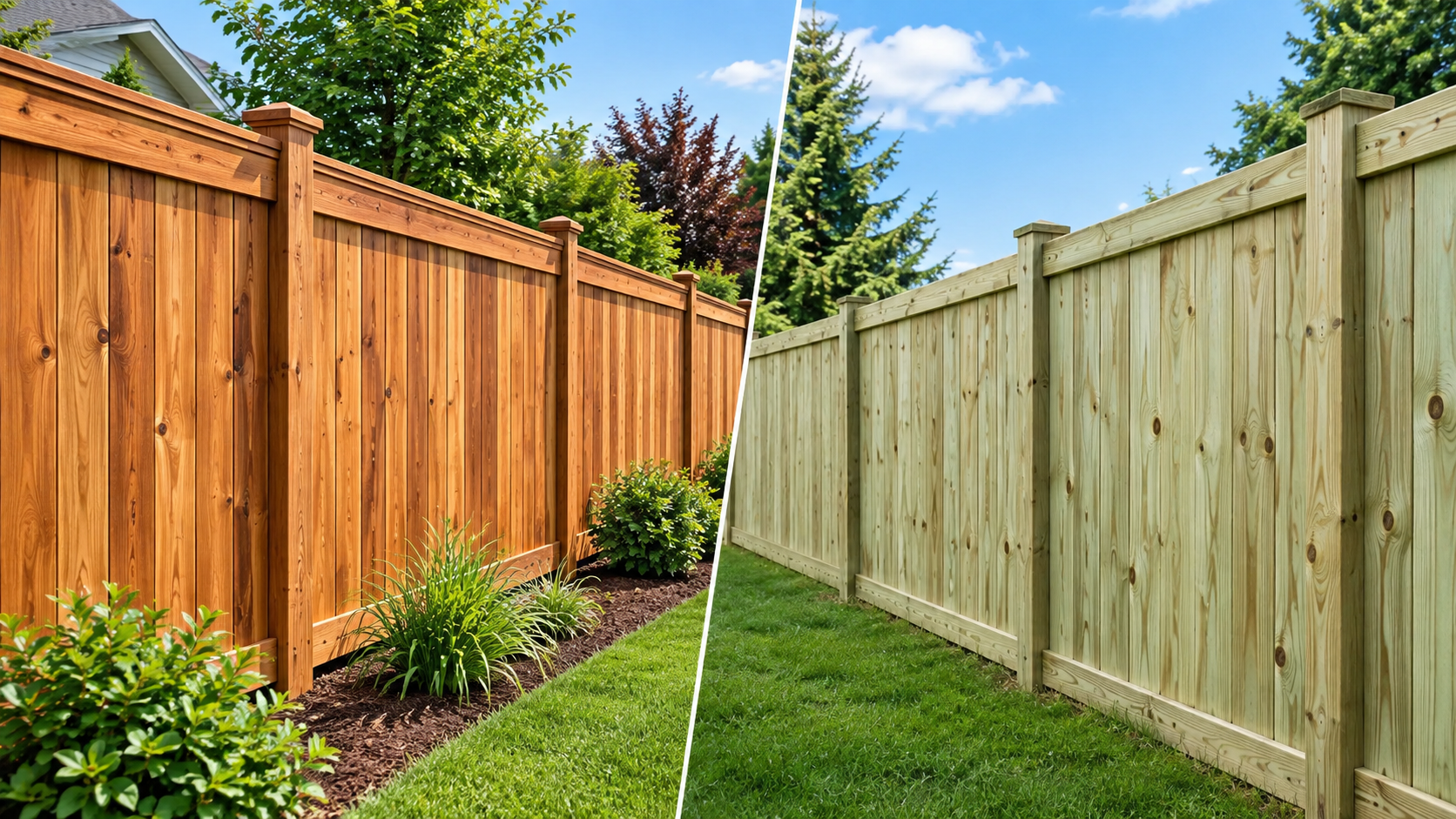
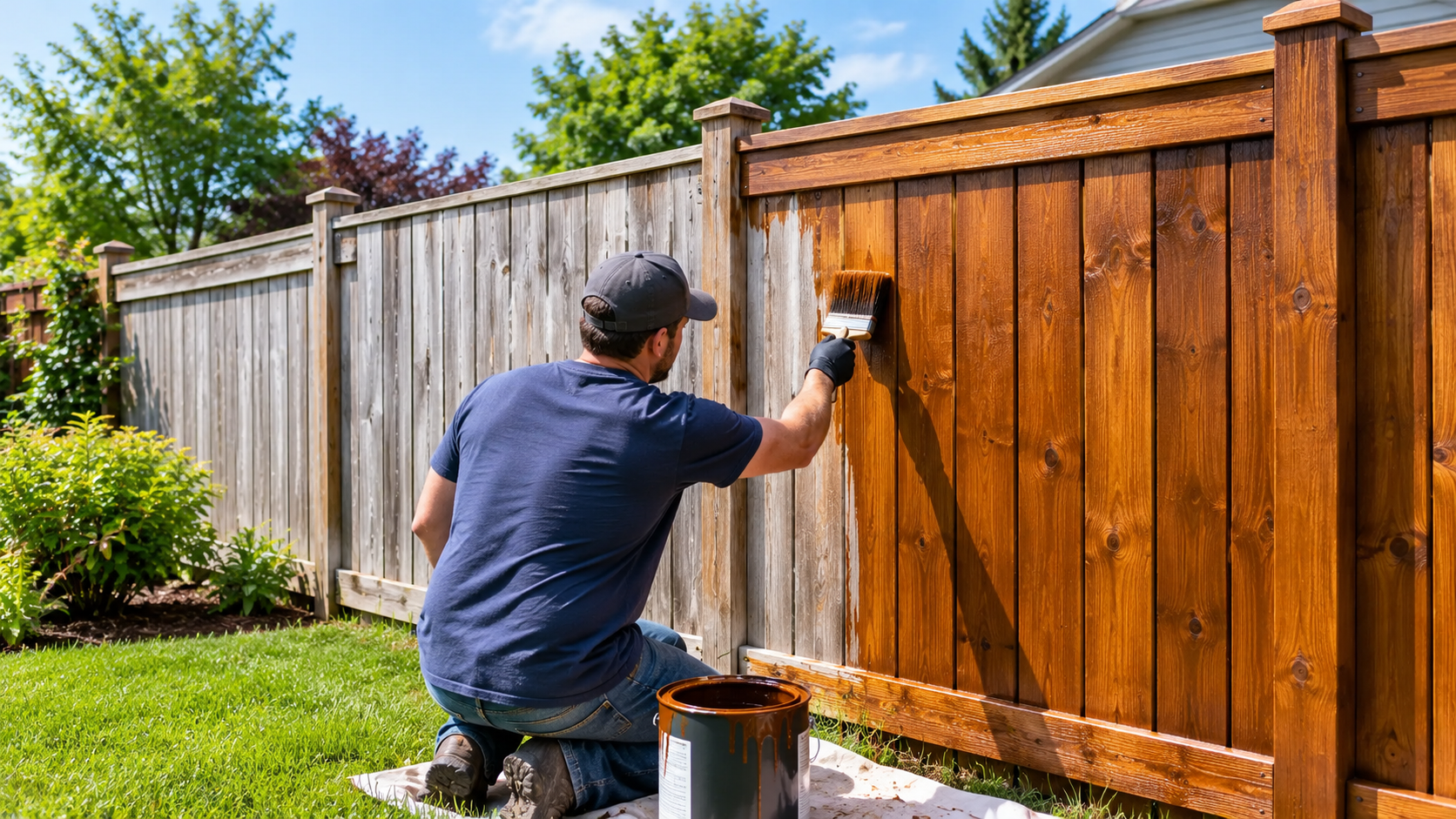
Wood asks for the most. You’ll clean it, let it dry, sand rough spots, and apply sealer or stain on a schedule. Skip a season, and the surface starts to gray and split. Some people enjoy that kind of work. Plenty of others don’t, and they’re the ones who regret choosing wood.
Appearance and Style Options
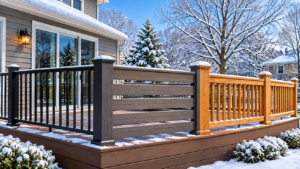
Looks matter, because you see the railing every day. Aluminium has clean, thin lines. Black balusters tend to fade into the background, so the yard stays the focus. You can also find cable and glass infill styles, but those still have to meet the same spacing rules.
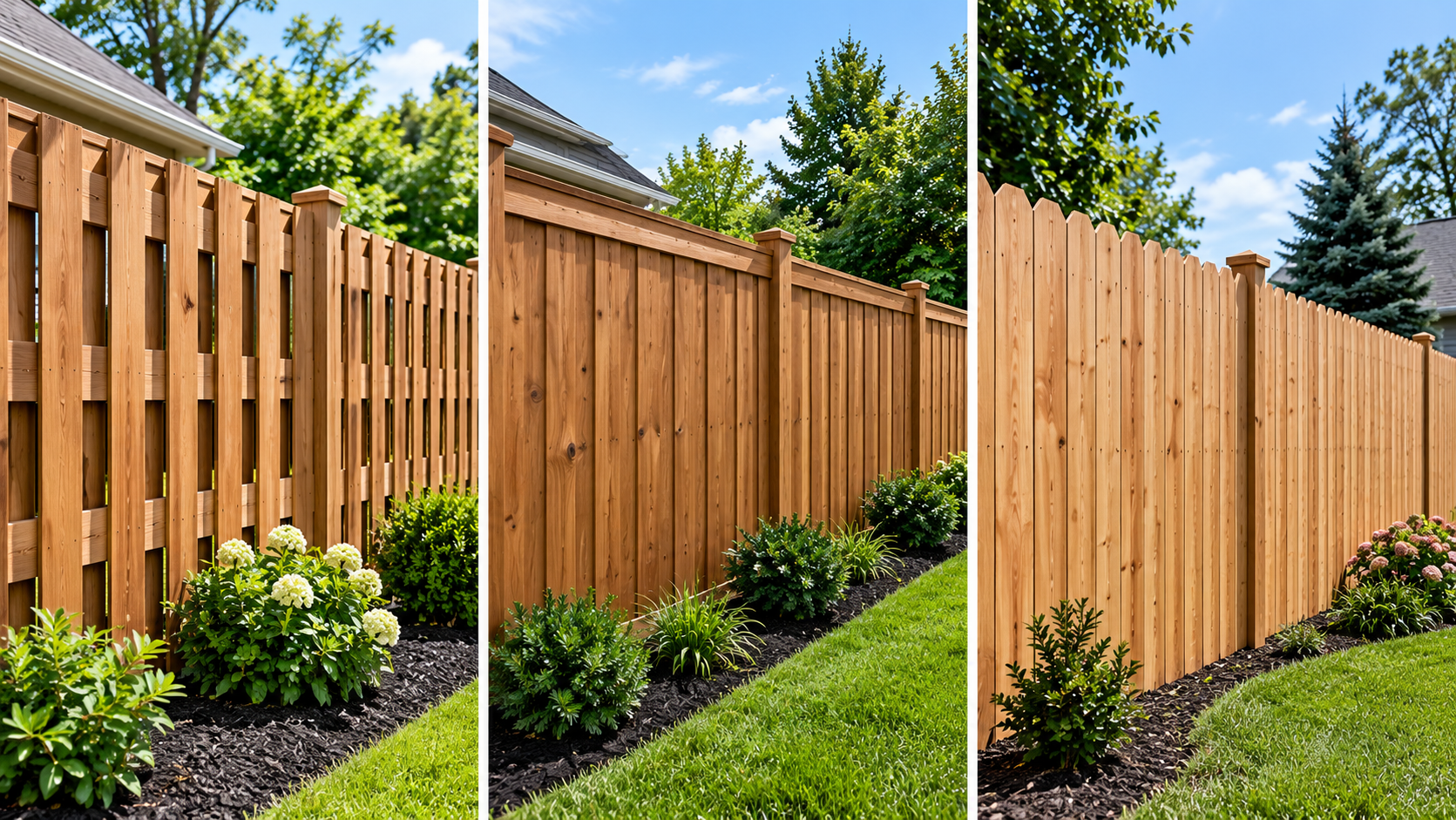
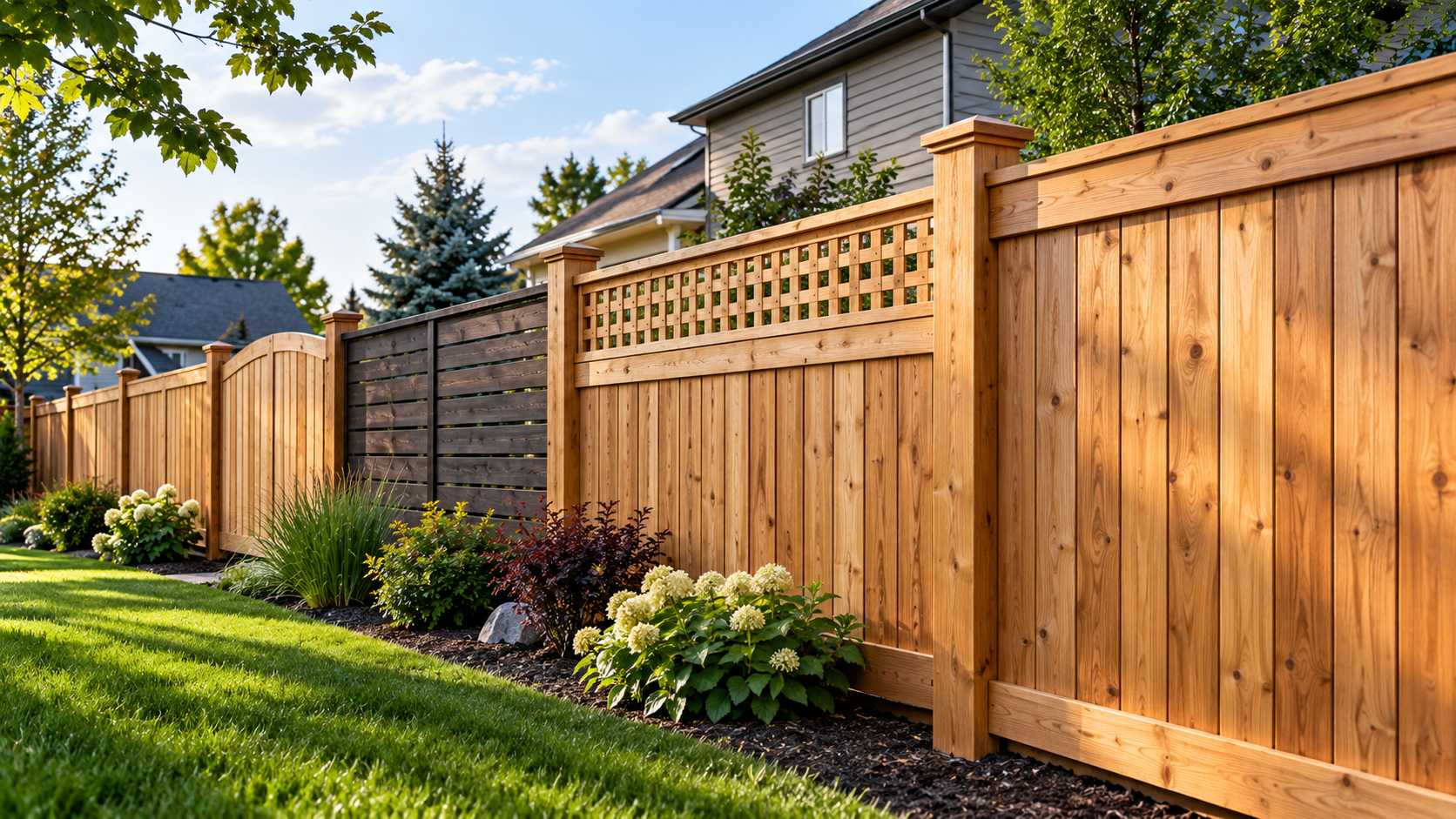
Composite gives you a thicker, more traditional look. Wood-grain textures and softer colors like gray or tan are common. Wood remains the most flexible if you want custom shapes, turned posts, or a specific stain to match the house. A good contractor will show you samples in daylight, not under a showroom bulb, because colors read differently outdoors.
Code-Compliant Heights and Spacing
Code is where a lot of do-it-yourself railings go wrong. New York’s residential code follows the national model in most respects. In general, a guard is required when the walking surface is more than 30 inches above the ground. The guard is typically at least 36 inches tall on a home deck.
Spacing matters just as much. Balusters should be close enough that a 4⅜-inch sphere can’t pass through. Stair handrails generally sit between 34 and 38 inches high and need to be easy to grip. Guards must also resist a heavy load, which is why post attachment is so important.
Local rules can differ. The City of Buffalo and the surrounding towns each have their own permit and inspection process, so check with your code office before you build. Good railing contractors near me should know those requirements and handle the permit side with you.
Cost by Material
Prices vary with brand, total length, number of stairs, and how many corners and posts the layout needs, so I won’t throw out one-size numbers. The general pattern holds, though. Wood is typically cheapest to install. Aluminium usually lands in the middle. Composite often sits at the higher end.
Upfront price isn’t the whole story. A wood railing that needs staining every couple of years adds labor or product cost year after year, and eventually the replacement bill arrives sooner. Ask for an itemized written quote that lists materials, posts, hardware, permit costs, and removal of the old railing. That makes comparing bids fair.
Longevity in the WNY Climate
Climate wears everything down faster than the label suggests. A well-kept wood railing can last a decade or more, but it takes steady care. Aluminium often lasts the longest, and many manufacturers offer long warranties on the finish. Composite warranties vary, with some running 20 years or more.
Read the fine print on any warranty. Many exclude certain kinds of fading, staining, or damage from improper installation. The best deck railing is the one installed correctly, because even a premium product fails early if the posts are loose or the fasteners are wrong. The age of the deck itself counts as well. Putting a new railing on a worn-out frame is a poor investment.
Choosing for Your Deck
Start with how much upkeep you’re willing to do. If the answer is very little, aluminium or composite will suit you better. If you want the lowest price today and don’t mind the work, wood is a fair option. Next, look at the deck. Check the framing, the joists near the rim, and the condition of the posts before you pick a material.
Then think about the view and the house. A dark aluminium rail suits a modern look, while composite fits a more classic porch. Many homeowners choose the best deck railing by narrowing it to two materials and asking for quotes on both.
When you look for railing contractors near me, check that the company carries liability insurance and workers’ compensation, and ask who pulls the permit. Read recent reviews on their Google Business Profile, look at photos of finished Buffalo-area jobs, and confirm the address and phone number are real and local.
At All Pro Fence Buffalo, we’re glad to explain any quote line by line. Our related guide, Railing Installation in Buffalo, NY: Deck, Stair & Porch Guide, covers the installation process in more detail.
Frequently Asked Questions
What is the best railing material for Buffalo winters?
Aluminium and composite both handle snow, ice, and freeze-thaw cycles better than wood because they don’t rot. Aluminium needs the least care. Composite offers a warmer look. Wood works if you accept regular sealing and occasional board replacement.
Is aluminium or composite railing better?
Neither wins in every case. Aluminium is lighter, slim, and very low maintenance. Composite looks more like painted wood but is heavier and often costs more. Pick based on appearance, budget, and how much cleaning you want to do.
How tall does a deck railing need to be in New York?
For most homes, guards are required when the deck surface is more than 30 inches above the ground, and the guard is typically 36 inches tall. Your local code office has final say, so confirm before building.
Do I need a permit to replace a deck railing?
Often yes, though it depends on where you live and the scope of work. Some Buffalo-area municipalities require a permit even for replacements. Call your local code office before work starts, or ask your contractor to confirm.
Can I use rock salt on a deck with a new railing?
It’s best to avoid it. Salt can damage finishes and speed up corrosion on fasteners. If you need ice melt, check the railing manufacturer’s guidance, use a small amount, and rinse the deck and rail when the weather warms.
How long does a deck railing last in Western New York?
It depends on the material, installation, and care. Well-maintained wood can last about a decade or more. Aluminum and composite often last longer, and many carry long warranties. Poor post attachment shortens the life of any railing.
How do I choose reliable railing contractors near me?
Ask for proof of insurance, a written itemized quote, and local references. Check recent reviews and photos of completed work. Confirm who handles permits and what the warranty covers. A good contractor answers those questions without hesitation.