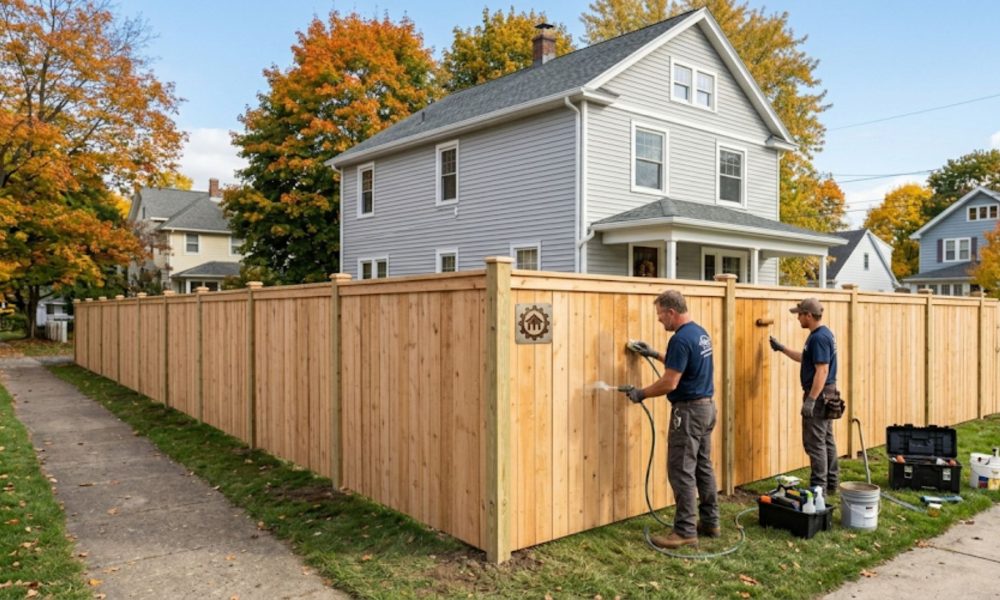
If you’ve stood in the lumber aisle staring at cedar boards on one side and pressure-treated pine on the other, you already know the problem. Both look fine in the store. Both come with a salesperson telling you it’s the “better” choice. But neither one tells you how it’ll hold up after its third Buffalo winter, buried under three feet of lake-effect snow with ice creeping into every joint.
We’ve built enough fences in Western New York to know this decision isn’t really about looks. It’s about what survives our freeze-thaw cycles, our humidity swings, and the neighbor’s sprinkler that hits the same fence post every single day from May through September.
So let’s cut through the marketing and talk about what actually matters when you’re picking wood for a DIY wood fence in this climate.
Quick Answer
Cedar costs more upfront but resists rot, insects, and warping naturally, ages into a soft silver-gray, and needs less babying over time. Pressure-treated pine costs less to start, is chemically treated to resist decay, but tends to warp and check as it dries, and needs more consistent maintenance.
For most Buffalo homeowners, cedar wins on a 15-20 year timeline; pressure-treated pine wins if you need a functional fence now and don’t mind revisiting it every few years.
Cedar Characteristics and Benefits
Cedar is a softwood, but don’t let that fool you into thinking it’s fragile. It contains natural oils and tannins that act as a built-in defense system against decay, mold, and wood-boring insects. You’re not relying on a chemical treatment to protect it: the tree did that work itself, over decades of growth.
What we notice most in the field is how straight cedar stays. It has a tight, consistent grain and lower moisture content than pine, which means less warping, cupping, and twisting once it’s installed. That matters here more than most places, because a board that swells and shrinks every time our weather flips from 40 degrees and rain to 20 degrees and dry will eventually pull nails and crack joints. Cedar handles that cycle with a lot more grace.
It’s also lighter to work with, which any homeowner tackling a DIY wood fence project will appreciate by the third or fourth panel.
Pressure-Treated Pine Characteristics
Pressure-treated pine starts as ordinary softwood, usually southern yellow pine, that’s been forced through a vacuum chamber and injected with chemical preservatives, typically copper-based compounds that resist fungal decay and insects. It’s an engineered solution to a natural problem, and it works. It just works differently than cedar does.
The tradeoff is moisture content. Pressure-treated lumber often arrives at the job site still wet from the treatment process. As it dries out over the following months, it shrinks, and that shrinkage is rarely even. You’ll see boards cup, twist, or develop surface checking, those small cracks that run along the grain. None of that means the wood has failed structurally. It’s just pine being pine as it adjusts to your yard’s humidity.
Pressure-treated pine is also noticeably heavier and denser when wet, so if you’re doing this yourself, budget more muscle for the install.
Rot and Insect Resistance Compared
This is where the cedar vs pressure-treated fence debate really gets decided for a lot of homeowners. Cedar’s natural oils repel insects and slow fungal growth without any added chemicals, and that resistance runs through the entire board, not just the surface.
Pressure-treated pine gets its resistance from the treatment process itself, and that protection is genuinely effective, but it’s concentrated near the surface where the chemicals penetrated deepest.
Practically speaking: if you cut a treated board to length and don’t seal the fresh cut end, you’ve exposed untreated wood to the elements. That cut end becomes a weak point. Cedar doesn’t have that same vulnerability, since the resistance is more uniform throughout the wood.
Both hold up fine against termites in our region. Carpenter ants are a bigger concern locally, and both wood types resist them reasonably well when properly maintained and kept off direct ground contact.
Cost Difference Per Foot
Money talks, so let’s talk numbers. Pressure-treated pine typically runs lower per linear foot than cedar, often by a meaningful margin, sometimes 30 to 50 percent less depending on grade and current lumber pricing. For a standard backyard fence, that difference adds up fast.
Cedar’s higher price reflects both the material itself and, often, better milling and grading. You’re paying for wood that needs less correction over its lifespan. Whether that premium is worth it depends on how long you plan to own the property and how much maintenance you’re realistically willing to do.
If budget is the deciding factor for your project, pressure-treated pine gets you a solid, code-compliant fence for less money today. Just build the ongoing maintenance cost into your mental math, because it’s there whether you plan for it or not.
Appearance and Aging Over Time
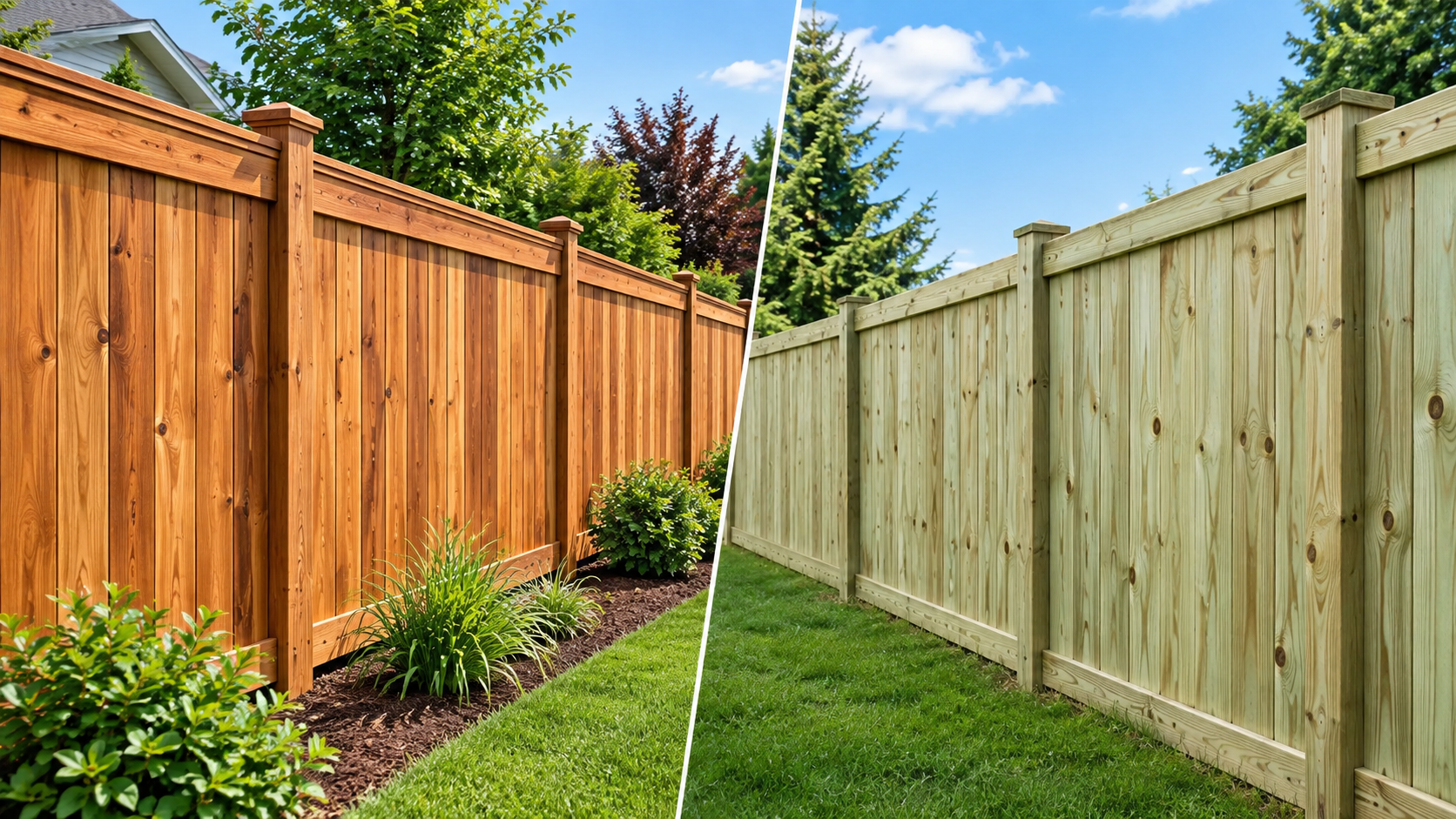
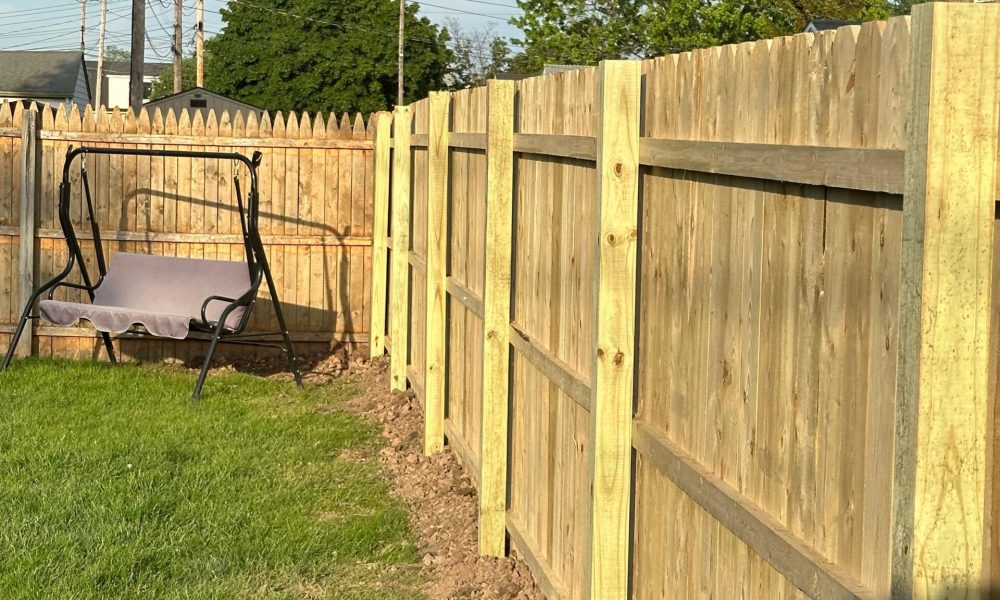
Fresh off the truck, pressure-treated pine has a greenish or yellowish tint from the treatment chemicals. That fades within a year or so to a duller tan, and if left unfinished, it’ll eventually weather to a blotchy gray that many homeowners find less appealing than cedar’s aging process.
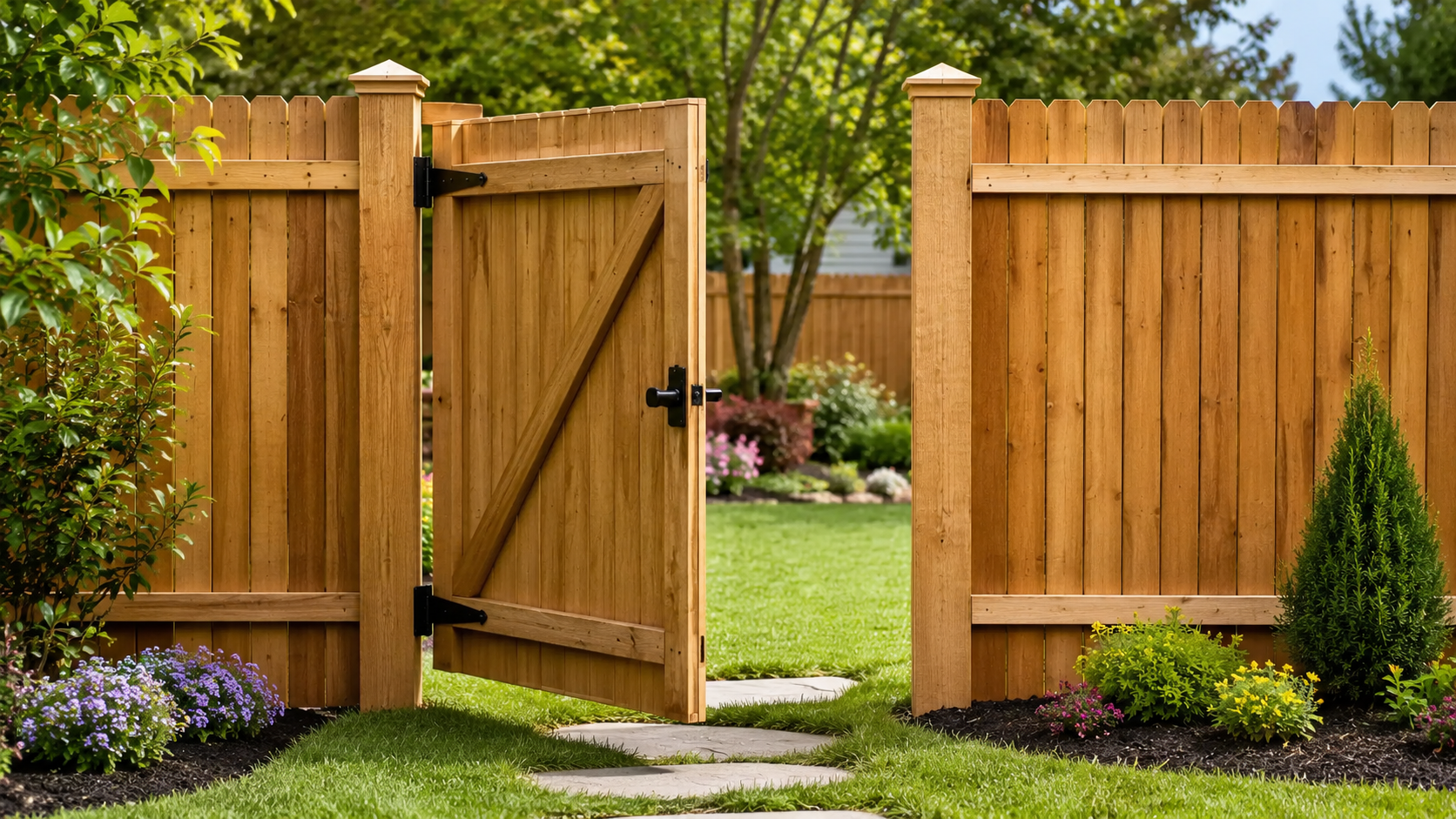
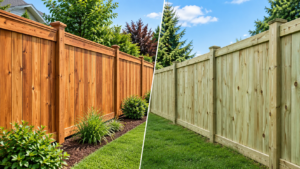
Cedar starts out with a warm, reddish-brown tone and rich, visible grain. Left unfinished, it weathers into a soft, even silver-gray, the look a lot of people specifically request when they say they want that classic New England or Pacific Northwest fence aesthetic. It ages more gracefully and more evenly than pine tends to.
If you’re picking based on curb appeal alone, cedar generally wins, though a well-maintained pine fence with regular staining can look excellent too.
Maintenance Needs of Each
Neither fence is maintenance-free, anyone who tells you otherwise is selling something. But the maintenance schedules differ.
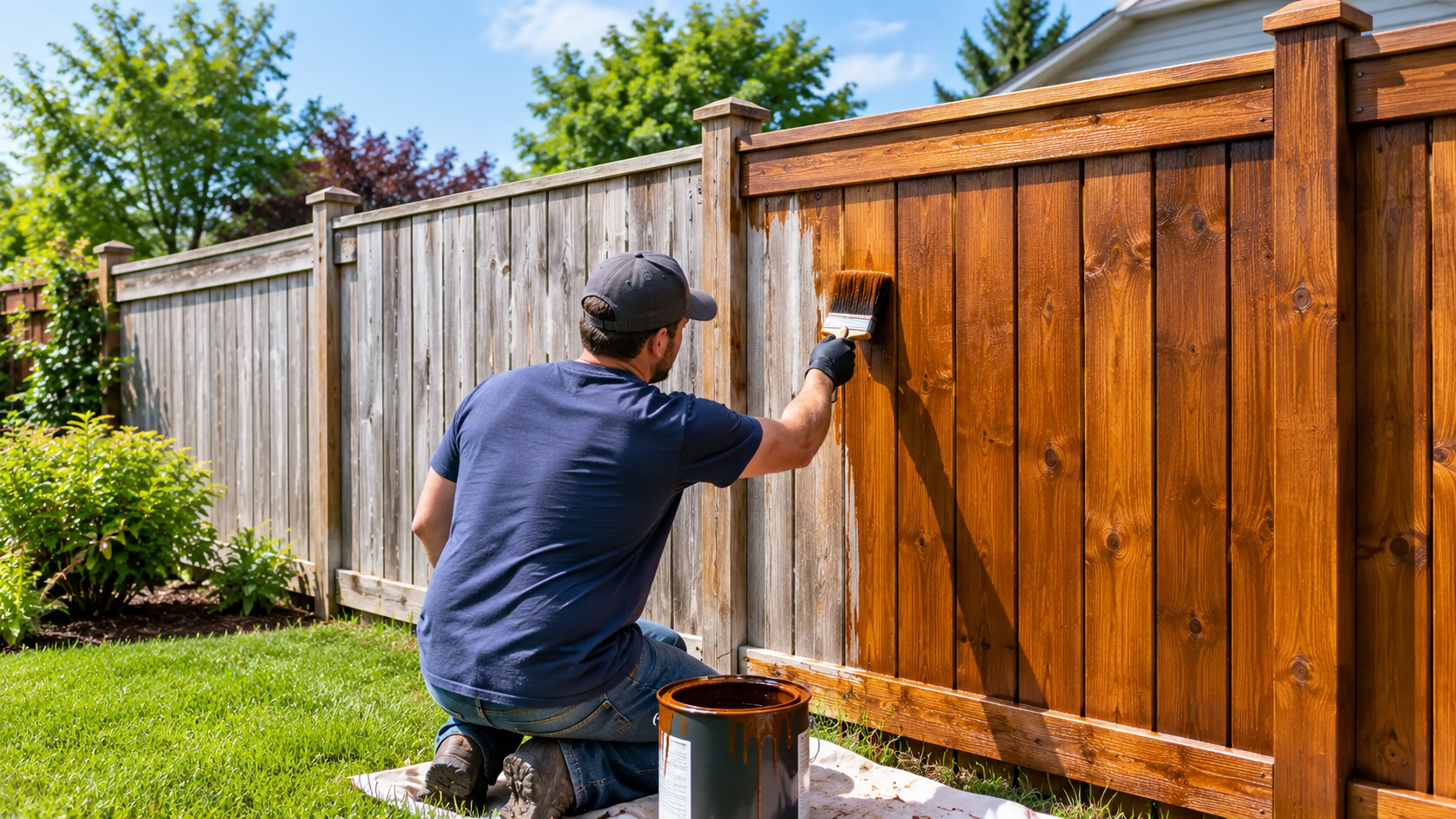
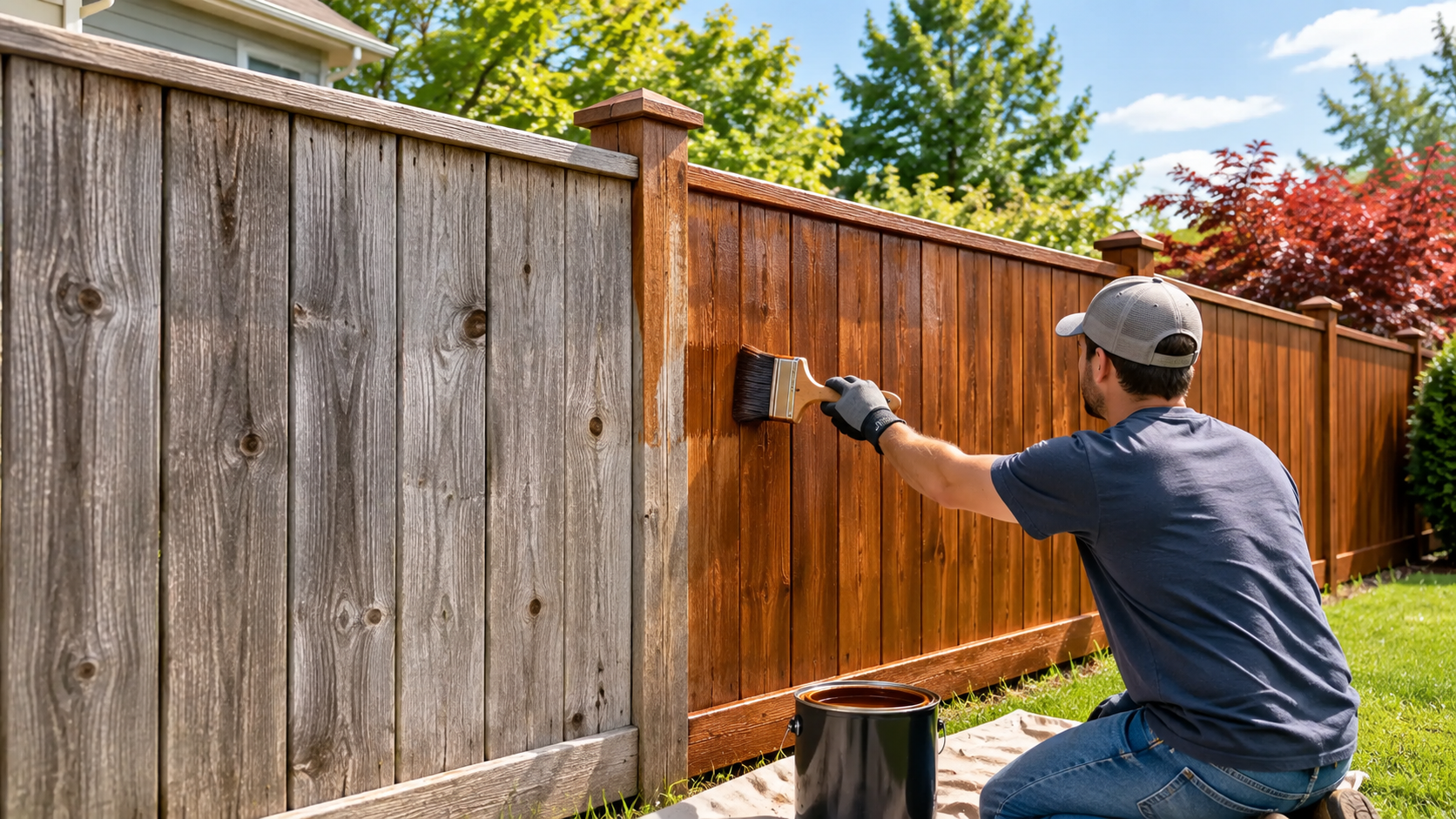
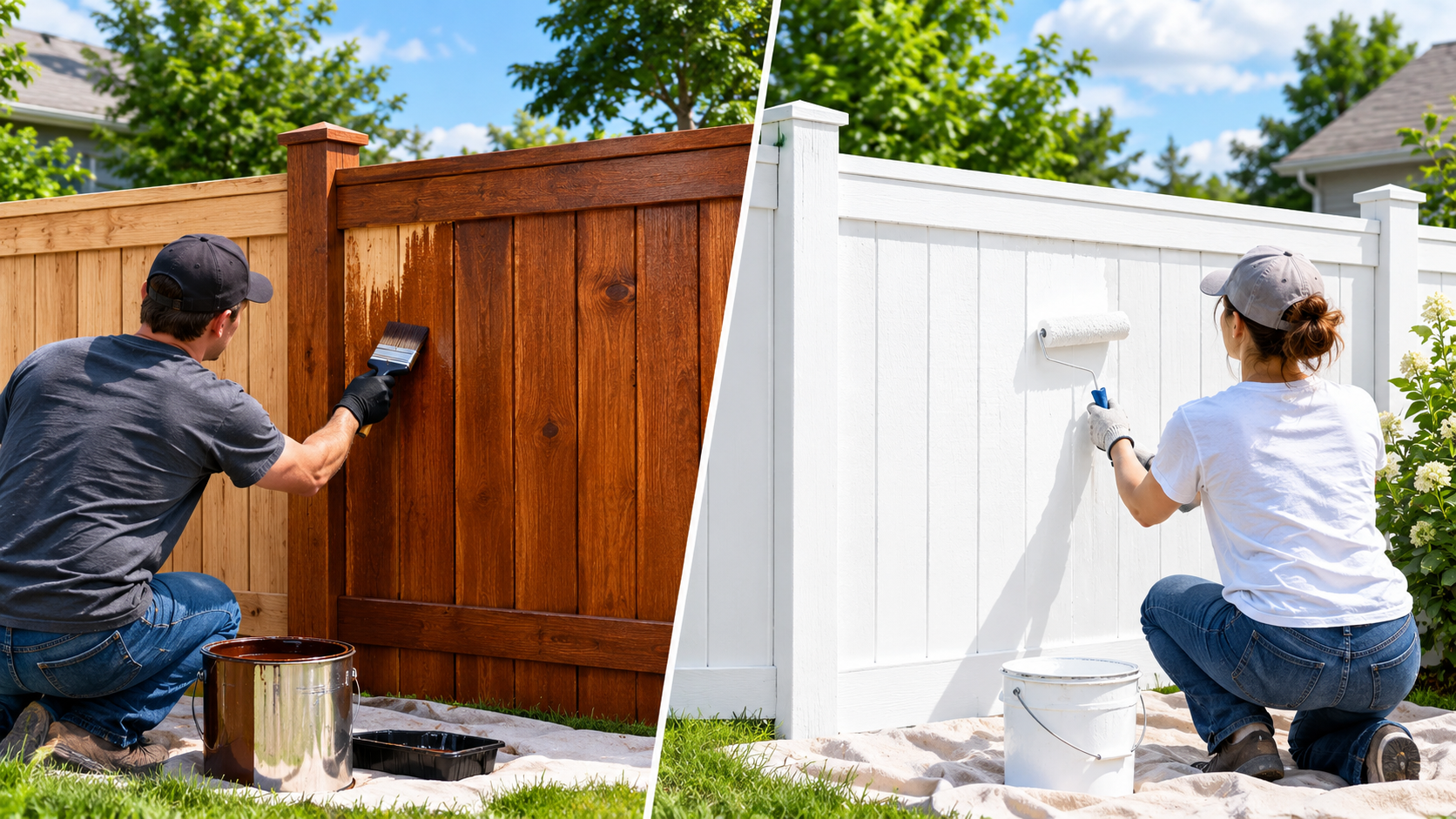
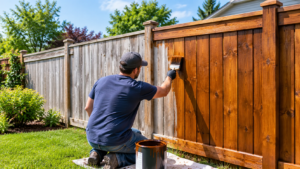
Cedar generally needs a fresh coat of sealant or stain every 2-3 years to maintain its color and add extra water resistance, though it’ll survive longer than that without one, just with more graying. Pressure-treated pine benefits from a similar schedule, but it’s less forgiving if you skip it. Without sealing, treated pine is more prone to surface checking and splintering as it dries and re-wets through the seasons.
Both benefit from an annual walk-around: check for loose fasteners, gaps at the base where moisture pools, and any spots where mulch or soil has crept up against the boards. That last one matters more than people expect, ground contact is where rot starts, regardless of wood type.
Performance in WNY Moisture and Snow
This is the part out-of-town lumber guides skip, and it’s the part that actually matters if you live here. Western New York throws a specific combination at a fence: heavy, wet lake-effect snow that piles against the base, followed by rapid freeze-thaw cycles that can happen multiple times in a single week come March.
Cedar’s dimensional stability helps here. It doesn’t absorb and release moisture as dramatically as pine, so it’s less prone to the kind of swelling that eventually loosens fasteners and stresses joints. Pressure-treated pine can handle the moisture fine from a decay standpoint, that’s what it’s designed for, but the physical swelling and shrinking is more pronounced, and over many cycles that’s what leads to warping and gaps.
Snow load itself isn’t usually a structural issue for either wood type at typical fence heights, but drifting snow against the base accelerates whichever wood is more moisture-reactive. That’s pine, generally speaking.
Staining and Sealing Differences
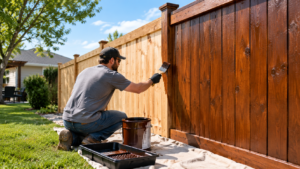
Cedar takes stain beautifully because of its tight, even grain, it absorbs finish consistently and the color comes out true. A lot of cedar owners actually skip staining altogether and let it silver naturally, since the raw look ages so well on its own.
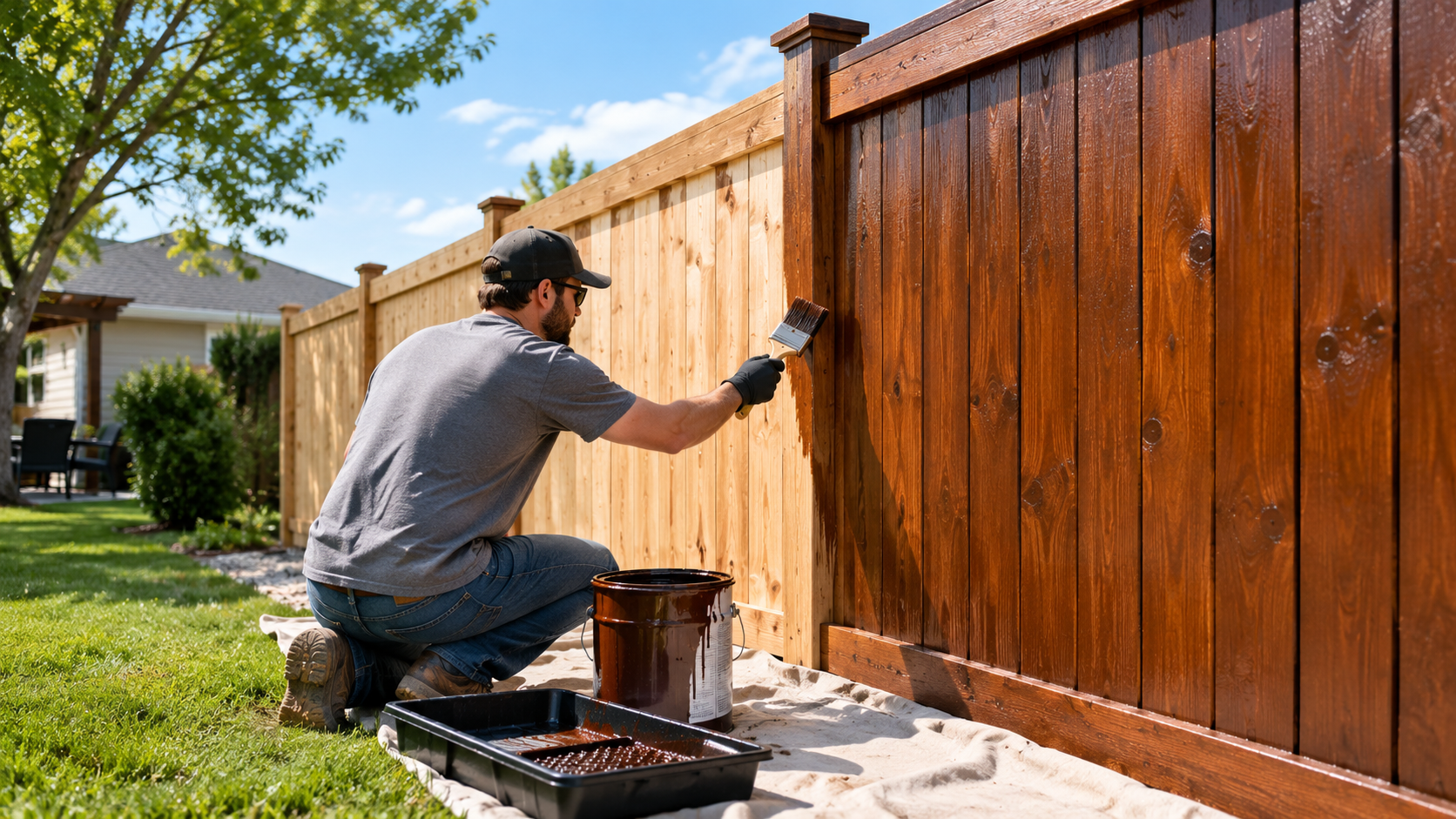
Pressure-treated pine is trickier to stain right after installation. Remember that excess moisture from the treatment process? If you seal it too early, before it’s had a chance to dry out, usually 60 to 90 days depending on weather, the finish won’t bond properly and you’ll be redoing it within a year. Patience matters more with pine.
Whichever wood you choose, use a stain or sealant rated for exterior use with UV protection, since our summer sun does more fading damage than people expect for a northern climate.
Lifespan Expectations
With reasonable maintenance, cedar fences commonly last 20-30 years in our climate. Pressure-treated pine typically runs 15-20 years under similar conditions, sometimes less if maintenance gets skipped for several seasons in a row. Neither number is a guarantee, soil conditions, drainage, sun exposure, and how the fence was installed all shift these ranges meaningfully in either direction.
Posts set in concrete without proper gravel drainage at the base tend to fail before the fence panels do, regardless of wood species. That’s a detail worth getting right at the start of any wood fence types Buffalo homeowners consider, because it affects cedar and pine equally.
Which to Choose for Your Budget
Here’s the honest breakdown. If you’re planning to stay in your home long-term and want the best wood for fence longevity with less upkeep, cedar is the better investment even with the higher sticker price. If you’re working with a tighter budget right now, selling within the next several years, or building a fence for a rental property, pressure-treated pine gets the job done reliably for less money.
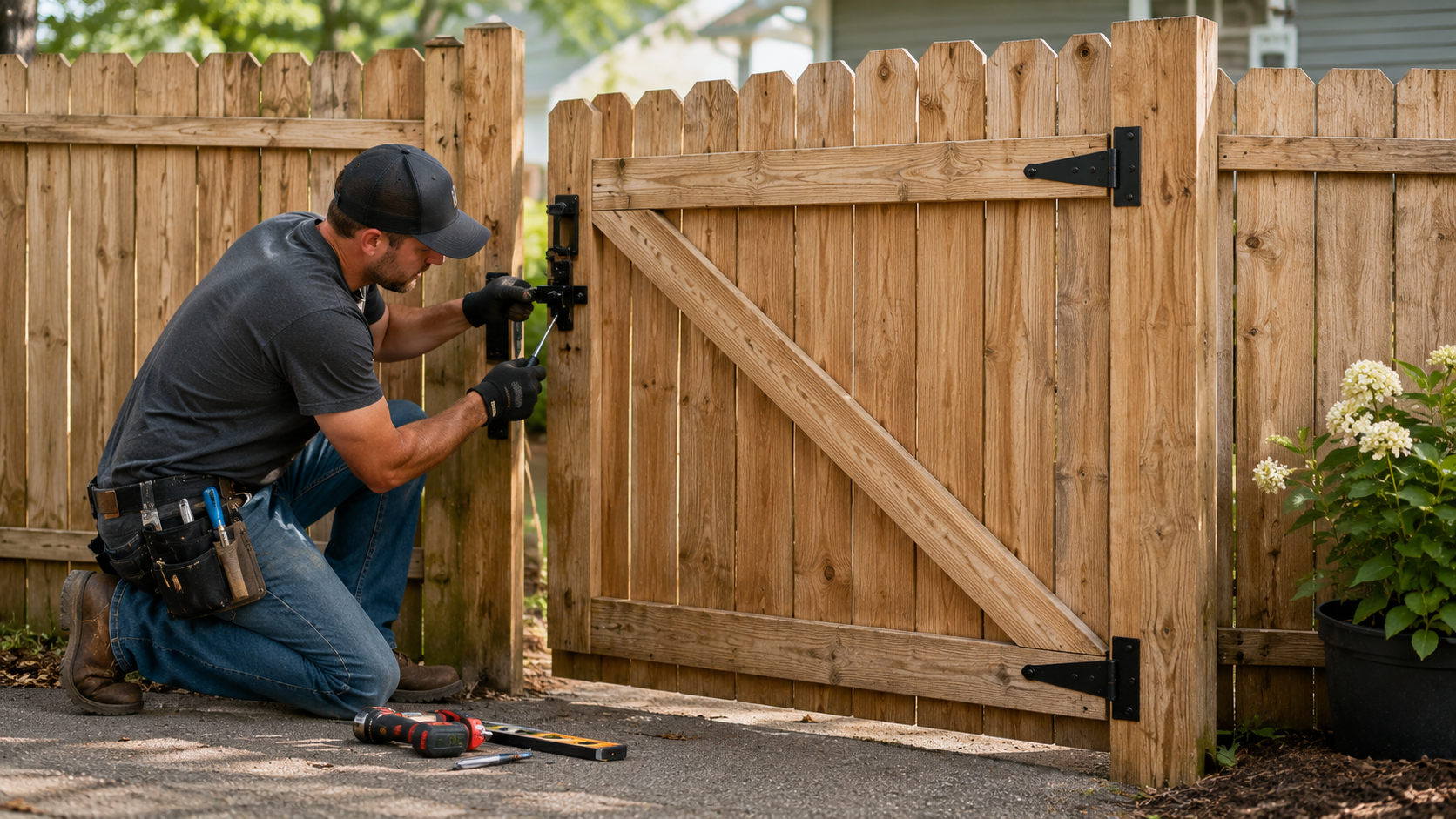
Either way, a DIY wood fence project succeeds or fails based on the basics, proper post depth, good drainage, quality fasteners, and realistic maintenance follow-through. The wood species matters, but it’s not the only thing that determines whether your fence is still standing straight in year fifteen.
At All Pro Fence Buffalo, we get asked this question nearly every week, and our honest answer is always the same: it depends on your budget and your timeline, not on which wood is “better” in some absolute sense. Both are legitimate choices when installed correctly for our climate.
Frequently Asked Questions
Is cedar really worth the extra cost in Buffalo’s climate?
For most homeowners planning to stay put 10+ years, yes. Cedar’s natural resistance to moisture swings means fewer repairs and less warping through our freeze-thaw cycles, which often offsets the higher upfront material cost over the fence’s lifespan.
Can pressure-treated pine handle Buffalo winters without extra protection?
Yes, it’s designed to resist rot and insects in wet conditions. However, sealing exposed cuts and keeping snow from piling against the base will noticeably extend its life and reduce warping in our specific climate.
How soon can I stain a new pressure-treated fence?
Wait 60-90 days after installation, or until the wood feels dry to the touch and water no longer beads on the surface. Staining too early traps moisture and causes the finish to peel within a season.
Does cedar need to be sealed to last?
No, cedar can be left unsealed and will weather naturally to a silver-gray color. Sealing simply preserves the original reddish tone longer and adds a bit of extra moisture resistance, particularly at ground level.
Which wood is better for a DIY installer without much experience?
Cedar is lighter and easier to cut, drill, and handle, which helps first-timers. Pressure-treated pine is heavier when wet and requires more careful planning around drying time before finishing.
Do both wood types work with the same fence styles?
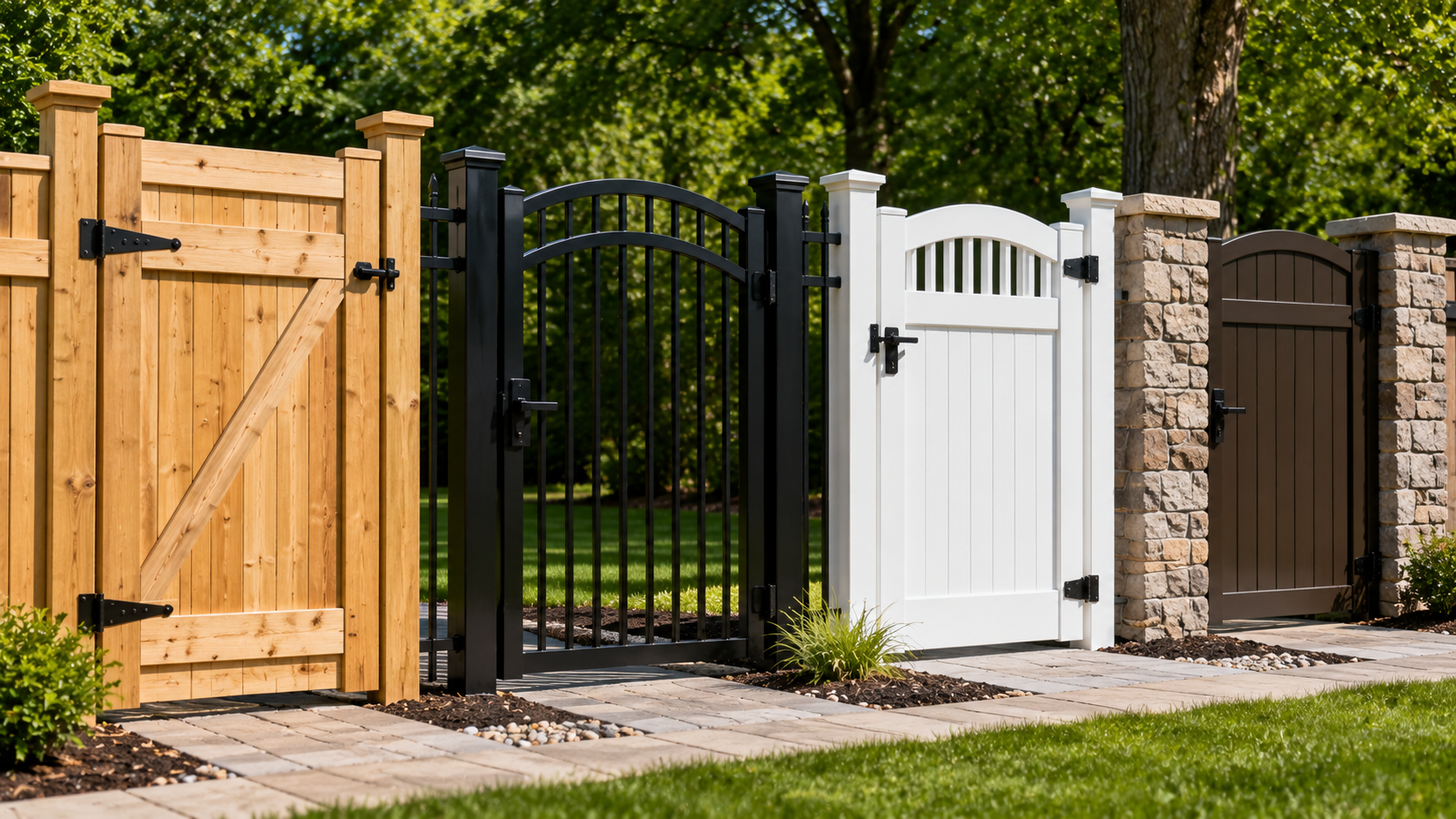
Yes, both cedar and pressure-treated pine work for privacy, picket, and shadowbox styles common in Buffalo neighborhoods. The wood choice affects cost and maintenance, not which fence style you’re able to build.
How do I know if my existing fence is cedar or pine?
Cedar has a reddish tint and pleasant aroma when cut; pressure-treated pine often shows a greenish tinge from the treatment process, especially near fasteners, and lacks that natural cedar scent.