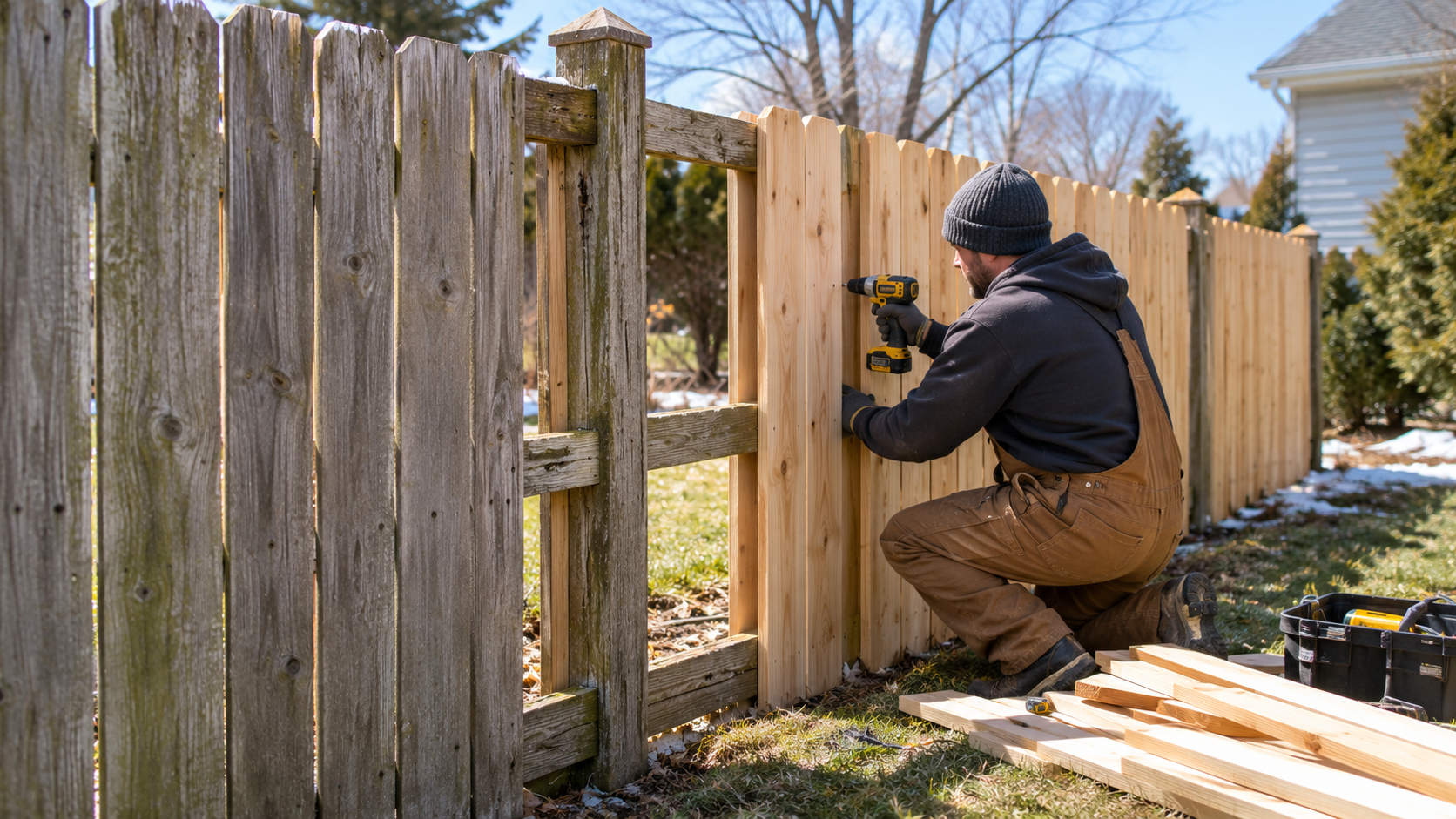
Every spring in Erie County, homeowners face fences leaning over from winter blizzards. Hiring a cheap storm chaser for a quick fix usually results in shifting posts and dragging gates by autumn.
A reliable Buffalo fence installation takes more than just hammering pickets together. Our heavy soil and brutal lake winds will quickly ruin a poorly anchored perimeter. To build a secure boundary that lasts, you have to do it right from the ground up. Here is how our crew at All Pro Fence Buffalo gets the job done right.
How to Select the Right Fence Type for Maximum Security and Durability
Choosing the right material means knowing exactly how it stands up to Buffalo weather. If you want real yard security and a perimeter that lasts, here is the honest breakdown:
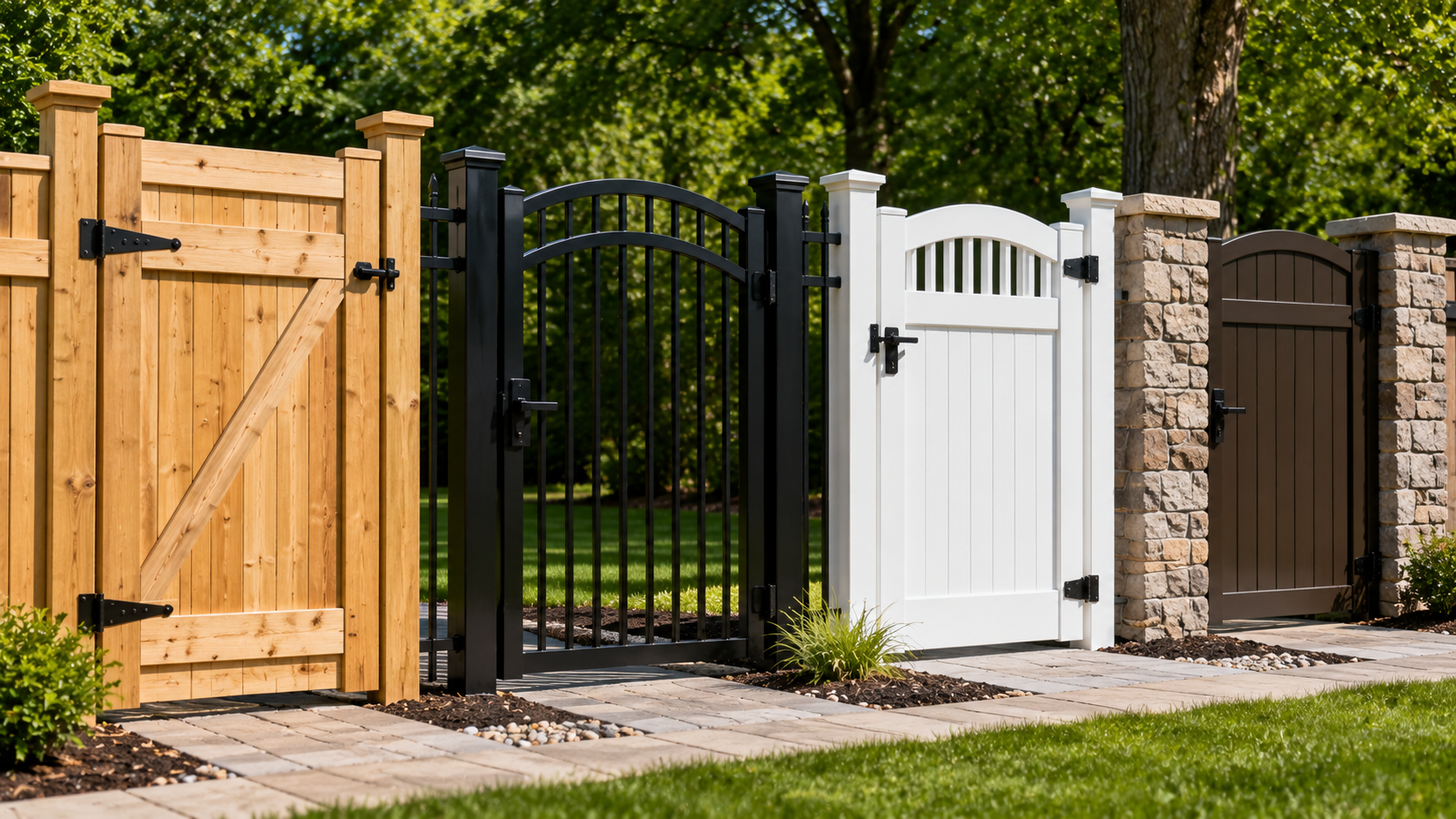
- Commercial-Grade Vinyl: Built for our winters. It won’t rot or crack from heavy snowbanks, never needs painting, and gives you total privacy.
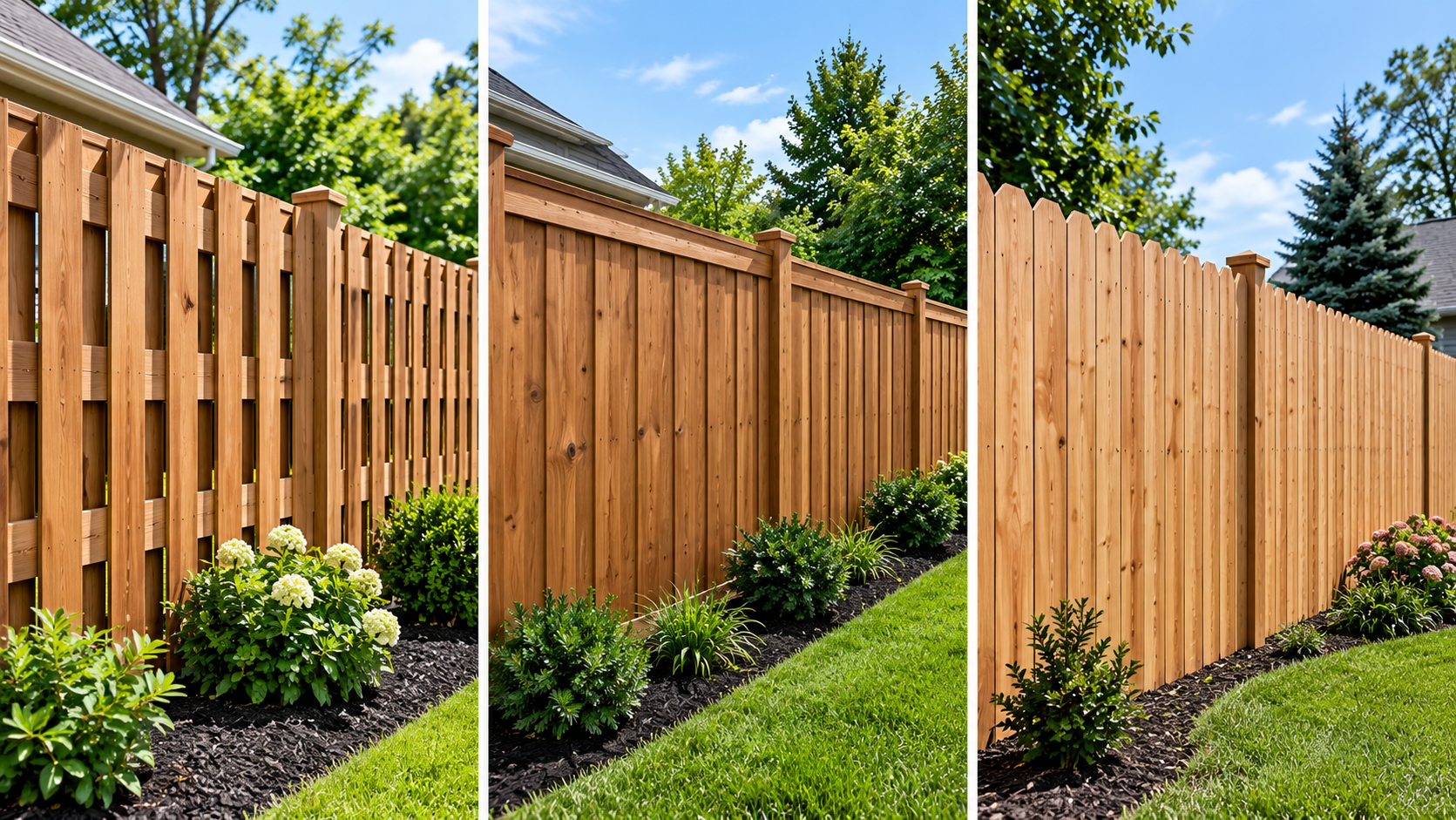
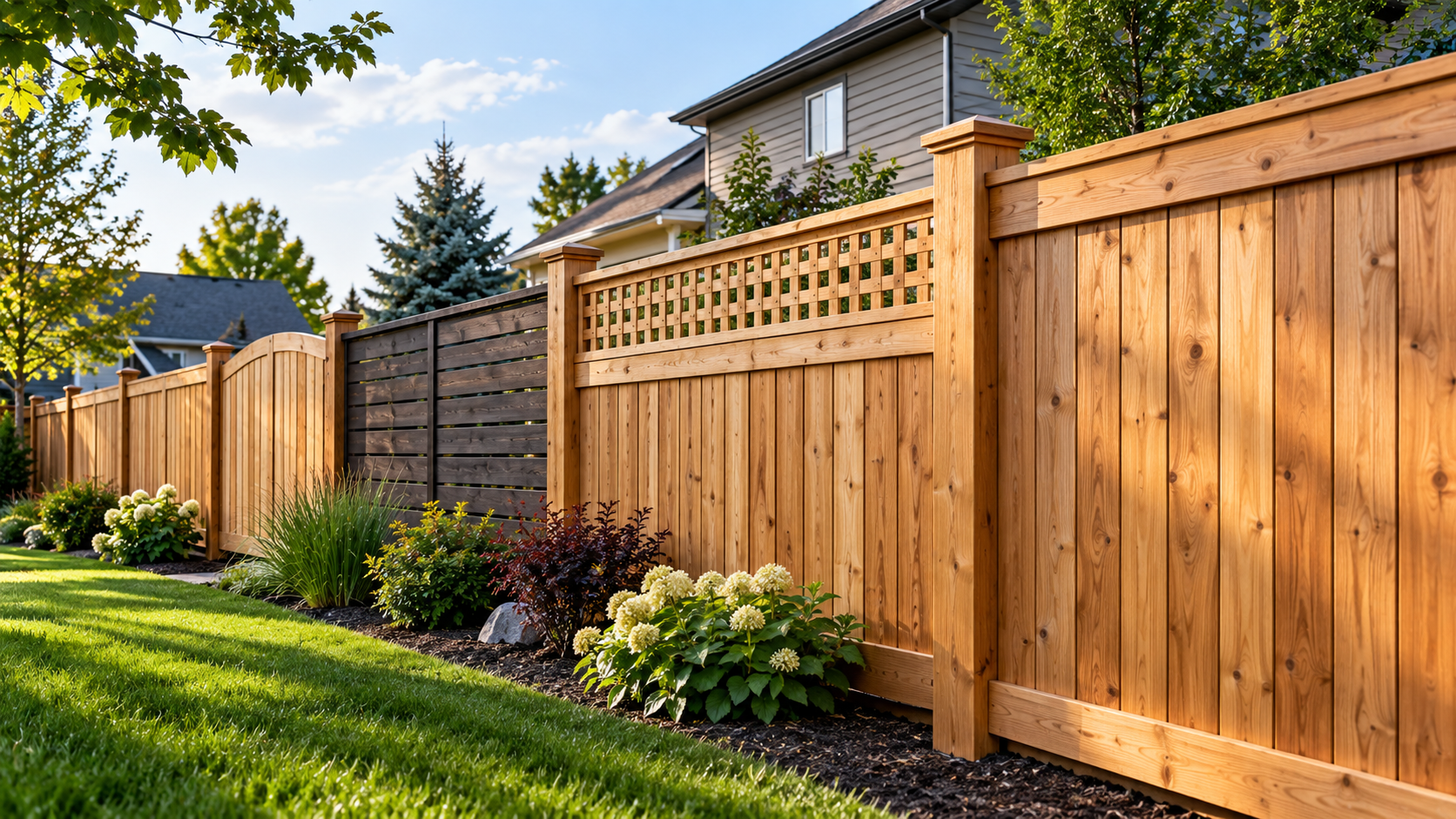
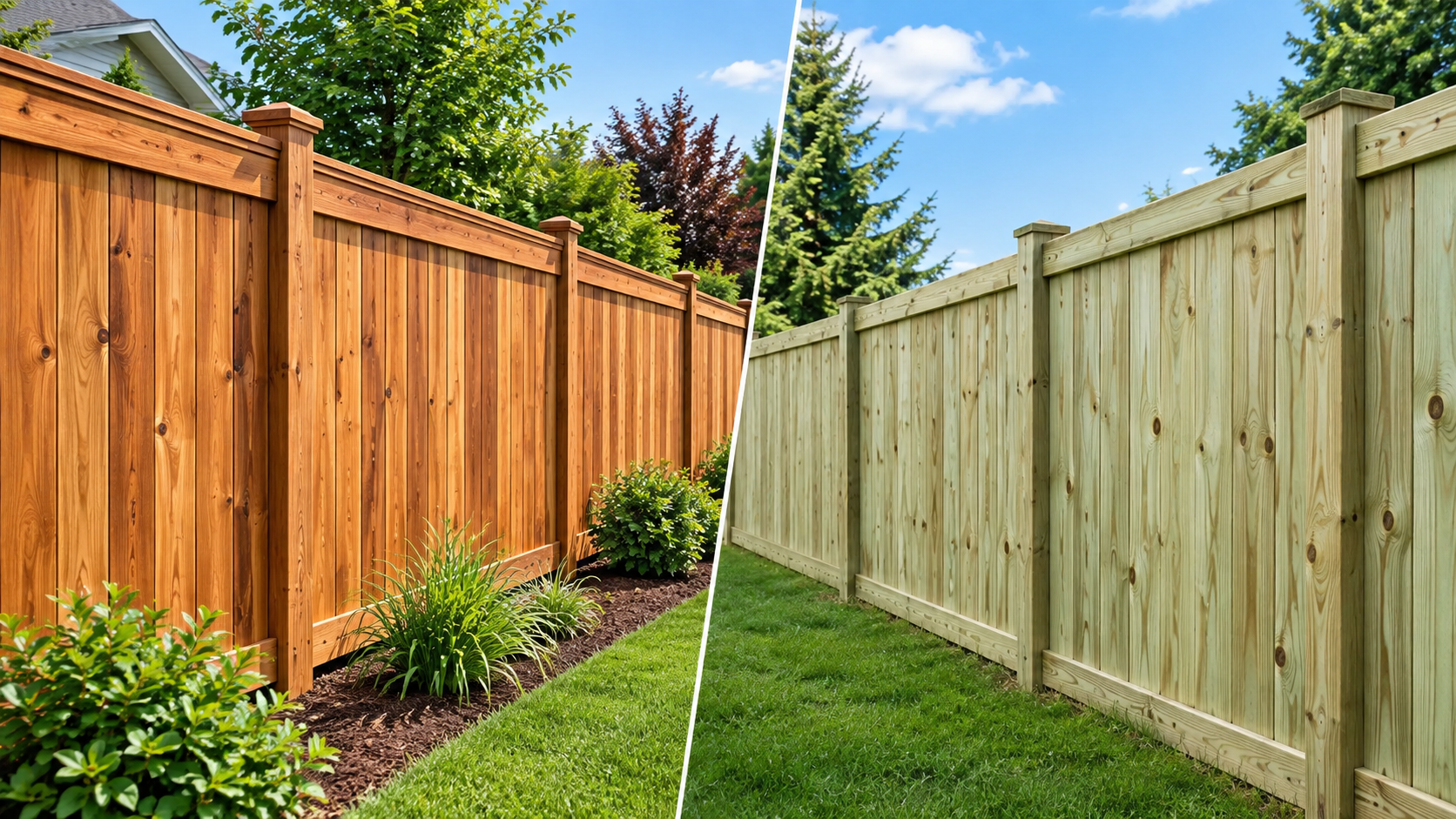
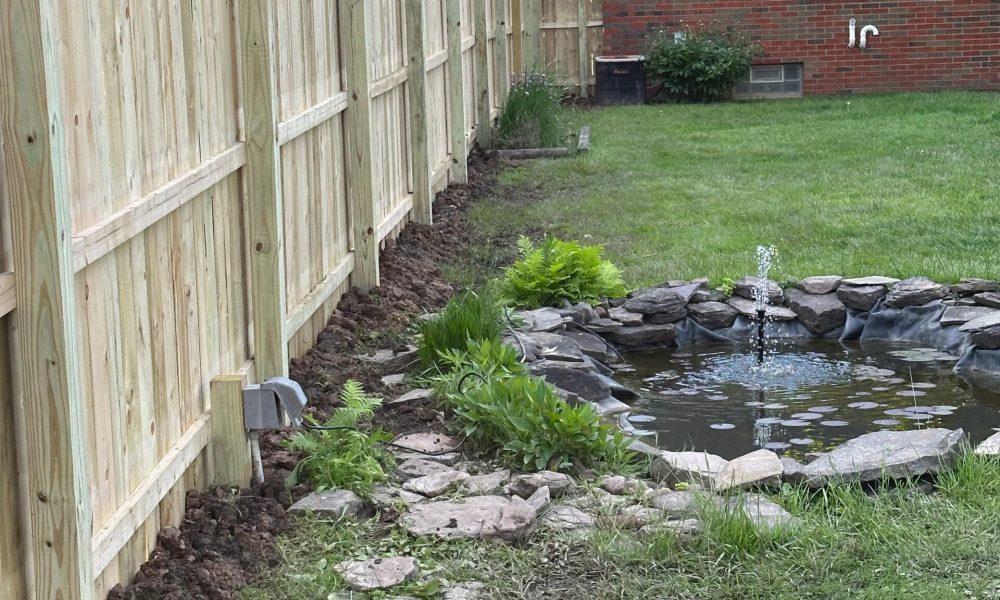
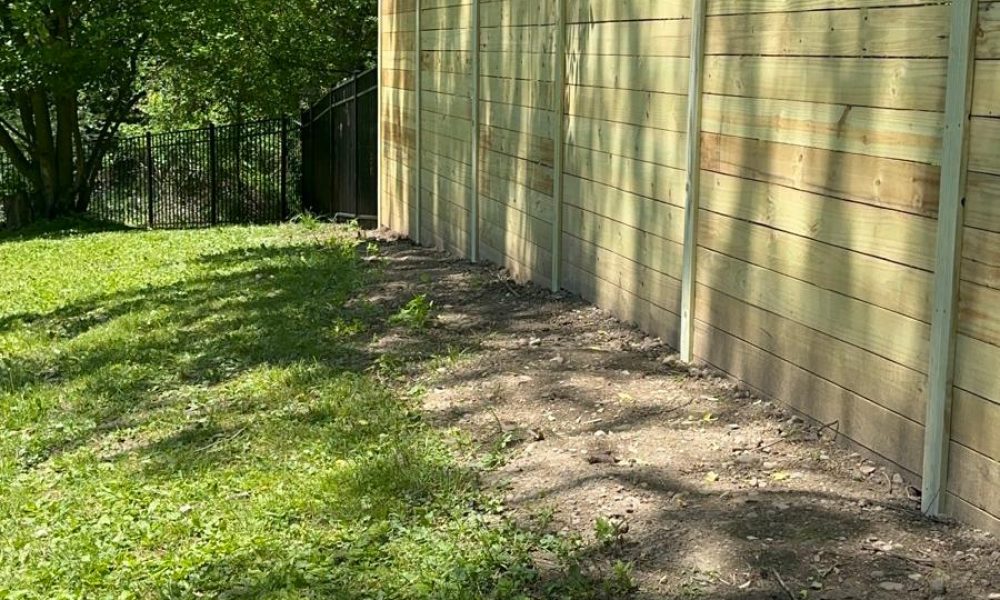
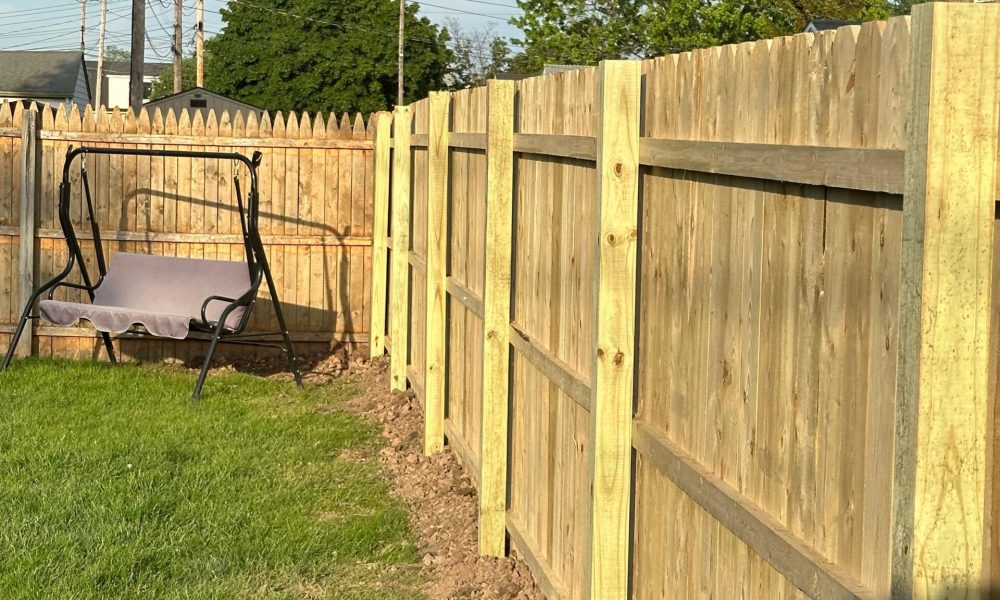
- Pressure-Treated Wood: Gives you a classic look and solid privacy. Just make sure it is rated for direct ground contact, or our wet spring dirt will rot the posts out in five years.
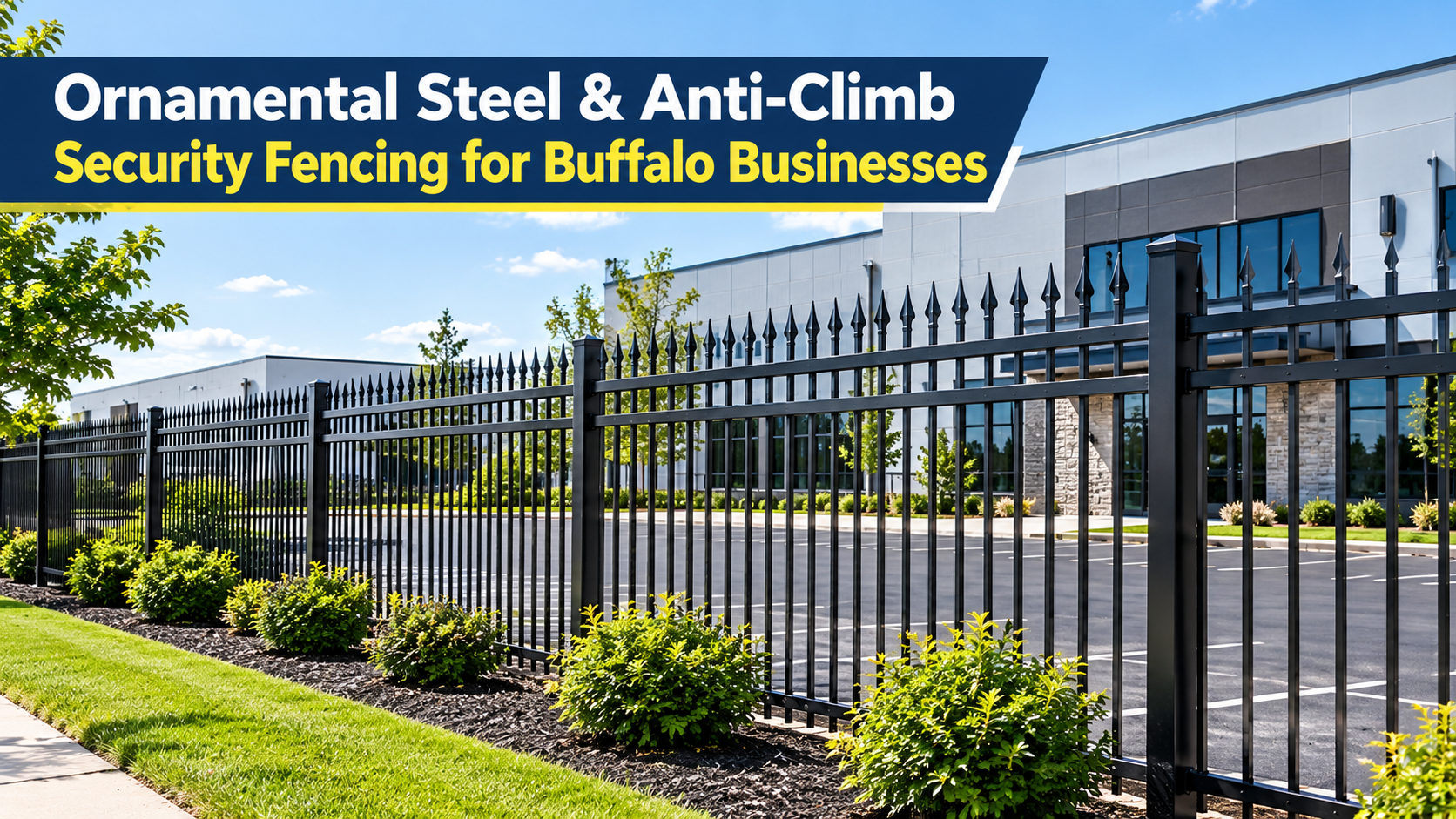
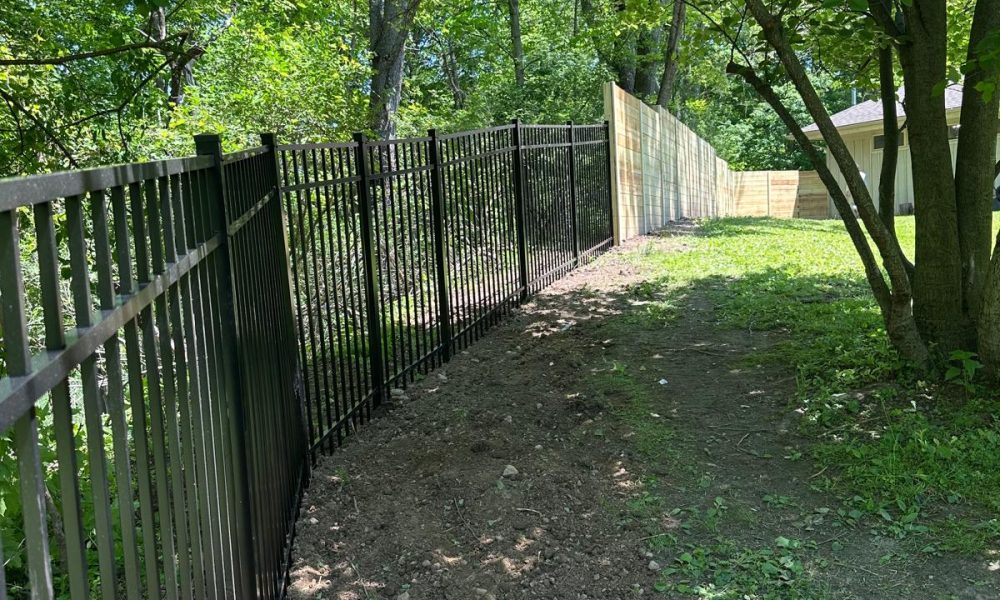
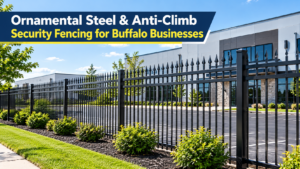
- Ornamental Aluminum: Perfect if you want a secure barrier without blocking the view. It handles high winds easily because the air blows right through the pickets.
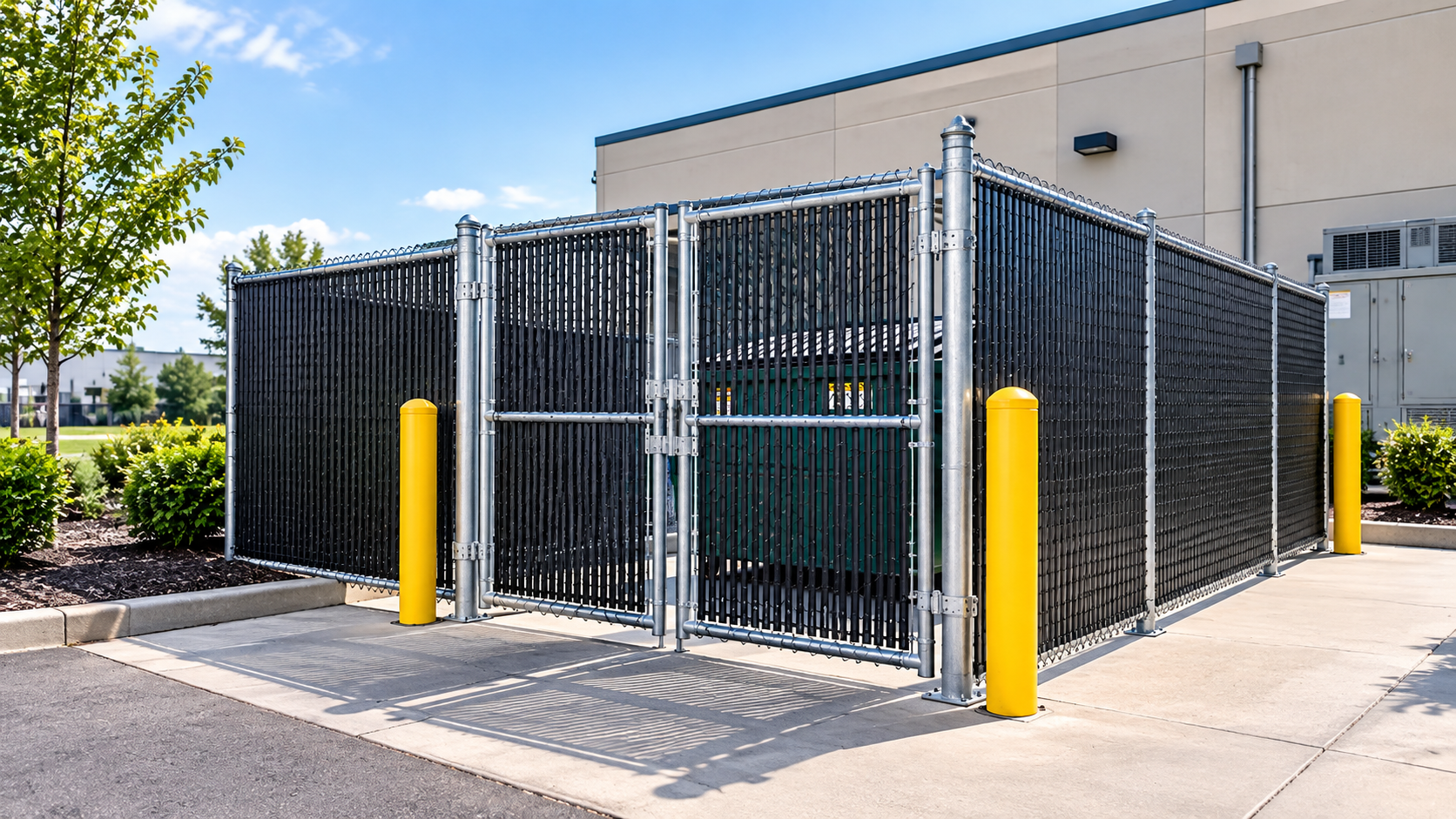
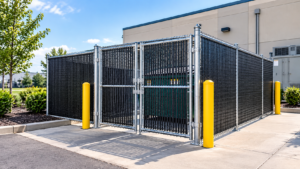
- Chain Link with Slats: A budget-friendly way to secure a yard. Adding heavy vinyl privacy slats blocks the view from the street and stops anyone from climbing over.
Key Equipment and Professional Tools Used for a Seamless Fence Installation
DIY blogs claim a shovel and a hand level are enough to build a fence. That is how leaning yard disasters start. To handle Buffalo’s dense, rocky earth, you need commercial-grade machinery to get the job done right:
- Hydraulic Augers: Hand-digging in our heavy soil results in shallow holes. Hydraulic augers drill deep past the frost line, so your posts won’t shift during winter freeze-thaw cycles.
- Laser Levels: String lines stretch and sag. Shooting laser lines across the property keeps every post perfectly plumb, even across uneven yard slopes.
- Pneumatic Fasteners: We anchor our panels using industrial nailers loaded with hot-dipped galvanized or stainless steel fasteners. Unlicensed guys usually cut corners with cheap exterior screws that rust out within two years, leaving ugly black streaks running down your clean wood or vinyl.
Why Proper Timeline Planning Matters for Long-Lasting Fence Performance
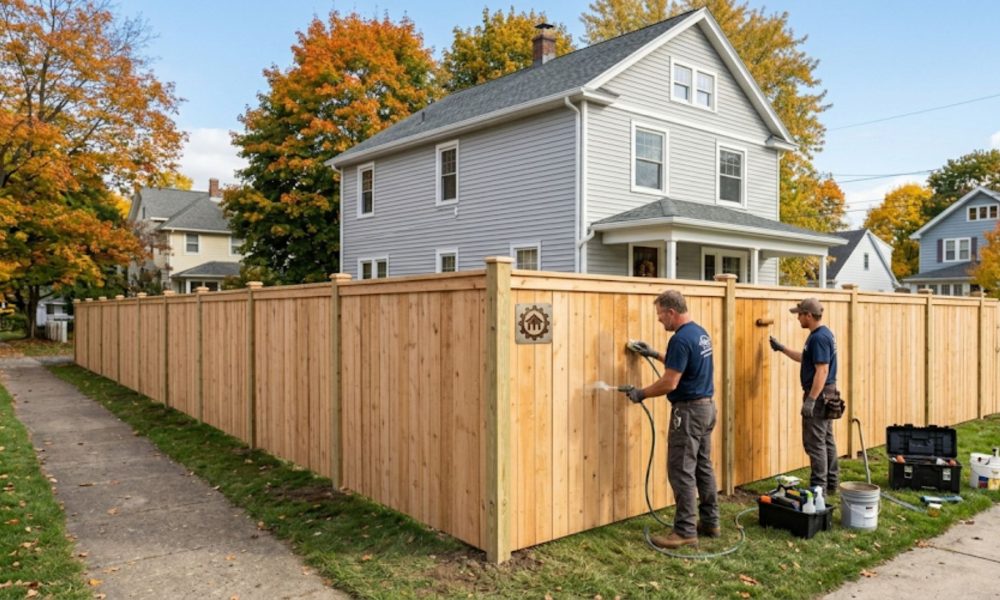
You cannot rush a quality fence layout. A proper new fence installation requires a multi-day timeline built around concrete curing. Once All Pro Fence Buffalo sets the posts in wet concrete, we walk away and let them cure for at least 48 hours.
If you hang heavy panels or swinging gates before the concrete locks up, the weight will sag the foundations out of alignment.
We also watch the local weather forecast like a hawk. If sudden rain hits while we are pouring, it dilutes the wet cement mix, making the footings weak, crumbly, and prone to cracking when the winter freeze hits. We always mix our concrete thoroughly with water before pouring to create an ironclad footing that seals out destructive moisture.
Get the Right Fit: Measuring Property Area and Planning Fence Layout Accurately
Property line disputes are expensive and entirely avoidable.
We always start by locating your official iron property pins using a metal detector and cross-referencing your town’s certified survey map. Once verified, we run high-tension string lines two inches inside your legal property line to establish a safe buffer.
Next, we map out the exact spacing for every single post. Standard panels come in fixed 6- or 8-foot sections, so your layout must be calculated perfectly to avoid leaving an awkward, unstable 2-foot section at a corner. We also mark out gate openings with extra precision, leaving exact clearances for heavy-duty hinges and latch mechanisms to operate without binding.
Cost Factors to Consider Before Installing a Security Fence in Buffalo
Your actual out-of-pocket budget depends heavily on the slope and condition of your dirt, not just the raw sticker price of the panels.
| Cost Factor | Impact on Budget | Local Considerations |
| Material Selection | Low to High | Vinyl and aluminum cost more upfront but require zero maintenance over time. |
| Clearing & Demolition | Adds $5 – $15 per linear foot | Tearing down old, rotted structures and hauling them to a local disposal site. |
| Tree Roots & Obstructions | Increases labor time | Mature root systems from heavy oaks or maples require specialized cutting tools. |
| Digging Conditions | Variable | Hard-packed clay or underground limestone rocks slow down drilling equipment. |
You also have to deal with city permits. Places like Amherst, Cheektowaga, and Buffalo have strict rules about how high your fence can be and how close it can sit to your neighbor’s line. We handle all the local town paperwork for you so you don’t get hit with building violations or fines.
Ways to Ensure Durability: Weather Resistance, Material Quality, and Expert Workmanship
To survive a Buffalo winter, your fence posts must sit deep. When moisture freezes in our heavy soil, it expands and pushes upward with massive force. If your post holes are too shallow, that frost heave will lift the concrete footings right out of the dirt, twisting your entire fence line out of whack.
Our Rule of Thumb: We dig every post hole to a minimum depth of 42 inches. Getting down that deep puts the concrete base safely under the local frost line. It anchors the post in solid earth, so it stays straight, even when the top layer of ground freezes solid.
Strong residential fence security starts with the right materials. We only install heavy-duty vinyl treated with titanium dioxide, which keeps the panels from turning brittle during freezing winter cold snaps or yellowing under the summer sun.ted with titanium dioxide. This keeps the panels from turning brittle during freezing winter cold snaps or yellowing under the summer sun.
FAQs
What are the standard height restrictions for residential security barriers in this region?
In most local municipalities, rear yard privacy boundaries are strictly limited to a maximum height of 6 feet. Front yard structures are generally capped at 3 or 4 feet and often require a certain percentage of open visibility for traffic safety. Always check your specific town’s zoning codes before finalizing your layout plans.
How long does a professional boundary installation typically take from start to finish?
An average residential project takes about 3 to 5 consecutive days of on-site field work to complete properly. The first day involves clearing obstacles, running string lines, and setting the structural posts in wet concrete. We then let the foundations cure for two full days before returning to hang the panels and tune the gates.
Do I need to hire a land surveyor before your crew can start digging holes?
While it isn’t always legally required if your original property stakes are clearly visible, we highly recommend having a certified survey map on hand. Guessing where your boundary lies is a massive liability risk that can lead to expensive legal disputes with neighbors.
Will my new vinyl privacy structure be able to withstand our heavy winter winds?
Yes, provided the structural posts are set deep enough and reinforced correctly with internal aluminum inserts in high-stress areas. Premium vinyl is engineered with enough flexibility to absorb heavy wind loads without cracking or shattering.
How often will I need to apply stain or sealant to a pressure-treated wood barrier?
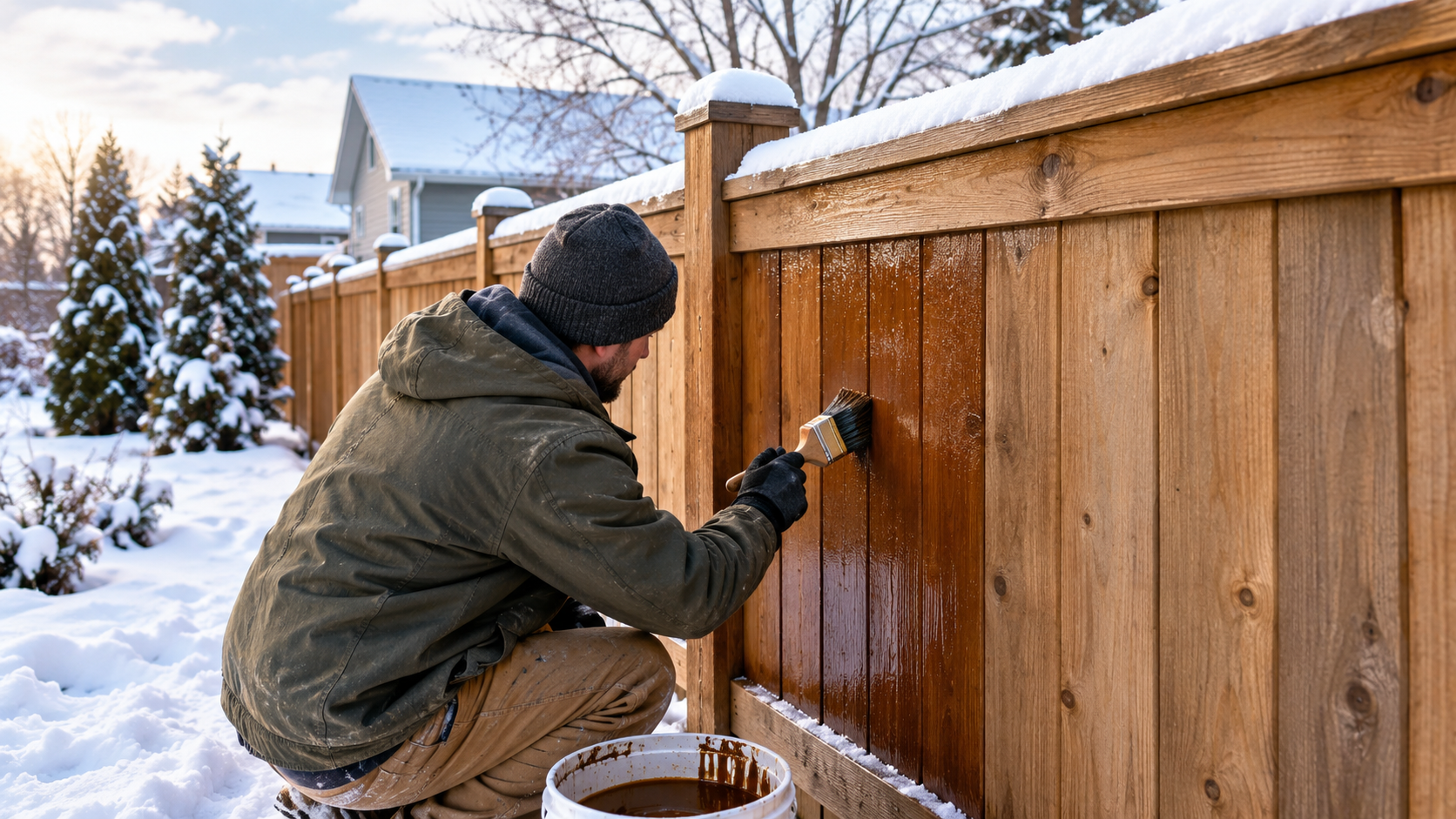
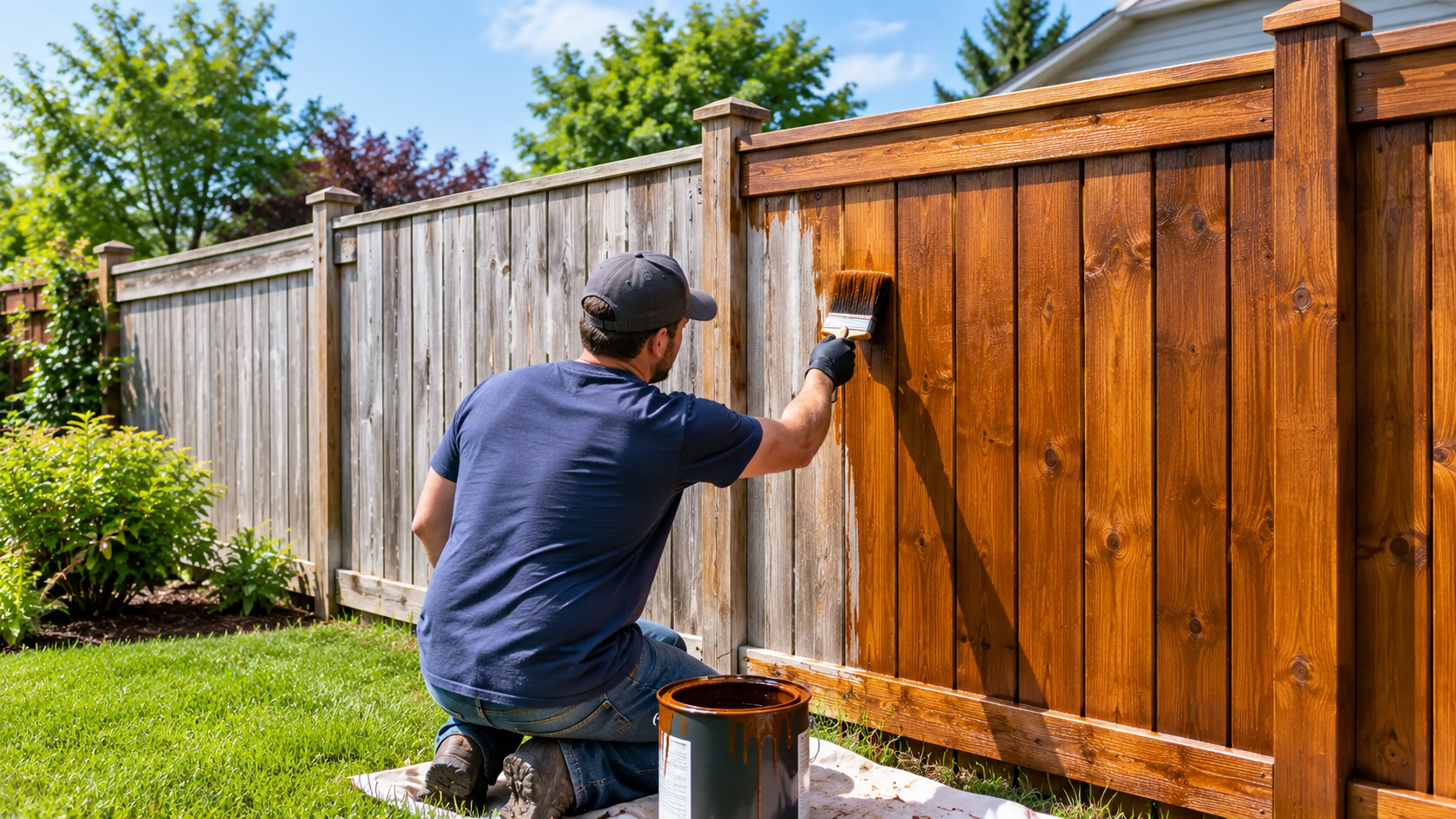
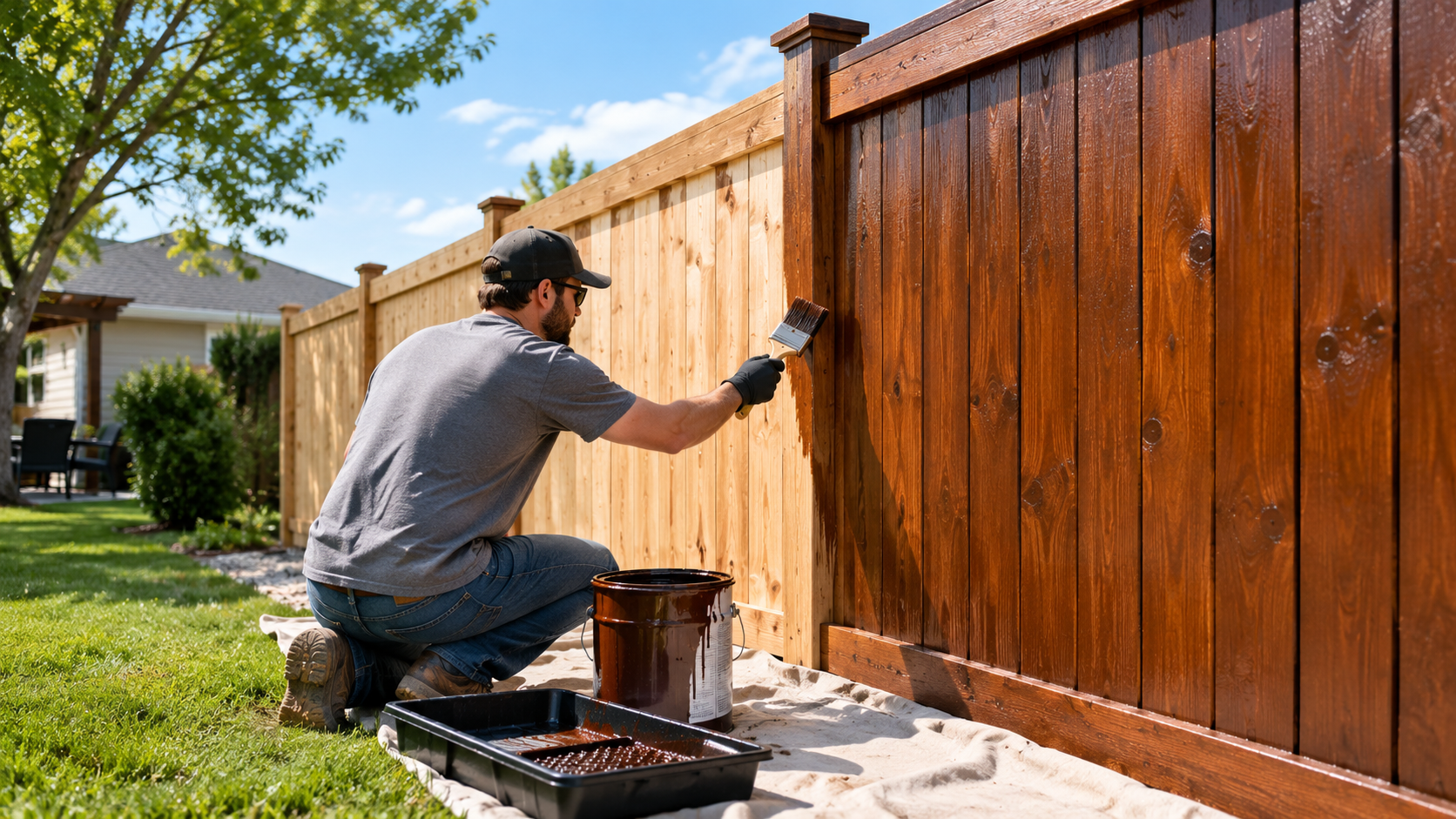
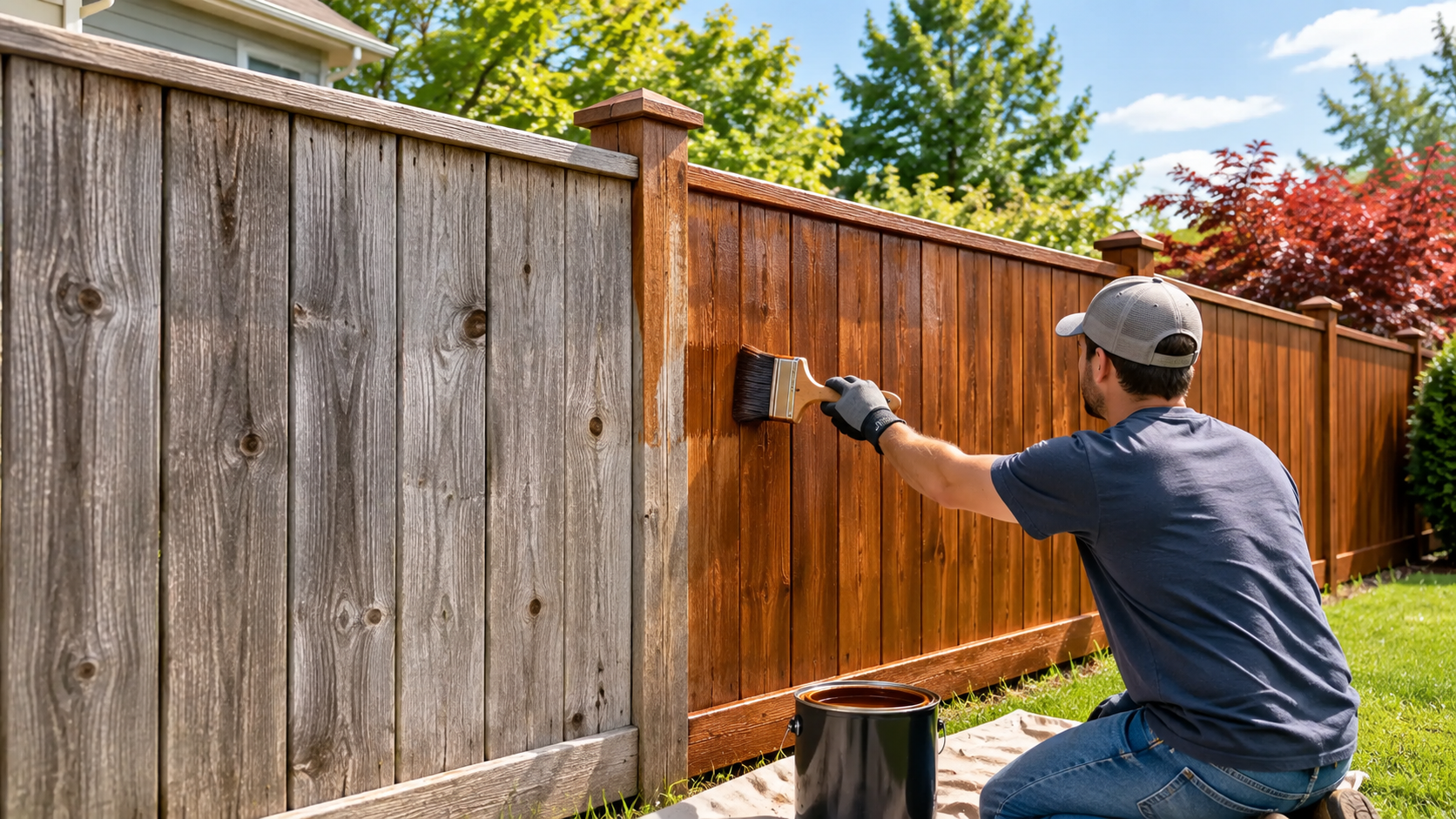
To protect your wood fence from rotting under heavy winter snowbanks, you need to brush or spray on a quality water-repellent sealer every two to three years. Raw lumber constantly swells and shrinks as our local humidity shifts, which will warp and twist the wood out of shape if you leave it unprotected.
Are local building permits required for residential backyard properties around here?
Yes, almost every town across Erie County requires an official building permit before you can legally install a new perimeter barrier. The application typically requires a copy of your property survey showing exactly where the new layout will stand.
What should I do if my yard has a dramatic slope or uneven ground along the property line?
At All Pro Fence Buffalo, we handle sloped terrain by using a professional technique called stepping, where each individual panel maintains a level top profile but steps down gradually like stairs. This method keeps the entire layout looking uniform while following the natural contours of your land, preventing large gaps at the bottom.
Ready to secure your Buffalo home fence with a perimeter built to survive Western New York winters? Give All Pro Fence Buffalo a call today at (716) 452-9399 or visit our shop to get a straightforward, accurate quote on your Buffalo fence installation.