Buying a new fence is a major home investment.
When you start typing fence installers near me in Buffalo into a search bar, the options can feel completely overwhelming. Dozens of companies pop up, each promising the best prices, the fastest turnaround times, or the longest warranties.
But as a company that spent years out in the dirt digging post holes and setting rails, we can tell you that not all installations are created equal. A fence looks great the day the crew drives away, but the real test comes three, five, or ten years down the road when the ground shifts and the weather rolls in.
That is why so many property owners look for a lifetime guarantee to protect their investment.
However, a warranty is only as good as the company backing it up and the craftsmanship that goes into the ground. If you want a backyard barrier that truly lasts a lifetime, you need to know exactly how to vet local professionals before signing on the dotted line.
Let’s break down what separates a high-quality install from a temporary fix, and how to find a team you can actually trust.
How to Evaluate Fence Installers Before You Hire Them
Finding the right team requires looking past flashy online advertisements. You want to find local fence installers with deep roots in the Buffalo community and a proven track record of satisfied customers. Start by looking at their recent local projects rather than just relying on standard star ratings.
A reputable contractor should be able to point to fences they built several years ago in your area so you can see how their work holds up over time. Walk past these properties if you can, or ask the installer for case studies that show real, long-term durability.
It is also smart to check how they handle communication from the very first phone call.
Are they rushing to give you a rough estimate over the phone, or do they insist on coming out to walk your property line? Real pros know that underground roots, shifting soil types, and yard slopes radically change the scope of an installation.
If a contractor doesn’t take the time to inspect your actual terrain before giving you a hard number, they are likely to surprise you with hidden fees later.
Key Questions to Ask Before Choosing a Fence Contractor
Never sign a contract without getting the operational details in writing.
Before you make a final decision, sit down with your short list of professional fence installers in Buffalo and ask the tough technical questions. You need to know exactly who will be standing in your yard, swinging the hammers and pouring the concrete.
Ask them directly if they use their own dedicated internal employees or if they subcontract the actual labor out to a third-party crew. Dedicated, in-house crews are almost always more accountable because their jobs depend directly on maintaining the company’s local reputation.
Here is a checklist of critical questions you should run through during your consultations:
- Who handles the underground utility marking (Call 811) and local building permits?
- How deep do you set your fence posts, and do you use concrete for every single one?
- What happens if your crew accidentally strikes an unmarked irrigation line or pipe?
- How do you handle slopes or uneven terrain? Will the fence be stepped or racked to follow the ground?
- Can you provide a written, itemized breakdown of both material costs and labor fees?
A trustworthy contractor will answer these questions clearly without getting defensive. They understand that a well-informed homeowner is the best customer to work with.
Why Licensing, Insurance, and Experience Matter for Long-Term Results
Cutting corners on paperwork is a massive red flag in this industry.
It is easy for anyone to buy a truck, pick up some tools from a home improvement store, and call themselves a fencing business.
But if an uninsured worker gets hurt on your property, or if a rogue crew punctures a main water line, you could be held financially liable. Verifying current general liability insurance and workers’ compensation coverage is the absolute bare minimum protection you should accept.
Working with established teams like All-Pro Fence Buffalo ensures that your property is fully protected from unexpected liabilities throughout the entire building process.
Experience also changes the way a crew solves unexpected field problems.
An experienced eye can look at a yard and immediately know how the local soil retains moisture and behaves during a hard freeze or heavy rain.
They know how to adjust post depths and concrete mixes to prevent the posts from heaving out of the ground over time. True expertise means understanding local wind loads, soil conditions, and regional weather patterns so your structure remains completely straight for decades.
How Lifetime Guarantees Work and What They Really Cover
The phrase “lifetime guarantee” sounds incredibly reassuring, but you have to read the fine print.
The Golden Rule of Warranties: A lifetime material warranty does not automatically mean you have a lifetime labor warranty.
Most major manufacturers offer lifetime warranties on modern vinyl or aluminum components against cracking, peeling, or rotting.
However, if the fence begins to lean because the installation crew failed to dig the post holes deep enough, the manufacturer will not cover the repair. That is an installation error, which means you have to rely entirely on the contractor’s specific workmanship warranty to fix it.
Best Ways to Compare Pricing, Materials, and Warranty Options
When you are looking at quotes from privacy fence installers, the cheapest bid is rarely the best deal long-term.
| Feature / Detail | Low-Bid Contractor | Premium Professional Installer |
| Post Depth | Shallow (often less than 24 inches) | Deep (below the local frost line) |
| Hardware | Standard structural nails or staples | Heavy-duty, exterior-grade outdoor screws |
| Post Foundations | Dry-poured concrete or packed dirt | Wet-mixed, structurally sound poured concrete |
| Gate Reinforcements | None (prone to sagging within a year) | Heavy-duty heavy gate posts and bracing |
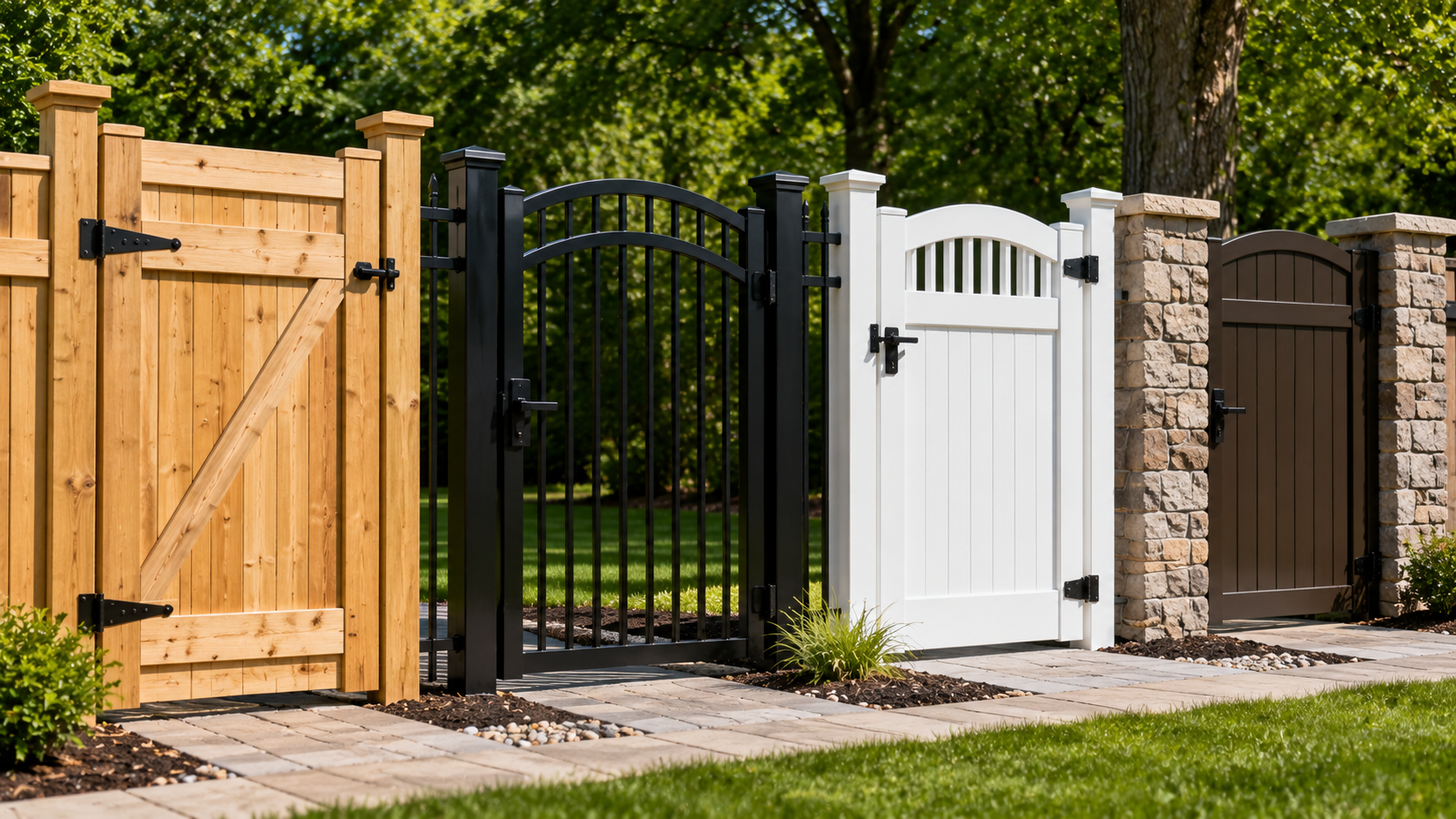
To make a fair comparison, look closely at the exact material specifications listed on each estimate. Check the thickness of the vinyl walls, the grade of the aluminum, or the specific species of wood they plan to use.
A slightly higher upfront investment for premium materials and a comprehensive workmanship warranty will save you thousands of dollars in premature repairs and replacements.
Why Quality Equipment and Skilled Crews Lead to Longer-Lasting Fences
The structural integrity of your perimeter relies entirely on hidden construction details.
A fence is essentially a sail caught in the wind, which means all of its structural strength is anchored underground.
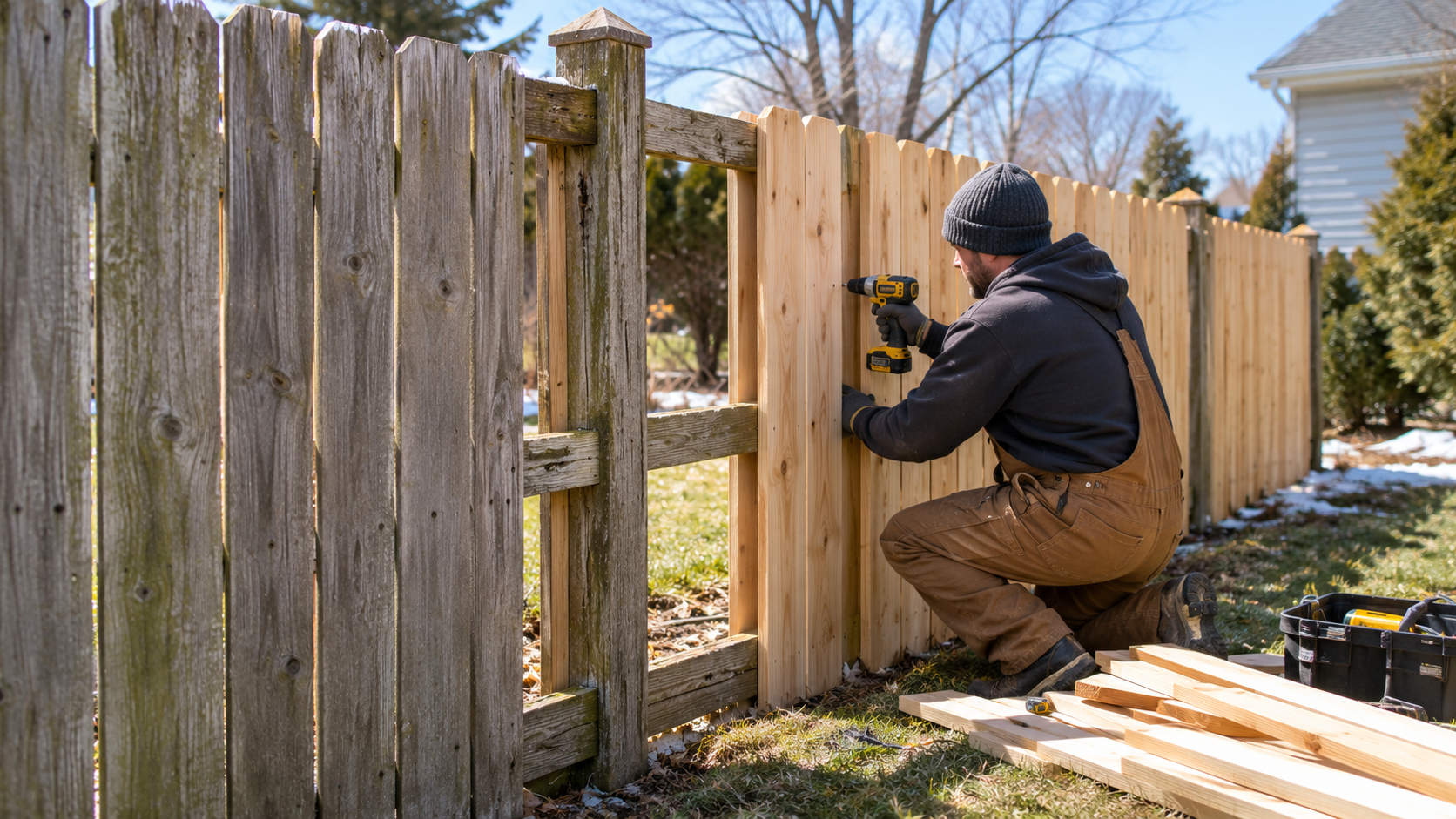
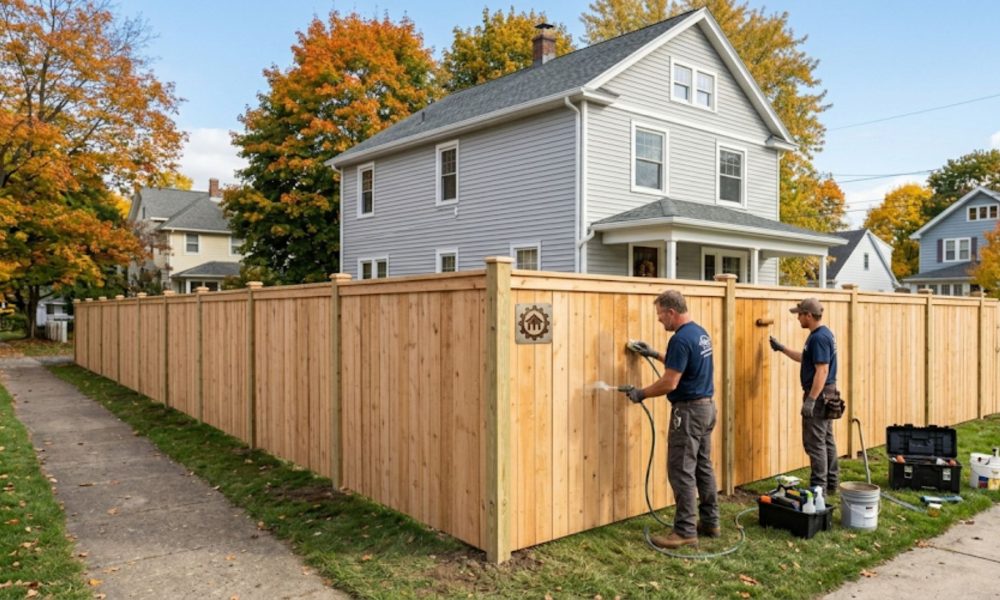
Professional crews use heavy-duty power augers to dig clean, deep vertical shafts without disturbing the surrounding supportive soil structures. They mix their concrete precisely before it goes into the hole, ensuring a uniform, solid foundation that firmly locks each post into place.
Gates are the only moving parts on your entire fence line, making them the most common point of failure.
Skilled crews understand this vulnerability and proactively reinforce gate posts with internal structural steel inserts or extra-heavy concrete bases. They use premium, rust-resistant heavy hardware that can handle thousands of opening and closing cycles without binding or sagging.
This meticulous attention to mechanical detail keeps your entry points operating smoothly long after the project is complete.
Smart Tips to Avoid Common Mistakes When Selecting Fence Installers
Many property owners accidentally make costly mistakes simply because they don’t know what to look for.
One of the biggest mistakes is failing to confirm your exact property boundaries before the digging begins. Never guess where your property line sits based on old landmarks or existing landscaping features. Hiring a professional surveyor to stake out your actual boundary lines before installation prevents stressful and expensive legal disputes with your neighbors.
Another common pitfall is ignoring local Homeowners Association (HOA) guidelines or municipal zoning rules. Many neighborhoods enforce strict limitations regarding allowable fence heights, approved materials, and specific aesthetic styles. A professional team like All Pro Fence Buffalo can guide you through these local regulations to ensure your project complies with all regional guidelines from day one.
How to Ensure Durable Installation That Stands Up to Weather and Time
Long-term durability requires prioritizing structural strength over speed.
To ensure your installation survives severe storms and shifting ground, make sure your contractor sets posts below the regional frost line. When water in the soil freezes, it expands and pushes upward with immense pressure. Posts that are set too shallow will gradually be forced out of the ground, causing the entire fence line to warp and sag.
Finally, make sure the crew crowns the top of the concrete foundations just above the soil line.
Sloping the wet concrete away from the post creates a natural watershed that prevents moisture from pooling at the base. This simple step protects wood posts from premature rot and prevents metal posts from rusting at the ground line, keeping your perimeter solid for a lifetime.
If you want to skip the guesswork of sorting through endless fence installers near me, investing in an established, experienced team like All Pro Fence Buffalo ensures every detail is handled right the first time.
FAQs
What is the difference between a manufacturer’s warranty and a labor warranty?
A manufacturer’s warranty covers defects in the material itself, like peeling vinyl or rusting aluminum. A labor or workmanship warranty covers the installation process, protecting you against issues caused by improper post setting or poor assembly.
How deep should fence posts be set to ensure stability?
Posts should generally be set a minimum of 36 inches deep, or deep enough to extend below your local frost line. This depth prevents the posts from shifting or heaving when the ground freezes and thaws.
Do I need to get a permit for a new backyard privacy fence?
Permit requirements vary depending on your city and county zoning laws. Most municipalities require a building permit for fences over 6 feet tall, and professional installers should assist you in navigating this local paperwork.
Can a fence be installed on a sloped property?
Yes, a fence can be installed on a slope using either the stepped method or the racked method. An experienced contractor will evaluate your yard’s specific grade to determine which method looks best and maintains security.
How long does a typical professional residential fence installation take?
Most residential projects take between two and four days to complete, depending on the yard size and material. This timeline includes clearing the line, digging post holes, letting the concrete cure, and assembling the panels.
Why do gates sag over time, and how can it be avoided?
Gates sag due to gravity, heavy use, and ground movement, wearing down the gate posts. This can be avoided by using heavier terminal posts, structural gate blanks, and commercial-grade hinges during the initial installation.
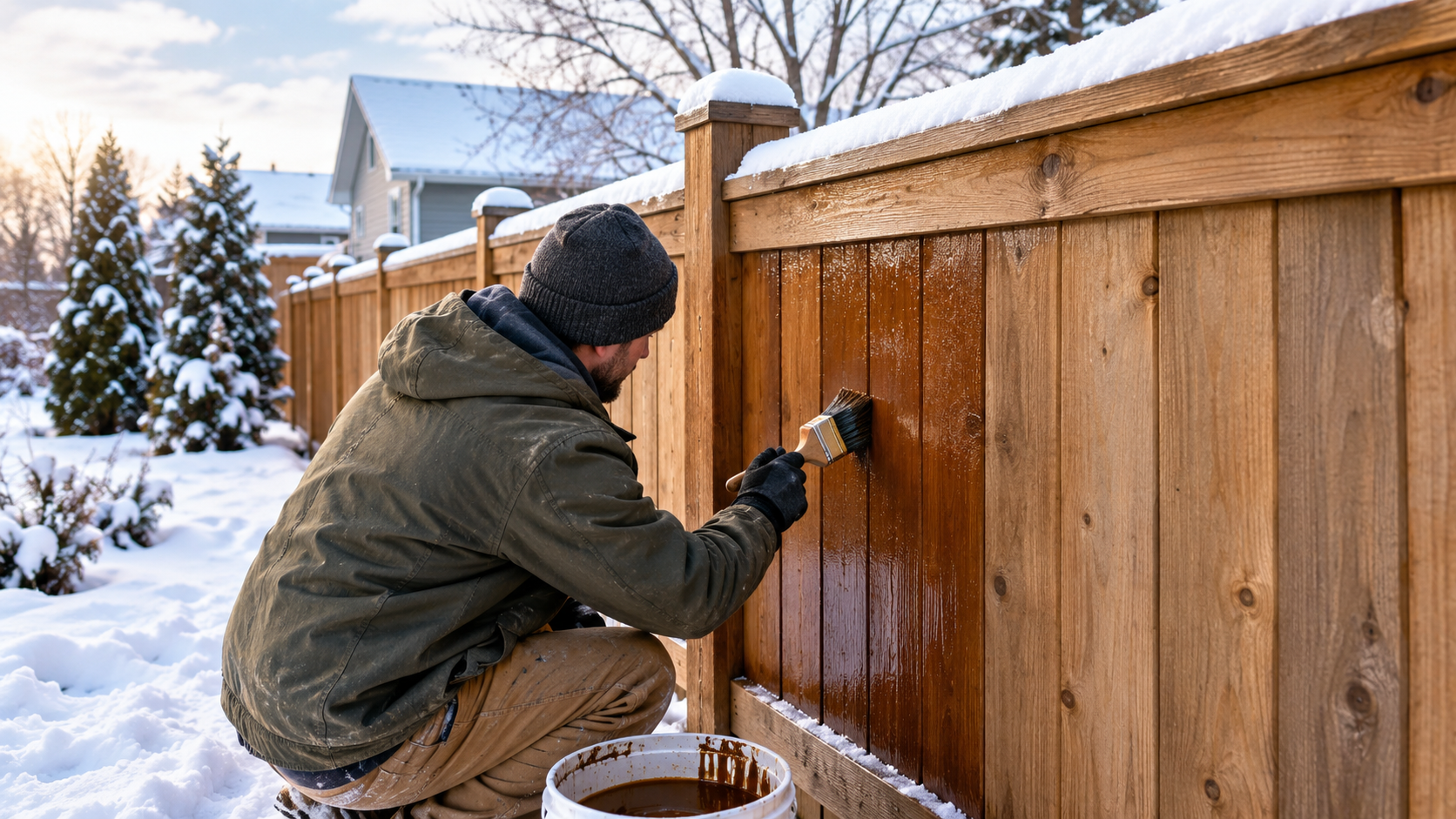
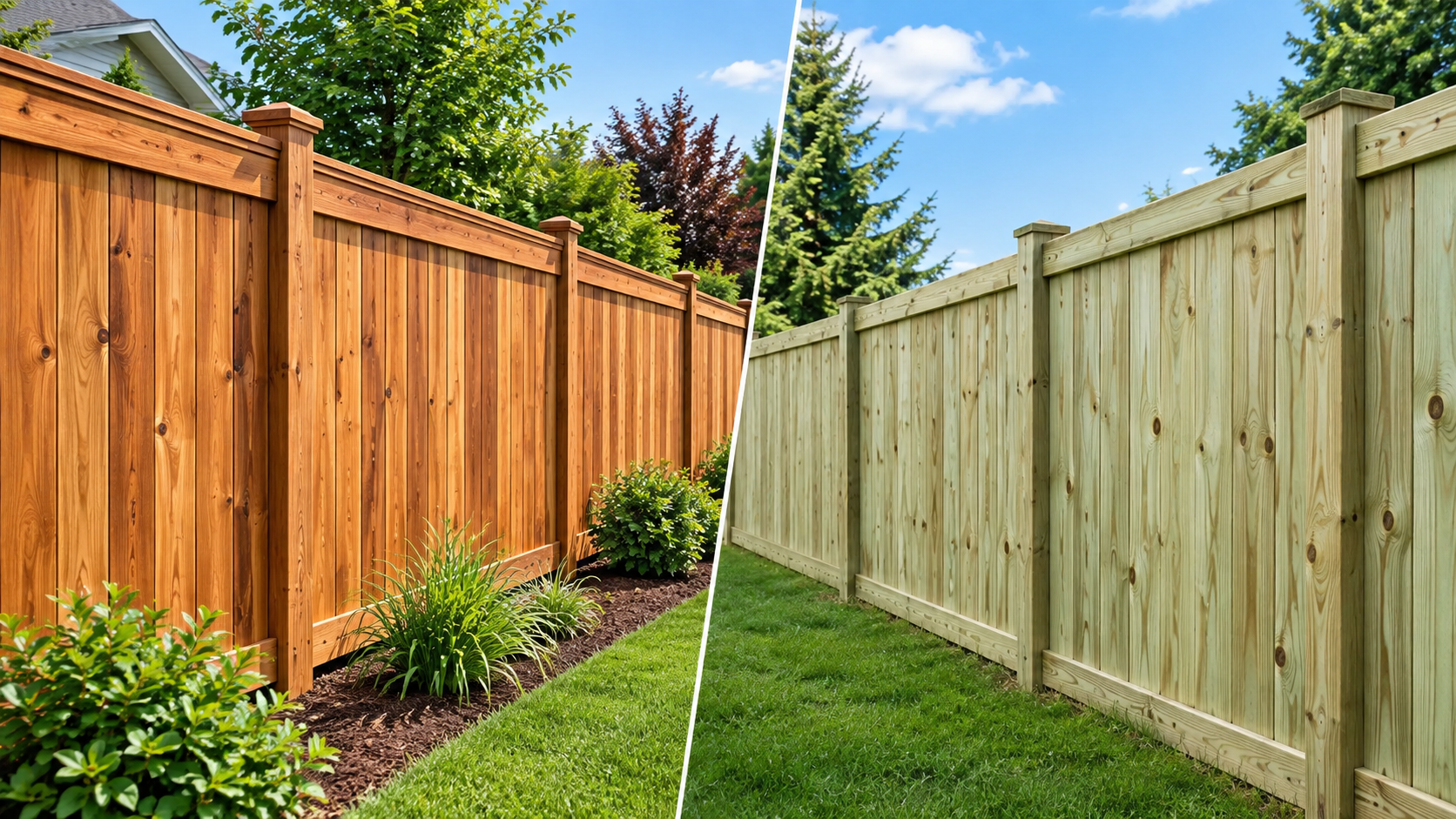
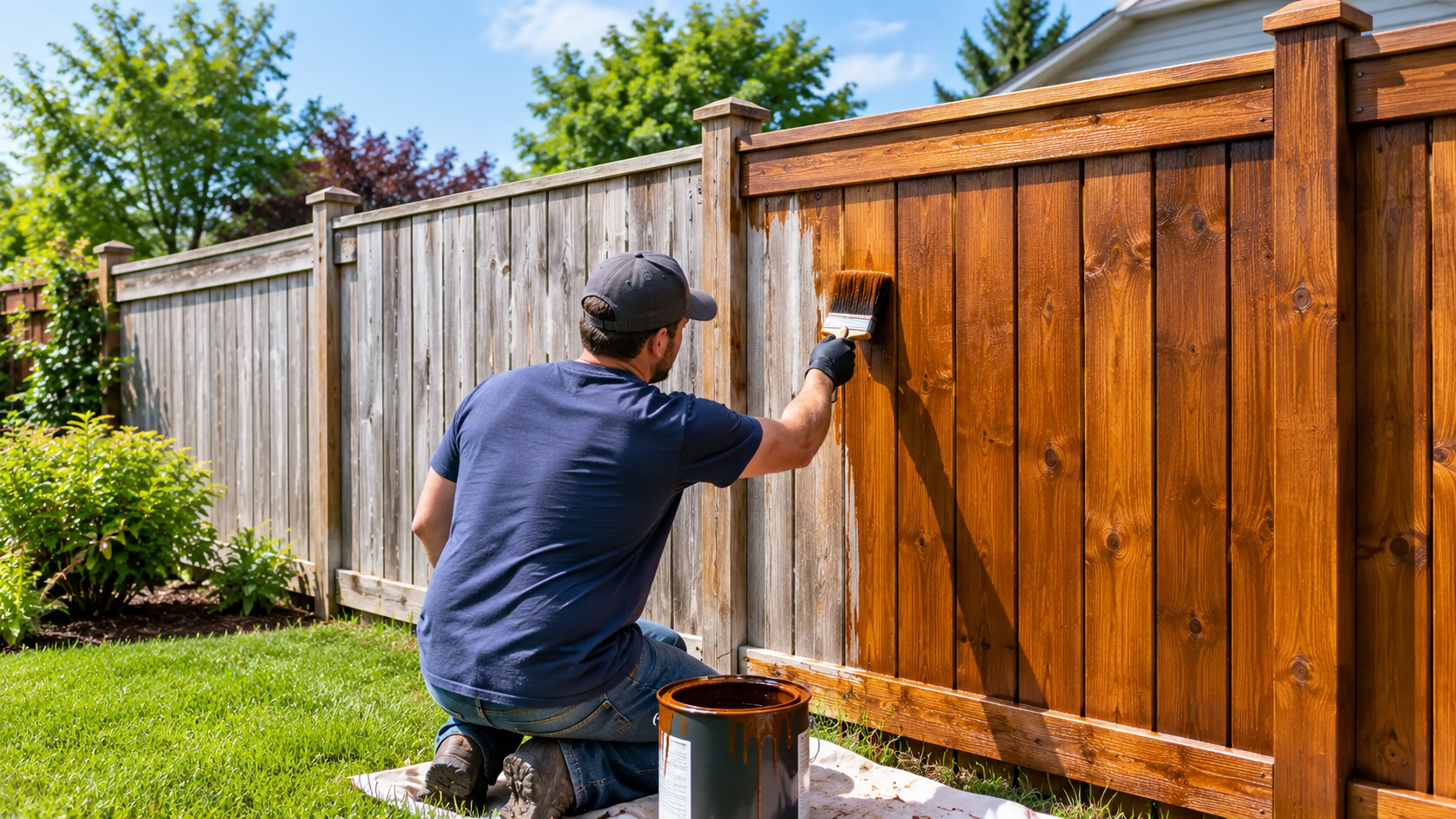
How long should I wait before painting or staining a new wood fence?
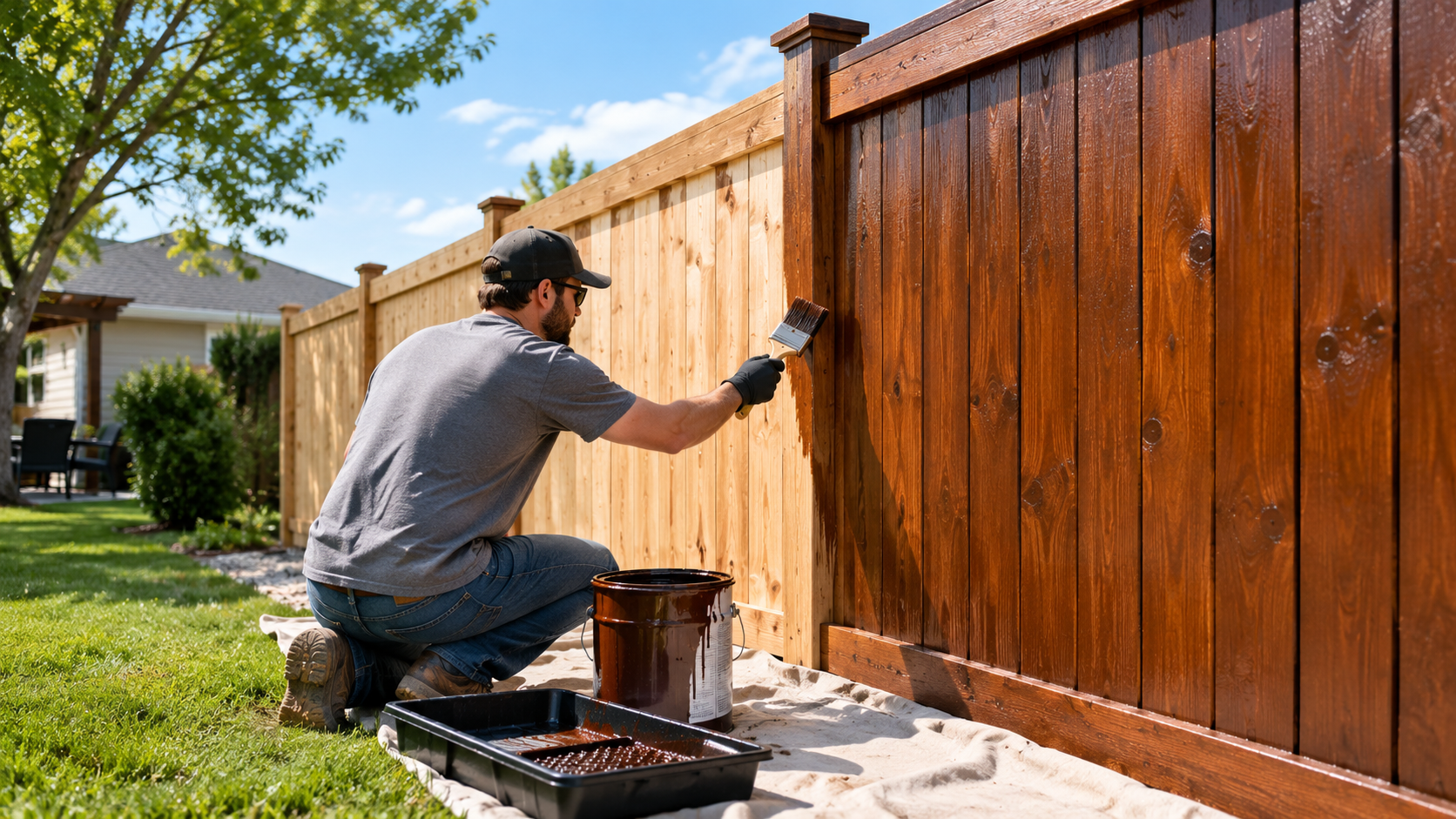
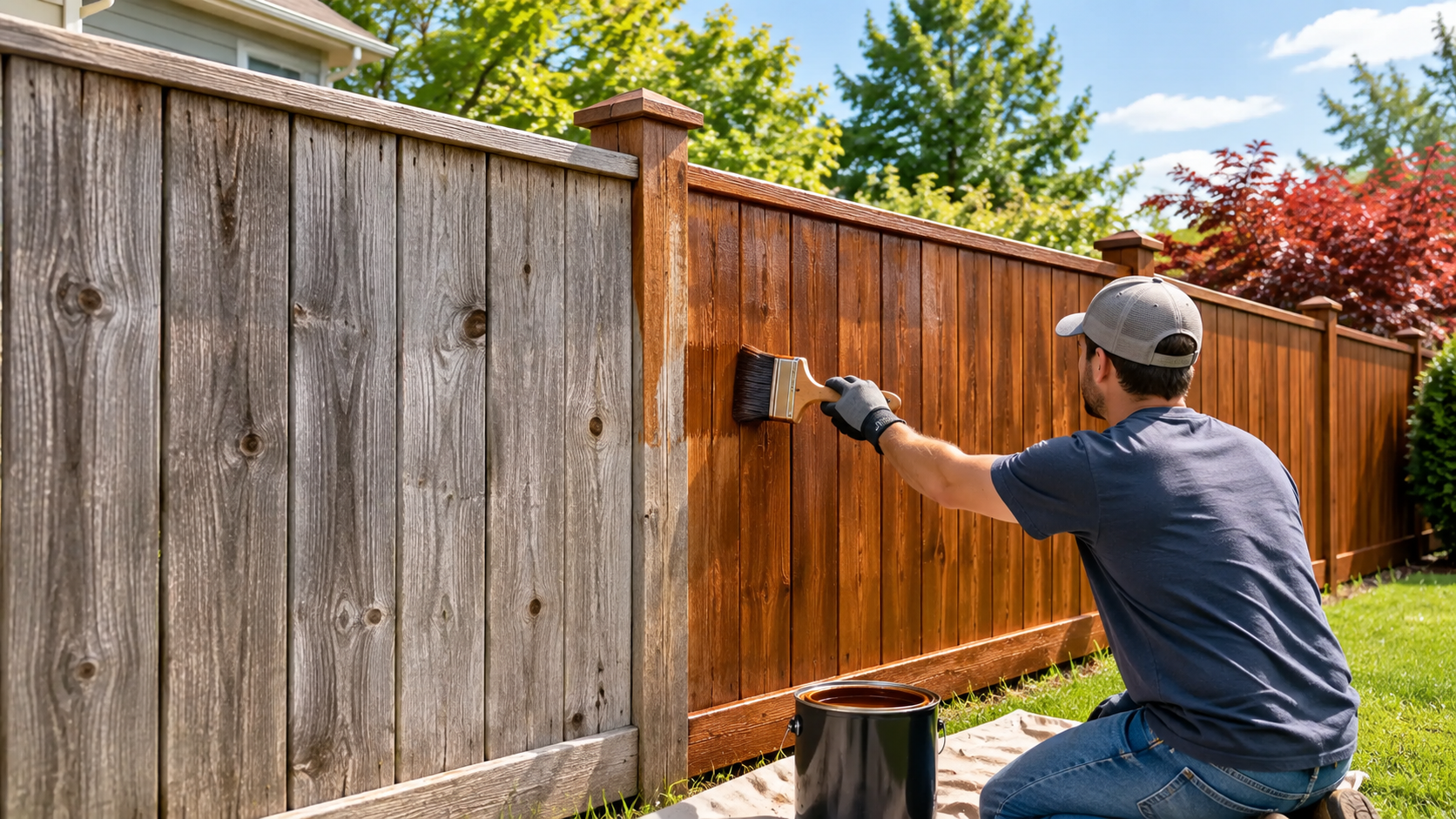
Pressure-treated wood needs to dry completely before you apply any stain or paint, which typically takes two to four weeks. If water beads up on the wood surface, it is still too wet to absorb the coating.
Ready to Build a Fence That Lasts a Lifetime?
Don’t risk your property’s security or your hard-earned money on a contractor who won’t stand behind their work. Your home deserves premium materials and craftsmanship that survive the seasons.
If you’re ready to get it done right the first time, we’re here to help. You don’t have to spend hours searching for the best fence installers near me; our local team proudly backs every single installation with an absolute lifetime guarantee. Click below to grab your free estimate.