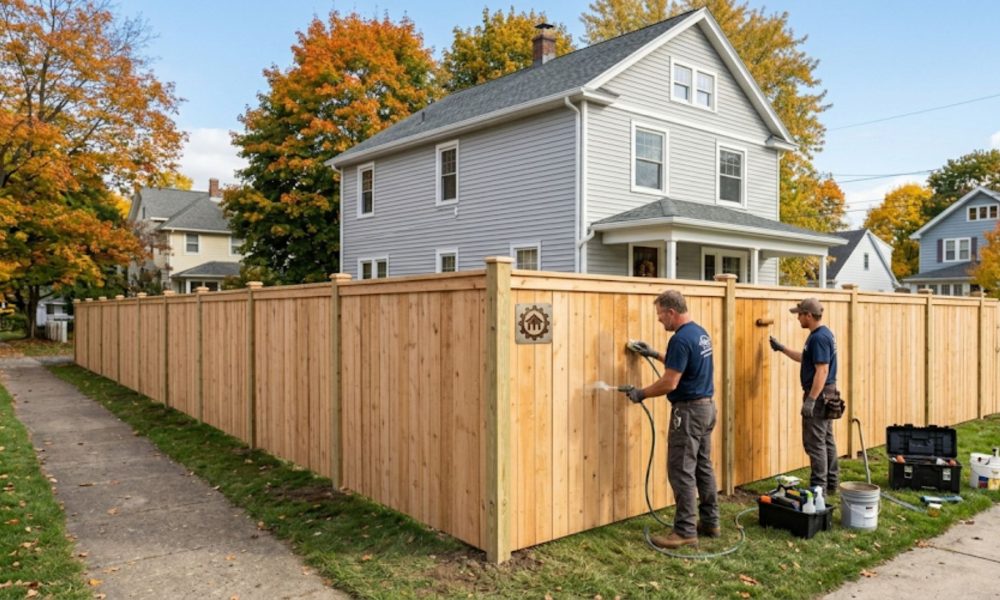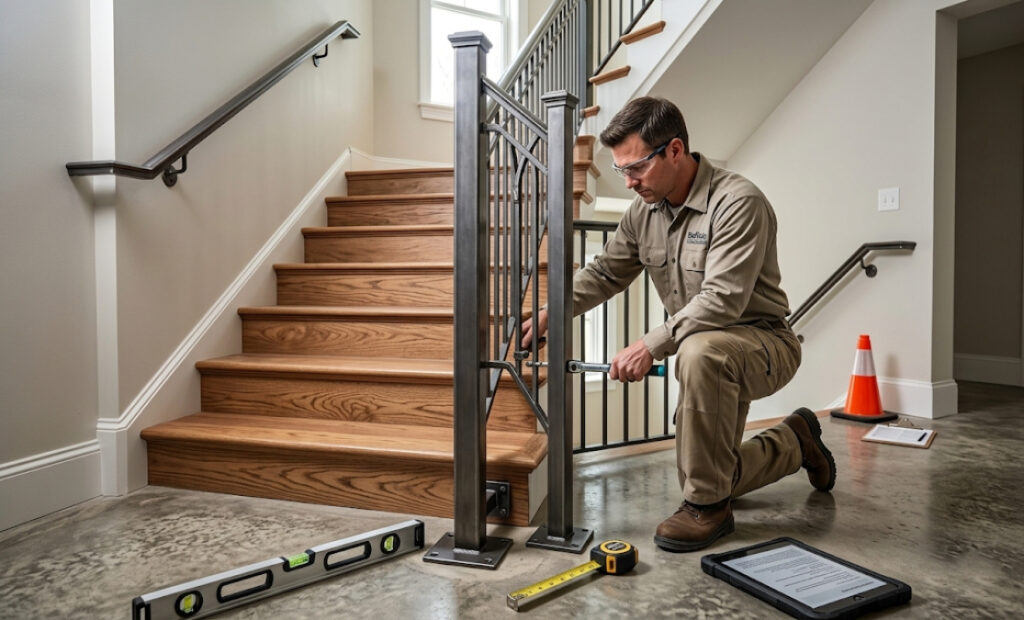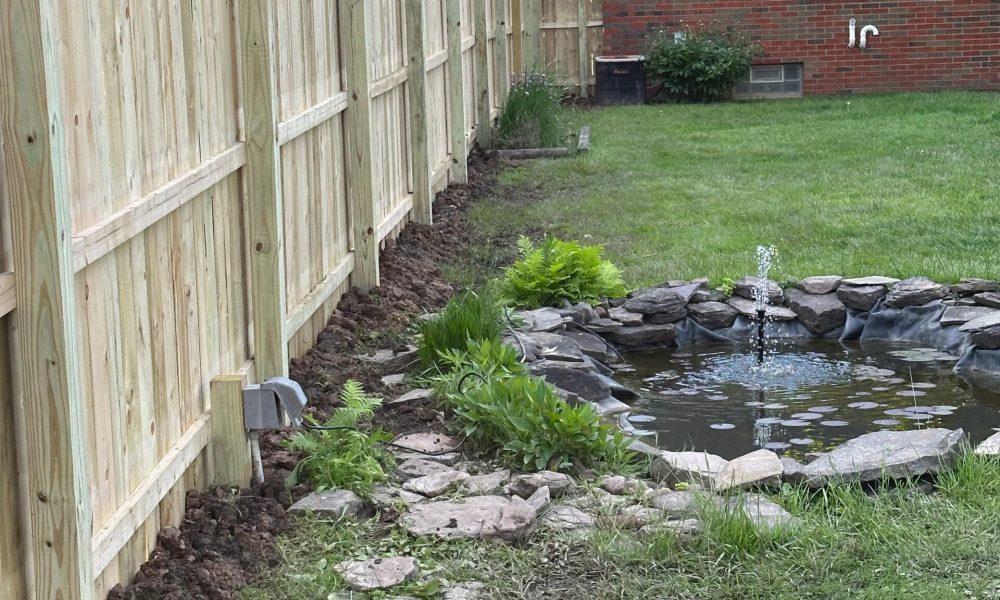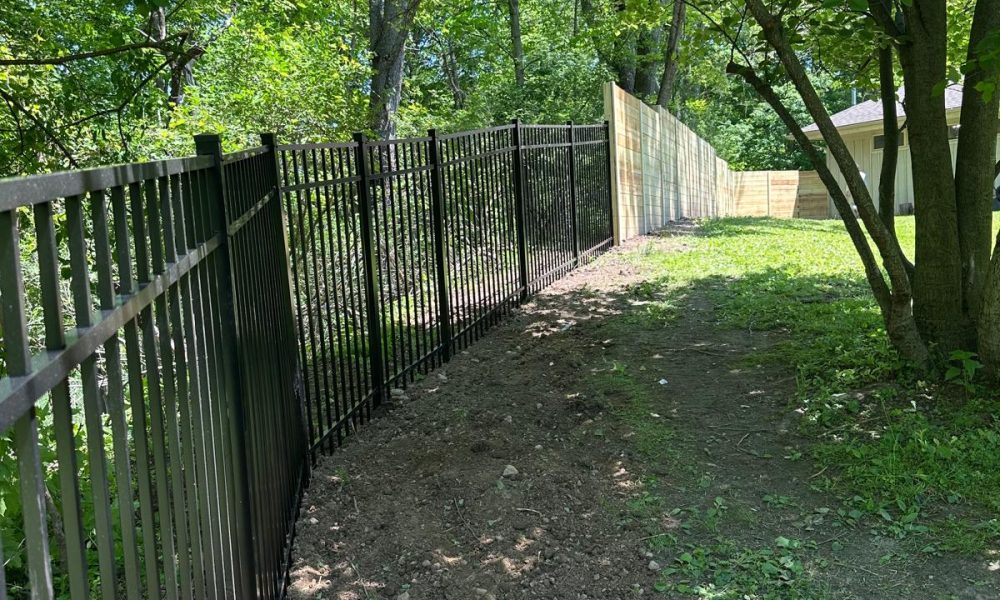
Most homeowners don’t think much about their gate until it starts dragging, the latch won’t catch, or the hinges have worked loose after a rough winter. A fence can look fine from the street, but the gate gets touched every day, so it’s usually the first thing to show wear.
If you’re searching for gate installation near me because your current gate sticks, sags, or doesn’t match the rest of your fence anymore, you’re not alone.
It’s one of the more common calls we get at All Pro Fence Buffalo, and it usually starts the same way: a homeowner standing in their side yard wondering why something this simple has become such a hassle.
Custom vs. Prefabricated Gates
A standard prefabricated gate works fine in a lot of situations. If your opening is a common width, the ground is level, and you’re matching a common fence style, a stock gate saves money and installs faster. There’s nothing wrong with going that route when the conditions line up.
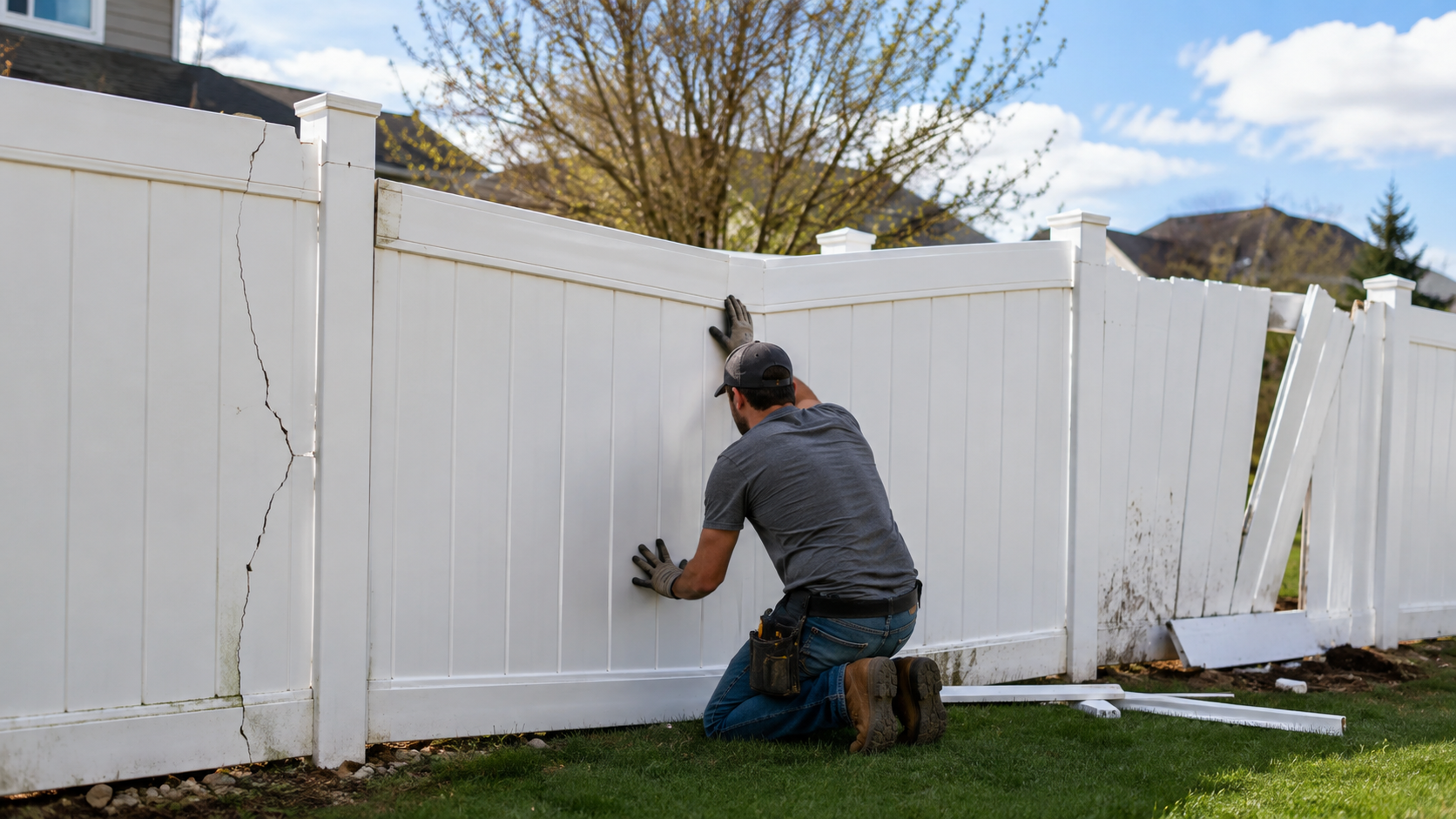
Custom gates come into play when the opening isn’t standard, when you want a specific design detail, or when the existing fence has settled over the years. That’s more common than people expect on older Buffalo properties, where a fence installed a decade or two ago has moved with frost and drainage.
A gate opening that looks square from a few feet away is often out of level by an inch or more once you get a level on it.
The differences go beyond size.
Materials, hardware capacity, and fit all change once you’re building to an actual field measurement instead of a catalog spec, which is part of why anyone comparing gate installation near me should expect a site visit before a firm quote.
Design Ideas by Fence Type
The gate should read as part of the fence, not something bolted on afterward.
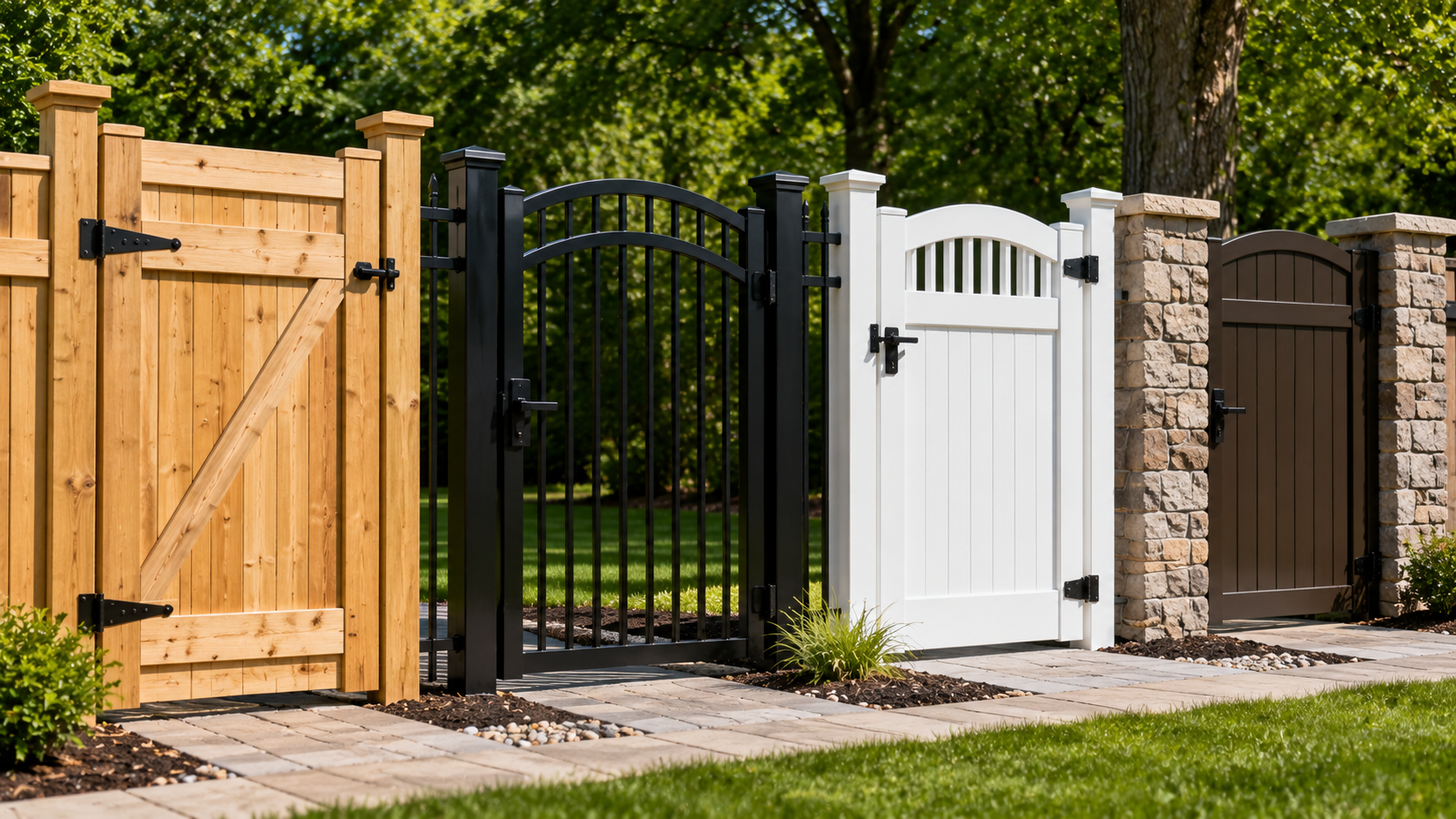
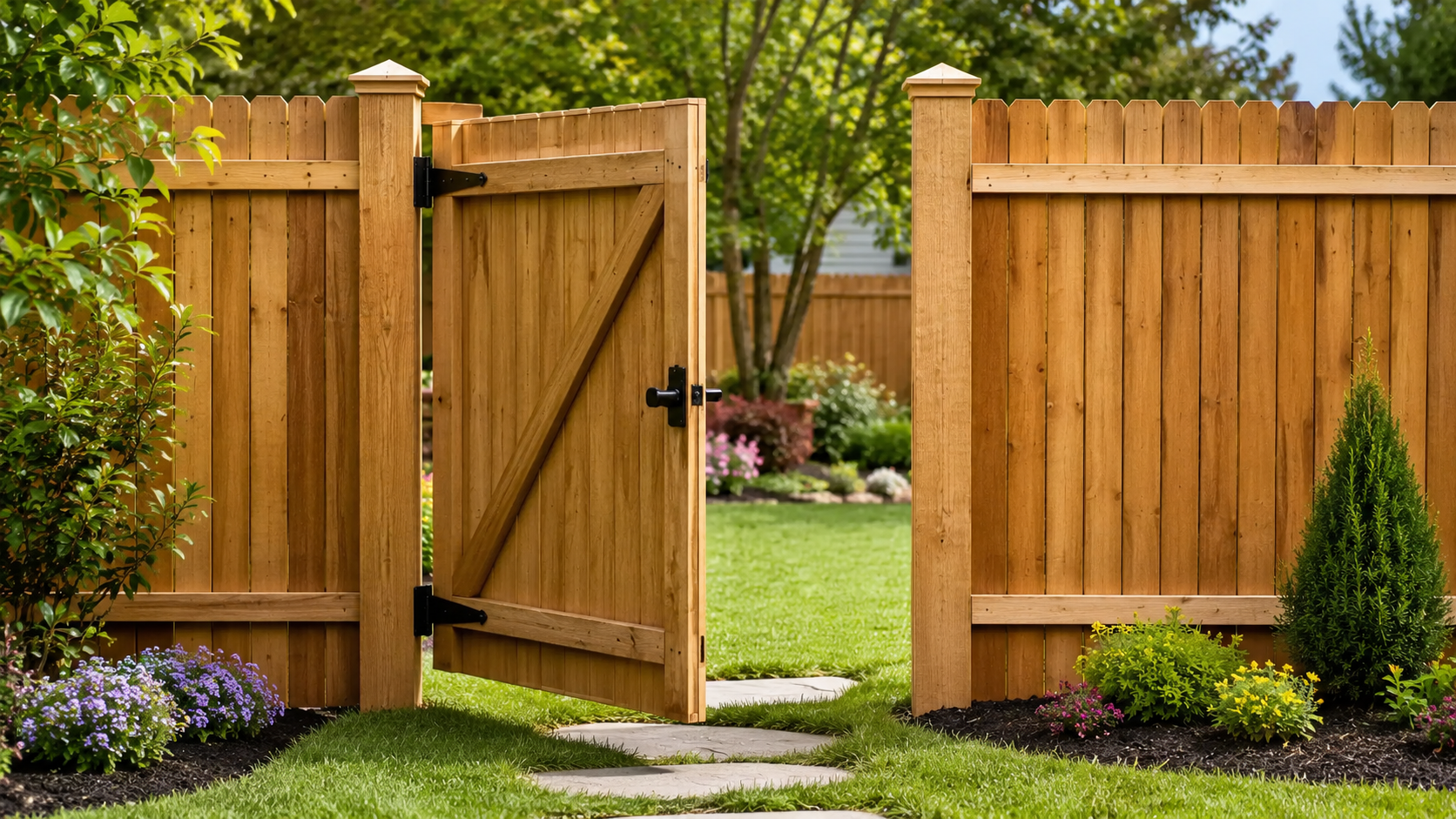
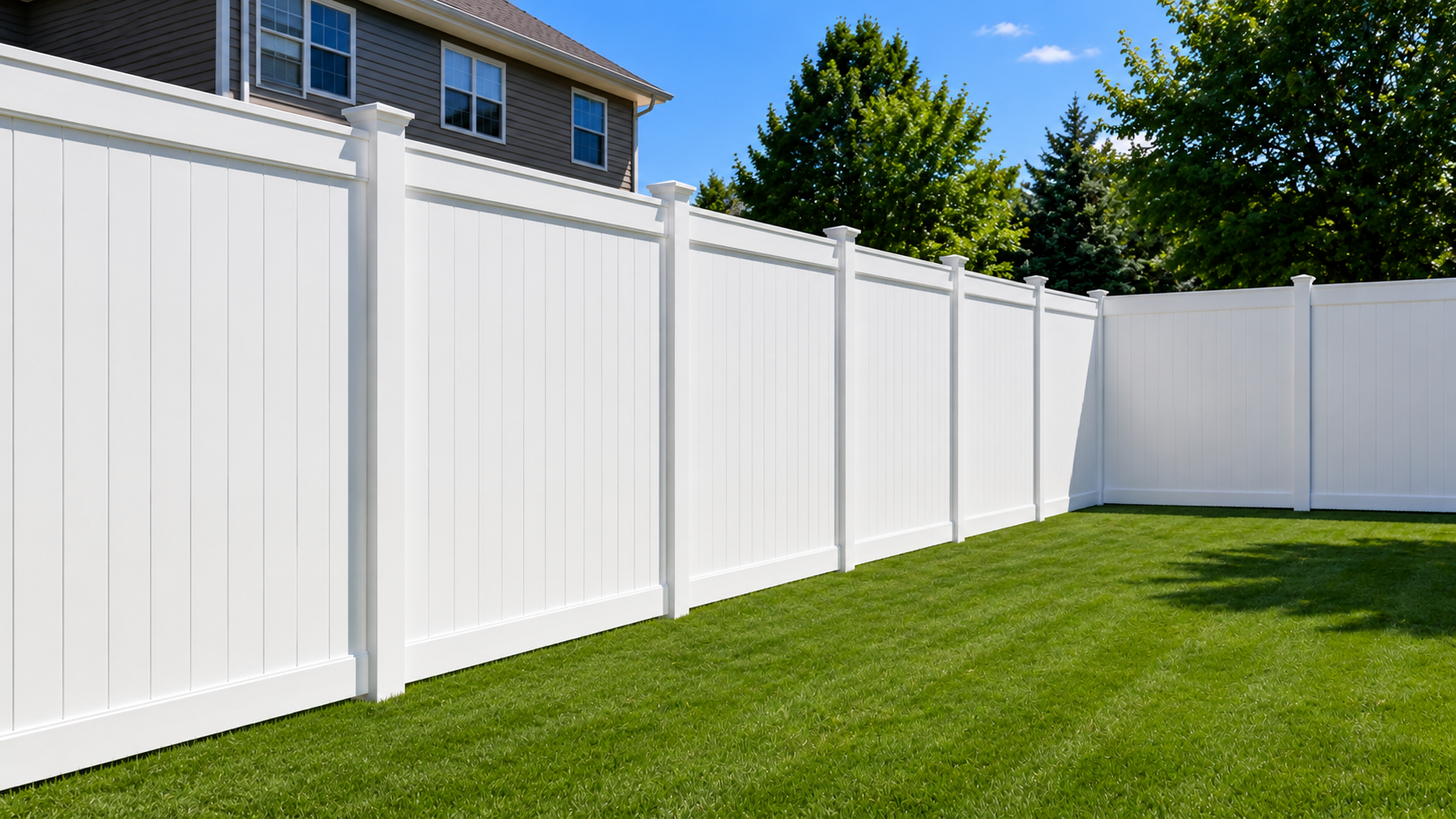
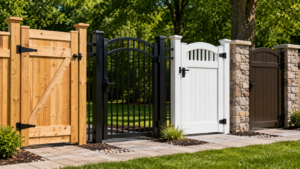
Wood fencing usually calls for a wood fence gate with matching picket spacing so the sightline stays consistent post to post, while a vinyl fence gate needs internal aluminum reinforcement to keep it from sagging, something that isn’t always obvious until a few seasons in.
Aluminum and ornamental metal fencing tend to be more forgiving, but an aluminum fence gate or ornamental metal gate still needs sizing to the actual post spacing, especially on older lots where posts weren’t set perfectly parallel.
Chain-link is the most flexible for matching, but a chain-link gate still needs a frame heavy enough to resist twisting on wider openings.
For privacy fencing, a privacy fence gate should match the board spacing and cap style, not just the height, since a mismatched gate stands out immediately.
On decorative residential fencing, a gate slightly too wide or narrow for the rest of the fence throws off the whole look, even when each panel looks fine on its own.
Ornamental and Decorative Gate Accents
Decorative touches really do improve how a gate looks, but they’re worth thinking through first.
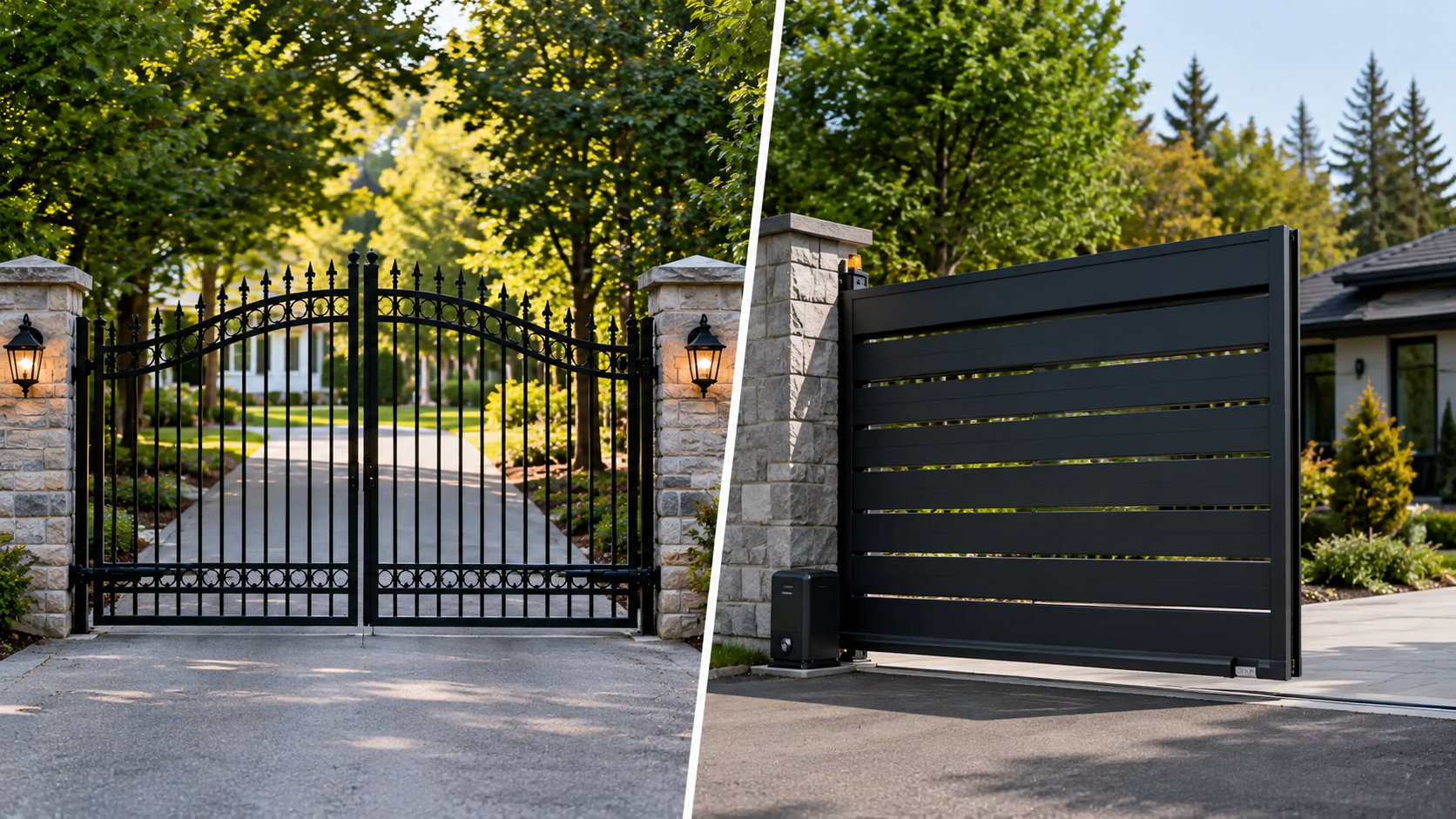
Arched tops, finials, scrollwork, and decorative rails add visual interest, and a custom fence gate with these details tends to become a focal point rather than a functional opening.
The tradeoff is maintenance and cost. Intricate scrollwork collects moisture in tight corners, which matters in a climate with this much freeze-thaw cycling. Cap styles and metal accents are usually low-maintenance, but anything with tight crevices should be weighed against upkeep.
A decorative gate doesn’t need to be elaborate to look intentional. Sometimes a clean arched top and matching post caps do more for the overall appearance than a heavily patterned design.
Gate Hardware Finishes and Durability
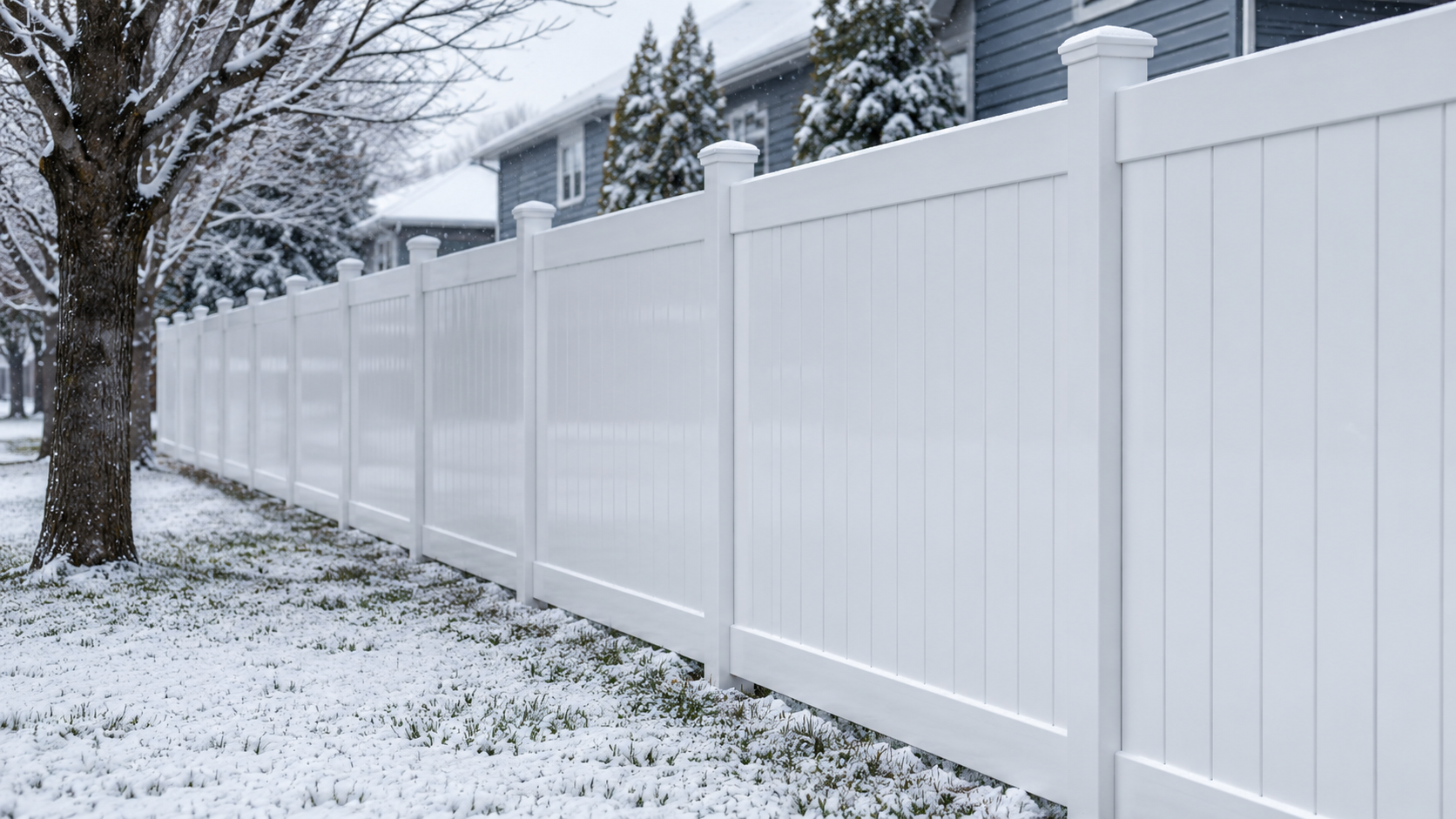
Hardware takes more abuse than people assume, and in Western New York it takes more than most places.
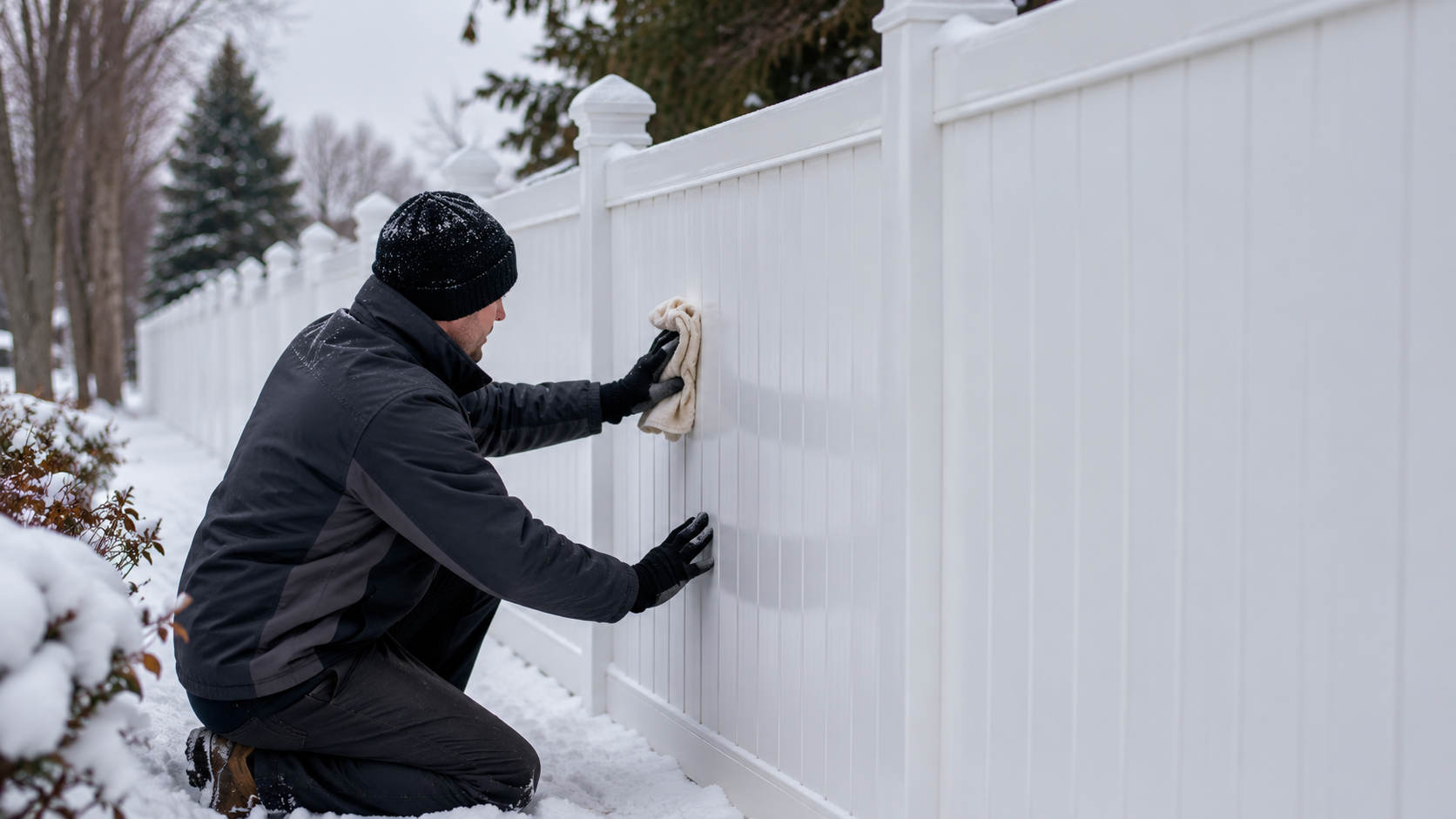
Hinges, latches, drop rods, bolts, handles, and locks are exposed to rain, snow, road salt, and repeated freeze-thaw movement every year. A gate can be built well and still function poorly if the gate hardware wasn’t chosen for the exposure it’s going to see.
Corrosion resistance matters more here than in a drier climate. Salt spray from winter roads settles on hardware near the street-facing side of a property, and cheaper finishes show pitting and rust within a season or two.
Better finishes cost more up front but hold up through repeated freeze-thaw cycles without seizing, so when gate hardware options are being compared, it helps to think in years of exposure rather than appearance on installation day.
This is one area where All Pro Fence Buffalo tends to push back on cutting corners, since a cheap hinge is rarely cheap by the second winter.
Locking and Security Options
Not every gate needs the same level of security.
Basic latches work fine for a side yard that’s mostly about keeping a gate from swinging open in the wind, while keyed locks and padlocks step things up for someone who wants more control over access.
Deadbolt-style locking systems make sense for a driveway gate or an entry point that needs to stay secured consistently, while privacy latches and child-resistant locking options serve a different purpose, focused on keeping kids or pets contained rather than keeping people out.
The right gate security setup depends on the actual priority, and someone worried about a toddler wandering toward the street needs something different than someone mainly concerned with a delivery gate being left open.
Smart Locks and Keypads
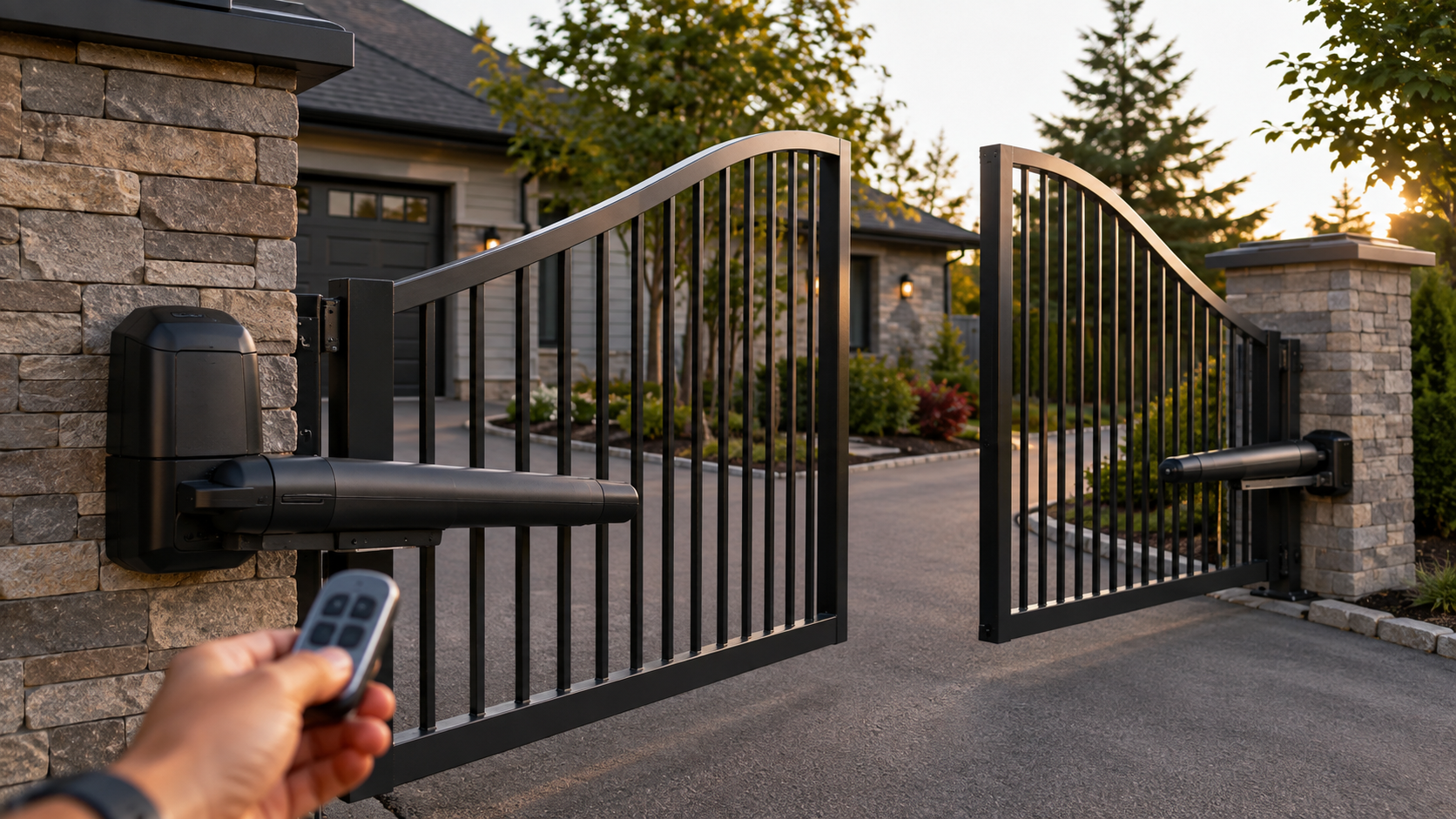
Keypad entry and smartphone-controlled locks have become a lot more common on residential gates in recent years. A keypad gate lock lets you set a code for guests or dog walkers without handing out a physical key, and a smart gate lock can often be managed remotely.
That convenience comes with real maintenance considerations.
Battery-powered systems need batteries checked before winter, not after a lock stops responding in freezing weather, and weather exposure affects electronic components more than mechanical ones.
It’s worth having a backup entry method, whether a physical key override or a secondary latch, since no electronic system should be the only way in or out.
Pet and Child Safety Features
Self-closing hinges and self-latching mechanisms do the most work for pet and child safety, and they’re worth prioritizing over decorative details if safety is the main concern.
Latch height matters too. A latch placed too low is within easy reach of a small child, while one placed higher is harder for a toddler but still usable for an adult.
Narrower picket spacing keeps smaller pets from squeezing through gaps, and avoiding footholds on the gate prevents a determined kid or dog from climbing over rather than going around.
Gate swing direction matters too, especially near a pool or driveway, since a gate that swings the wrong way can create a hazard even with good hardware. None of these features make a yard foolproof, but they reduce the chance of a gate being left open by accident.
Sizing Gates for Uneven Ground and Slopes
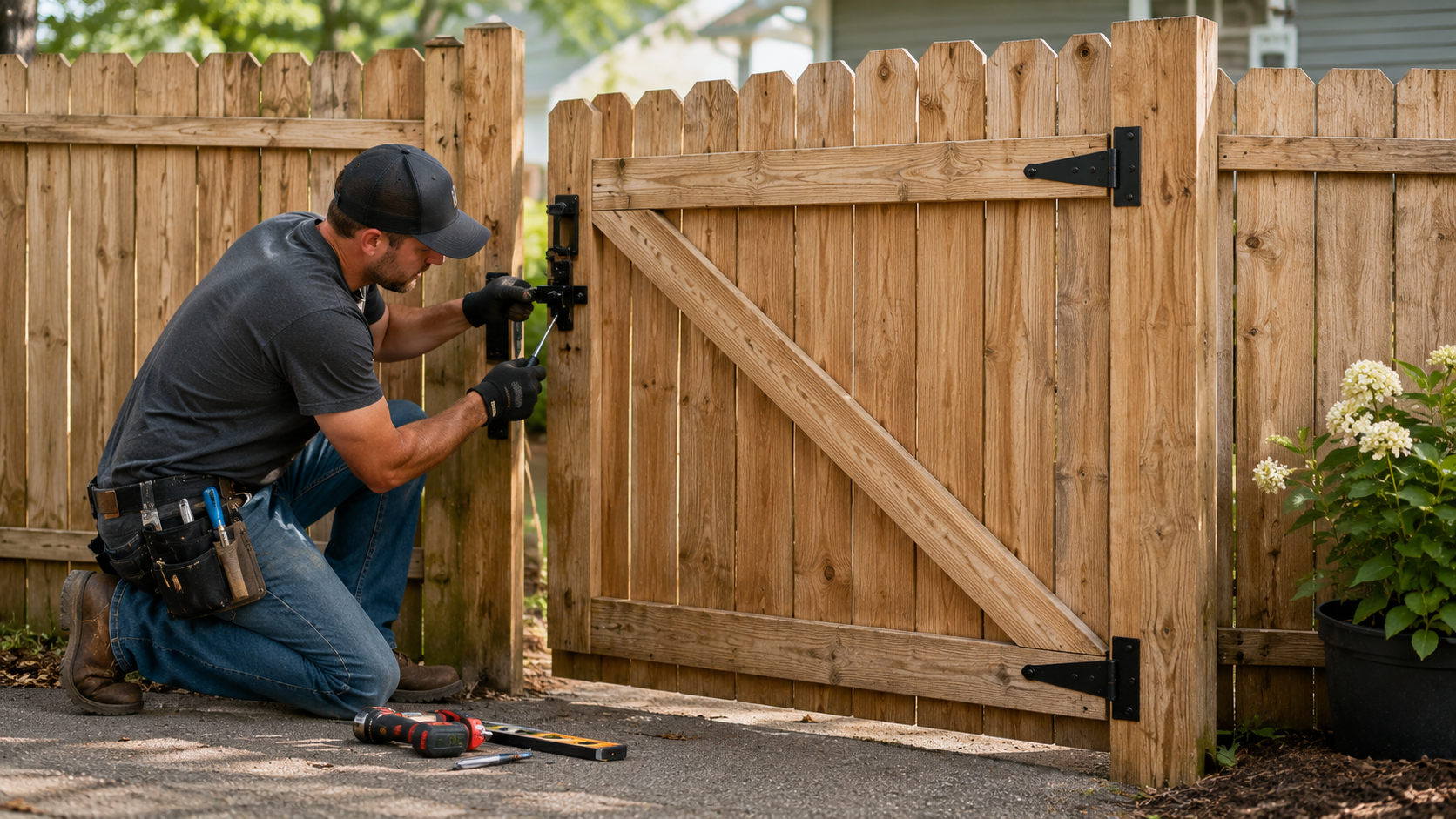
We’ve seen openings that measured perfectly in July become a different story after the first freeze. A post moves just enough, the latch shifts, and suddenly the homeowner is lifting the gate to get it closed. On a recent job, a two-inch slope across a four-foot opening meant re-engineering the hinge offset so the gate cleared the rising turf without leaving a gap for the dog.
This is where a lot of DIY gate projects run into trouble.
Measuring the opening width is the easy part. Accounting for slope, ground surface, and bottom clearance is where experience actually matters. A gate built to fit a level opening will drag on one side if the ground drops even slightly across the swing.
Hinge placement affects how the gate travels through its swing, and on a sloped opening, hinges sometimes need to sit slightly differently than on flat ground to keep consistent clearance top to bottom.
Gravel, grass, concrete, and pavers all behave differently underfoot, and a gate that clears grass comfortably might still catch on gravel that shifts over time.
Drainage plays a bigger role than most homeowners expect. An opening that holds water after rain will freeze in winter, and that ice can lift a post just enough to throw off a latch that worked fine in October.
This is why anyone evaluating gate installation near me should expect the installer to walk the opening and consider seasonal movement rather than just measure the gap and build to that number.
Custom Gate Lead Times
Custom gates take longer than pulling a standard size off a shelf, for a few real reasons.
Non-standard dimensions require fabrication rather than assembly from stock parts. Material availability varies by style and finish, and powder coating or other finishing work adds time on top of fabrication.
Decorative details like scrollwork or custom patterns take longer to produce than a plain panel, and hardware selection can add another step if you’re waiting on a specific lock or keypad system.
Spring and early summer tend to be busy for fence and gate work in this region, so a custom order placed during peak season may take longer than the same order placed in a slower month. None of this is unusual. It’s just the nature of building to a specific spec instead of pulling from inventory.
Cost of Custom Gates
Pricing on a custom gate depends on more variables than most people expect.
Material choice is the biggest factor, since wood, vinyl, aluminum, and ornamental metal all carry different base costs. Width and height matter too, since a wider or taller gate needs heavier framing to avoid sagging over time.
Custom fabrication and decorative elements add cost on top of the base gate, and so do posts if the existing ones can’t support the new gate’s weight. Hinges, latches, and locks vary widely in price, and a smart access system adds more.
Site conditions matter as well, since removing an existing gate, pouring new concrete for posts, or correcting a slope or drainage issue all add labor beyond the gate itself.
Because of these variables, actual pricing depends on the specific combination of materials, dimensions, hardware, and site conditions rather than a flat number.
Choosing the Right Gate
The right gate comes down to matching the fence it’s attached to, choosing hardware that can handle Western New York winters, and being honest about what the ground and opening actually look like rather than what they look like from a distance.
A custom gate isn’t automatically better than a standard one, and a standard gate isn’t automatically good enough for every situation. It depends on the opening, the fence, and what you need the gate to do.
If you’re comparing options or trying to figure out what gate installation near me actually involves before committing to a project, it usually comes down to someone walking the site and matching the gate to the fence rather than guessing from a photo.
That’s the part that’s easy to skip and the part that ends up mattering most once the gate is in daily use. All Pro Fence Buffalo has walked enough of these openings to know that the gate that looks right on paper isn’t always the one that works right in the yard.
FAQs
How do I choose the right gate for my existing fence?
Start with the fence material and style, then match height, spacing, and post proportions. Older fences may have shifted over time, so field measurements matter more than assuming the original dimensions still apply.
Is a custom fence gate worth the extra cost?
It depends on the opening. If dimensions are standard and the fence is level, a prefabricated gate often works fine. Custom makes sense for irregular openings, specific design details, or older fences that settled unevenly.
Can a walk gate be installed on a sloped yard?
Yes, but it requires evaluating the slope, hinge placement, and ground surface before sizing the gate. A gate built without accounting for slope often drags or leaves an inconsistent gap along the bottom edge.
What gate hardware is best for Buffalo winters?
Corrosion-resistant hardware rated for repeated freeze-thaw exposure holds up best. Salt, moisture, and temperature swings wear down lower-grade finishes quickly, so hinges, latches, and locks should be chosen with winter exposure in mind.
In near this section- Sizing Gates for Uneven Ground and Slopes add a real word example like below. Use contractor voice, 40 words
We’ve seen openings that measured perfectly in July become a different story after the first freeze. A post moves just enough, the latch shifts, and suddenly the homeowner is lifting the gate to get it closed.