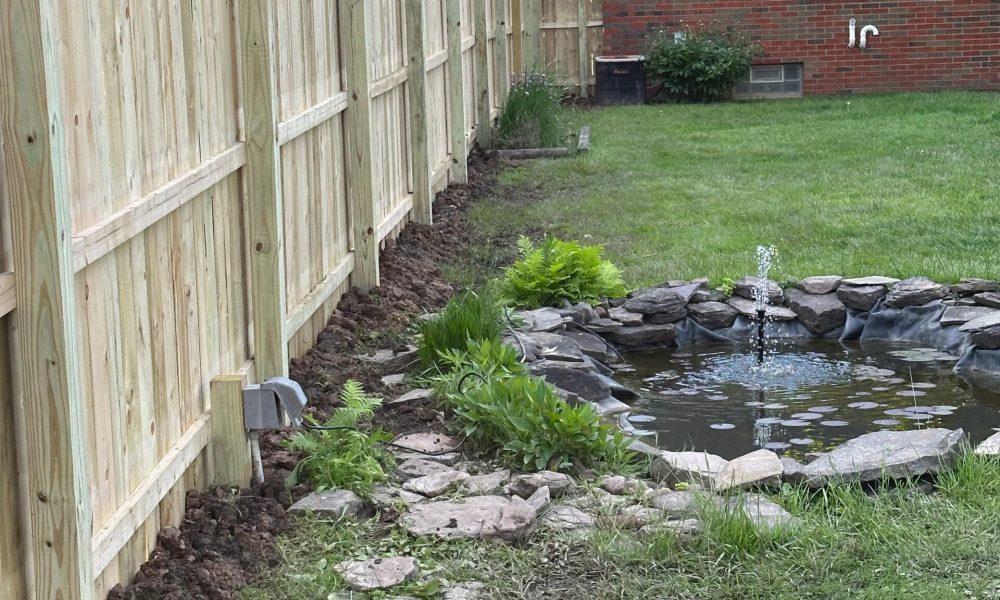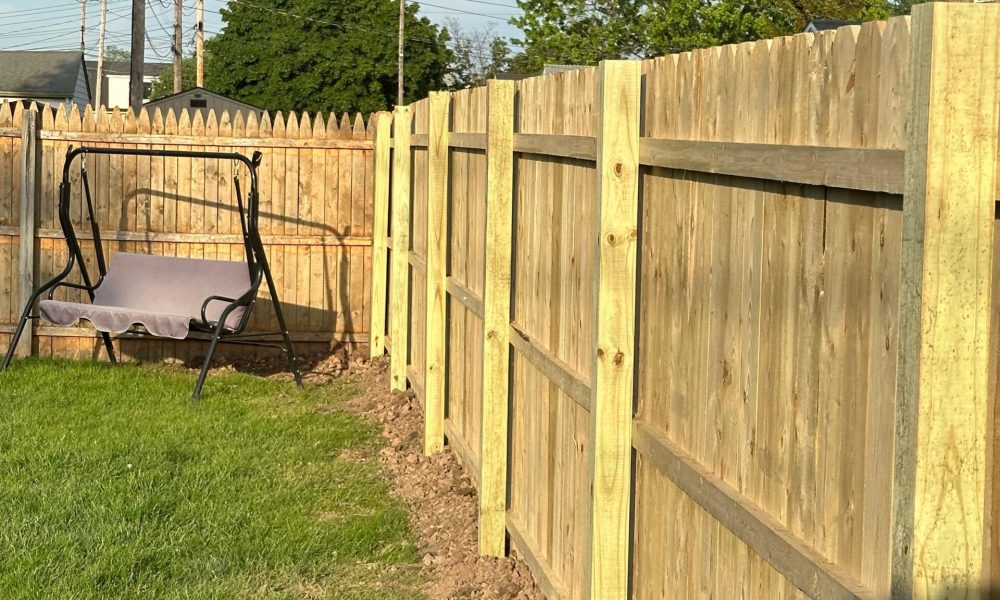
If you own a wooden fence anywhere in Erie County, you already know our weather does not play soft. We get slammed by lake-effect snowstorms that leave three feet of heavy drifts piled right against your lower pickets for months.
Then comes spring, bringing constant dampness, ground moisture, and freeze-thaw cycles that force wood fibers apart. By July, the sun beats down with fierce ultraviolet radiation that bakes out essential wood oils.
Over years of building, repairing, and finishing local structures, we have seen perfectly good cedar and pressure-treated pine deteriorate prematurely simply because they were finished with the wrong product. Choosing the right exterior protective coating is not just about visual appeal; it is a structural necessity to prevent rot, warping, and costly board replacements.
1. Oil-Based vs. Water-Based Stains: What Works Best Here?
When homeowners look into getting professional care or start searching online for fence staining near me, the very first choice they encounter is the core vehicle of the product: oil or water.
Oil-based formulations (typically featuring alkyd or natural linseed oil bases) penetrate deep into the cellular structure of raw lumber. They saturate the wood fibers, effectively repelling liquid moisture from within. In cold climates like Buffalo, this deep penetration provides exceptional defense against moisture freeze expansion.
When water gets into wood pores and freezes, it expands by roughly nine percent, tearing wood cells apart. Oil seals those deep pores. However, traditional oils dry slower and can be prone to mildew growth if left uncoated in heavy shade.
Water-based acrylic sealers, on the other hand, sit closer to the surface, forming a flexible protective film topcoat. Modern high-end acrylics have come a long way. They resist UV fading exceptionally well, dry quickly, and cleanup requires only soap and water.
However, if water gets behind an acrylic film through a nail hole or crack, it can trap moisture against the wood, causing peeling or blistering during winter frost.
For maximum durability on local properties, heavy-penetrating oil or hybrid acrylic-oil formulations usually offer superior long-term survival.
2. Top Sealer Types for Cold Climates
Winter in Western New York tests exterior wood finishes to their ultimate limits. The ideal fence sealer for winter protection must handle two distinct threats: extreme moisture absorption and thermal movement.
Clear sealers offer a completely natural look, but they contain minimal pigment. Consequently, they provide shorter defense windows (often requiring reapplication every 12 to 18 months).
Semi-transparent sealers contain synthetic resins combined with fine pigments that shield wood while preserving natural grain patterns. Penetrating resin sealers remain our top recommendation for local yards.
Rather than forming a rigid shell on top of the wood that snaps during zero-degree nights, penetrating resins flex alongside natural expansion and contraction.
3. UV Inhibitors and Why They Matter
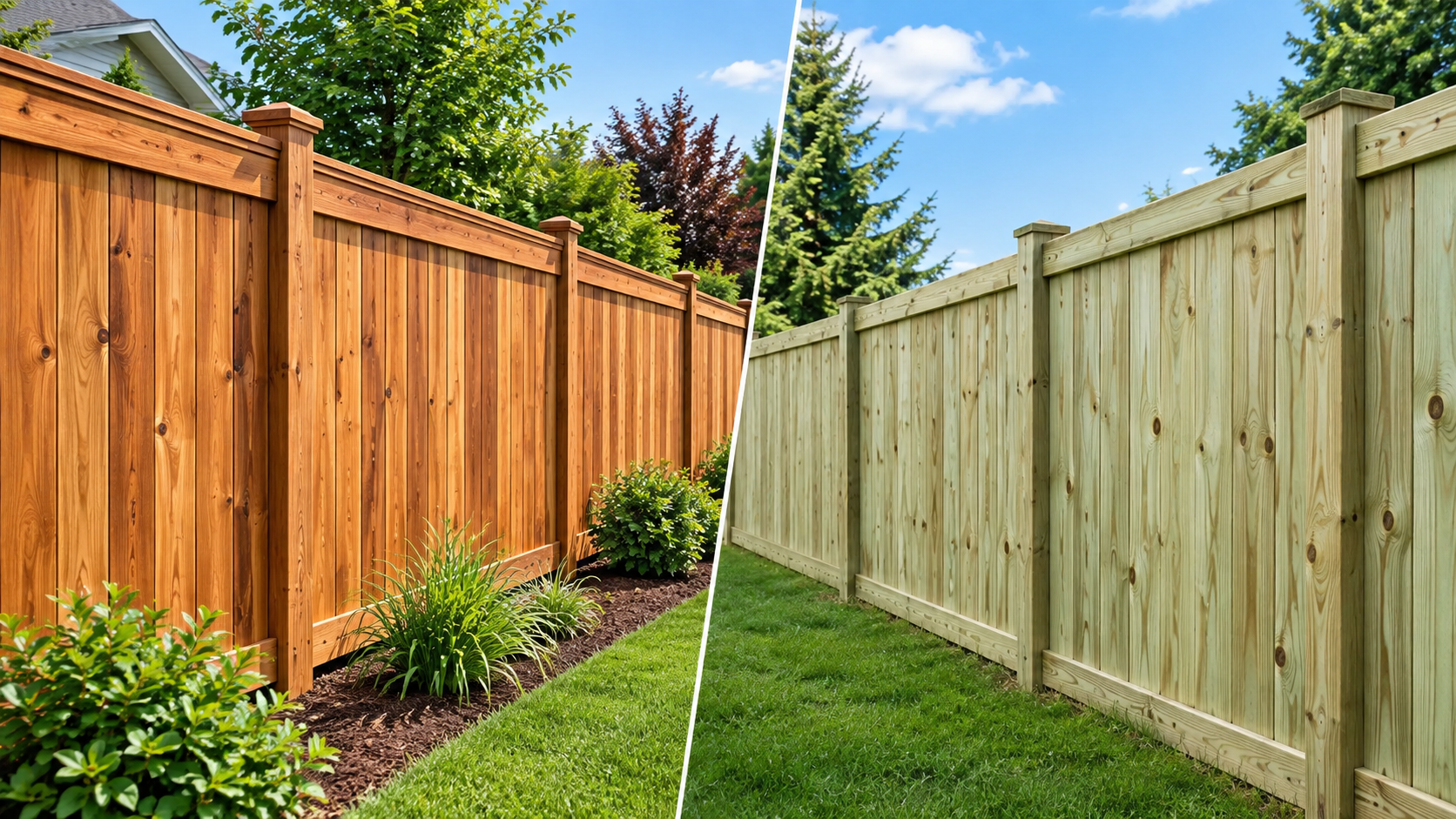
Most property owners assume that winter snow is the primary enemy of exterior lumber. In reality, summer sunlight inflicts equal damage. Raw UV rays break down lignin, the organic glue holding wood fibers together. Once lignin degrades, the wood turns a dull grey color and becomes soft, porous, and prone to absorbing spring rain.
Rather than forming a rigid shell on top of the wood that snaps during zero-degree nights. Exterior lumber
High-grade finishes incorporate advanced UV fence protection through trans-oxide pigments and chemical UV absorbers.
Trans-oxide pigments are finely ground minerals that reflect ultraviolet light away from the surface while retaining clear transparency. Think of it as heavy-duty sunscreen for your backyard boundary.
Without robust UV-blocking agents, even the thickest waterproof coating will fail as the underlying wood surface breaks down beneath it.
Always clear deep snow banks away from the bottom 6 inches of your fence pickets during long winter stretches if possible. Persistent ground-level snowpacks create a continuous soak cycle during minor thaws, accelerating lower rail rot regardless of stain quality.
4. Mildew and Mold Resistance
Spring melt combined with shade from mature trees creates the perfect breeding ground for organic growth. Dark green or black spots on north-facing fence lines are classic signs of mildew and algae colonization.
When searching online for the best fence stain, make sure to look specifically for active mildewcides and fungicides blended into the formula.
Cheap finishes often lack sufficient biocide additives, meaning spores feed directly on natural oils present in the stain. High-performance formulas keep mildew from taking root, ensuring your wood remains clean, bright, and rot-free throughout wet autumns and damp springs.
5. Opacity Levels and Color Choices
Selecting opacity involves balancing aesthetics with long-term maintenance requirements:
Clear Toners: Highlights original grain perfectly. Offers minimal pigment protection and requires frequent reapplication.
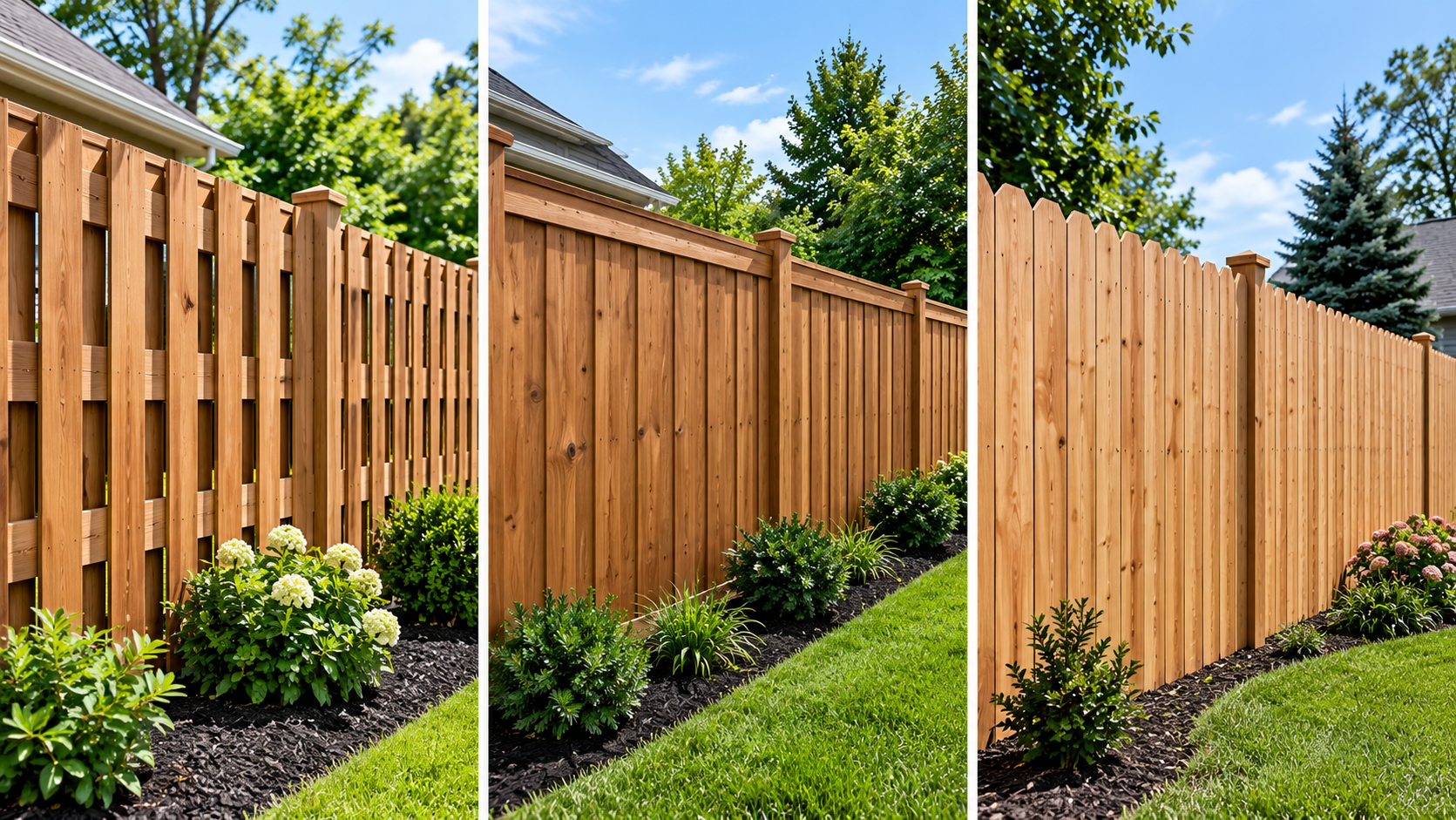
Semi-Transparent: Adds warm-toned color variations while letting natural grain and knots show through. Excellent balance of beauty and UV defense (2-3 year lifespan).
Semi-Solid: Hides minor wood blemishes while allowing light texture to show. Higher pigment content equals longer cold-weather endurance (3-4-year lifespan).
Solid Stains: Look similar to paint, covering natural wood grain entirely while leaving surface texture intact. Provides maximum UV and moisture blocking (5+ years), but can chip if wood expands rapidly.
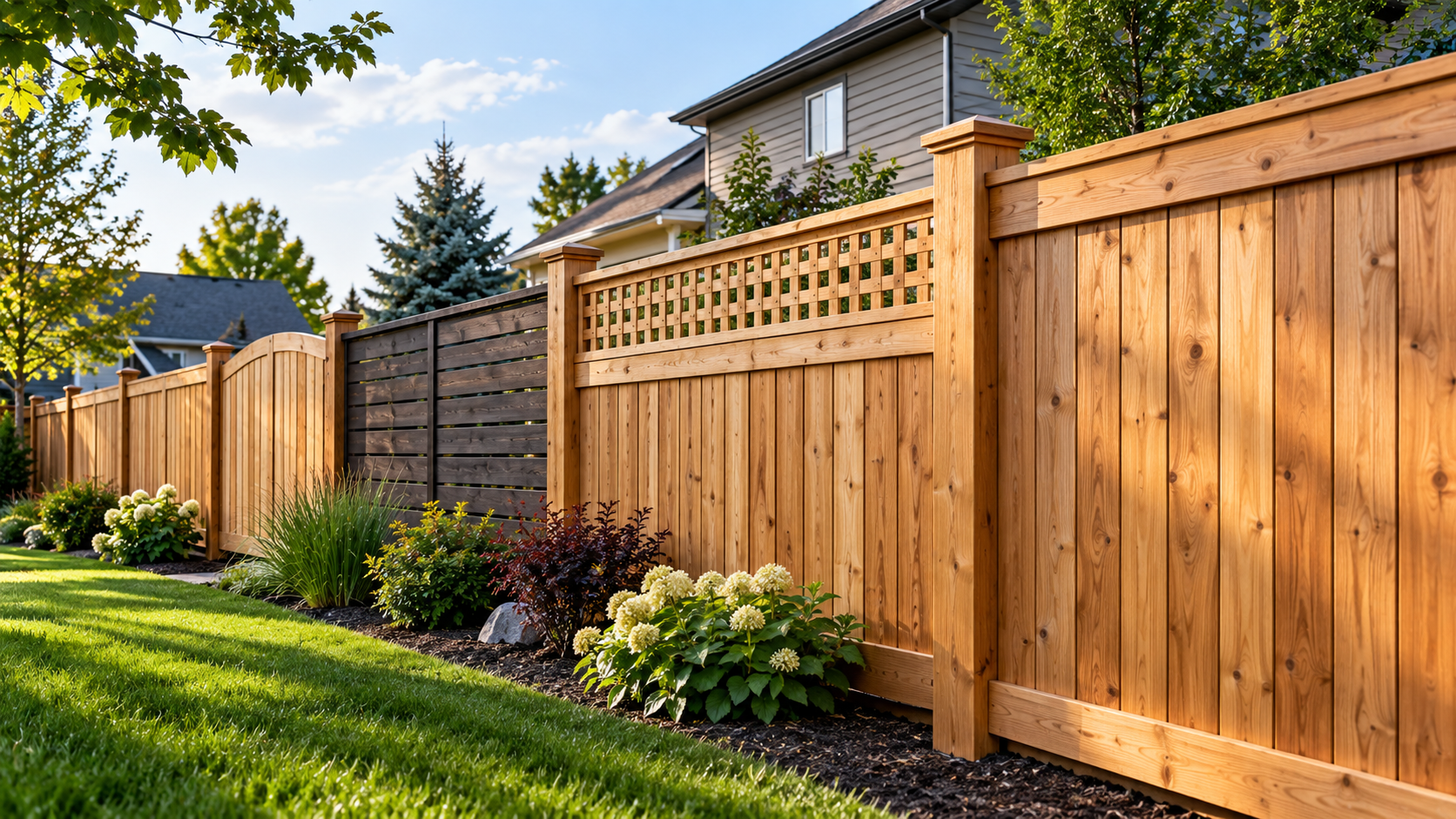
For most regional homeowners, semi-transparent or semi-solid stains in warm cedar, natural redwood, or rich walnut offer the ideal balance between raw natural beauty and rugged weather protection.
Solid stain: Looks similar to paint, provides maximum UV and moisture blocking but can chip if wood expands rapidly.
Solid stains: Hide minor wood blemishes while allowing light texture to show. Higher pigment content equals longer-lasting protection.
6. Products for Cedar vs. Pressure-Treated Pine
Not all wood species take stain the same way. Matching your coating to your lumber type is critical:
Western Red Cedar
Cedar contains natural tannic acids that make it naturally resistant to rot. However, cedar fibers are dense and rich in natural oils. Applying thick, non-penetrating coatings over unseasoned cedar can result in peeling. Use deep-penetrating oil finishes designed specifically for cedar to lock in structural stability without trapping internal moisture.
Pressure-Treated Pine (PTP)
New pressure-treated wood is injected with liquid preservatives under high pressure. It arrives wet from the lumber yard. If you apply stain immediately, the wood will reject it entirely.
Pressure-treated structures must dry out, often requiring 3 to 6 months of sunny weather, until moisture levels drop below 15% before coating. Once dry, oil or hybrid water-based finishes coat PTP exceptionally well.
7. Application Tools and Temperature Limits
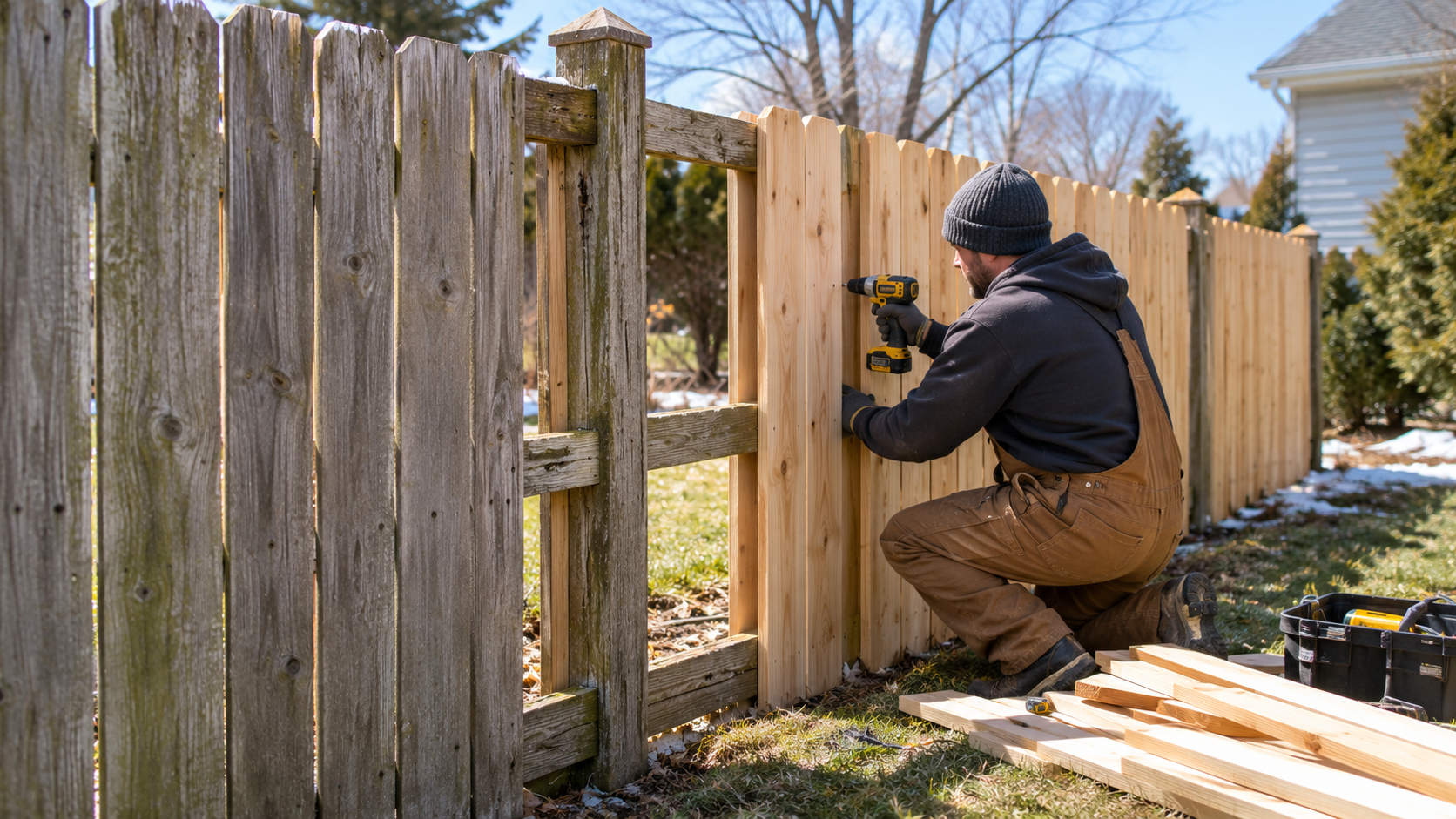
Applying stain requires careful timing and appropriate equipment. When property owners search for reliable fence staining near me, timing is one of the biggest factors we discuss.
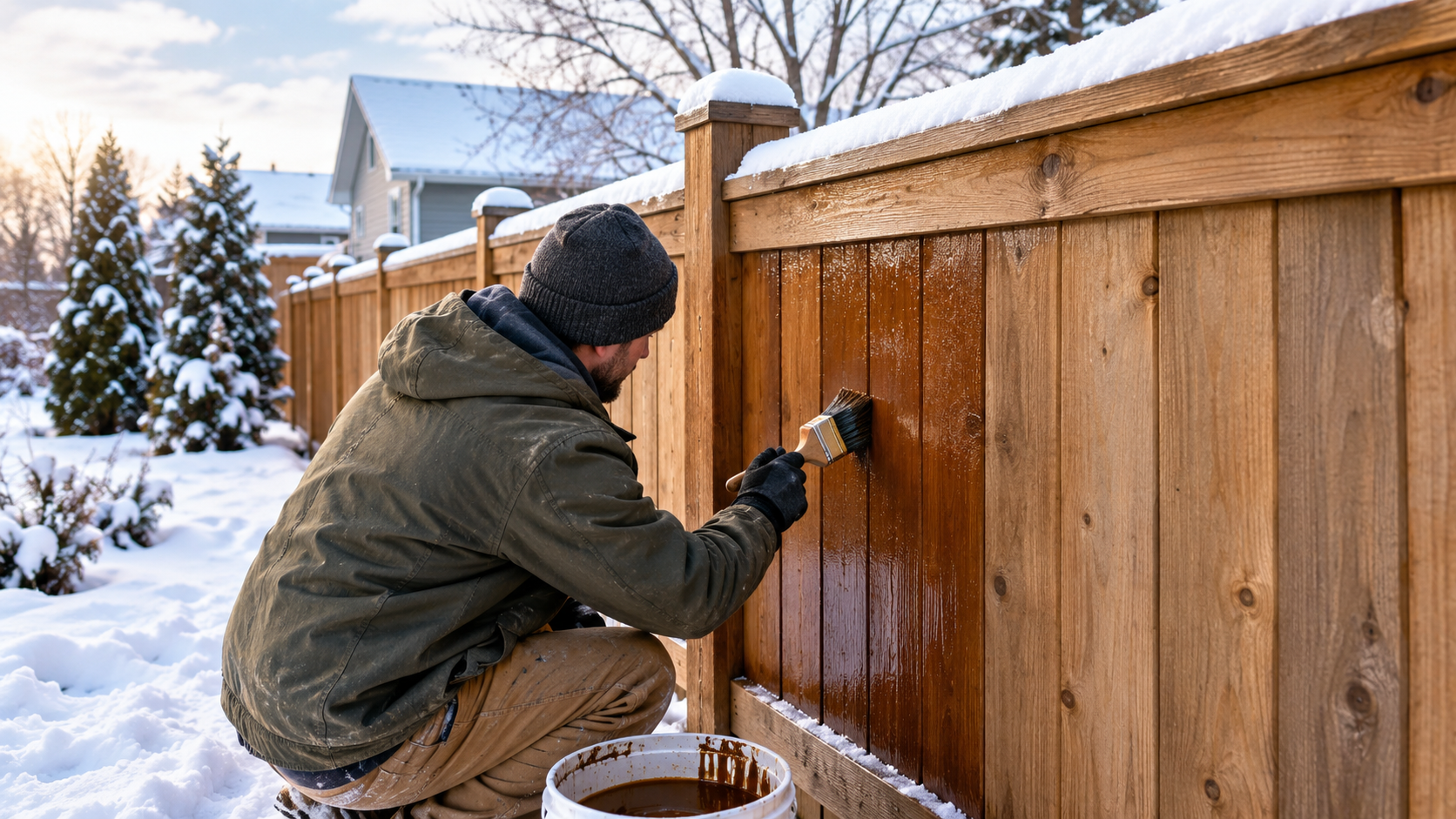
The standard rule of thumb for exterior staining in Western New York is simple: night temperatures must stay consistently above 50°F (10°C) for at least 24 to 48 hours during application and curing.
Applying stain when morning dew lingers or when overnight temperatures drop below 45°F disrupts chemical cross-linking. The stain fails to dry properly, remaining sticky and washing off during the next rainstorm.
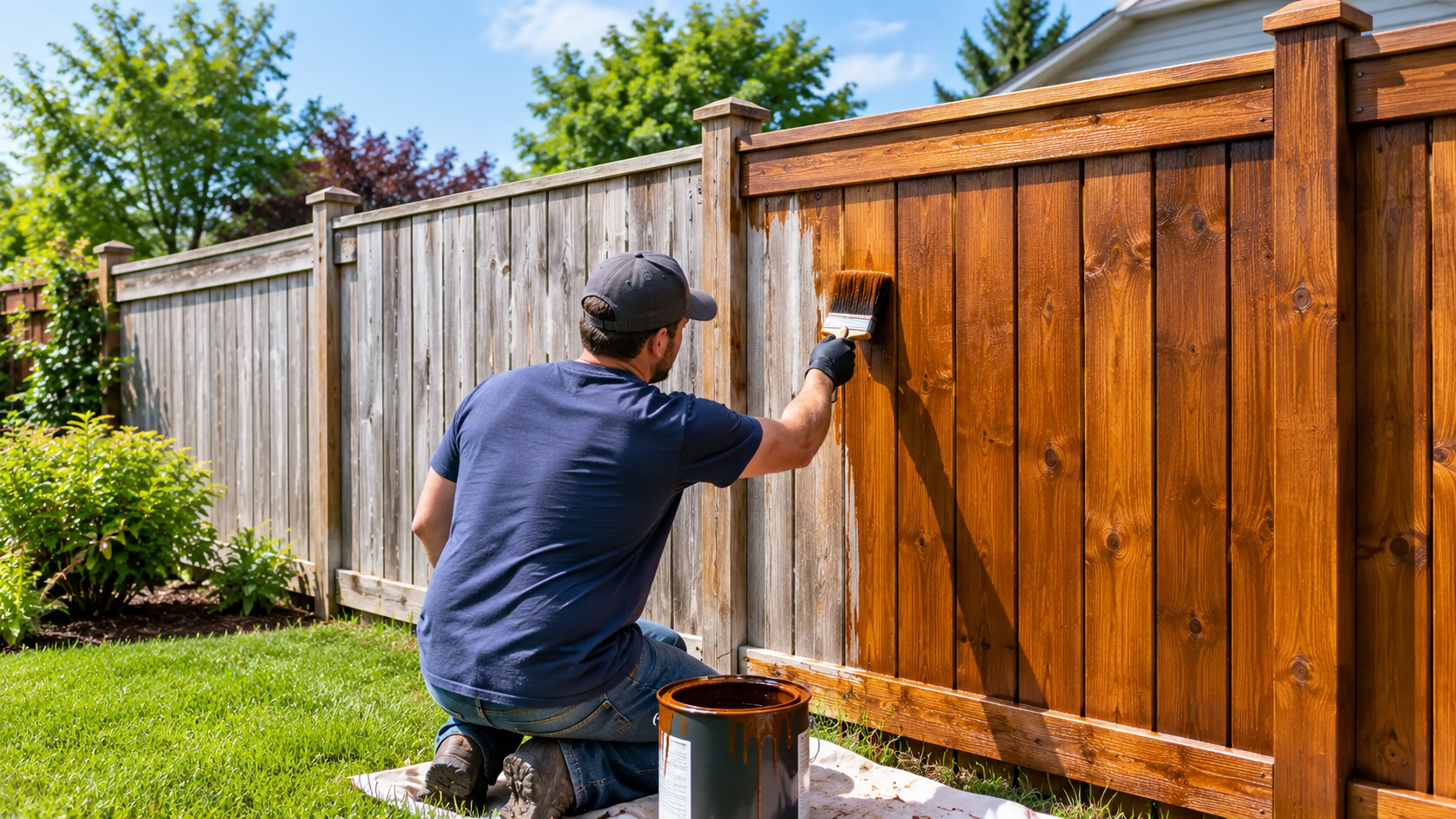
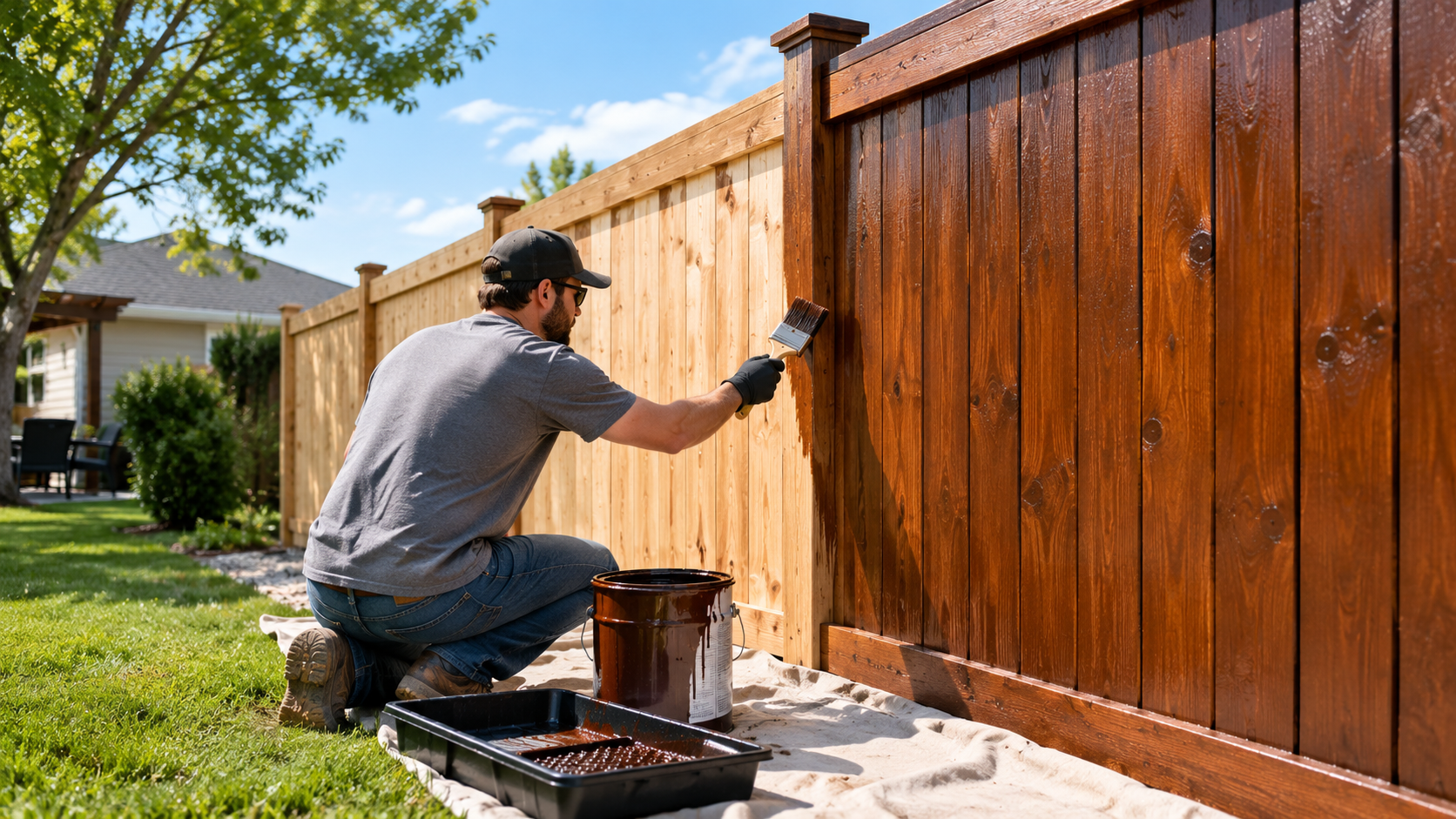
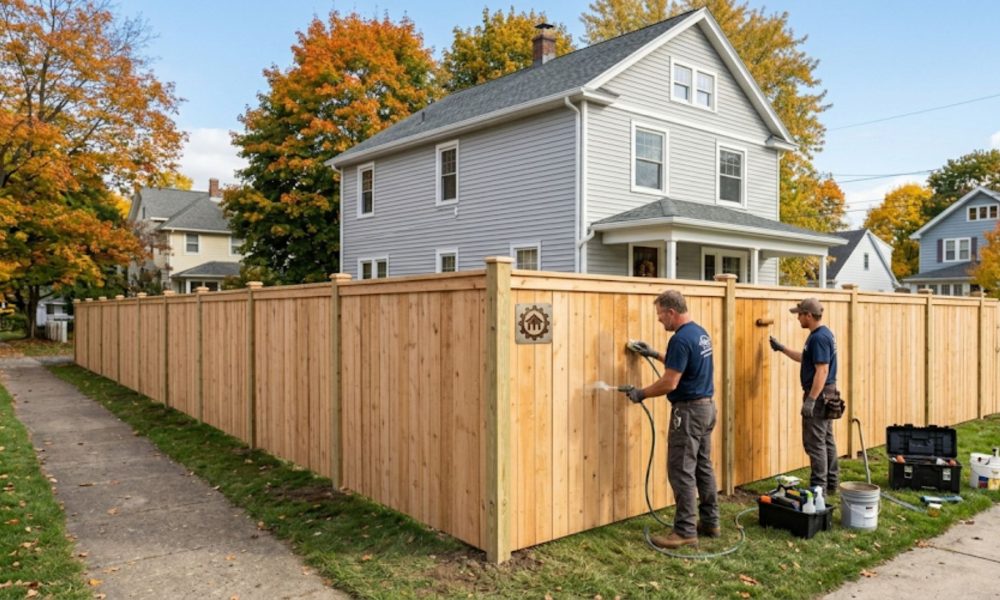
For application, combine airless spraying with back-brushing. Spraying gets the product into hard-to-reach cracks, pickets, and post corners, while back-brushing works the liquid directly into wood pores for uniform absorption and coverage.
8. Coverage and How Much to Buy
Calculating stain quantities requires measuring total surface area. A standard six-foot privacy fence has two sides, plus top edges and posts.
On average, one gallon of quality stain covers approximately 150 to 250 square feet on rough-sawn lumber, or 200 to 300 square feet on smooth-planed wood. Older, weathered wood acts like a dry sponge, absorbing up to 50% more product on the first coat than fresh lumber.
Always buy an extra gallon of the same batch number to prevent color variations midway through the job.
9. Eco-Friendly and Low-VOC Options
Traditional oil stains contained high levels of Volatile Organic Compounds (VOCs) that off-gassed strong fumes. Modern environmental regulations have pushed manufacturers to formulate high-performance, low-VOC stains.
Bio-based vegetable oil formulations and advanced waterborne alkyds offer low odor, non-toxic plant safety, and easy water cleanup, all while matching the deep-penetrating performance of classic oil stains. They are safe for garden perimeter fences and child play areas.
10. Brand Recommendations from Local Pros
Through decades of field testing across the region, specific commercial brands consistently prove their durability against lake-effect winters:
Ready Seal: Foolproof penetrating oil stain for homeowners. Extremely easy to apply, zero lap marks, and deep wood conditioning.
Armstrong Clark: Premium heavy-duty oil stain that blends non-drying conditioning oils with drying topcoat oils. Outstanding on western red cedar.
TWP (Total Wood Preservative) 100/1500 Series: Exceptional structural moisture defense and UV block. A top choice among trade professionals.
Cabot Semi-Transparent / Semi-Solid: High-grade acrylic and oil formulas offering deep pigmentation and excellent mildew resistance.
When looking for fence staining near me, choosing a crew that understands local temperature windows and proper back-brushing techniques makes all the difference.
Reaching out to seasoned local specialists like All Pro Fence Buffalo ensures your property gets professionally prepped, back-brushed, and sealed for years of brutal winter weather.
When high-grade acrylic and oil formulas offer deep pigments
-Part of our comprehensive series: Fence Staining & Sealing in Buffalo: The Complete Maintenance Guide
Frequently Asked Questions
How late in the fall can I stain my fence in Western New York?
Staining should be finished before cold weather sets in. Nighttime temperatures must stay strictly above 50°F for 48 hours so the finish cures correctly. In our area, this usually means wrapping up work by late September or early October.
Should I choose oil-based or water-based stain for winter protection?
Deep-penetrating oil stains generally handle severe freeze-thaw cycles better than water-based options. They soak into wood pores rather than forming a surface film, preventing moisture from trapping inside, freezing, and peeling the finish off during cold snaps.
How long should new pressure-treated wood dry before sealing?
New pressure-treated lumber contains high internal moisture from factory treatments. Let it dry out for 3 to 6 months until moisture content drops below 15%. Test it by sprinkling water droplets on the wood; if they soak in instantly, it is ready.
How many coats of fence stain are required for full protection?
Most high-grade penetrating stains require just one heavy coat or two thin “wet-on-wet” coats applied within 30 minutes. Applying too many coats can leave a sticky surface film that chips off during harsh winter weather.
Why is UV protection necessary if my yard gets heavy snow?
Sunlight degrades wood fibers faster than moisture alone. UV radiation breaks down organic lignin in wood cells, turning pickets grey and porous. Proper UV blockers prevent this breakdown, so rain and snow cannot easily penetrate the surface.
How do I clear mold and mildew before applying fresh sealer?
Wash the pickets thoroughly using a dedicated exterior wood cleaner or a diluted oxygen bleach solution. Scrub gently, rinse with low pressure, and allow the structure to dry completely for at least 48 hours before applying fresh product.
Can I hire a local team like All Pro Fence Buffalo for custom sealing?
Yes. Hiring local professionals like All Pro Fence Buffalo guarantees your yard receives deep power-cleaning, thorough drying checks, correct product selection, and professional back-brushing designed to handle severe winter conditions.