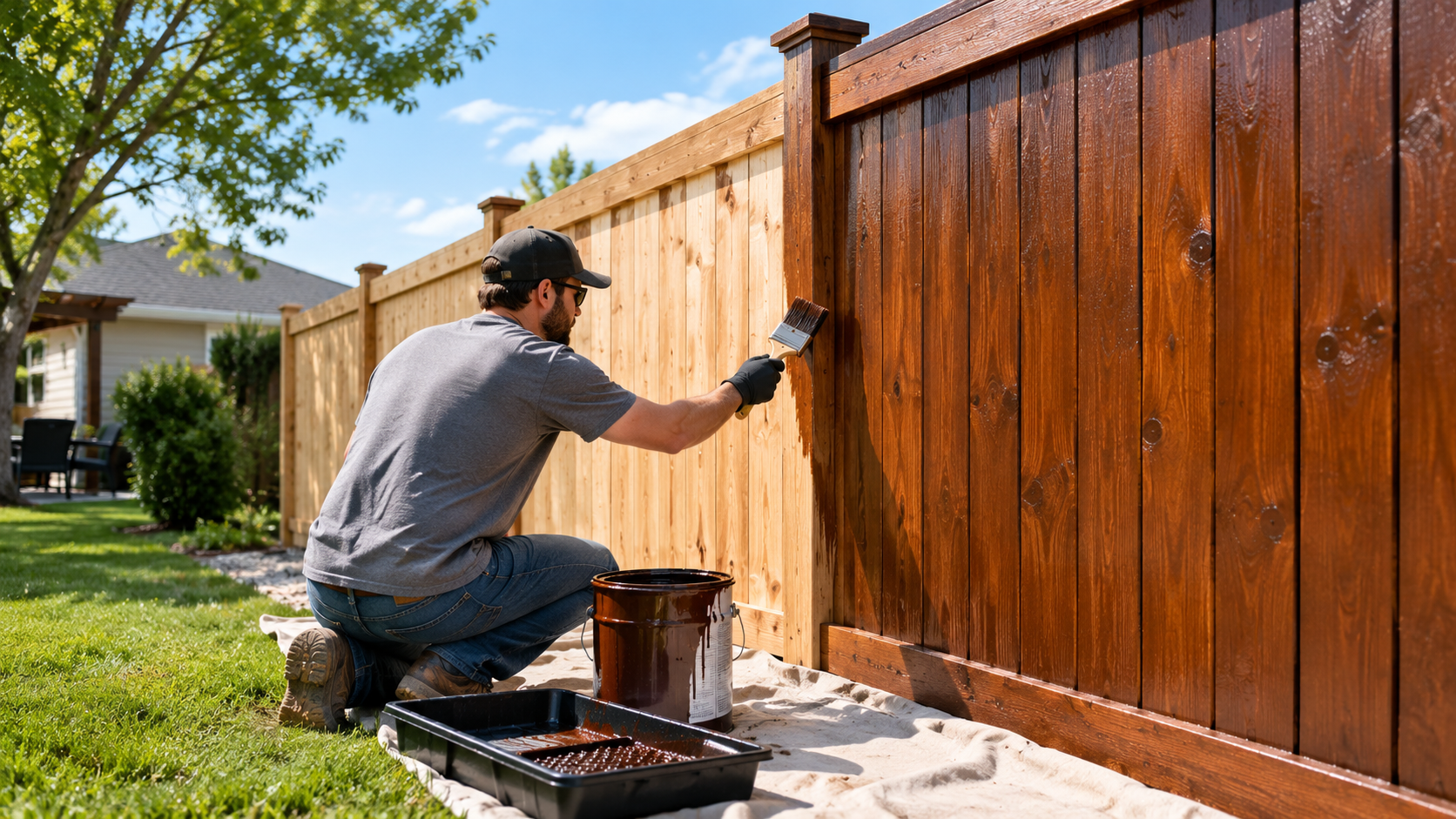
A gate is often the first thing people notice about your property.
It sets the tone before anyone reaches your front door. Homeowners across Western New York call us every year asking the same question: swing or sliding? The honest answer depends on your driveway, your budget, and how much Buffalo winter you’re willing to fight.
At All Pro Fence Buffalo, we’ve installed both types on properties from tight city lots to sprawling rural drives, and we’ve learned there’s no single right answer.
If you’ve searched “gate installation near me” hoping for a straight comparison, you’re in the right place. We’ll walk through swing gates, sliding gates, materials, sizing, permits, and what winter does to all of it.
Swing Gate Pros, Cons, and Space Needs
Swing gates work like an oversized door. They hinge on posts set into the ground and open inward or outward across an arc.
Homeowners like them because they’re simple, familiar, and usually cheaper to install than a sliding system. A single or double swing gate needs clearance equal to its width on whichever side it opens, so a driveway with a slope or a tight turn from the street can make this option tricky.
Snow piled at the base of the gate can also jam the swing arc if you’re not clearing it regularly. Still, for wide, flat driveways, a swing gate is often the most straightforward choice.
Sliding Gate Pros and Cons
Sliding gates move along a track parallel to your fence line instead of swinging into open space. That makes them a strong option for driveway gate installation on properties where street slope, a short approach, or limited yard space rules out a swing design.
The tradeoff is that sliding gates need a straight run of fence line to travel along, plus a solid, level track. They also require more excavation work upfront, since the track has to be set into a stable base.
Once installed, though, a sliding gate handles wind and heavy use better than most swing designs, and homeowners find it holds up well over the years without excessive strain on the hinges. For narrow lots, this is usually our first recommendation.
Best Choice For Snowy Driveways
Buffalo doesn’t give anyone a break here.
Lake-effect snow piles up fast, and a gate that can’t handle it becomes a headache by January.
Sliding gates generally perform better in heavy snow because the track can be cleared with a shovel or plow blade, and there’s no arc of swing space to keep open. Swing gates can still work fine if you’re diligent about clearing the path, but we’ve seen plenty of frozen hinges and buried gate bottoms on properties that didn’t plan for snow load.
If you’re comparing swing vs sliding gate options and winter upkeep matters to you, lean sliding. It’s not a rule, just what years on driveways around here have taught us.
Material Options: Aluminum, Steel, Wood, And Vinyl
Materials matter as much as the gate style.
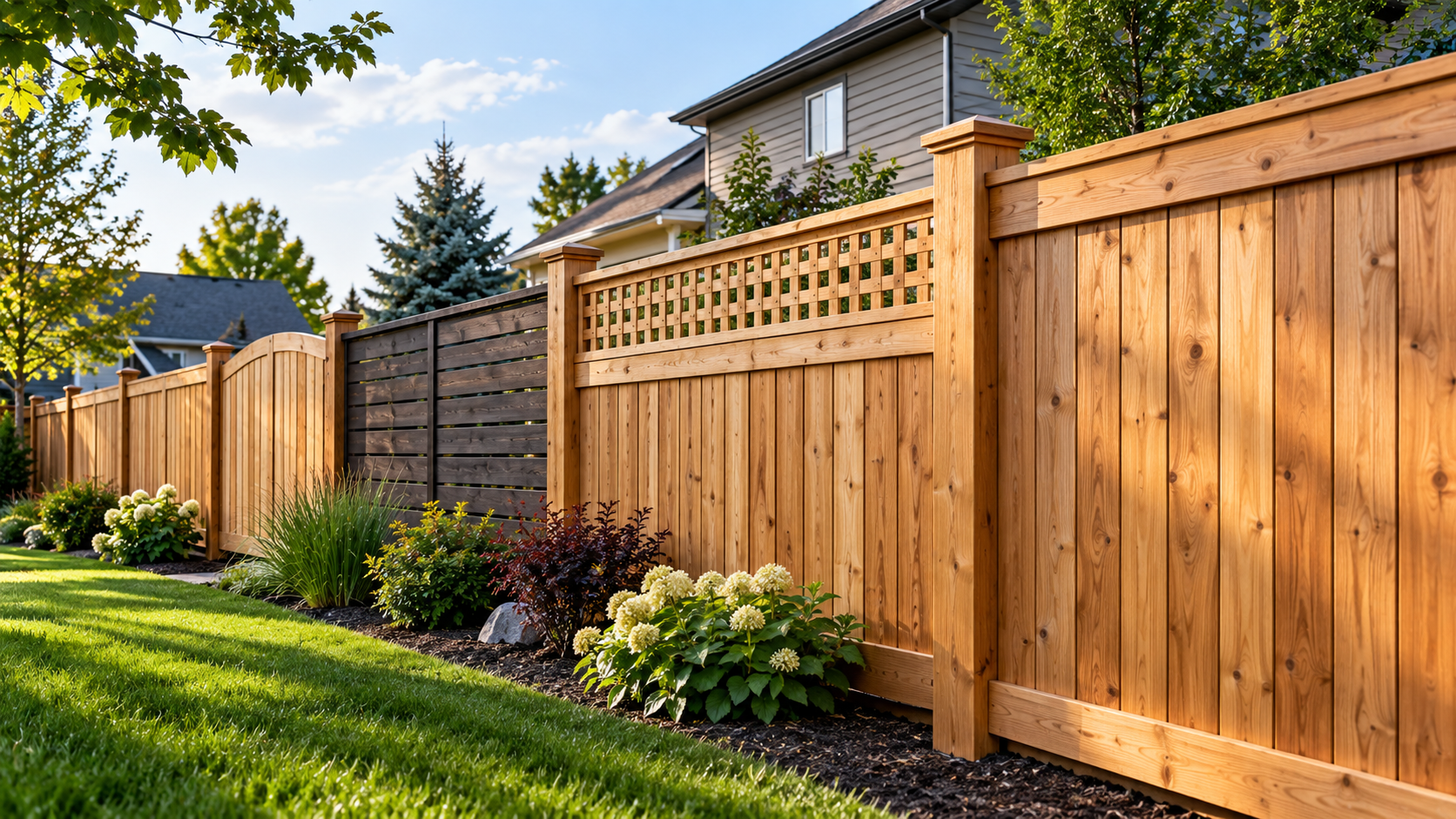
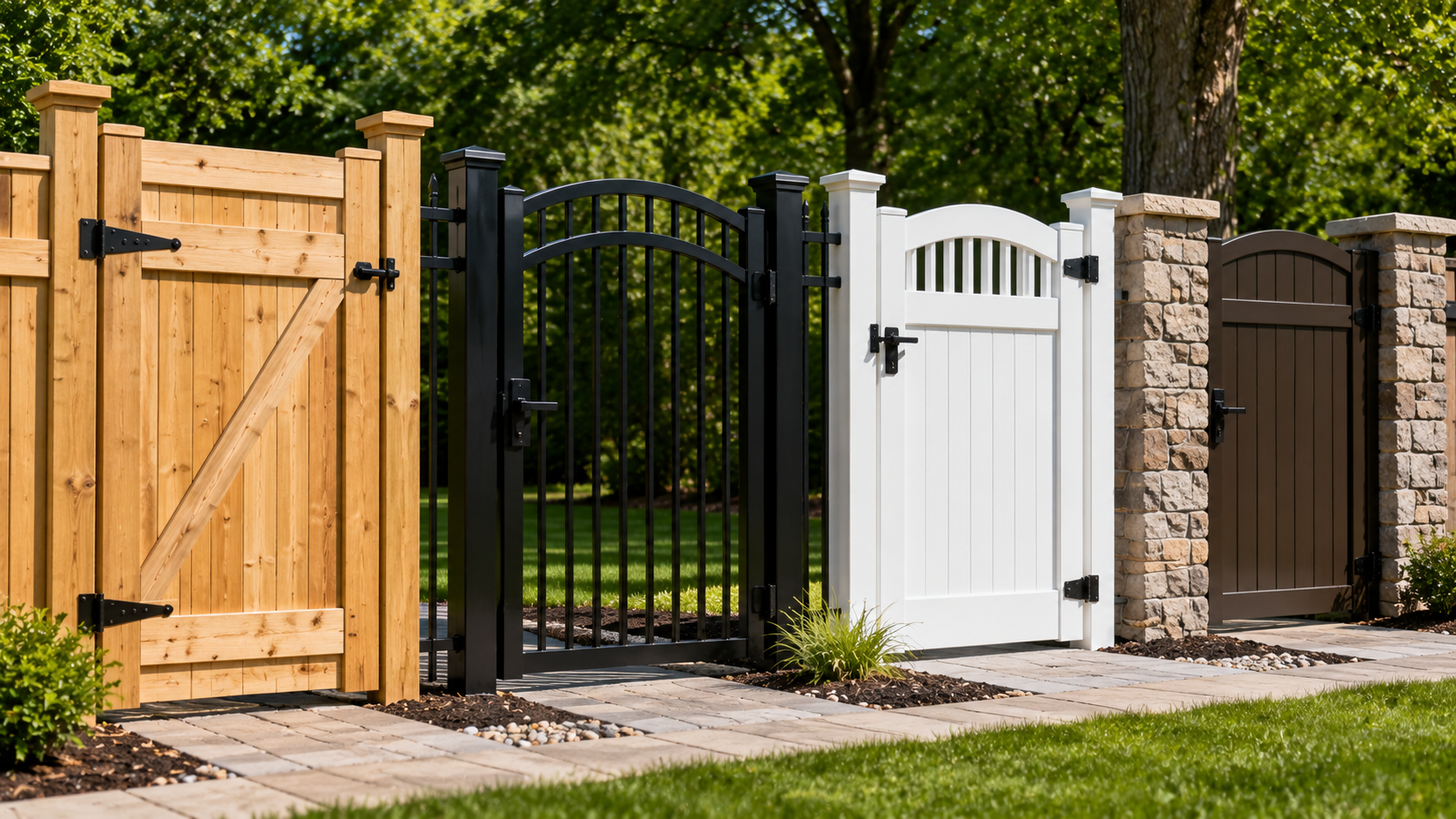
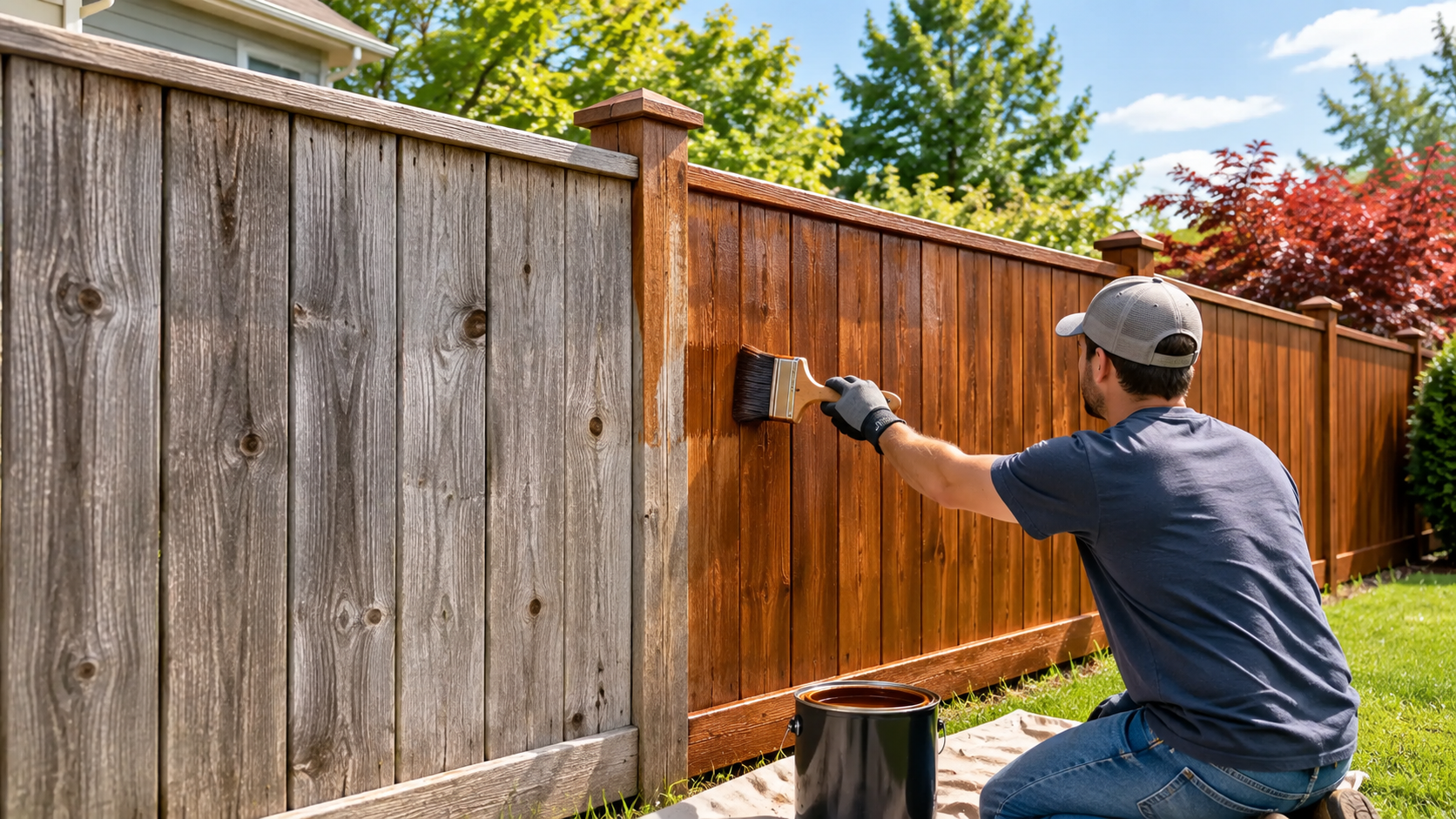
Aluminum is light, resists rust, and works well with an automated system since the motor isn’t fighting excess weight. Steel is heavier and stronger, a good fit if security is the priority, though it needs periodic rust checks in our climate. Wood offers a classic look but demands the most upkeep, especially with Buffalo’s freeze-thaw cycles.
Vinyl holds up remarkably well against moisture and doesn’t rot, warp, or rust, which is why it’s become a popular match for driveway gates on properties that already have vinyl fencing.
Manual vs Automated Gates
An automatic driveway gate Buffalo homeowners install usually pairs a keypad, remote, or smartphone app with a motor that opens and closes the gate on command. It’s convenient, especially in bad weather when you don’t want to get out of the car.
Manual gates cost less upfront and have fewer parts to break down, which some homeowners prefer for a second driveway, a rural property, or a gate that’s opened only occasionally. Automation adds real value for daily-use gates, rental properties, or anyone wanting an added layer of security without stepping outside.
Folks searching for gate installation near me quotes are often surprised automation costs less than they expected. We install both, and the right pick usually comes down to how often the gate gets used.
Sizing and Clearance Requirements
Get this wrong and nothing else about the gate matters.
Most residential driveway gates run 10 to 16 feet wide for a single vehicle, wider for dual-lane drives, and clearance needs to account for mirrors, plow blades, and delivery trucks.
Swing gates need open space to arc through, front or back, and sliding gates need a fence run at least as long as the gate itself to retract into. We measure twice before ordering material, because a gate that’s an inch too tight causes problems every single time it’s used.
Foundation and Post Considerations
The gate is only as good as what it’s anchored to.
Posts need to be set below Buffalo’s frost line, typically 42 inches down, in concrete footings sized for the gate’s weight and wind load.
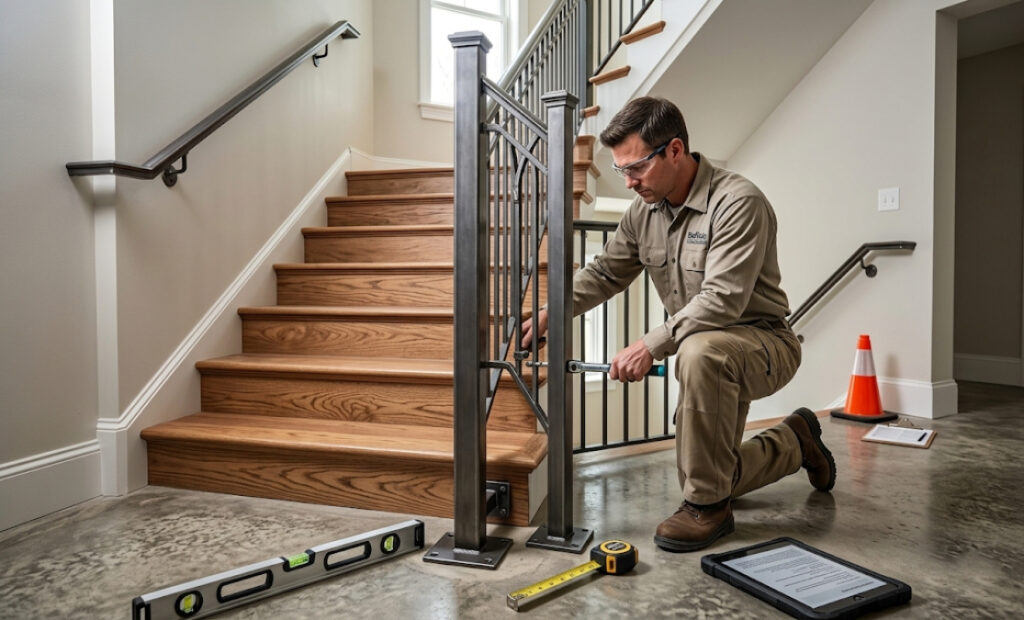
Sliding gates place extra demand on the track foundation since it bears constant lateral pressure, so we grade and compact the base before anything gets poured. Skipping this step is the most common reason gates lean, drag, or fail early, and it’s the step some cut-rate installers skip to save time.
Cost Ranges by Gate Type
Every property is different, but here’s the general range we see.
A manual swing gate typically runs $2,500 to $6,000 installed, depending on material and width. Sliding gates run higher, often $4,000 to $9,000, because of the track and grading work.
Add automation and expect another $1,500 to $4,000 on top, depending on the motor and access controls chosen. Vinyl tends to land in the middle of these ranges, aluminum trends lower, and steel with heavy automation sits at the top.
Permits for Driveway Gates in NY
Most Western New York municipalities require a permit for a driveway gate, especially if it sits near the property line or public right-of-way. Setback rules vary by town, and some require the gate to open inward only so it never swings into the street.
The team at All Pro Fence Buffalo pulls permits as part of every project and checks local code before ordering materials so nothing gets built twice.
Skipping this step can mean a stop-work order or a forced teardown, which costs far more than the permit fee itself.
Maintenance in Winter
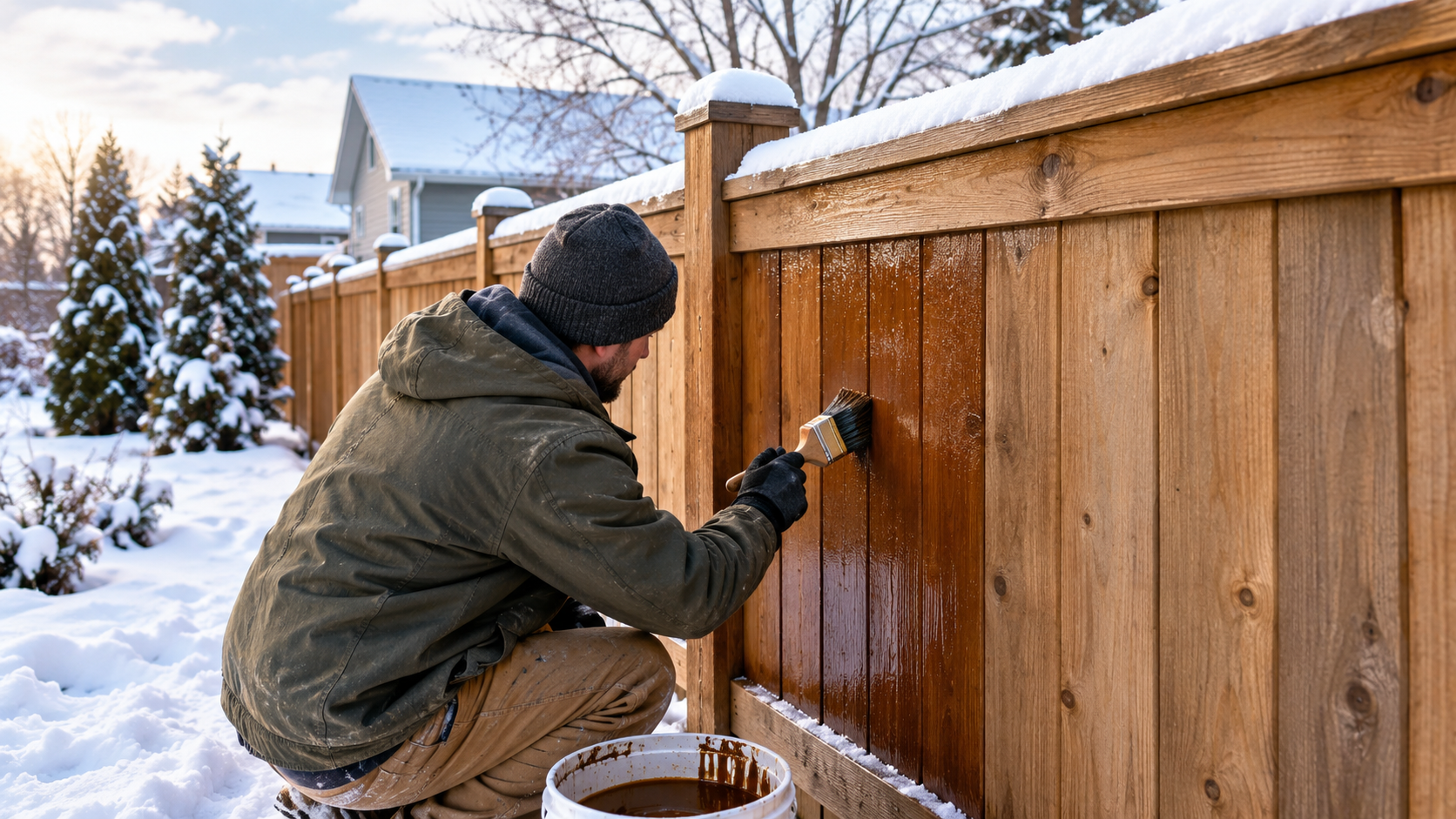
A gate that works great in July can seize up by February if it’s ignored. Lubricate hinges and tracks before the first freeze, keep the swing arc or track line clear of snow and ice, and check that automated openers aren’t straining against buildup.
Salt and sand from winter roads can also corrode hardware over time, so a rinse in early spring helps extend the life of whatever gate you chose. A little seasonal attention goes a long way toward avoiding a costly repair call.
This guide is part of our larger resource, The Complete Guide to Vinyl Fencing in Buffalo, NY, where we cover everything from panel styles to full property fencing.
Whichever direction you go, swing or sliding, the crew at All Pro Fence Buffalo has installed enough gates around this region to know what actually holds up. If you’re still weighing driveway gate installation options or searching for gate installation near me results that give you a straight answer, we’re happy to walk your property and talk through what fits.
Buffalo winters are tough on gates that weren’t built for them, and getting the foundation, material, and gate type right the first time saves you money down the road.
FAQs
How much does driveway gate installation cost in Buffalo?
Most residential gates run $2,500 to $9,000 installed, depending on gate type, material, and whether you add automation. If you’re comparing gate installation near me quotes, ask what’s included. Sliding gates and heavier materials like steel tend to push the price higher.
Is a swing or sliding gate better for snow?
Sliding gates generally handle Buffalo winters better since the track clears easily with a shovel or plow. Swing gates work fine too, as long as you stay on top of clearing snow from the swing path so hinges don’t freeze or jam.
Do I need a permit for a driveway gate in NY?
Most Western New York towns require a permit, especially near the property line or road. Setback rules and swing direction requirements vary by municipality. We check local code and pull permits as part of every project so there are no surprises later.
What’s the best material for a driveway gate in Buffalo’s climate?
Vinyl and aluminum both resist rust and hold up well against freeze-thaw cycles. Steel is stronger but needs rust checks. Wood looks classic but requires the most upkeep. Your choice depends on how much maintenance you want to take on each year.
Should I get an automatic driveway gate?
Automation is worth it for gates used daily, rental properties, or anyone wanting extra security without leaving the car. For gates opened occasionally, a manual gate costs less upfront and has fewer parts that can eventually need repair or replacement.
How wide should my driveway gate be?
Most single-vehicle gates run 10 to 16 feet wide. Wider drives or dual-lane entries need more. We measure your driveway, account for mirrors and larger vehicles like plows or delivery trucks, and size the gate so it clears comfortably every time.
How do I maintain my gate through winter?
Lubricate hinges and tracks before the first freeze, keep the swing arc or track clear of snow and ice, and rinse off road salt in early spring. A few minutes of seasonal upkeep prevents most of the freeze-ups we get called out for.