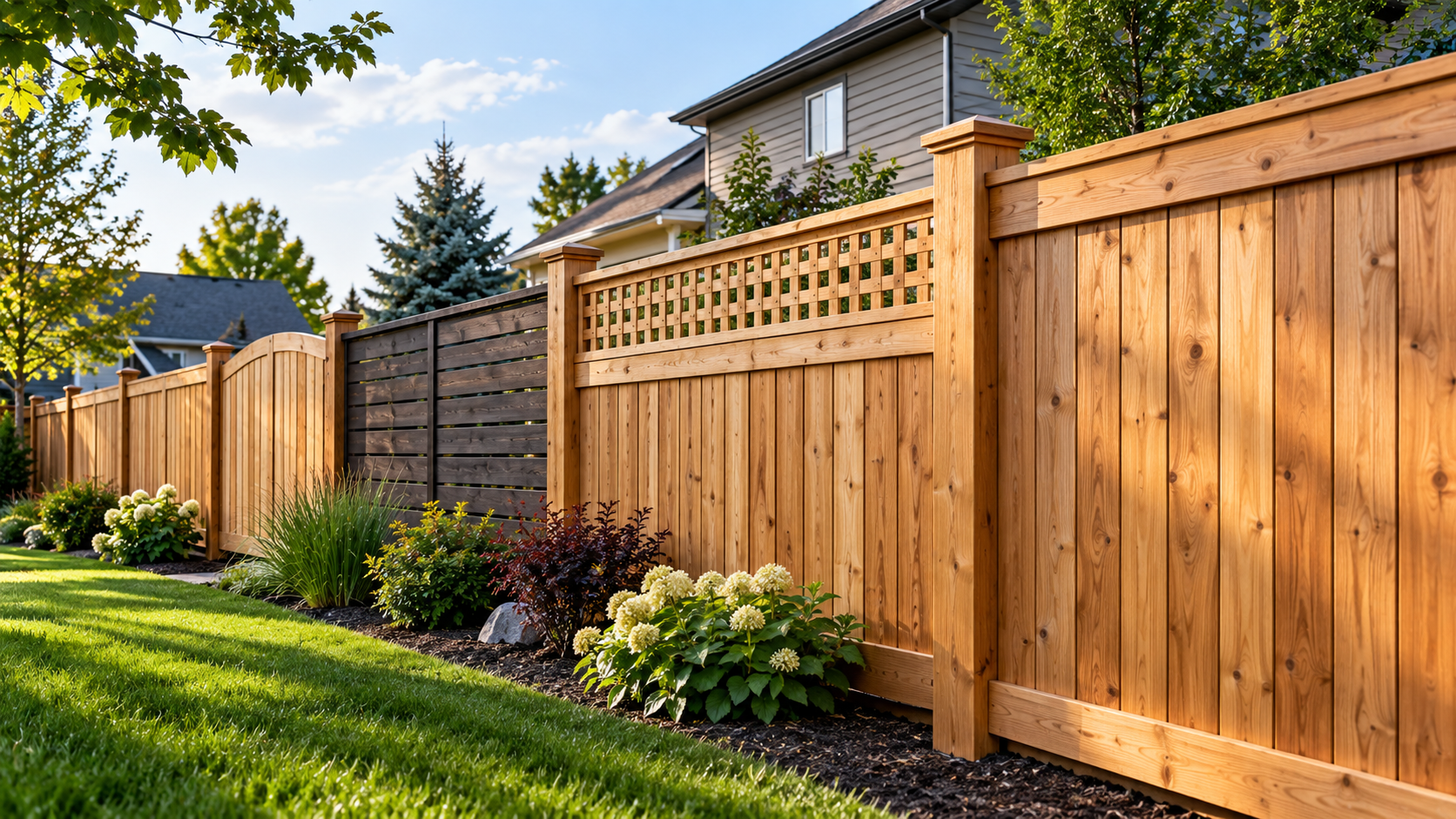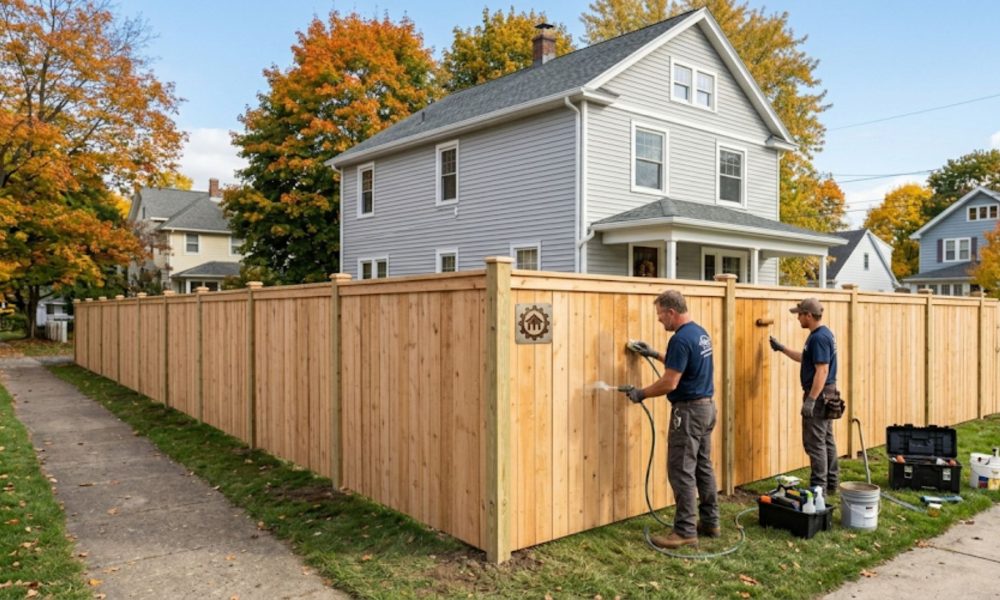
Winter takes a toll on fences here. One season of lake-effect snow, freeze-thaw cycles, and salty road spray, and you’ll see which fences were built right and which ones were slapped together with whatever wood was cheapest that week. If you’re searching for wood fence suppliers near me, you’re already asking the right question, because in Buffalo, the supplier matters almost as much as the installer.
What to Look for in Fence-Grade Lumber
Not all lumber at the yard is meant for a fence. Fence-grade boards need to handle direct weather exposure, ground contact (for posts), and years of expansion and contraction without splitting apart.
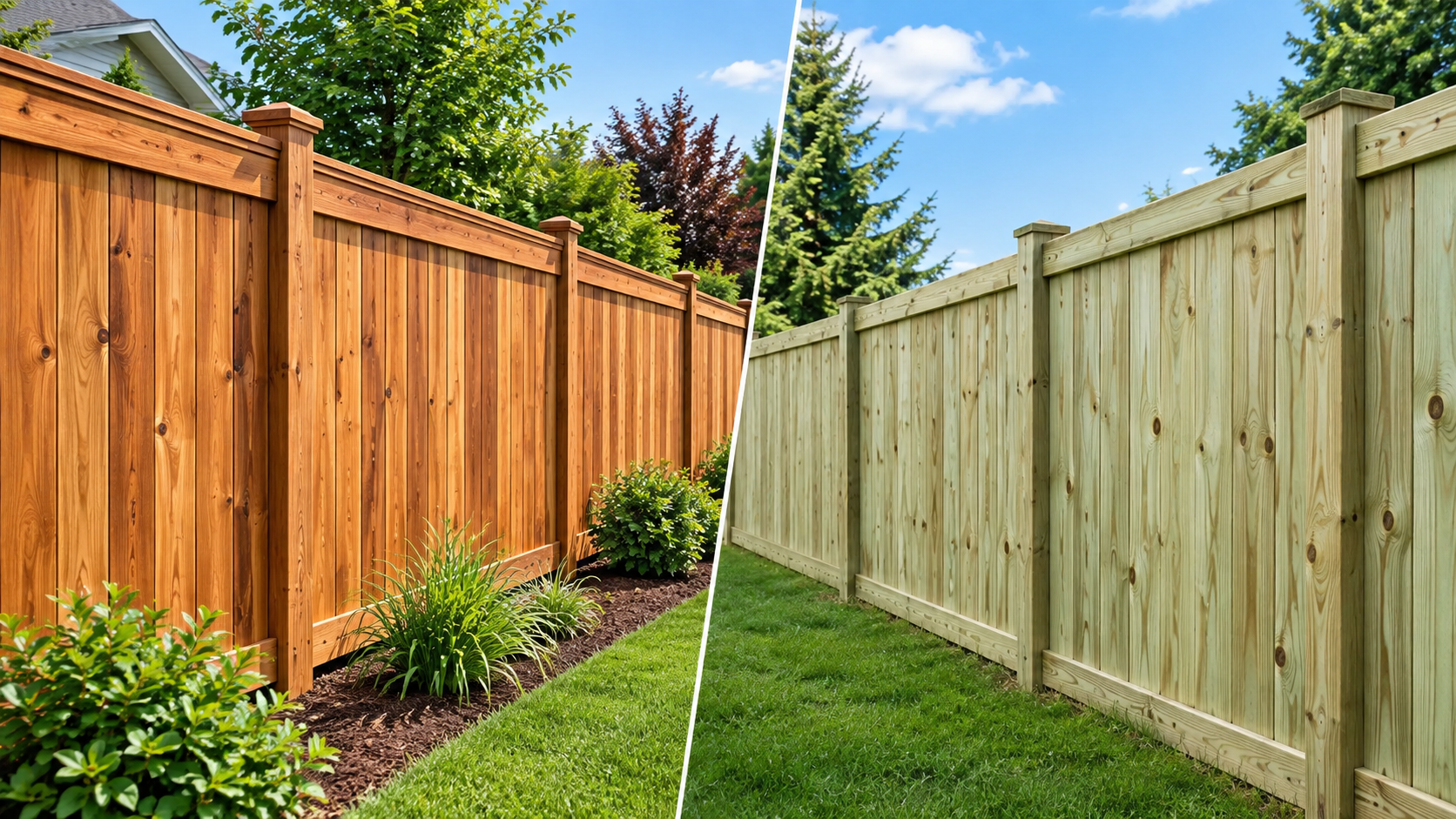
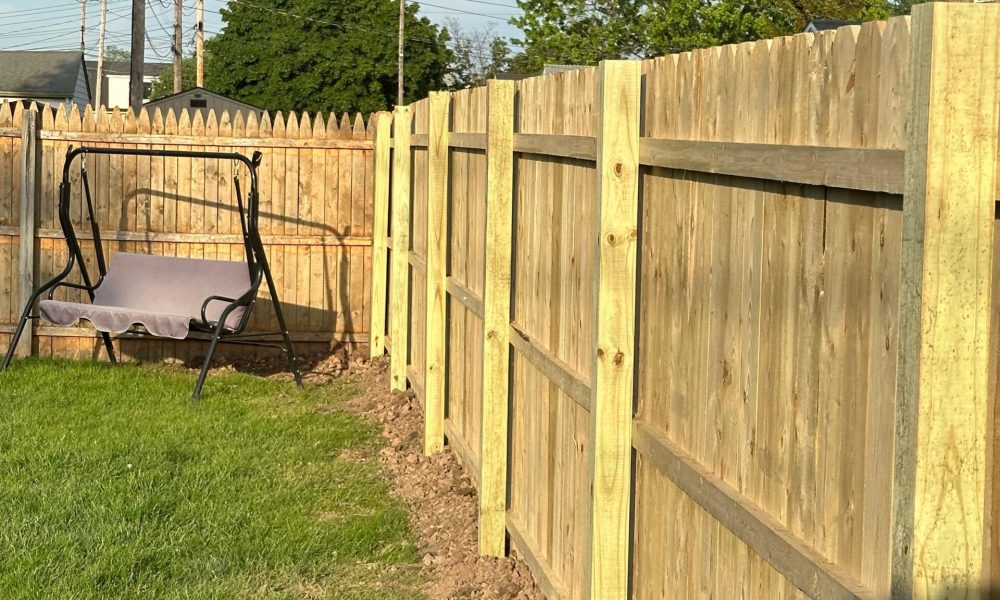
Cedar and pressure-treated pine are the two workhorses around here. Cedar has natural oils that resist rot and bugs, and it ages into a nice silvery-gray if you leave it unfinished. Pressure-treated pine costs less up front and holds up well too, as long as it’s rated for the right use: ground-contact treated wood for posts, above-ground treated for rails and pickets.
Mixing those up is a mistake we see a lot, usually from folks who bought whatever was on the shelf instead of asking.
When you’re standing in the yard, check the end grain. Tight, close rings mean slower growth and denser wood, which holds up better over time. Wide rings mean the tree grew fast and the board will be softer, more prone to warping.
Local Suppliers vs Big-Box Stores
This is where a lot of Buffalo homeowners get tripped up. Big-box stores are convenient, sure, but their fence lumber usually comes from a national supply chain, and the quality can swing wildly from one delivery truck to the next. You might get a great batch one month and warped, green boards the next.
Local wood fence suppliers near me searches tend to turn up smaller yards that buy in smaller, more controlled batches and actually know where their wood came from. They can tell you the mill, the grade, and often let you hand-pick boards if you’re buying a smaller quantity. That personal touch matters more than people expect until they’ve dealt with a truckload of twisted 2x4s.
Price-wise, it’s a mixed bag. Big-box stores sometimes beat local yards on sticker price, but local suppliers often make up for it with better grading, fewer returns, and staff who’ll actually answer questions about fence lumber Buffalo contractors trust for cold-climate installs.
Grading and Moisture Content Basics
Lumber grading isn’t just industry jargon; it tells you what you’re actually paying for. “Select” or “premium” grade boards have fewer knots and are cut straighter. “Standard” or “construction” grade is fine for rails and framing but might have more visible knots and slight imperfections, which is okay if you’re not picky about appearance.
Moisture content is the other piece people skip over. Wood that’s too wet when installed will shrink as it dries, leaving gaps between boards or, worse, pulling nails and screws loose. A moisture meter reading under 19% is generally the target for treated lumber.
Most reputable suppliers can tell you this number, or let you check it yourself if you bring a meter. If a supplier gets cagey about moisture content, that’s worth noting.
Choosing Straight, Knot-Free Boards
Here’s a trick we use on every job: sight down the length of each board before it goes on the truck. Hold one end up to your eye and look down the length; any bow, twist, or cup shows up immediately. A little bit of warp is normal and workable, but anything with a visible curve should go back on the pile.
Knots aren’t automatically a dealbreaker. Small, tight knots are fine and add character, especially in cedar. Loose knots or knots near the edge of a board are the problem; those are weak points that crack or pop out over time, especially through a Buffalo winter’s freeze-thaw cycle.
Post, Rail and Picket Sizing
Sizing mistakes are one of the most common reasons fences fail early. Posts should generally be 4×4 for residential privacy or picket fences, and 6×6 for taller fences or ones taking wind load, which, around here, is most of them.
Post depth matters just as much as the post itself; you want at least a third of the post length buried below grade, and deeper if you’re in an area with looser or sandier soil.
Rails typically run 2×4, spaced based on your fence height: two rails for a shorter picket fence, three for anything over five feet to keep it from racking in the wind. Picket sizing is more about style than structure, but 1×4 or 1×6 boards are the standard for most privacy and picket designs.
Estimating Material Quantities
Nobody wants to make two trips to the supplier because they ran short, and nobody wants a pile of leftover lumber sitting in the yard either. Measure your fence line first, then break it into sections based on post spacing, usually 6 to 8 feet apart for wood fences.
From there: count posts (one per spacing interval, plus corners and gate posts), multiply rails by the number of sections and rail rows, and calculate pickets based on board width and your desired gap.
Add about 10% extra for pickets to cover cutting mistakes or the occasional bad board. Most wood fence suppliers near me will help you run these numbers if you bring rough measurements; it’s a five-minute conversation that saves a lot of hassle.
Delivery vs Pickup Considerations
For a small repair job, pickup makes sense. But for a full fence line, delivery is usually worth the fee. Treated lumber is heavy, and hauling it yourself in a pickup bed usually means multiple trips, plus the risk of scuffing or bending boards during transport.
Ask about delivery lead times before you commit to a project schedule. Some Buffalo yards can deliver within a day or two; others, especially during peak spring and summer installation season, book out a week or more. If your project has a deadline, this is a question to ask early, not after the wood’s already ordered.
Pricing and Bulk Discounts
Fence lumber pricing fluctuates with the lumber market generally, so don’t be surprised if quotes differ from what a neighbor paid last year. That said, most suppliers offer some kind of bulk discount once you’re ordering enough material for a full fence line rather than a repair.
It’s worth asking directly; discounts aren’t always advertised. Also ask whether the price includes delivery, and whether there’s a difference in cost between pressure-treated and cedar for the quantities you need. Sometimes the price gap is smaller than people assume, which changes the decision.
Avoiding Warped or Green Wood
Green wood, meaning freshly cut and not yet dried or properly treated, is the number one cause of problems we see on fences that were installed too fast. It looks fine going up, but as it dries out over the following months, it twists, cups, and shrinks, leaving an uneven, gapped fence line within a year.
The fix is simple: don’t rush the buying process. Check moisture content where possible, sight every board for straightness, and if a whole batch smells strongly of fresh-cut wood or feels noticeably heavy and damp, that’s a sign it hasn’t dried enough. A good supplier won’t push green wood on you if you ask directly.
Supplier Questions to Ask
Before you commit to any yard, a short conversation can save you a lot of grief later:
- Where does this lumber come from, and what grade is it?
- What’s the moisture content on the treated posts?
- Do you deliver, and what’s the typical lead time?
- Is there a bulk discount for a full fence line?
- Can I hand-select boards, or is it pulled from stock automatically?
- What’s your return or exchange policy on warped boards?
Any supplier worth working with will answer these without hesitation.
At All Pro Fence Buffalo, this is the kind of groundwork we walk clients through before a single post goes in the ground, because a fence is only as good as the lumber behind it. We’ve installed enough wood fences across Western New York to know which suppliers consistently deliver straight, properly treated boards, and which ones are hit or miss.
If you’re still narrowing down where to buy fence wood for your project, or you’d rather skip the sourcing headache altogether, All Pro Fence Buffalo can handle material selection and installation as one package, worth a call if you’d rather not spend a Saturday sorting through lumber stacks yourself.
Frequently Asked Questions
How much does a wood fence cost in Buffalo?
Most wood fences run between $20 and $45 per linear foot installed, depending on wood type, height, and site conditions. Cedar runs higher than pressure-treated pine. Get a few local quotes since pricing varies by supplier and season.
How long does pressure-treated wood last for fencing?
A properly installed pressure-treated fence typically lasts 15 to 20 years in this climate. Lifespan depends on post depth, drainage, and how well the wood was graded and dried before installation.
Is cedar or pressure-treated pine better for Buffalo winters?
Both hold up well if installed correctly. Cedar resists rot naturally and ages nicely unfinished. Pressure-treated pine costs less and is just as durable when the treatment rating matches ground-contact requirements.
Can I install a wood fence myself with lumber from a local supplier?
Yes, if you’re comfortable with basic carpentry and post-setting. Many local suppliers will help with measurements and cut lists. Just make sure posts are set below the frost line for stability.
What’s the best time of year to buy fence lumber in Buffalo?
Late fall through early spring often has better pricing and availability, since demand drops after summer installation season. Just confirm moisture content, since lumber sitting through winter can pick up dampness.
Do local suppliers let you pick your own boards?
Many do, especially for smaller orders. It’s worth asking directly, since hand-selecting straight, knot-free boards can noticeably improve how long your fence lasts.
What’s the difference between grading and treatment in fence lumber?
Grading refers to the wood’s appearance and structural quality, knots, straightness, and density. Treatment refers to chemical processing for rot and insect resistance. You need both to be right for a fence that lasts.