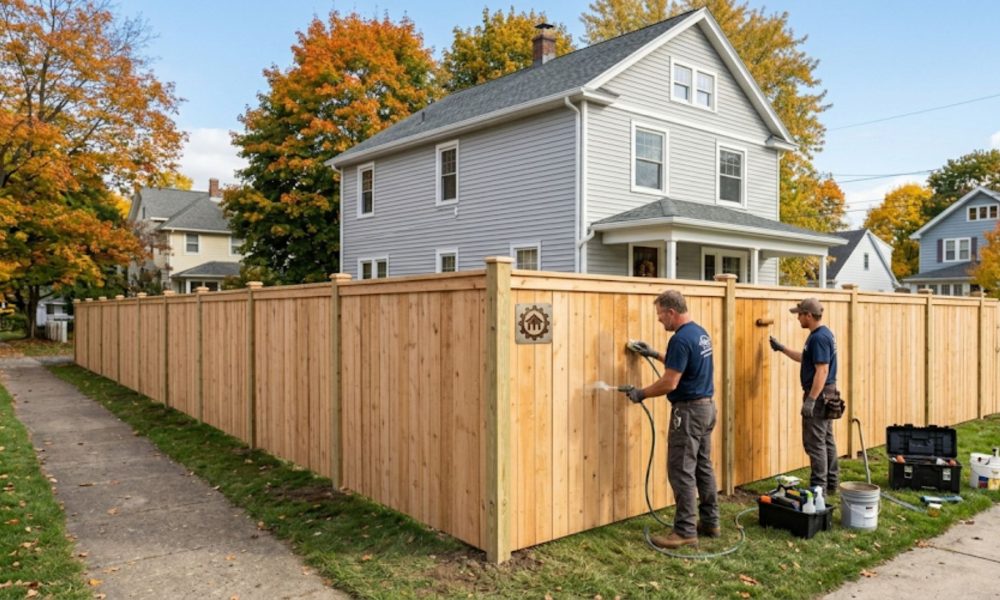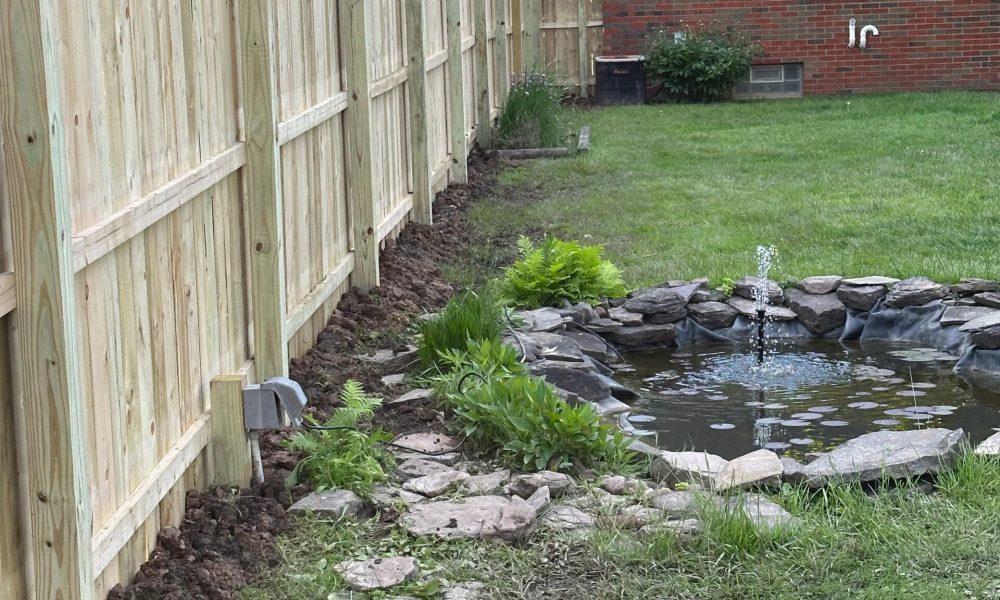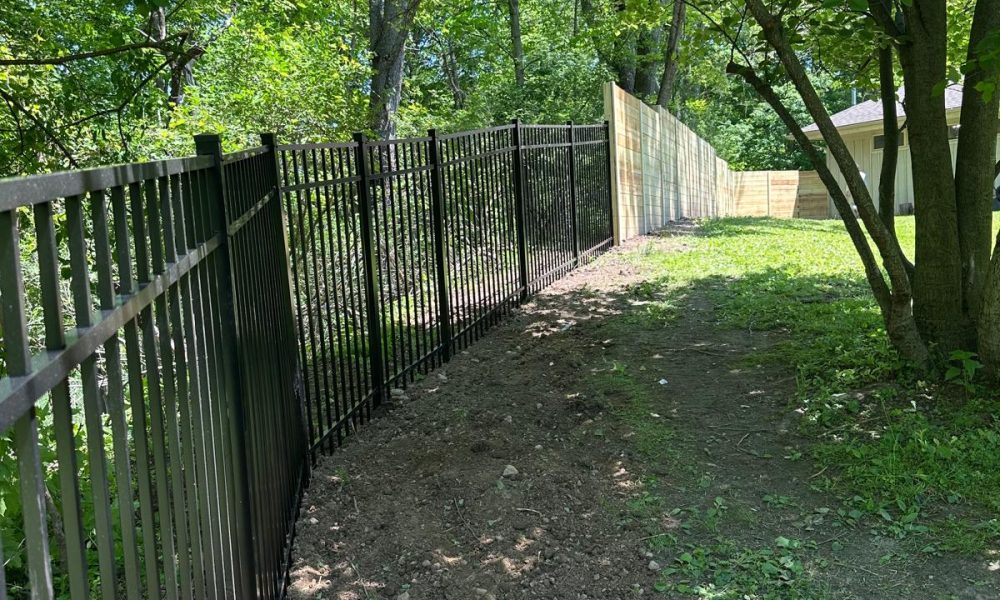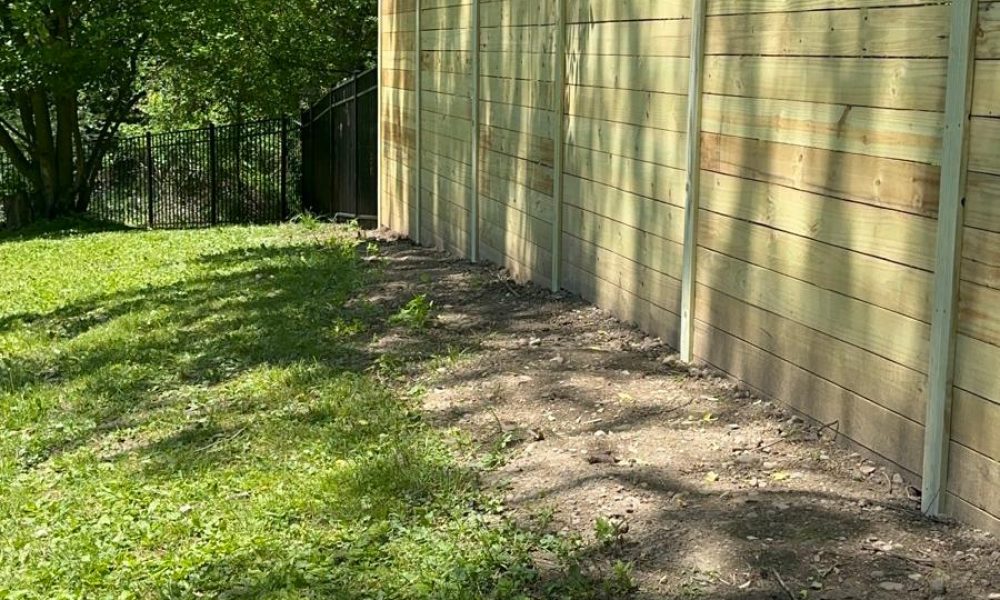
Putting up a fence by yourself can be a rewarding project that adds beauty, privacy, and value to your property. One of the most popular options is a diy wood fence, which is also one of the most affordable, as well as customizable and natural-looking fences. But if you live somewhere like Buffalo with its harsh, snowy, rainy weather and temperature variations, careful consideration of materials and prep is important. This guide will help you understand how to build a diy wood fence while also covering everything from wood selection to finishing your fence so your project can last for many years. And if you ever feel the job is too hard, All Pro Fence Buffalo is always ready to help you get professional results.
How to Select the Right Wood Type for Long-Lasting Durability in Buffalo Weather
Selecting quality lumber is one of the most important elements to a successful diy wood fence. Buffalo’s cold, snowy, moist climate would have tormented any untreated or weak wood. That’s why you want to look for weather-resistant, durable types of wood.
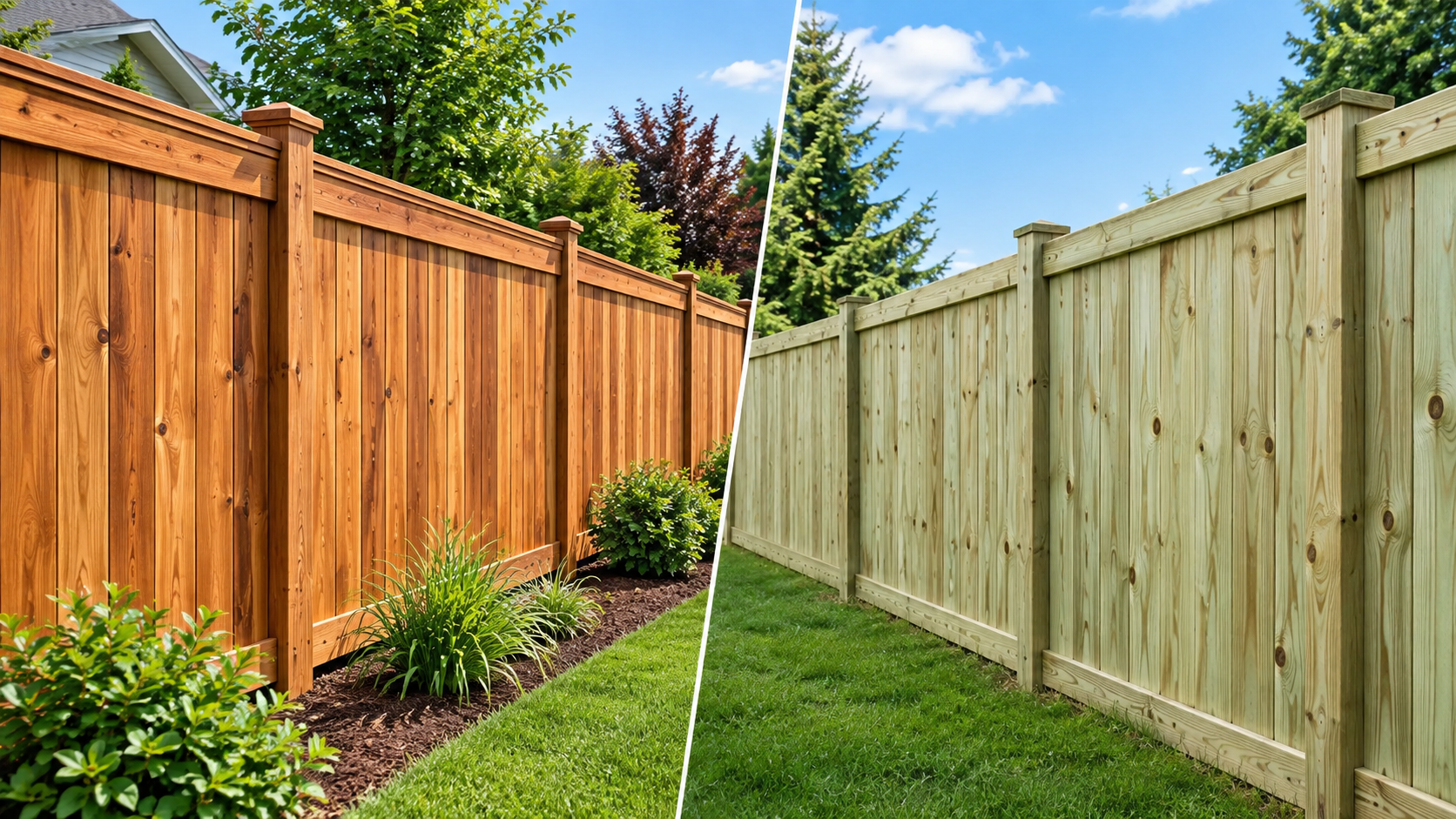
Cedar is a particularly good option because it is rot-resistant and insect-resistant. It wicks moisture, too, making it good for snowy conditions. Another popular choice is pressure-treated wood, which undergoes chemical treatment to prevent decay and insects. Pine is frequently employed in this situation due to its low cost and availability. Redwood is also strong and long-lasting, but it can also be more expensive.
When considering the best wood for diy fence projects, always consider how wood reacts to moisture and temperature variation. Investing a few extra dollars in quality wood will reduce future repair bills.
Key Tools & Equipment You’ll Need for a Successful DIY Wood Fence Project
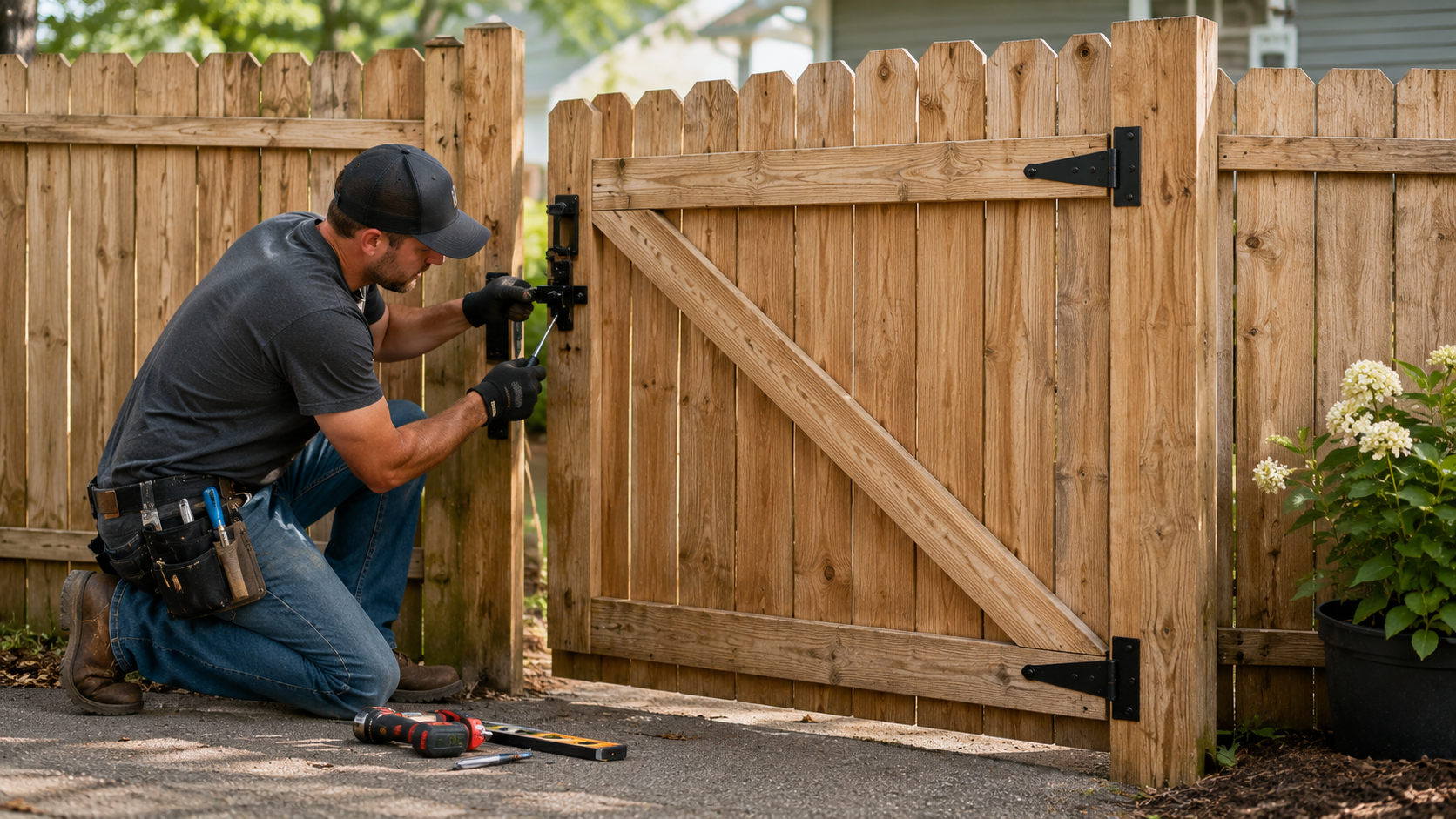
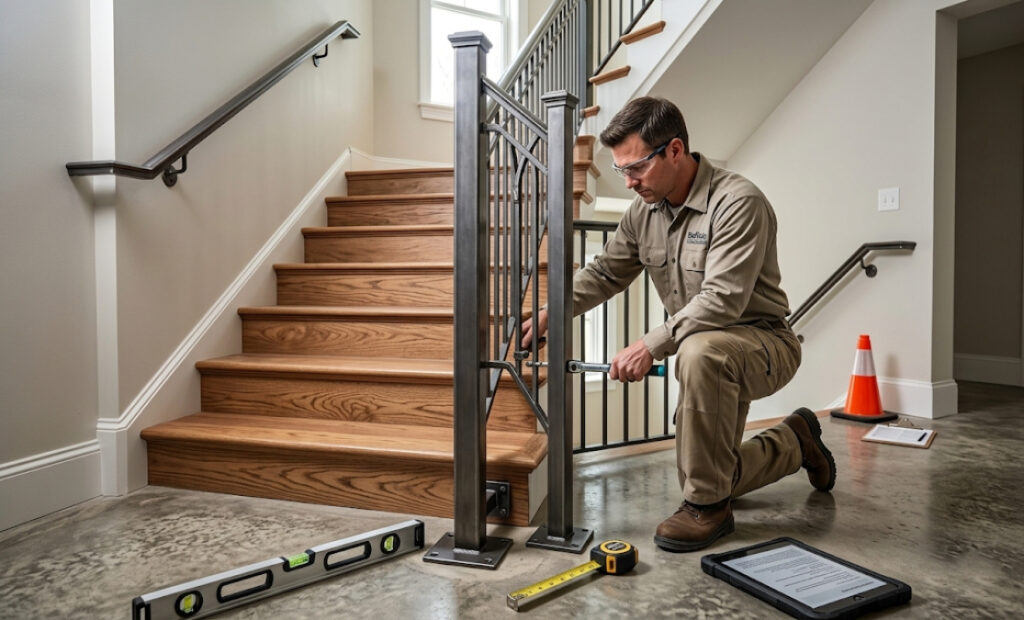
The first thing to know about how to build a diy wood fence is that you will need the right tools. Tools you should have access to include a measuring tape, level, post hole digger, hammer, and drill.
Apart from tools, materials such as fence posts, rails, pickets, concrete mix, and nails or screws will be required. This extends to safety gear such as gloves and goggles. Taking more care and employing correct tools will make the task a smoother and safer one.
Even though it is a DIY project, many homeowners hire All Pro Fence Buffalo for consultation or installation because professional tools and experience can make a difference in the final product.
Why Proper Post Depth & Spacing Matter for Strength and Longevity
A good fence starts with good posts. Setting your fence posts shallower than they should be is a common mistake made in a diy wood fence project. In Buffalo, frost can make the ground swell and shift, pushing shallow posts out of place.
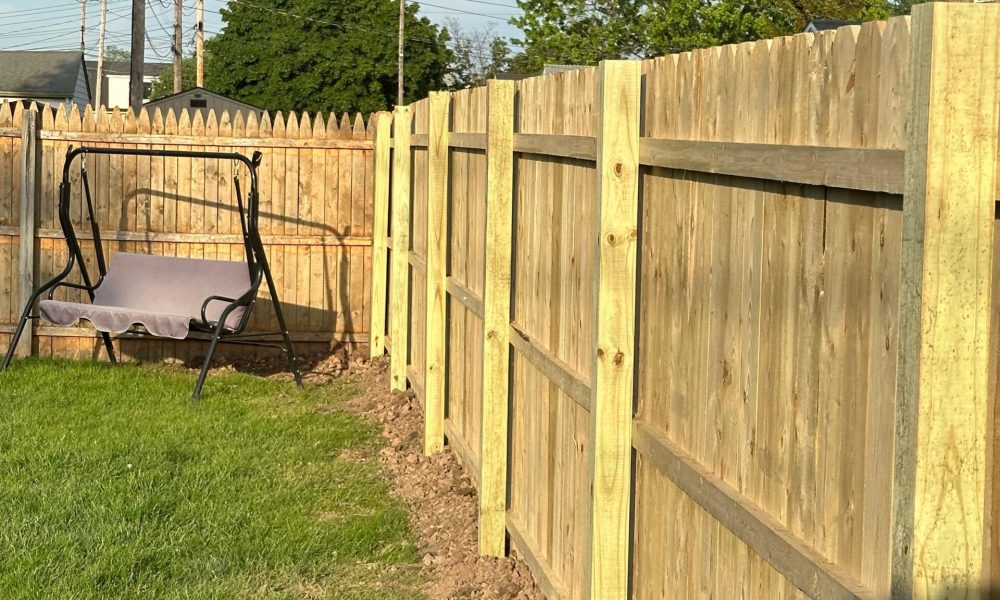
To prevent this from occurring, fence posts should be below the frost line, usually 3-4 feet deep. Concrete will also be poured around the posts for additional strength. Post spacing matters too. A typical fencing standard is to space posts between 6 and 8 feet apart for strength and balance.
If the posts are too far apart, the fence may sag later. If they are too close, you may end up wasting materials and costing unnecessarily. Getting this balance right keeps your fence strong for years.
Get the Best Results: Preparing Your Yard, Soil & Layout Before Installation
The key is to prep your yard before you build. Try to remove any rocks and plants so that you have a clean workspace. Be sure to stake out your property lines.
The layout is an important aspect of diy wood fence ideas and designs. Before digging, decide how tall you want your fence to be, how and where you want to style it. Mark the location of the fence with string lines and stakes. This helps you stay organized when installing.
Soil in Buffalo can also vary, so see if your ground is soft, rocky, or heavy with clay. This will affect how you dig post holes and set your foundation. The installation is quicker and more accurate if done correctly.
Cost Breakdown: How Much Does a DIY Wood Fence Really Cost in Buffalo?
Cost is always a major consideration when planning a diy wood fence. Total costs depend on how big your yard is, what kind of wood you buy, and what tools you already have.
On average, wood fencing materials range from $15 to $30 per foot. Pressure-treated wood is less expensive, while cedar and redwood are more costly. Additional costs are the concrete, nails, and finishes, like stain or sealant.
While DIY can reduce labor expenditures, errors can be costly. This is why most homeowners will compare DIY costs to hiring professionals. In fact, bringing in experts may help save money in the long run by avoiding repairs.
Ways to Choose the Best Finish: Stain, Sealant & Maintenance for a Durable Wood Fence
How you finish your fence is as important as how you build it. A good finish protects wood from moisture, sunlight, and variations in temperature. This is especially important in Buffalo’s climate.
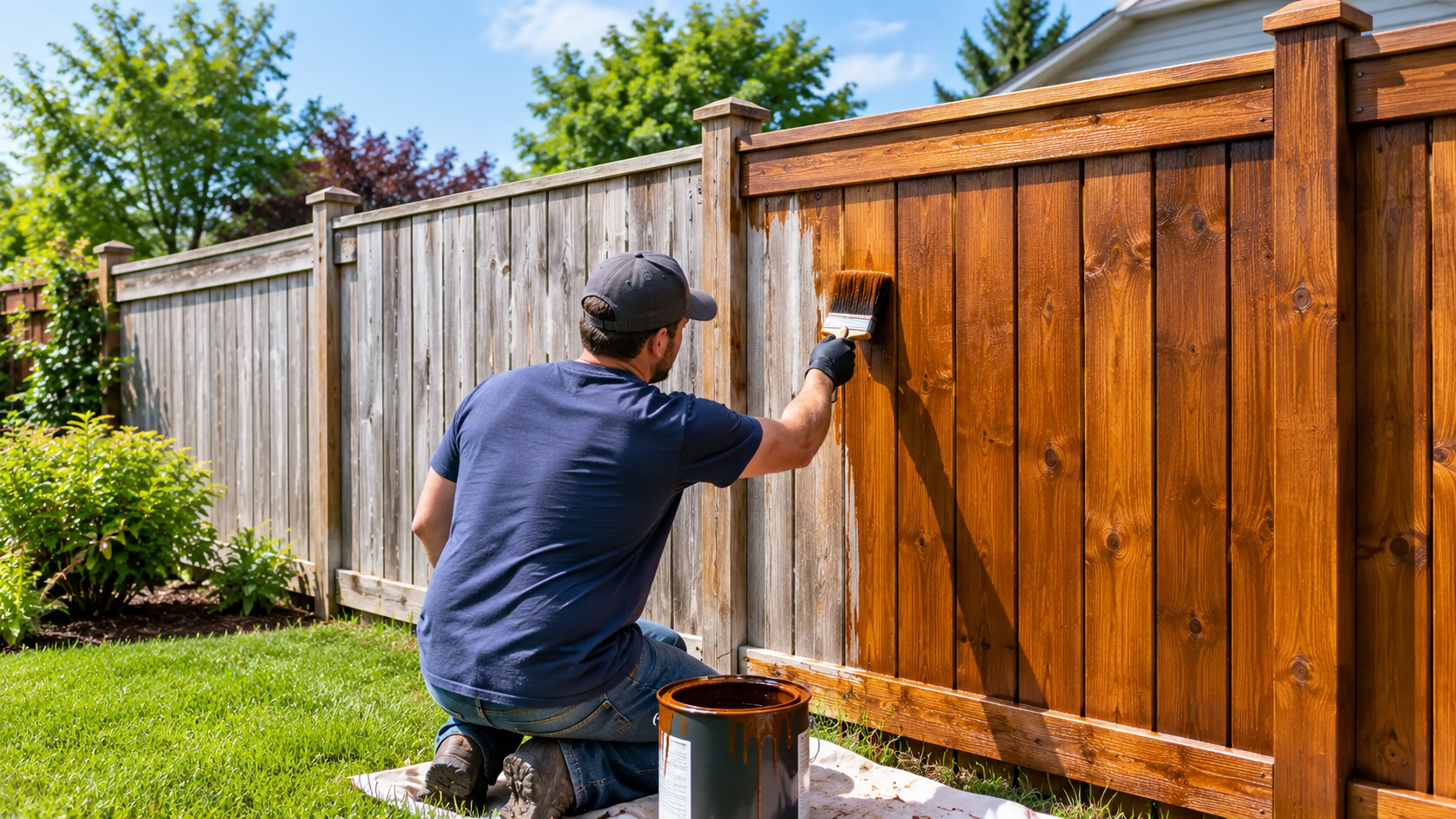
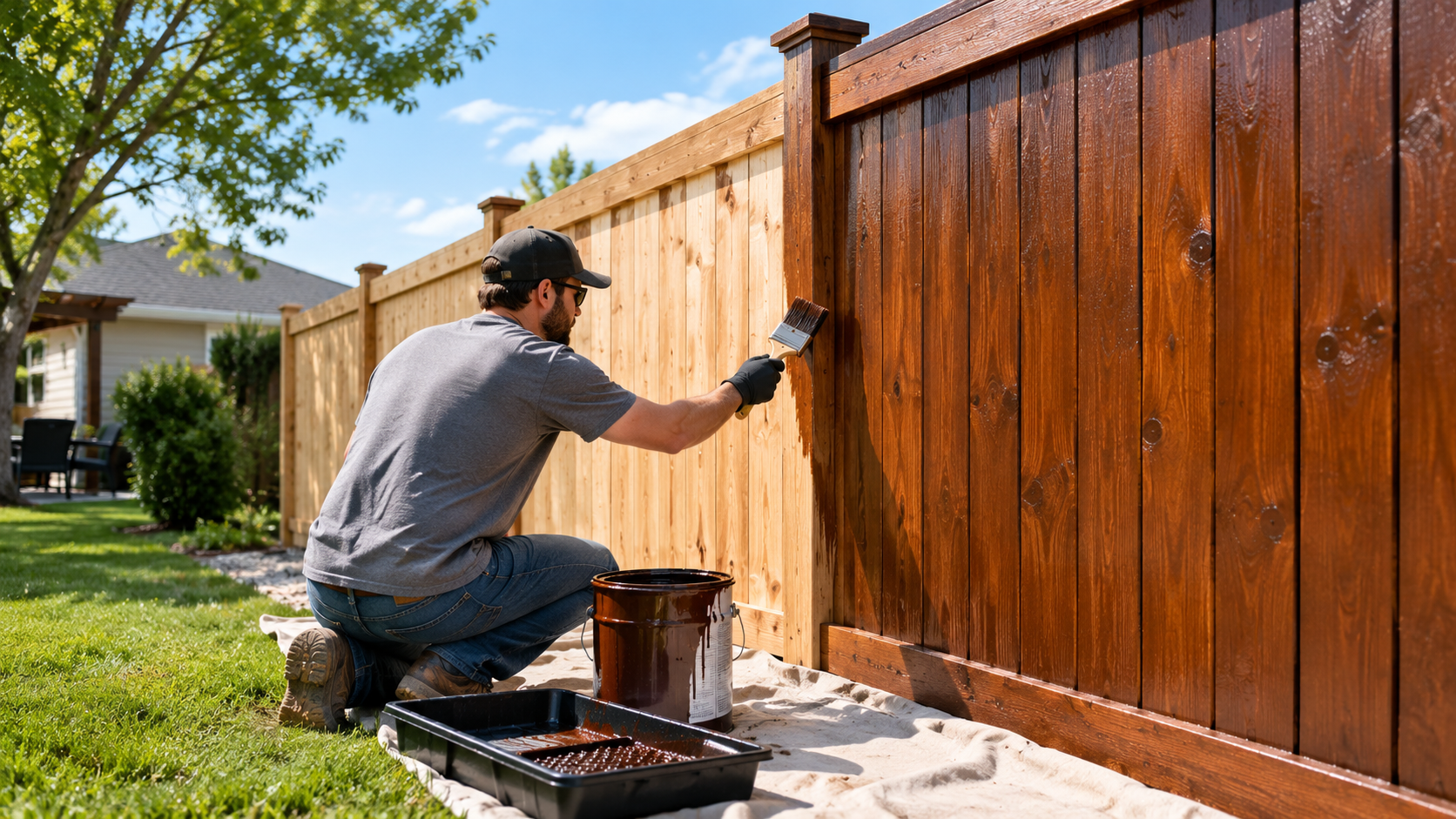
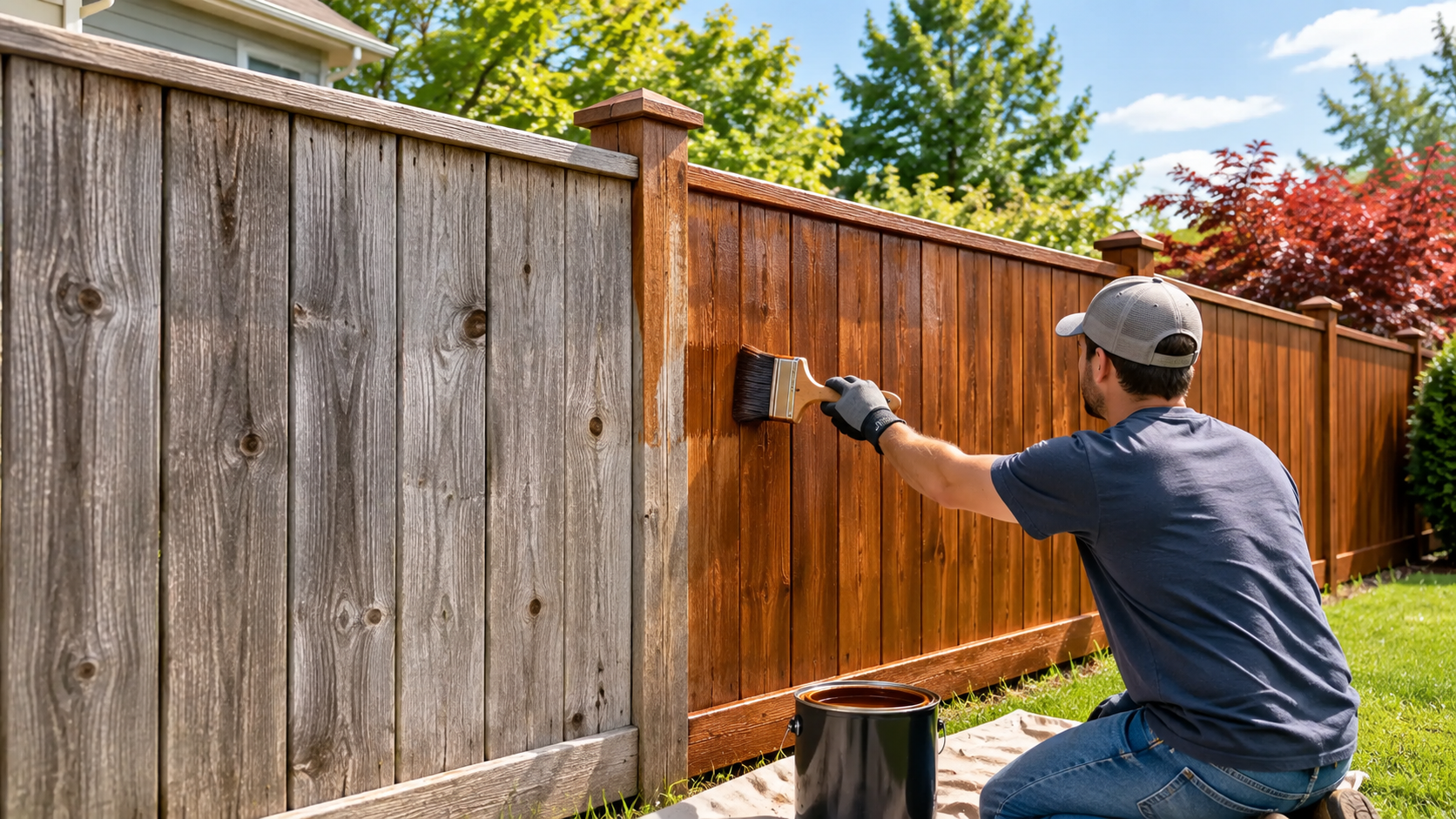
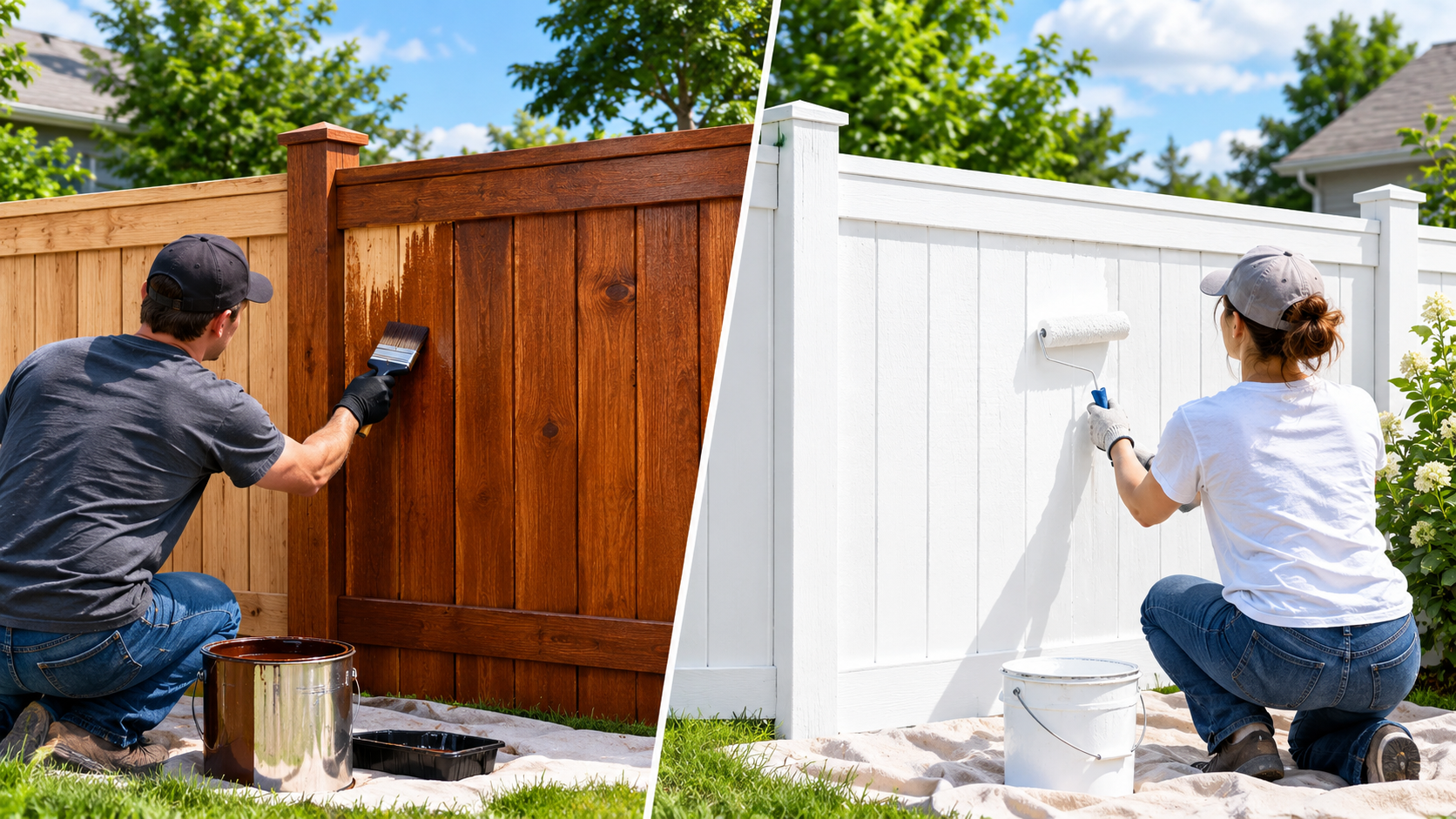
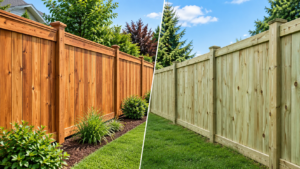
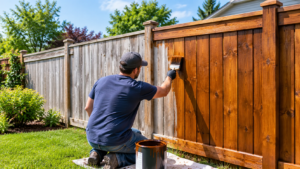
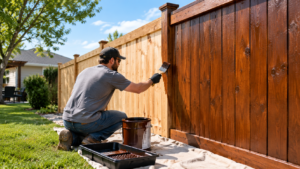
Fence staining will protect your wood while beautifying its natural color. Sealants offer excellent protection from water infiltration. Some homeowners like to paint, but paint can peel in extreme weather.
Why Choose All Pro Fence Buffalo
It is not easy to make your own fence, though it can be satisfying. The types of installations, materials, and weather conditions will also affect your project. All Pro Fence Buffalo has the experience and know-how to overcome these challenges easily. Hiring professionals means your fence will be built properly, safely, and efficiently.
FAQs
What is the best wood for a DIY wood fence in Buffalo?
For Buffalo’s changing weather and moisture levels, cedar and pressure-treated wood are the top choices for a DIY wood fence. Cedar naturally resists rot and insects, while pressure-treated lumber offers long-lasting durability at a lower cost. Both materials can handle snow, rain, and seasonal temperature changes well.
How deep should fence posts go?
Fence posts in Buffalo should typically be installed 3 to 4 feet deep to help prevent shifting during freezing and thawing cycles. Deeper post installation provides better stability and helps your fence withstand strong winds and heavy snow. Using concrete around the posts can add even more support.
How far apart should fence posts be?
Most wood fence posts are spaced about 6 to 8 feet apart for proper support and durability. Correct spacing helps prevent sagging and keeps the fence strong over time. The exact distance may vary depending on the fence style and wood type you choose.
Is it cheaper to build a DIY wood fence than hiring professionals?
A DIY wood fence can save money on labor costs, but mistakes in measuring, leveling, or installation may lead to expensive repairs later. Professional fence installers often complete projects faster and with fewer issues. Comparing material costs, tools, and your experience level can help determine the best option.
What is the lifespan of a wood fence?
A properly maintained wood fence can last between 15 and 20 years in Buffalo’s climate. Regular sealing, staining, and inspections help protect the wood from moisture damage and rot. Choosing quality materials like cedar can also increase the fence’s lifespan.
Do I need a permit to put up a fence in Buffalo?
Yes, many Buffalo-area municipalities require a permit before installing a fence, depending on the fence height and location. Local zoning laws and property line regulations may also apply. It’s always best to check with your local building department before starting your project.
What tools do you need to build a fence?
Common tools for building a wood fence include a post hole digger, drill, saw, tape measure, level, and shovel. You may also need concrete mix, clamps, and safety equipment for a smoother installation process. Having the right tools helps ensure accurate and secure fence construction.
Should I use nails or screws on my fence?
Screws are generally stronger and more durable than nails for wood fence installation. They provide a tighter hold and are less likely to loosen over time due to weather changes. Using exterior-grade screws can help improve the overall strength and lifespan of your fence.